Chapter 2: An Integrative Approach to Psychopathology
Vocab from the text book
multidimensional integrative approach: “Approach to the study of psychopathology that holds psychological disorders as always being the products of multiple interacting causal factors.”
genes: “Long deoxyribonucleic acid (DNA) molecules, the basic physical units of heredity that appear as locations on chromosomes. A single gene is a subunit of DNA that determines inherited traits in living things.”
diathesis–stress model: “A hypothesis that both an inherited tendency (a vulnerability) and specific stressful conditions are required to produce a disorder.”
vulnerability: “A susceptibility or tendency to develop a disorder.”
gene–environment correlation model: “A hypothesis that people with a genetic pre-disposition for a disorder may also have a genetic tendency to create environmental risk factors that promote the disorder.”
epigenetics: “The study of factors other than inherited DNA sequence, such as new learning or stress, that alter the phenotypic expression of genes.”
neuroscience: “Study of the nervous system and its role in behavior, thoughts, and emotions.”
neurons: “Individual nerve cell; responsible for transmitting information.”
action potentials: “Short periods of electrical activity at the membrane of a neuron, responsible for the transmission of signals within the neuron.”
terminal button: “The end of an axon (of a neuron) where neurotransmitters are stored before release.”
synaptic cleft: “Space between nerve cells where chemical transmitters act to move impulses from one neuron to the next.”
neurotransmitters: “Chemicals that cross the synaptic cleft between nerve cells to transmit impulses from one neuron to the next. Their relative excess or deficiency is involved in several psychological disorders.”
excitatory: “Causing excitation; activating.”
inhibitory: “Causing inhibition; suppressing.”
hormone: “Chemical messenger produced by the endocrine glands.”
brain circuits: “The neurotransmitter currents or neural pathways in the brain.”
agonists: “Chemical substance that effectively increases the activity of a neurotransmitter by imitating its effects.”
antagonists: “In neuroscience, a chemical substance that decreases or blocks the effects of a neurotransmitter.”
inverse agonists: “Chemical substance that produces effects opposite those of a particular neurotransmitter.”
reuptake: “Action by which a neurotransmitter is quickly drawn back into the discharging neuron after being released into a synaptic cleft.”
glutamate: “Amino acid neurotransmitter that excites many different neurons, leading to action.”
gamma-aminobutyric acid: “A neurotransmitter that reduces activity across the synapse and thus inhibits a range of behaviors and emotions, especially generalized anxiety.”
serotonin: “A neurotransmitter involved in processing of information and coordination of movement, as well as inhibition and restraint. It also assists in the regulation of eating, sexual, and aggressive behaviors, all of which may be involved in different psychological disorders. Its interaction with dopamine is implicated in schizophrenia.”
norepinephrine: “(also noradrenaline) The neurotransmitter active in the central and peripheral nervous systems, controlling heart rate, blood pressure, and respiration, among other functions. Because of its role in the body’s alarm reaction, it may also contribute generally and indirectly to panic attacks and other disorders.”
dopamine: “whose generalized function is to activate other neurotransmitters and to aid in exploratory and pleasure-seeking behaviors (thus balancing serotonin). A relative excess of dopamine is implicated in schizophrenia (although contradictory evidence suggests the connection is not simple), and its deficit is involved in Parkinson’s disease.”
microbiota: “Entirety of the microorganisms (such as fungi, viruses, and bacteria) that populate the intestines. The combined genome of these organisms is called the microbiome. The influence of the microbiome of the gut on psychological well-being is called the psychobiome.”
brain–gut connection: “The influence of the gut bacteria on physical and mental health.”
cognitive science: “Field of study that examines how humans and other animals acquire, process, store, and retrieve information.”
learned helplessness: “Martin Seligman’s theory that people become anxious and depressed when they make an attribution that they have no control over the stress in their lives (whether or not they do in reality).”
modeling: “(also known as observational learning) Learning through observation and imitation of the behavior of other individuals and consequences of that behavior.”
prepared learning: “An ability that has been adaptive for evolution, allowing certain associations to be learned more readily than others.”
implicit memory: “Condition of memory in which a person cannot recall past events despite acting in response to them (contrast with explicit memory).”
flight or fight response: “Biological reaction to alarming stressors that musters the body’s resources (for example, blood flow and respiration) to resist or flee a threat.”
emotion: “Pattern of action elicited by an external event and a feeling state, accompanied by a characteristic physiological response.”
mood: “Enduring period of emotionality.”
affect: “Conscious, subjective aspect of an emotion that accompanies an action at a given time.”
circumplex model: “A model describing different emotions as points in a two-dimensional space of valence and arousal.”
equifinality: “Developmental psychopathology principle that a behavior or disorder may have several causes.”
Notes from the text book
2-1: One-Dimensional versus Multidimensional Models
linear/1d models trace to single cause
most believe in multiple causes
systemic
any influence cant be considered out of context
Behavioral influences, biological influences, emotional influences, social influences, Developmental Influences
experience leads to phobia? classical conditioning?
biological response to what she was feeling? inherited traits?
biological dysfunction or a traumatic experience and subsequent conditioning
“…a complex interaction must occur between emotional, cognitive, social, biological, and behavioral factors.”
biology ← influences → behavior ← influences → emotions
how does the reaction of others around you help/hurt the disorder?
“…developmental critical period when we are more or less reactive to a given situation or influence than at other times.”
“Focusing on biological or behavioral factors would not have given us a full picture of the causes of Janelle’s disorder; we had to consider a variety of other influences and the ways they might interact.”
Identify influences (behavioral, biological, emotional, social, and developmental.)
The fact that some phobias are more common than others (such as fear of heights and snakes) and may have contributed to the survival of the species in the past suggests that phobias may be genetically prewired. This is evidence for which influence? (biological)
Miray’s husband, Jinx, was an unemployed jerk who spent his life chasing women other than his wife. Miray, happily divorced for years, cannot understand why the smell of Jinx’s brand of aftershave causes her to become nauseated. Which influence best explains her response? (behavioral (best answer) or emotional)
Ichiro, age 16, finds it more difficult than his 7-year-old sister to adjust to his parents’ recent separation. This may be explained by what influences? (developmental)
A traumatic ride on a Ferris wheel at a young age was most likely to have been the initial cause of Isabella’s fear of heights. Her strong emotional reaction to heights is likely to maintain or even increase her fear. The initial development of the phobia is likely a result of (behavioral (initial)) influences; however, (emotional (maintenance)) influences are likely perpetuating the phobia.
2-2: Genetic Contributions to Psychopathology
we inherit genes
but they aren’t the only thing that impacts our development (environment, social, culture, etc.)
genes are like the limits of our development, and the environment shapes us
nature vs nurture
“Broadly speaking, a gene is the unit of heredity that is passed on from the parent to the offspring. The DNA contains the complete set of genetic instructions (the genome).”
bla bla bla… this is prob important
“…46 chromosomes arranged in 23 pairs. One chromosome in each pair comes from the father, and one comes from the mother.”
“The first 22 pairs of chromosomes (called autosomes) provide programs or directions for the development of the body and brain, and the last pair, called the sex chromosomes, also determines an individual’s sex.”
“The steps of the ladder are the four nucleotides with their nucleobases, adenine, cytosine, guanine, or thymine. These bases form pairs: Adenine forms a pair with thymine, and cytosine forms a pair with guanine. The DNA sequence that defines a gene is called coding DNA. For a gene to be expressed, the DNA code is first copied (or transcribed) into a strand of ribonucleic acid (RNA).”
“The specific location on a chromosome that codes for a gene is the genetic locus. Because we have pairs of chromosomes, we always have two alternative forms of a gene at each genetic locus inherited from each parent.”
“Alternative (or variant) forms of genes are called alleles.”
“The outward appearance of the person (or any organism) is called the person’s phenotype. Each pair of alleles represents the genotype of a specific gene. The different forms of alleles are called polymorphism.”
“…the most common polymorphism in the human genome is the single nucleotide polymorphism (SNP, which is pronounced snip). This occurs when one nucleotide replaces another.”
“SNPs are quite common and occur in the coding and noncoding DNA. Most SNPs have no effect on health whatsoever. But other times, these genetic variations can act as biological markers, helping scientists locate genes that are associated with diseases. When SNPs occur within a gene or in a regulatory region near a gene, they may play a more direct role in disease by affecting the gene’s function. SNPs may help predict an individual’s response to certain drugs, susceptibility to environmental factors such as toxins, and risk of developing particular diseases.”
“A dominant allele is one of a pair of genes that strongly influences a particular trait, and we need only one of them to determine. A recessive allele, by contrast, must be paired with another (recessive) allele to determine a trait.”
“Much of our development and most of our behavior, our personality, and even our intelligence are polygenic—that is, influenced by many genes, each contributing only a tiny effect, all of which, in turn, may be influenced by the environment. The same is true for psychiatric disorders (Geschwind & Flint 2015). And because the human genome—an individual’s complete set of genes—consists of more than 20,000 genes (Lander et al., 2001; U.S. Department of Energy Office of Science, 2009), polygenic interactions can be quite complex.”
“Quantitative genetics examines the contribution of genes that code for dimensional, rather than discrete, traits (phenotypes). Molecular genetics focuses on examining the actual structure of genes with increasingly advanced technologies such as DNA microarrays; these technologies allow scientists to analyze thousands of genes at once and identify broad networks of genes that may be contributing to a particular trait…”
“…environmental factors, in the form of social and cultural influences, can also contribute to gene expression…”
“The best estimates attribute about half of our enduring personality traits and cognitive abilities to genetic influence…”
they studied twins
“…during adulthood (from early adulthood to late middle age) genetic factors determined stability in cognitive abilities, whereas environmental factors were responsible for any changes…”
“It has also become clear that adverse life events such as a “chaotic” childhood can overwhelm the influence of genes…”
“For psychological disorders, the evidence indicates that genetic factors make some contribution to all disorders but account for less than half of the explanation. This means that if one of a pair of identical twins has schizophrenia, there is a less-than-50% likelihood that the other twin will also have schizophrenia…”
“…specific genes or small groups of genes may ultimately be found to be associated with certain psychological disorders, …, much of the current evidence suggests that contributions to psychological disorders come from many genes, each having a relatively small effect…”
“…Eric Kandel speculated that the process of learning affects more than behavior. He suggested that the very genetic structure of cells may change as a result of learning if genes that were inactive or dormant interact with the environment in such a way that they become active. In other words, the environment may occasionally turn on certain genes. This type of mechanism may lead to changes in the number of receptors at the end of a neuron, which, in turn, would affect biochemical functioning in the brain.”
“…gene–environment interactions as they relate to psychopathology. Two models have received the most attention: the diathesis–stress model and the reciprocal gene–environment model (or gene–environment correlations).”
the diathesis–stress model
“…individuals inherit tendencies to express certain traits or behaviors, which may then be activated under conditions of stress…”
“Each inherited tendency is a diathesis, which means, literally, a condition that makes someone susceptible to developing a disorder. When the right kind of life event, such as a certain type of stressor, comes along, the disorder develops.”
“….the diathesis is genetically based and the stress is environmental but that they must interact to produce a disorder.”
Genetic vulnerability (diathesis) + life events (stressor) => disorder
ex: need 5 points to become alcoholic (idk); two friends drink a lot in college, earning 3 points. one friend has a higher genetic tendency towards alcoholism = 3 points. he is alcoholic. the other is not
“This model of gene–environment interactions has been popular, although, in view of the relationship of the environment to the structure and function of the brain, it is greatly oversimplified.”
high risk: pre-disposed genes and bad life events
the gene–environment correlation model
“Some evidence now indicates that genetic endowment may increase the probability that an individual will experience stressful life events…”
ex: person with blood phobia gene may also have impulsive tendency genes = more likely to encounter blood and trigger phobia
“…it has become apparent that the environment also influences biology in a fundamental way. Research on telomeres illustrates this effect. Telomeres are certain structures that cap the ends of chromosomes to protect the chromosome from deteriorating or getting entangled with neighboring chromosomes. Telomere length appears to be positively correlated with lifespan and might be a marker for ageing…”
“"…exposure to adverse stressors has been associated with shortening of telomere length…”
cross-fostering
Rat mom A: prone to stress
Rat mom B: calm
Rat baby A given to Rat mom B, grows up calm
biggest impact: first week
similar results with monkeys (first 6-months)
“…the investigators demonstrated that the maternal behavior had lastingly altered the endocrine response to stress by affecting gene expression. But this effect occurred only if the rat mother was calm and nurturing during the rat pups’ first week of life. After that, it didn’t matter. This highlights the importance of early experience on behavior.”
Humans:
parents prone to disorder, kid adopted by diff family
kid only shows signs of disorder if family dysfunctional
“Although the environment cannot change our DNA sequence, it can have an influence on the DNA by changing the gene expression. This phenomenon is referred to as epigenetics (the prefix epi means “above” or “over” the gene). These changes in the epigenome can then be passed down to future generations.”
“For a gene to be expressed, the DNA needs to be transcribed, and this transcription starts in a particular region, the so-called promoter region. Environmental factors influence this region.”
“Thus, in epigenetics the genomic sequence itself isn’t changed, but the expression of the genes is altered…”
early experiences have biggest (or bigger impact) compared to later childhood experiences
True or false:
The first 20 pairs of chromosomes program the development of the body and brain. (F: first 22 pairs)
No individual genes have been identified that cause any major psychological disorders. (T)
According to the diathesis–stress model, people inherit a vulnerability to express certain traits or behaviors that may be activated under certain stress conditions. (T)
The idea that individuals may have a genetic endowment to increase the probability that they will experience stressful life events and therefore trigger a vulnerability is in accordance with the diathesis–stress model. (F: reciprocal gene–environment model)
Environmental events alone influence the development of our behavior and personalities (F: complex interaction of both nature and nurture)
2-3: Neuroscience and Its Contributions to Psychopathology
“The human nervous system includes the central nervous system, consisting of the brain and the spinal cord, and the peripheral nervous system, consisting of the somatic nervous system and the autonomic nervous system.”

central nervous system (CNS) receives info and decides how to respond
spinal cord: send messages to/from brain
neurons control thoughts/actions by transmitting info through CNS
“The typical neuron contains a central cell body with two kinds of branches. One kind of branch is called a dendrite. Dendrites have numerous receptors that receive messages in the form of chemical impulses from other nerve cells, which are converted into electrical impulses. The other kind of branch, called an axon, transmits these impulses to other neurons. Any one nerve cell may have multiple connections to other neurons. These connections are called synapses.”
“Within each neuron, information is transmitted through electrical impulses, called action potentials , traveling along the axon of a neuron. The end of an axon is called a terminal button . Neurons are not actually connected directly to each other. There is a small space through which the impulse must pass to get to the next neuron. The space between the terminal button of one neuron and the dendrite of another is called the synaptic cleft .”
“The biochemicals that are released from the axon of one neuron and transmit the impulse to the dendrite receptors of another neuron are called neurotransmitters , which are chemicals stored in vesicles in the terminal buttons.”
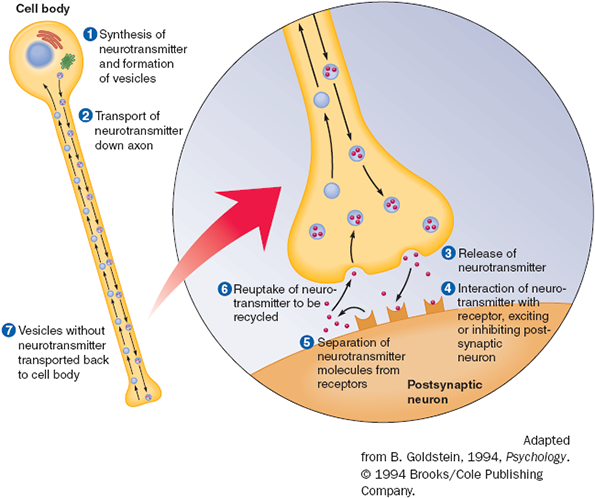
glia (or glial) cells outnumber neurons but weren’t studied as much until recently
different kinds with different roles in neural activity and neurotransmitters
“Major neurotransmitters relevant to psychopathology include norepinephrine (also known as noradrenaline), serotonin, dopamine, gamma-aminobutyric acid (GABA), and glutamate (which is the most common neurotransmitter).”
Two types: excitatory and inhibatory
“Excesses or insufficiencies in some neurotransmitters are associated with different groups of psychological disorders.”
brain can be divided into 2 parts: brain stem and forebrain
brain stem is lower and older in most animals
essential body functions
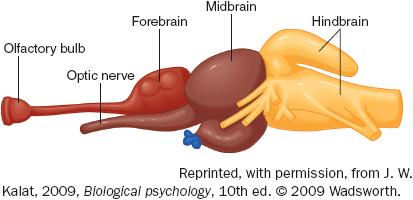

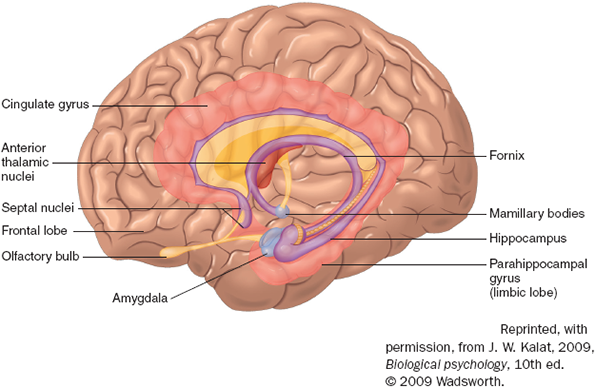

lower part of brain stem (hindbrain): medulla, the pons, and the cerebellum
hindbrain regulates automatic activities (breathing, heartbeat, etc.)
cerebellum: motor coordination
midbrain also in the brain stem
“…coordinates movement with sensory input and contains parts of the reticular activating system, which contributes to processes of arousal and tension, such as whether we are awake or asleep.”
top of the brain stem : thalamus and hypothalamus
regulating behavior and emotion
“These structures function primarily as a relay between the forebrain and the remaining lower areas of the brain stem.”
“At the base of the forebrain, just above the thalamus and hypothalamus, is the limbic system…”
“…includes such structures as the hippocampus (sea horse), cingulate gyrus (girdle), septum (partition), and amygdala (almond), all of which are named for their approximate shapes.”
“…helps regulate our emotional experiences and expressions and, to some extent, our ability to learn and to control our impulses.”
“…also involved with the basic drives of sex, aggression, hunger, and thirst.”
“The basal ganglia, also at the base of the forebrain, include the caudate (tailed) nucleus. Because damage to these structures is involved in changing our posture or twitching or shaking, they are believed to control motor activity.”
“The largest part of the forebrain is the cerebral cortex…”
“…allowing us to look to the future and plan, to reason, and to create.”
divided into two hemispheres that look alike and function r(relatively) independently
“The left hemisphere seems to be chiefly responsible for verbal and other cognitive processes. The right hemisphere seems to be better at perceiving the world around us and creating images.”
“Each hemisphere consists of four separate areas, or lobes: temporal, parietal, occipital, and frontal…”
“…the temporal lobe is associated with recognizing various sights and sounds and with long-term memory storage…”
“the parietal lobe is associated with recognizing various sensations of touch and monitoring body positioning…”
“…the occipital lobe is associated with integrating and making sense of various visual inputs.”
“"…located toward the back (posterior) of the brain…”
“…work together to process sight, touch, hearing, and other signals from our senses.”

Frontal lobe
“The front (or anterior) of the frontal lobe is called the prefrontal cortex…”
“…responsible for higher cognitive functions such as thinking and reasoning, planning for the future, and long-term memory.”
“…synthesizes all information received from other parts of the brain and decides how to respond.”
“The peripheral nervous system coordinates with the brain stem to make sure the body is working properly.”
“Its two major components are the somatic nervous system and the autonomic nervous system.”
“…somatic nervous system controls the muscles…”
“…autonomic nervous system includes the sympathetic nervous system and parasympathetic nervous system. The primary duties of the autonomic nervous system are to regulate the cardiovascular system (for example, the heart and blood vessels) and the endocrine system (for example, the pituitary, adrenal, thyroid, and gonadal glands) and to perform various other functions, including aiding digestion and regulating body temperature.”
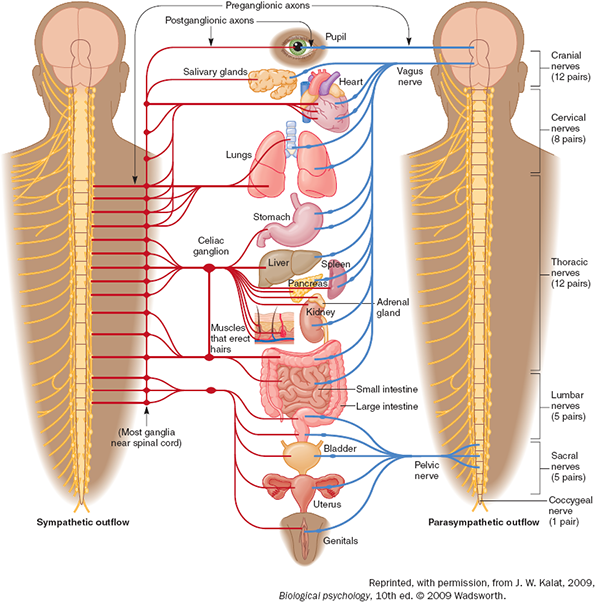
endocrine system
“Each endocrine gland produces its own chemical messenger, called a hormone , and releases it directly into the bloodstream.”
“The adrenal glands produce epinephrine (also called adrenaline) in response to stress, as well as salt-regulating hormones…”
“…the thyroid gland produces thyroxine, which facilitates energy metabolism and growth…”
“…the pituitary is a master gland that produces a variety of regulatory hormones …”
“…the gonadal glands produce sex hormones such as estrogen and testosterone.”
“…closely related to the immune system…”
“…endocrine regulation may play a role in depression, anxiety, schizophrenia, and other disorders (McEwen, 2013). This interdisciplinary area of research is termed psychoneuroendocrinology and is a growing subfield.”
Sympathetic and parasympathetic work together
Sympathetic activates under stress/danger
rapidly activating organs and glands
3 things: “…The heart beats faster, thereby increasing the flow of blood to the muscles; respiration increases, allowing more oxygen to get into the blood and brain; and the adrenal glands are stimulated.”
parasympathetic balances parsympathetic
can’t be on high alert 24/7
parasympathetic normalizes arousal/stress levels
hypothalamus and the endocrine system
“…hypothalamus connects to the adjacent pituitary gland, which is the master or coordinator of the endocrine system. The pituitary gland, in turn, may stimulate the cortical part of the adrenal glands on top of the kidneys.”
“The cortical part of the adrenal glands also produces the stress hormone cortisol. This system is called the hypothalamic–pituitary–adrenocortical axis, or HPA axis…”

“…neurotransmitters in the brain and nervous system that carry messages from one neuron to another…”
“Neurons that are sensitive to one type of neurotransmitter cluster together and form paths from one part of the brain to the other.”
“Changes in neurotransmitter activity may make people more or less likely to exhibit certain kinds of behavior in certain situations without causing the behavior directly. In addition, broad-based disturbances in our functioning are almost always associated with interactions of the various neurotransmitters rather than with alterations in the activity of any one system…”
“Research on neurotransmitter function focuses primarily on what happens when activity levels change. … We can introduce substances…”
“…agonists that effectively increase the activity of a neurotransmitter by mimicking its effects; …”
“…substances called antagonists that decrease, or block, a neurotransmitter;…”
“… or substances called inverse agonists that produce effects opposite to those produced by the neurotransmitter.”
“By systematically manipulating the production of a neurotransmitter in different parts of the brain, scientists are able to learn more about its effects.”
“Most drugs could be classified as either agonistic or antagonistic, although they may achieve these results in a variety of ways.”
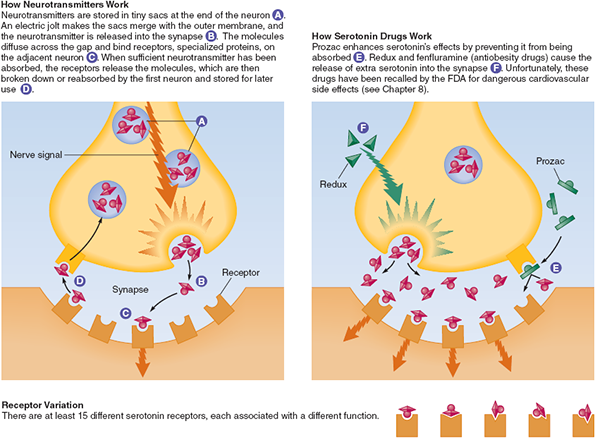
“After a neurotransmitter is released, it is quickly broken down and brought back from the synaptic cleft into the same neuron that released it. This process is called reuptake.”
“Sometimes, psychological problems are associated with too much of a particular neurotransmitter in the synaptic gap, sometimes with too little. Some drugs work by blocking the reuptake process, thereby causing continued stimulation along the brain circuit; other drugs work by stimulating or blocking the release of a neurotransmitter into the synaptic gap or by blocking the receptor of a neurotransmitter.”
“Two types of neurotransmitters, monoamines and amino acids, have been most studied in regard to psychopathology.”
“Neurotransmitters in the monoamine class include norepinephrine (also known as noradrenaline), serotonin, and dopamine.”
“Amino-acid neurotransmitters include gamma-aminobutyric acid (GABA) and glutamate.”
gamma-aminobutyric acid (GABA) and glutamate (chemical brothers)
“…glutamate , is an excitatory transmitter that “turns on” many different neurons, leading to action.”
“…gamma-aminobutyric acid , or GABA for short, which is an inhibitory neurotransmitter…”
“…inhibit (or regulate) the transmission of information and action potentials.”
fast acting
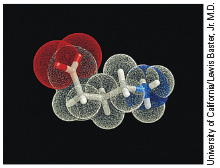
“…GABA often reduces postsynaptic activity, which, in turn, inhibits a variety of behaviors and emotions.”
“…the benzodiazepines, or minor tranquilizers, makes it easier for GABA molecules to attach themselves to the receptors of specialized neurons. Thus, the higher the level of benzodiazepine, the more GABA becomes attached to neuron receptors, and the calmer we become (to a point).”
“GABA seems to reduce overall arousal somewhat and to temper our emotional responses. For example, in addition to reducing anxiety, minor tranquilizers have an anticonvulsant effect, relaxing muscle groups that may be subject to spasms.”
“…the GABA system seems to reduce levels of anger, hostility, aggression, and perhaps even positive emotional states such as eager anticipation and pleasure, making GABA a generalized inhibiting neurotransmitter…”
Serotonin
monoamine neurotransmitters
“Approximately six major circuits of serotonin spread from the midbrain, looping around its various parts…”
“…serotonin is believed to influence a great deal of our behavior, particularly the way we process information…”
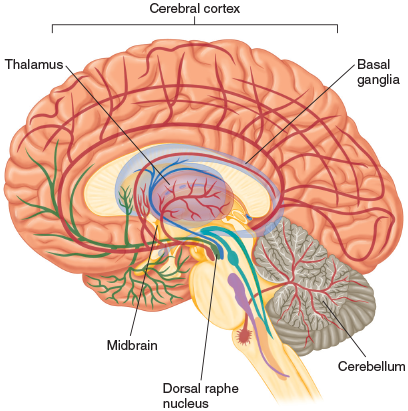
“Extremely low activity levels of serotonin are associated with less inhibition and with instability, impulsivity, and the tendency to overreact to situations.”
“Low serotonin activity has been associated with aggression, suicide, impulsive overeating, and excessive sexual behavior (…). These behaviors do not necessarily happen if serotonin activity is low, however.”
“Other currents in the brain, or other psychological or social influences, may well compensate for low serotonin activity. Therefore, low serotonin activity may make us more vulnerable to certain problematic behavior without directly causing it…”
selective-serotonin reuptake inhibitors (SSRIs)
“SSRIs are used to treat a number of psychological disorders, particularly anxiety, mood, and eating disorders.”
other drugs and OTC


Norepinephrine
also known as noradrenaline

“Norepinephrine seems to stimulate at least two groups (and probably several more) of receptors called alpha-adrenergic and beta-adrenergic receptors.”
“…beta-blockers … block the beta-receptors so that their response to a surge of norepinephrine is reduced, which keeps blood pressure and heart rate down.”
“In the central nervous system, a number of norepinephrine circuits have been identified.”
“One major circuit begins in the hindbrain, an area that controls basic bodily functions such as respiration.”
“Another circuit appears to influence the emergency reactions or alarm responses (…) that occur when we suddenly find ourselves in a dangerous situation…”
“More likely, however, is that this system, with all its varying circuits coursing through the brain, acts in a more general way to regulate or modulate certain behavioral tendencies and is not directly involved in specific patterns of behavior or in psychological disorders.”

Dopamine
associated with schizophrenia, addiction, adhd, and depression

“…best described as a switch that turns on various brain circuits possibly associated with certain types of behavior.”
“…other neurotransmitters may then inhibit or facilitate emotions or behavior…”
dopamine and serotonin similar
“…dopamine activity is associated with exploratory, outgoing, pleasure-seeking behaviors (…), and serotonin is associated with inhibition and constraint; thus, in a sense they balance each other…”
“…discovered at least five different receptor sites that are selectively sensitive to dopamine…”
“One of the systems that dopamine switches on is the locomotor system, which regulates ability to move in a coordinated way and, once turned on, is influenced by serotonin activity.”
“Psychological disorders typically mix emotional, behavioral, and cognitive symptoms, so identifiable lesions (or damage) localized in specific structures of the brain do not, for the most part, cause the disorders.”
“…psychopathologists have been focusing lately on the more general role of brain function in the development of personality, with the goal of considering how different types of biologically driven personalities might be more vulnerable to developing certain types of psychological disorders.”
has been specifically used for OCD
“…patients with OCD have increased activity in the part of the frontal lobe of the cerebral cortex called the orbital surface (Chamberlain et al., 2008; Harrison et al., 2013). Increased activity is also present in the cingulate gyrus and, to a lesser extent, in the caudate nucleus, a circuit that extends from the orbital section of the frontal area of the cortex to parts of the thalamus. Activity in these areas seems to be correlated; that is, if one area is active, the other areas are also. These areas contain several pathways of neurotransmitters, and one of the most concentrated is serotonin.”
proceed with caution. people with similar damage and/or brain activity may react differently and/or have different disorders
“Also, brain-imaging studies are often inconsistent with one another on many important details.”
brains may differ in structure
“It is also important to note that today, neuroscientists focus much more on the connectivity between certain brain areas (the brain circuitry) than the activity of any particular brain region that might be associated with a specific mental disorder…”
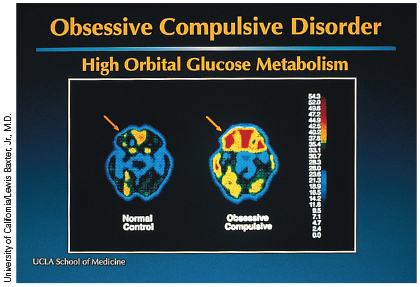
“Directing a treatment at one or the other of these theoretical causes of the disorder and then observing whether the patient gets better will prove or disprove the accuracy of the theory.”
“This common strategy has one overriding weakness. Successfully treating a patient’s particular feverish state or toothache with aspirin does not mean the fever or toothache was caused by an aspirin deficiency because an effect does not imply a cause.”
“So the reasons that a problem develops in the first place (the initiating factors) are not necessarily the same as the reasons that her problem still persists (the maintaining factors).”
“…it is typically more important to know and target the maintaining factors than the initiating factors…”
“Neurosurgery to correct severe psychopathology (sometimes called psychosurgery) is an option still chosen today on occasion, particularly in the case of OCD when the suffering is severe and other treatments have failed…”
surgery is last option
prefer less intrusive treatments
Therapy techniques can alter brain
“…brain circuit had been changed (normalized) by a psychological intervention. The same team of investigators then replicated the experiment with a different group of patients and found the same changes in brain function…”
“A review of the evidence suggests that, depending on the disorder, psychotherapy results in either a normalization of abnormal patterns of activity, the recruitment of additional areas, which did not show altered activation prior to treatment, or both. One study showed that as little as two hours of intense exposure-based therapy for specific phobia changed brain function dramatically, and these effects persisted six months later…”
placebo effect: “…behavioral and emotional changes in patients, presumably as a result of psychological factors such as increasing hope and expectations or conditioning effects…”
placebos have been shown to change brain function in some cases
different treatment options alter brain functions in different ways
“…CBT facilitated changes in thinking patterns in the cortex that, in turn, affected the emotional brain. Sometimes this is called a “top down” change because it originates in the cortex and works its way down into the lower brain. Drugs, on the other hand, often seem to work more in a “bottom up” manner, reaching higher areas of the cortex (where thinking occurs) last.”
how you grow up with or w/o a sense of control → how you react to anxiety (or other neurotransmitters)
“…psychosocial influences directly affect the functioning and perhaps even the structure of the central nervous system. Scientists have observed that psychosocial factors routinely change the activity levels of many of our neurotransmitter systems…”
“…naturally occurring neurotransmitters have different effects depending on the previous psychosocial experience of the organism. Furthermore, this experience directly affects the structure of neurons at the synapse by altering the sensitivity of serotonin receptors.”
“It also seems that the structure of neurons themselves, including the number of receptors on a cell, can be changed by learning and experience during development (…) and that these effects on the central nervous system continue throughout our lives…”
nervous system develops differently based on environment raised in
“…active rats had many more connections between nerve cells in the cerebellum and grew many more dendrites.”
“…we can conclude that early psychological experience affects the development of the nervous system and thus determines vulnerability to psychological disorders later in life. It seems that the very structure of the nervous system is constantly changing as a result of learning and experience, even into old age, and that some of these changes become permanent.”
2-3i
“The influence of the microbiome of the gut on psychological well-being is sometimes referred to as the psychobiome. There has been a lot of circumstantial evidence:…”
“… many people with irritable bowel syndrome and those frequently taking antibiotics (leading to an imbalance of gut bacteria) often experience depression…”
“…autism spectrum disorder is often associated with digestive problems, …”
“…constipation is a common problem among people with Parkinson’s disease…”
“Healthy gut bacteria are essential for the immune system, and it is possible that the wrong combination of gut bacteria can produce inflammation, which in turn could play a key role in many psychiatric and neurological disorders.”
“Many of the neurotransmitters discussed earlier are closely linked to some gut bacteria. Microbiota influence some cells in the lining of the gut that then release neurotransmitters, which travel to the brain. This is consistent with recent data that suggest that the gut microbiome mediates and coordinates the effects of genetics on emotional health…”
Movement, breathing, and sleeping depend on the ancient part of the brain, which is present in most animals.
brain stem
Which neurotransmitter binds to neuron receptor sites, inhibiting postsynaptic activity and reducing overall arousal?
GABA
Which neurotransmitter is a switch that turns on various brain circuits?
dopamine
Which neurotransmitter seems to be involved in our emergency reactions or alarm responses?
norepinephrine
This area contains part of the reticular activating system and coordinates movement with sensory output.
midbrain
Which neurotransmitter is believed to influence the way we process information, as well as to moderate or inhibit our behavior?
serotonin
More than 80% of the neurons in the human central nervous system are contained in this part of the brain, which gives us distinct qualities.
cerebral cortex
This area is responsible for most of our memory, thinking, and reasoning capabilities and makes us social animals.
frontal lobe
2-4: Behavioral and Cognitive Science
2-4a: Conditioning and Cognitive Processes
“…a variety of judgments and cognitive processes combine to determine the final outcome of this learning, even in lower animals such as rats.”
inconsistent pairing leads to different learning
Robert Rescorla

2-4b: Learned Helplessness
learning that you can prevent bad things vs. learning that bad happens regardless of behavior
second one → helpless
Seligman
“People become depressed if they “decide” or “think” they can do little about the stress in their lives, even if it seems to others that there is something they could do. People make an attribution that they have no control, and they become depressed…”
“Seligman later turned his attention to a different set of attributions, which he termed learned optimism (Seligman, 1998, 2002). In other words, if people faced with considerable stress and difficulty in their lives nevertheless display an optimistic, upbeat attitude, they are likely to function better psychologically and physically.”
live longer? healthier
“…positive psychology, in which investigators explore factors that account for positive attitudes and happiness….”
2-4c: Social Learning
“…Albert Bandura (1973, 1986), observed that organisms do not have to experience certain events in their environment to learn effectively. Rather, they can learn just as much by observing what happens to someone else in a given situation.”
“The basic idea in all Bandura’s work is that a careful analysis of cognitive processes may well produce the most accurate scientific predictions of behavior. Concepts of probability learning, information processing, and attention have become increasingly important in psychopathology…”
2-4d: Prepared Learning
ancestors learned to be afraid of snakes (example) and passed that down to us. so we are more likely to be afraid even without experiences
differences in gender
hunters vs. gatherers
Social norms
quick learning with food → poison
slower with food → shock
2-4e:Cognitive Science and the Unconscious
“…our unconscious is not necessarily the seething caldron of primitive emotional conflicts envisioned by Freud. Rather, we simply seem able to process and store information and to act on it without having the slightest awareness of what the information is or why we are acting on it…”
blind sight or unconscious vision
blind person knew where things were?
“…a physician raised his hand to the left of the patient who, much to the shock of his doctors, reached out and touched it. Subsequently, scientists determined that he could not only reach accurately for objects but could also distinguish among objects and perform most of the functions usually associated with sight. Yet when asked about his abilities, he would say, “I couldn’t see anything, not a darn thing,” and that all he was doing was guessing.”
similar in people that have been hypnotized
related to dissociation
“Implicit memory is apparent when someone clearly acts on the basis of things that have happened in the past but can’t remember the events. (A conscious memory for events is called explicit memory.)”
“The black box refers to unobservable feelings and cognitions inferred from an individual’s self-report or behaviors.”
Stroop task can be used to cover unconscious fears/bias

“…findings support Freud’s theories about the unconscious, up to a point.”
2-5: Emotions
fear is a natural evolutionary emotion
flight or fight response

2-5a: The Physiology and Purpose of Fear
“Fear activates your cardiovascular system. Your blood vessels constrict, thereby raising arterial pressure and decreasing the blood flow to your extremities (fingers and toes). Excess blood is redirected to the skeletal muscles, where it is available to the vital organs that may be needed in an emergency. As a result, some people “tremble with fear” or have their hair stand on end, which is a result of shivering and piloerection (in which body hairs stand erect), reactions that conserve heat when your blood vessels are constricted.”
“…hot-and-cold spells ….. Breathing becomes faster and, usually, deeper … Increased blood circulation carries oxygen to the brain, stimulating cognitive processes and sensory functions, which make you more alert and able to think more quickly during emergencies. An increased amount of glucose (sugar) is released from the liver into the bloodstream, …. Pupils dilate, …. Hearing becomes more acute, and digestive activity is suspended, resulting in a reduced flow of saliva (the “dry mouth” of fear). In the short term, voiding the body of all waste material and eliminating digestive processes further prepare the organism for concentrated action and activity, so there is often pressure to urinate and defecate and, occasionally, to vomit.”
2-5b: Emotional Phenomena
“To define “emotion” is difficult, but most theorists agree that it is linked to an action tendency…; that is, a tendency to behave in a certain way (for example, escape), elicited by an external event (a threat) and a feeling state (terror) and accompanied by a (possibly) characteristic physiological response…”
motivate us to do behavior
emotions: temporary ; mood: long term
mood disorders: enduring or recurring moods
“…affect , which often refers to the valence dimension (that is, pleasant or positive versus unpleasant or negative) of an emotion.”
dimensions: valence, arousal, time, affect?
“…the term affective style is sometimes used to summarize commonalities among emotional states characteristic of an individual. Thus, someone who tends to be fearful, anxious, and depressed has a negative affective style, whereas sometimes with a positive affective style would subsume, or include, tendencies to be generally pleasant, joyful, excited, and so on.”
2-5c: The Components of Emotion
“Emotion scientists now agree that emotion is composed of three related components—behavior, physiology, and cognition…”
“These scientists also emphasize that emotion is a way of communicating between one member of the species and another.”
different scientist study different components

2-5d: Anger and Your Heart
anger, and suppressing anger, can lead to higher risks of heart problems
correlation =/= causation
2-5e: Emotions and Psychopathology
“…suppressing almost any kind of emotional response, such as anger or fear, increases sympathetic nervous system activity, which may contribute to psychopathology…”
mood disorders associated with emotions or moods in excess or at the wrong time
“Emotions and mood also affect our cognitive processes: If your mood is positive, then your associations, interpretations, and impressions also tend to be positive…”
Practice/review
Dalia noticed that every time Tyrone behaved well at lunch, the teacher praised him. Dalia decided to behave better to receive praise herself.
modeling
Tyler stopped trying to please his father because he never knows whether his father will be proud or outraged.
learned helplessness
Piper fell into a lake as a baby and almost drowned. Even though Piper has no recollection of the event, they hate to be around large bodies of water.
implicit memory
Juanita was scared to death of the tarantula, even though she knew it wasn’t likely to hurt her.
prepared learning
2-6: Cultural, Social, and Interpersonal Factors
2-6a: Voodoo, the Evil Eye, and Other Fears
“In many cultures around the world, individuals may suffer from culturally shaped fright disorders, which are characterized by exaggerated startle responses and other observable fear and anxiety reactions.”
thought to be caused by evil/dark magic
“…children, who lived in a society emphasizing individuality and autonomy, had fewer fears than … children, who grew up in a strongly paternalistic society in which the group and family were central and who were taught to be cautious about the rest of the world.”
2-6b:Gender
“The likelihood of your having a particular phobia is powerfully influenced by your gender.”
“these differences have to do with cultural expectations of men and women, or the culture-specific gender roles.”
women allowed to express fear of bugs → phobia
men drink to repress anxiety → alcoholism
“It even seems that men and women may respond differently to the same standardized psychological treatment.”
“…women maintained their gains significantly better during a follow-up period. The authors suggest that the well-established ability of women to recall emotional memories somewhat better than men may facilitate emotional processing and long-term treatment gains.”
2-6c: Social Effects on Health and Behavior
better social life = better health (with other factors considered)
people and pets
perception: “Interestingly, it is not just the absolute number of social contacts that is important. It is the actual perception of loneliness.”
something to live for
environment
city and schizophrenia
especially in elderly
“If these individuals became physically ill, however, they had more substantial support from their families than those who were not physically ill. This finding raises the unfortunate idea that it may be advantageous for older people to become physically ill because illness allows them to reestablish the social support that makes life worth living.”
social stigma = bad
2-6d: Global Incidence of Psychological Disorders
not enough psychiatrists in poor countries
treatments can’t be administered
even where there enough available, not everyone who needs it sees them
2-7: Life-Span Development
“…we tend to have a cognitive bias called “the end of history” illusion that makes us think that we will change very little in the years to come.”
“To understand psychopathology, we must appreciate how experiences during different periods of development may influence our vulnerability to other types of stress or to differing psychological disorders…”
“Erik Erikson (1982) suggested that we go through eight major crises during our lives, each determined by our biological maturation and the social demands made at particular times. Unlike Freud, who envisioned no developmental stages beyond adolescence, Erikson believed that we grow and change beyond the age of 65.”
interaction of age with environmental effects on behavior
enriched environments (even prenatal) can slow/delay various diseases
age also impacts how people react to various treatments
The Principle of Equifinality
“Like a fever, a particular behavior or disorder may have a number of causes. The principle of equifinality is used in developmental psychopathology to indicate that we must consider a number of paths to a given outcome.”
consider all factors: psychological , biological, injury/brain trauma, social experiences, pathology
2-8: Conclusion
What we ___ is strongly influenced by our social environments.
fear
The likelihood of your having a particular phobia is powerfully influenced by your ___.
gender
A large number of studies have demonstrated that the greater the number and frequency of ___, the longer you are likely to live.
social relationships and contacts
The effect of social and interpersonal factors on the expression of physical and psychological disorders may differ with ___.
age
The principle of ___ is used in developmental psychopathology to indicate that we must consider a number of paths to a given outcome.
equifinality
2-9: Summary
One-Dimensional versus Multidimensional Models
The causes of abnormal behavior are complex and fascinating. Psychological disorders are caused by a complex interplay of nature (biology) and nurture (psychosocial factors).
To identify the causes of a psychological disorder in a given person, we must consider the interaction of all relevant dimensions: genetic contributions, the role of the nervous system, behavioral and cognitive processes, emotional influences, social and interpersonal influences, and developmental factors. Thus, we have arrived at a multidimensional integrative approach to the causes of psychological disorders.
Genetic Contributions to Psychopathology
The genetic influence on much of our development and most of our behavior, personality, and even IQ score is polygenic—that is, influenced by many genes. This is assumed to be the case in abnormal behavior as well, although research is beginning to identify specific small groups of genes that relate to some major psychological disorders.
In studying causal relationships in psychopathology, researchers look at the interactions of genetic and environmental effects. In the diathesis–stress model, individuals are assumed to inherit certain vulnerabilities that make them susceptible to a disorder when the right kind of stressor comes along. In the gene–environment correlation or reciprocal gene–environment model, the individual’s genetic vulnerability toward a certain disorder may make it more likely that the person will experience the stressor that, in turn, triggers the genetic vulnerability and thus the disorder. In epigenetics, the immediate effects of the environment (such as early stressful experiences) influence cells that turn certain genes on or off. This effect may be passed down through several generations.
Neuroscience and Its Contributions to Psychopathology
Brain science and the field of neuroscience promise much as we try to unravel the mysteries of psychopathology. Within the nervous system, levels of neurotransmitter and neuroendocrine activity interact in complex ways to modulate and regulate emotions and behavior and contribute to psychological disorders.
Critical to our understanding of psychopathology are the neurotransmitter currents called brain circuits. Of the neurotransmitters that may play a key role, we investigated five: serotonin, gamma-aminobutyric acid (GABA), glutamate, norepinephrine, and dopamine.
Behavioral and Cognitive Science
The relatively new field of cognitive science provides a valuable perspective on how behavioral and cognitive influences affect the learning and adaptation each of us experience throughout life. Clearly, such influences not only contribute to psychological disorders but also may directly modify brain functioning, brain structure, and even genetic expression. We examined some research in this field by looking at learned helplessness, modeling, prepared learning, and implicit memory.
Emotions
Emotions have a direct and dramatic impact on our functioning and play a central role in many mental disorders. Mood, a persistent period of emotionality, is often evident in psychological disorders.
Cultural, Social, and Interpersonal Factors
Social and interpersonal influences profoundly affect both psychological disorders and biology.
Life-Span Development
In considering a multidimensional integrative approach to psychopathology, it is important to remember the principle of equifinality, which reminds us that we must consider the various paths to a particular outcome, not just the result.
Practice
neurotransmitter that reduces activity across the synapse, inhibiting a range of behaviors and emotions
gamma-aminobutyric acid (GABA)
neurotransmitter involved in processing of information, coordination of movement, inhibition, and restraint; it also assists in the regulation of eating, sexual, and aggressive behaviours, all of which may be involved in different psychological disorders
serotonin
neurotransmitter that is active in the central and peripheral nervous systems controlling heart rate, blood pressure, and respiration, among other functions
norepinephrine
neurotransmitter whose generalized function is to activate other neurotransmitters and to aid in exploratory and pleasure-seeking behaviours
dopamine
approach to the study of psychopathology that holds that psychological disorders are always the products of multiple interacting causal factors
multidimensional integrative approach
hypothesis that both an inherited tendency (a vulnerability) and specific stressful conditions are required to produce a disorder
diathesis–stress model
susceptibility or tendency to develop a disorder
vulnerability
hypothesis that people with a genetic predisposition for a disorder may also have a genetic tendency to create environmental risk factors that promote the disorder
gene-environment correlation model
study of factors other than inherited DNA sequence, such as new learning or stress, that alter the phenotypic expression of gene
epigenetics
study of the nervous system and its role in behavior, thoughts, and emotions
neuroscience
collection of neural pathways in the central nervous system
brain circuits
space between nerve cells where chemical carriers act to move impulses from one neuron to the next
synaptic cleft
chemical messenger produced by the endocrine glands
hormone
a chemical that crosses the synaptic cleft between nerve cells to transmit impulses from one neuron to the next
neurotransmitter
chemical substance that effectively increases the activity of a neurotransmitter by imitating its effects
agonist
chemical substance that decreases or blocks the effects of a neurotransmitter
antagonist
chemical substance that produces effects opposite those of a particular neurotransmitter
inverse agonist
action by which a neurotransmitter is quickly drawn back into the discharging neuron after being released into a synaptic cleft
reuptake
amino acid neurotransmitter that excites many different neurons, leading to action
glutamate
condition in which a person begins to believe that he or she has no control over his or her life
learned helplessness
learning through observation and imitation of the behaviour of other individuals and the consequences of that behaviour
modeling
certain associations can be learned more readily than others because this ability has been adaptive for evolution
prepared learning
condition of memory in which a person cannot recall past events even though he or she acts in response to them
implicit memory
biological reaction to alarming stressors that musters the body’s resources (e.g., blood flow, respiration) to resist or flee the threat
flight or fight response
pattern of action elicited by an external event and a feeling state, accompanied by a characteristic physiological response
emotion
enduring period of emotionality
mood
conscious, subjective aspect of an emotion that accompanies an action at a given time
affect
developmental psychopathology principle that a behavior or disorder may have several causes
equifinality
field of study that examines how humans and other animals acquire, process, store, and retrieve information
cognitive science
group of treatment procedures aimed at identifying and modifying faulty thought processes, attitudes and attributions, and problem behaviours
CBT
causing excitation; activating
excitatory
long deoxyribonucleic acid (DNA) molecules, the basic physical units of heredity, that appear as locations on chromosomes
Genes
cognitive processes of the unconscious that are difficult to measure because people cannot verbalize them, as they are not even aware of them
implicit cognition
causing inhibition; suppressing
inhibitory
type of learning that does not require direct experience; rather, an organism can learn by observing what happens to another organism and later imitating the other organism’s behaviour
observational learning
Which lobe is responsible for synthesizing information received from the rest of the brain and deciding how to respond?
frontal
Individuals with physical disorders are often treated with compassion, while those with psychological disorders may be treated with scorn. This reaction is because psychological disorders tend be which of the following?
stigmatized
What are the substances that are released from the axon of one neuron and carry a message to an adjacent neuron called?
Neurotransmitters
Women are more likely than men to respond to stress by engaging in which of the following?
Tending and befriending
Which of the following terms is the best representation of the word diathesis?
Vulnerability
In their study of the effects of placebos, Petrovic, Kalso, Petersson, and Ingvar (2002) found placebos that research participants believed would decrease pain; these placebos activated areas of the brain that overlapped with, but were not identical to, those activated by opioids. What do these findings indicate?
Psychosocial factors can affect brain function.
Lazarus proposed that the emotion we experience in a situation is determined by which of the following?
????
Bandura demonstrated that people could learn by observing what happens to others through what process?
Modeling
Erik Erikson proposed that development can be characterized by which of the following?
It continues throughout the lifespan.
Which of the following is an example of a biological influence on the development of a pathological fear of the sight of blood?
An increase in heart rate and blood pressure
Which brain system is involved in regulation of emotional experience and expression, impulse control, and basic drives like the sex drive and aggression?
The limbic system
Lex has faced some significant challenges in life and managed to overcome them. Thanks to those experiences, Lex faces subsequent challenges with a confident, upbeat attitude. How would Seligman characterize Lex's attitude?
Learned optimism
Which neurotransmitter appears to be able to reduce anxiety?
Gamma-aminobutyric acid (GABA)
Rodolfo is a Latino who has recently had a bout of susto. He has had anxiety-like symptoms, including insomnia, irritability, and irrational fears. Which of the following would be an appropriate cultural explanation for the cause of the susto?
Rodolfo believes that he has become the object of black magic.
Which approach to studying psychopathology suggests that the simultaneous effect of several different factors—biological, behavioral, emotional, social, and developmental influences—combine to create a psychological disorder?
Integrative
Which principle refers to the observation that several paths lead to the same outcome?
Equifinality
What is a person's complete set of genes called?
Their genome
Emotions differ from moods in terms of which of the following?
Their temporal duration
The endocrine system appears to play a role in which types of disorders?
Both physical and psychological disorders
Which amino acid neurotransmitter acts in an excitatory manner?
Glutamate
Notes from the module
No theory in isolation is effective
integrative approach
Models
Categorical
distinguish qualitatively between people w and w/o disorder
Dimensional
quantitative gradient
what is a dimension? debated definitions
One-dimensional
Attributes behavior to a single cause
Explain behavior in terms of a single type of cause
Could mean a paradigm, school, or conceptual approach
Tend to ignore information from other areas
Example: Explaining a disorder as the result of family history alone
Multidimensional models (Multidimensional integrative approach)
Multiple factors contribute to a single cause
Interdisciplinary, eclectic, and integrative system
Abnormal behavior results from multiple influences
Biological
Behavioral
Emotional
Social & cultural
Developmental
Environmental
Biological Approach
Genes
Deoxyribonucleic acid (DNA) 46 chromosomes in 23 pairs
Dominant vs. recessive genes
Determine parts of physical and mental characteristics
Phenotype vs. genotype
Phenotype: The outward appearance of an organism
Genotype: An organism’s specific genes
Diathesis: A vulnerability to a disorder
Epigenetics: Focuses on changes in gene expression
Development and behavior is almost always polygenetic
Rare exceptions: single-gene determinants like Huntington’s disease
Generally speaking, genes account for less than 50% of variations in psychopathology
Adverse life events can overpower the influence of genes
If only one identical twin experiences a traumatic life event, the twins’ psychological characteristics may be more discrepant later
Research suggests that genetic contributions should not be considered without also considering the environment
Genes x Environment
interaction
The genetic structure of cells actually changes as a result of learning experiences
Diathesis-stress model (genes activated under stress): Disorders are the result of underlying risk factors combining with life stressors that cause a disorder to emerge
Reciprocal gene-environment model
Outcomes are a result of interactions between genetic vulnerabilities and experience
Genetics may make people more likely to seek out certain environments
Epigenetics
Environmental influences affect the expression of certain genes both for the individual and descendants
Genes x Environment x Behavior
genetics ← influence → behavior
environment influence → behavior influence → genetics
Neuroscience
psychopathology through Nervous System
neurotransmitters
Chemical messengers that transmit messages between neurons
Main neurotransmitters
Serotonin (5-HT)
Glutamate
Gamma aminobutyric acid (GABA)
Norepinephrine
Dopamine
normal neuron functions
The role of the nervous system in disease and behavior
Key systems and structures outlines in following images (see textbook notes)
The central and peripheral nervous systems
The neuron
The brain and its structures
The endocrine system
Key terms
Temporal lobe: Associated with recognizing various sights and sounds and with long-term memory storage
Occipital lobe: Associated with integrating and making sense of various visual inputs
Serotonin system: Regulates our behavior, moods, and thought processes
Norepinephrine system: Influences the emergency reactions or alarm responses
Dopamine system: Implicated in the pathophysiology of schizophrenia and substance use disorders
Psychosocial influences on the brain
Neurological activity may change as a result of psychotherapy > suggests that psychosocial influences affect brain function
Placebos may also change brain function
Psychotherapy
Stress and early development
Interactions of psychosocial factors with brain structure and function
Developmental disorders
Environment and brain structures
Behavior, Cognition, and Emotion
Behavioral studies
associative and non associative learning
learning: memory formation and exposures to experience
Emotions ← → Neurons
The nature of emotion
To elicit or evoke action
Action tendency different from affect and mood
Components of emotion
Behavior, physiology, and cognition
Classical conditioning
Early research on classical conditioning: Simple associations are learned between two things that tend to occur together
Later research indicated that higher-order cognitive processes sometimes play a role
Operant conditioning
Learn to repeat behaviors followed by desirable consequences and decrease behaviors followed by undesirable consequences
Learned helplessness
Observational learning (modeling)
Prepared learning
Cognitive Science and the Unconscious
There may be a dissociation between behavior and consciousness
Implicit memory
Acting on the basis of experiences that are not recalled
Blind sight
Some people who are blind can still sense objects that would be in their visual field even if they do not experience sight
Some experimental tests reveal implicit processing
Psychology
Psychology may be defined as the scientific
study of how a person thinks (cognition), feels
(emotion), and behaves (behavior).
Psychopathology
Neuropathology, symptomology, diagnosis,
treatment of cognitive, emotional, and
behavioral dysfunctions
Sociocultural, Interpersonal, and Lifespan Developmental Factors
Factors don’t operate in isolation
Historical Conceptions
Cultural Factors
Influence behavioral expression
Sex Effects
Sex-dependent effects in emotional experience and expression
Men and women may differ in emotional experience and expression
May be related to gender roles: Certain ways of coping with emotion are more acceptable for men or women
Effect of Social Support
Greater social support, better outcomes
Low social support related to mortality, disease, and psychopathology
Frequency and quality important
Social support especially important in the elderly
Psychopathology is culturally, socially, and interpersonally situated
Social Stigma
Barriers to seeking treatment and treatment adherence
May limit the degree to which people express mental health problems
May discourage treatment seeking
Stress, Developmental Periods, Psychosocial Factors
Normative neurodevelopment may increase vulnerability,
especially in the presence of stressful stimuli and
unsupportive environments
Mental health accounts for 13% of world disease burden
Mental health care very limited in developing countries
Sub-Saharan Africa: only one psychiatrist per two million people
Even in the U.S., only one in three people with a mental disorder has received any treatment