Working with wood
Wood work is quite a skill, a skill that for some are more or less impossible to master.
It takes more than just tools and time. Good woodwork starts with patience, and it grows with every mistake you learn from. You can’t just read a book or watch a video and know how to do it. You have to feel it in your hands. Real woodworking is about learning how the wood moves, how it sounds when it’s right, and how it feels when something is off. Some people try and give up quickly, because the first few things they make don’t turn out like they hoped. But those who stick with it begin to see the magic in it.
Different kinds of wood behave in different ways. Pine is soft and easy to cut, but it dents quickly. Oak is strong and heavy, but your tools have to be sharp and steady. Walnut has a deep color that people love, but it’s harder to shape. A real woodworker learns to choose the right type for the job, and to respect the way each one acts. Wood isn’t like metal or plastic. It’s alive, even after it’s cut. It soaks up air and moisture. It can shrink in winter and swell in summer. If you don’t know how to handle it, it can ruin your work. This is why it’s often a great material for furniture.
Read more about wooden furniture
That’s why so many people admire handmade wooden furniture. A table made by a carpenter isn’t just about putting boards together. It’s about balance, weight, detail, and feel. It takes hours to plan, cut, sand, glue, and finish. Every line matters. Every corner has a reason. Even the smallest part—like how the legs connect, or how the top edge is rounded—comes from careful thought. Nothing is random. That’s what makes it beautiful.
Some people say woodworking is old-fashioned. They see machines that can make a chair in minutes and think the future has no room for slow, careful work. But that’s not true. In fact, as the world gets faster and more digital, people often look back to things made by hand. They want something real. Something solid. Something that feels like it was made with care—not just printed or pushed through a machine.
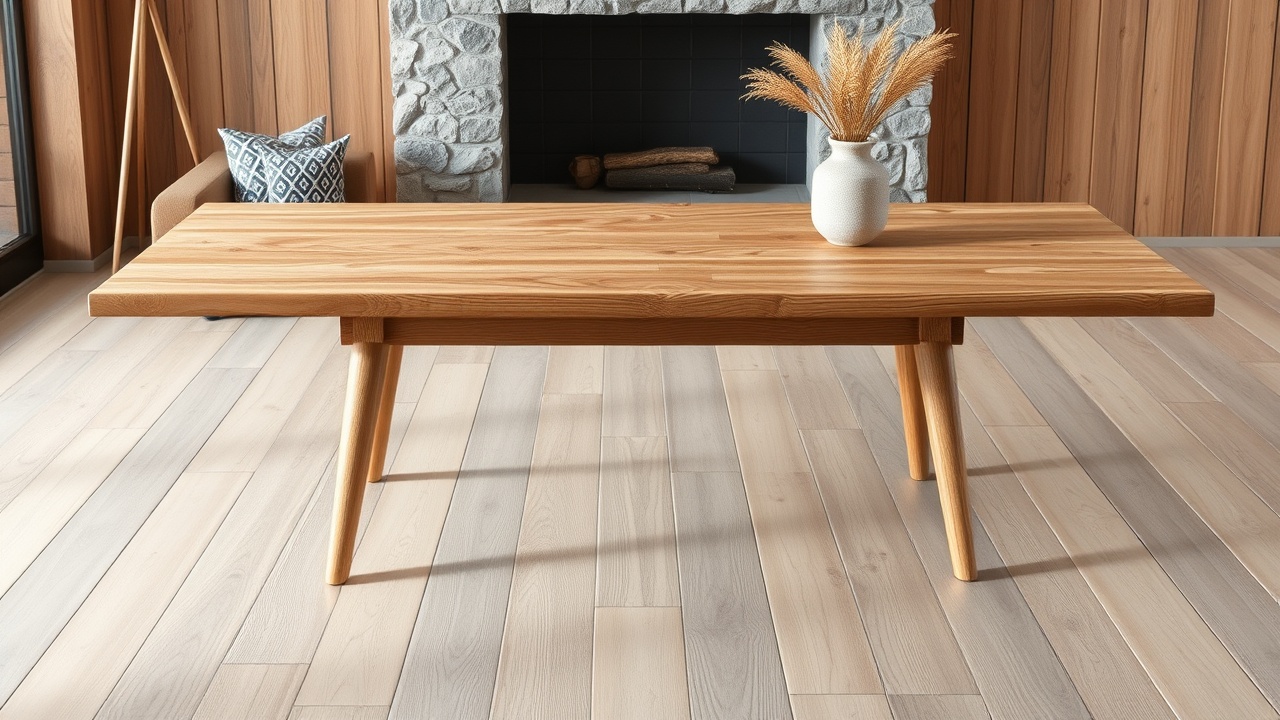
And woodworking offers that. Not just a product, but a story. You can see it in the grain of the wood. You can feel it in the weight of the table. You can imagine the person who made it—choosing the wood, sanding the edges, wiping on the oil by hand. That kind of work can’t be replaced by plastic or speed. It takes heart, and it shows.
Learning woodworking is also a way to connect to something deeper. You're not just building furniture—you're building confidence. The first time you use a saw right, or the first time a drawer slides perfectly into place, you feel something shift. You believe more in yourself. You understand more about how things are made. And when someone uses what you built—a friend sitting in a chair you made, or a family eating dinner at your table—that's a feeling no machine can copy.
In the end, working with wood is not only about making things. It's about learning patience, focus, and pride. It teaches you to pay attention, to take your time, and to care about the small things. It's not for everyone—but for those who love it, it's a way of life.