Wooden Plank Tables - Natural Beauty in Interior Design
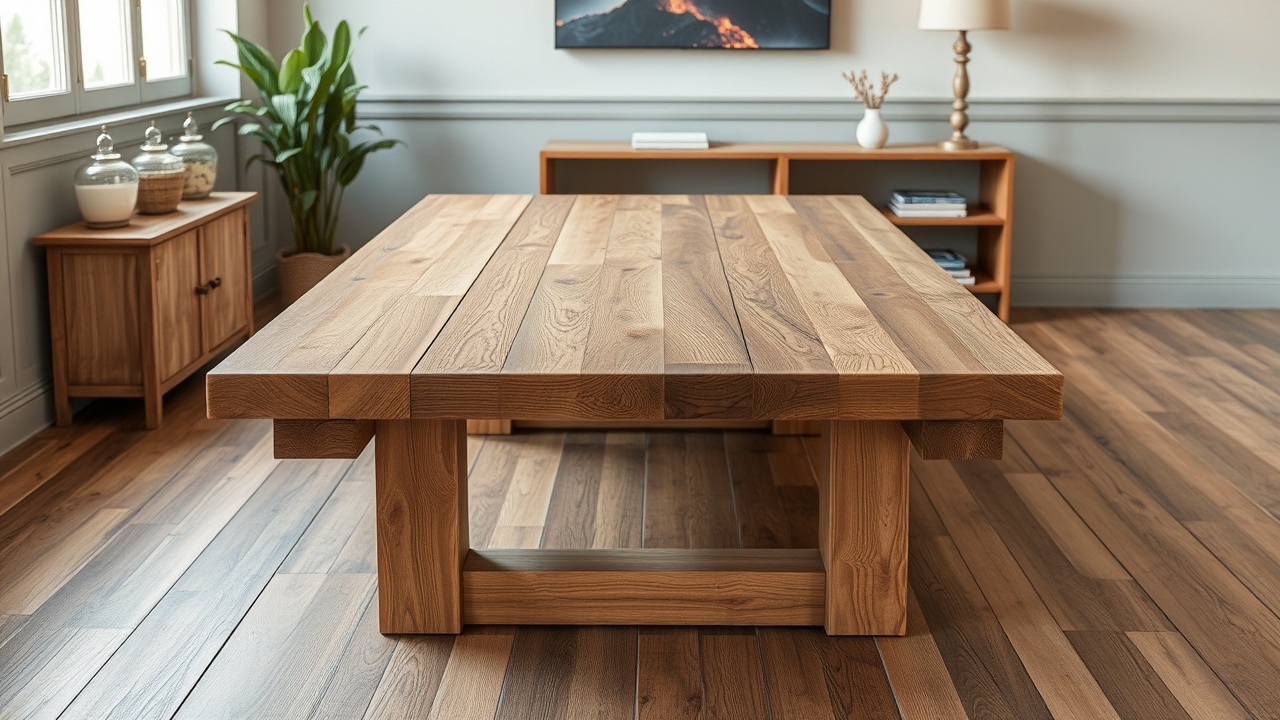
Interior design continuously shifts with trends, yet wooden plank tables stand as enduring elements that infuse warmth and character into any space. These substantial pieces function as both practical surfaces and commanding focal points in homes, restaurants, and workspaces globally. The distinctive grain patterns, deep textures, and organic presence of wooden plank tables forge an immediate link to nature while enhancing diverse design approaches from country farmhouse to modern minimalist environments. Crafted from solid timber slabs, these tables narrate stories through their knots, growth rings, and natural marks. Specialists like Nordisk Planke have refined the craft of transforming raw wood into magnificent furniture that elevates interior spaces. When used as dining surfaces, work desks, or centerpiece coffee tables, wooden plank designs introduce genuine depth and personality to interior design that manufactured options simply fail to deliver.
The History and Appeal of Wooden Planks in Home Design
Wood has served as a fundamental building material since humans first constructed shelters. This deep-rooted connection explains why wooden plank tables hold such powerful appeal in modern interior design. The journey from forest to furniture transforms raw timber into functional art that becomes the heart of many spaces. Traditional woodworking techniques dating back centuries still influence today's craftspeople who shape these substantial pieces.
The visual weight and presence of a wooden plank table anchors a room's design scheme. Unlike mass-produced furniture with uniform appearances, each plank table displays unique characteristics - from distinctive grain patterns to natural color variations. These individual traits make every piece one-of-a-kind, adding authentic character to interior spaces.
Also read: Why buy a wooden plank table?
Nordisk Planke and similar specialty makers understand this appeal perfectly. They select premium timber specimens, often preserving live edges and highlighting natural features rather than hiding them. This approach celebrates wood's inherent beauty rather than attempting to disguise it. Many interior designers prize these natural elements precisely because they cannot be replicated.
The sensory experience extends beyond visual appeal. The smooth texture beneath fingertips, the solid feel underfoot, and even the subtle woody scent contribute to the multisensory experience these tables provide. This tactile dimension adds depth to interior design that manufactured materials rarely achieve.
Wooden plank tables also carry environmental credentials when sourced responsibly. Sustainable forestry practices and reclaimed wood options make these pieces environmentally conscious choices for eco-minded interior design. Many homeowners appreciate knowing their statement furniture comes with minimal ecological impact. This combination of beauty, uniqueness, sustainability and tactile pleasure explains why wooden plank tables remain perpetually popular in thoughtful interior design.
Styling Wooden Plank Tables in Different Interior Settings
Wooden plank tables demonstrate remarkable adaptability across interior design styles. In minimalist spaces, a raw-edge oak table from Nordisk Planke creates a striking natural focal point against clean lines and neutral tones. The organic texture introduces warmth without disrupting the visual simplicity that characterizes minimalist interior design. Designers often pair these substantial wood pieces with sleek, modern chairs for a balanced contrast that prevents spaces from feeling stark.
For rustic or farmhouse interior designs, wooden plank tables feel perfectly suited. Their rugged character and visible history complement exposed beams, stone features, and heritage accessories. The worn patina that develops on pine or reclaimed barn wood tables enhances the lived-in quality that makes these interior spaces feel welcoming. Family gatherings naturally form around these substantial pieces, reinforcing their central role in home life.
Industrial-inspired interior design schemes benefit from the softening effect wooden plank tables provide. Against concrete surfaces, metal fixtures, and raw architectural elements, the natural warmth of wood creates necessary balance. Loft apartments and converted warehouse spaces frequently feature wooden plank dining or conference tables to counteract potentially harsh surroundings. The juxtaposition of natural wood against manufactured materials creates visual interest that sophisticated interior design often seeks.
Scandinavian interior design particularly embraces wooden plank tables. The Nordic appreciation for natural materials aligns perfectly with these pieces. Light woods like ash or birch brighten spaces during long northern winters, while the clean lines of well-crafted plank tables satisfy the Scandinavian preference for functional beauty. Nordisk Planke draws directly from this design heritage, creating pieces that work seamlessly in light-filled, uncluttered spaces.
Coastal interior design styles also welcome wooden plank tables, especially those with weathered or driftwood finishes. These pieces evoke beachcombing discoveries and seaside living. The natural imperfections in the wood echo the perfectly imperfect nature of shoreline findings. When paired with blue textiles, woven elements, and abundant natural light, these tables enhance the relaxed atmosphere that coastal interior design aims to create.
Selecting the Perfect Wooden Plank Table for Your Space
Finding the ideal wooden plank table for interior design projects requires careful consideration of several factors. Room dimensions dictate appropriate table size - a common mistake involves selecting oversized tables that overwhelm smaller spaces or undersized pieces that look insignificant in larger rooms. Professional interior designers recommend allowing at least 36 inches of clearance around dining tables and 18 inches around coffee tables for comfortable movement. Nordisk Planke offers custom sizing options, making their tables suitable for challenging spaces where standard dimensions won't work.
Wood species selection dramatically impacts both appearance and performance in interior design. Oak delivers exceptional durability with prominent grain patterns, making it ideal for high-traffic areas. Walnut provides rich, dark tones that create sophisticated focal points in formal interior settings. Pine offers a more casual, rustic look at a lower price point, though it marks more easily. Exotic woods like teak or acacia bring distinctive coloration but require consideration of sustainability certifications. The wood choice should complement existing interior design elements while meeting practical needs.
The finish applied to wooden plank tables significantly affects both aesthetics and maintenance requirements. Matte finishes show fewer fingerprints and blend more naturally into casual interior design schemes. High-gloss treatments create more formal appearances but require more frequent cleaning. Oil finishes penetrate the wood, enhancing natural grain while allowing easy spot repairs if damaged. Water-based polyurethanes offer excellent protection with minimal environmental impact. Many interior designers recommend requesting sample finishes on the actual wood species before making final decisions.
Consider these practical aspects when selecting wooden plank tables for interior design projects:
Table height must match intended use (29-30 inches for dining, 16-18 inches for coffee tables)
Edge treatment affects both style and safety (live edges for organic looks, rounded edges for family-friendly spaces)
Base design impacts both stability and legroom (trestle bases maximize seating, pedestal bases offer flexibility)
Wood movement must be accommodated in construction methods (proper joinery prevents seasonal cracking)
Maintenance requirements should match lifestyle realities (some finishes require regular reapplication)
Budget considerations naturally influence wooden plank table selections for interior design. Mass-produced options provide wood's visual benefits at lower price points but lack the character of artisanal pieces. Mid-range manufacturers like Nordisk Planke balance quality craftsmanship with reasonable pricing. True custom work from master woodworkers represents significant investment but delivers heirloom-quality pieces that enhance interior spaces for generations. Many designers suggest prioritizing quality for central pieces that anchor rooms, as these elements define the overall impression of interior spaces.