PE paper 2
Structure of the synovial joint and movements
Hinges.
Like a hinge on a door
Bones more in one direction back and forth
E.G. knees finger tows elbows and ankles

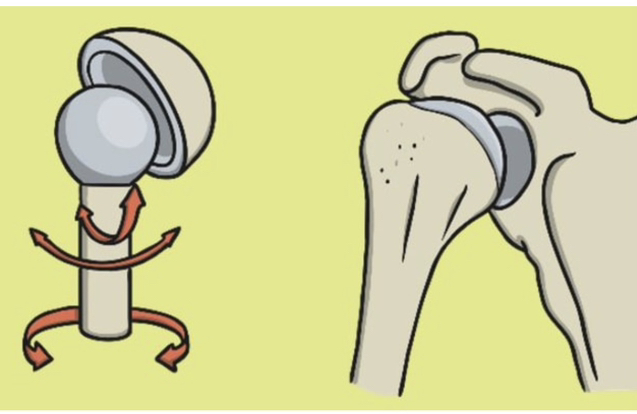
Ball and sockets
Ball shape surface of one rounded bone fits into the cup
Let’s the joint move in any direction
Most mobile in the body
E.G. hip joint shoulder joint
Flat bones- protection
Short Bones-fine moter movements
Long bones
Features- cylinder like shape longer than it is wide
Function- .movement and support
Example- d femur tubular tibia metarcarples humerus metacarpals phalanges
Short bones
Features- cube like shape not equal in length or with or thickness
Function- provide stability support while allowing some motion
Example- carpals and tartlets
Flat bones
Features- thin and curved
Function- points of attachment from muscles, protectors of vital internal organs
Examples- sternum ribs scapula and cranium
Joint-where 2 or more bones meet E.G. knees finger tows shoulder and elbow hips
3 different types of joints:
Immovable (fixed)- cranium
Slightly movable- vertebrate column
Freely moveable- also known as synovial joints allow greatest movement e.g. knees shoulders and hips
Structure of a joint

Functions:
Synovial membrane- lines the capsule and produces synovial fluid
Synovial fluid- lubricates the joint allowing the part to move freely
Joint capsule- tough fibre that surrounds the joint holds the fluid in place
Bursae- fluid sack which help reduce friction in the joint
Cartilage- covers the ends of bones providing a smooth friction free surface also helps absorbs shock
Ligaments- join bone to bone help stabilise joints
Tendon- joins muscle to bone