B1
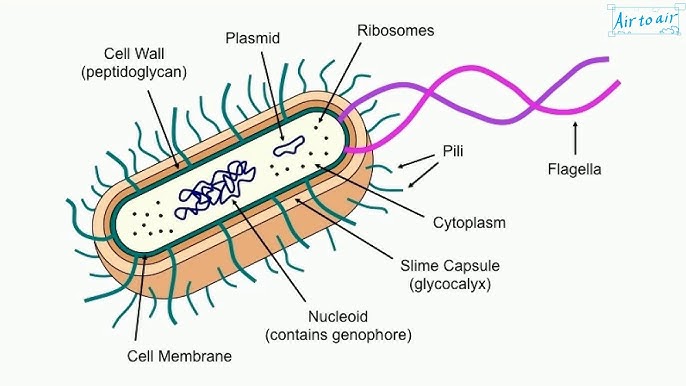
what are prokaryotic cells? single celled organisms with no membrane bound organelles
nucleoid: where genetic material is stored and regulates cell activity
ribosomes: make proteins
slime capsule: prevents the cell from drying out and helps it to stick to surfaces
cell wall: made of peptidoglycan. support and protection of cell
plasmids: DNA containing additional genes for survival
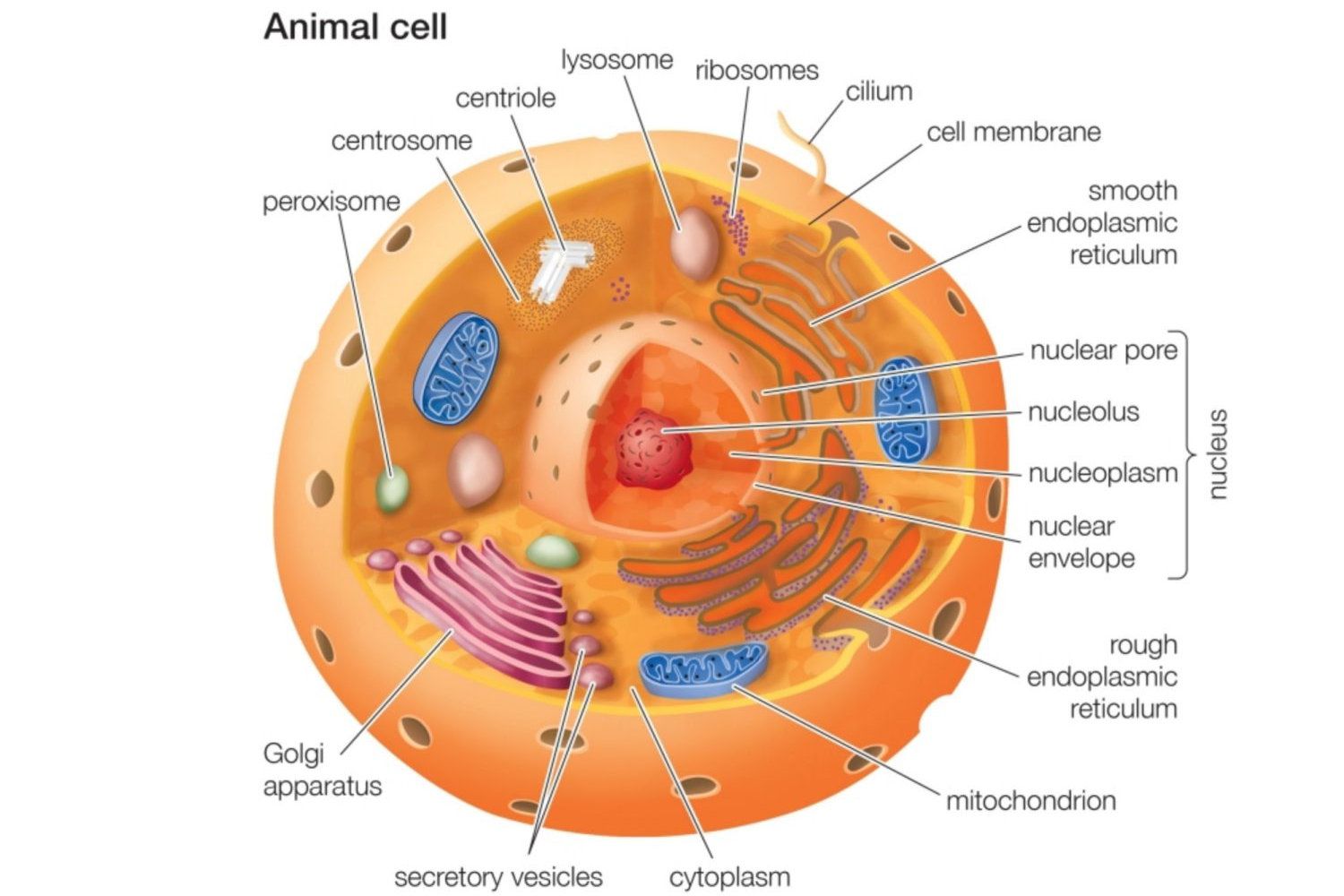
what are eukaryotic cells? single celled organisms with membrane bound organelles
plasma membrane: protects the cell from its surroundings and allows substances in and out
cytoplasm: site of chemical reactions
nucleus: controls cellular activity and stores DNA
nucleolus: produces ribosomes
ribosomes: make proteins
rough endoplasmic reticulum: where proteins are made
smooth endoplasmic reticulum: where lipids are made
vesicles: store and transport substances in the cell
golgi apparatus: modifies and packages proteins in vesicles
lysosomes: contain digestive enzymes that destroy old organelles and pathogens
centrioles: form spindle fibres in cell division
mitochondria: where aerobic respiration happens and where ATP is produced
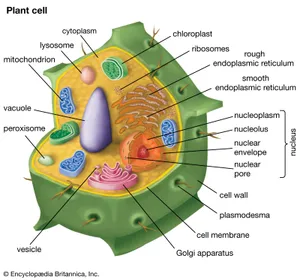
plant cells do not have centrioles
chloroplasts: where photosynthesis happens
vacuole: stores water and other substances, maintains turgor
cell wall: protection and support
tonoplast: controls movement of molecules in and out of the vacuole
amyloplast: stores starch
plasmodesmata: allows for inter-cell communication
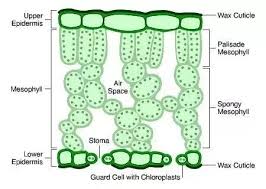
palisade mesophyll: for photosynthesis
adaptations: lots of chlorophyll
large vacuole to push the chloroplasts to outer region of the cell
thin cell wall to enable diffusion of substances
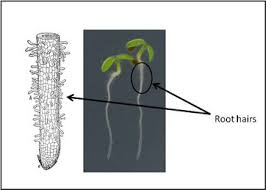
root hair cell: collect water and mineral nutrients from soil
adaptations: many long projections to reach into the soil
large total surface area
do not contain chloroplasts since there is no photosynthesis
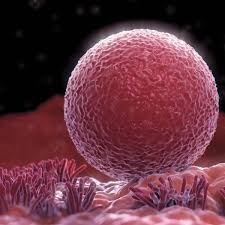
egg cell: carries genetic information from the female in the haploid nucleus
adaptations: contains ½ of the genetic information needed to fuse with the sperm
zona pellucida is a jelly coat layer that stops more than one sperm from entering
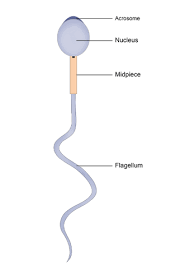
sperm cell: egg cell: carries genetic information from the male in the haploid nucleus
adaptations: mid region contains mitochondria to provide energy
contains ½ of the genetic information
tail for movement
acrosome to penetrate egg wall
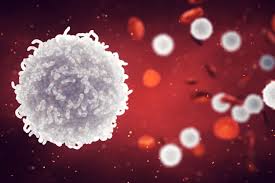
white blood cell: protects the body against foreign invaders
adaptations: change shape to squeeze through to sites of infection (multi lobed nuclei)
lysosomes to digest pathogens
red blood cell: carry oxygen into the bloodstream
adaptations: haemoglobin helps it to bind to oxygen
biconcave shape provides a large surface area
small and flexible to squeeze through capillaries