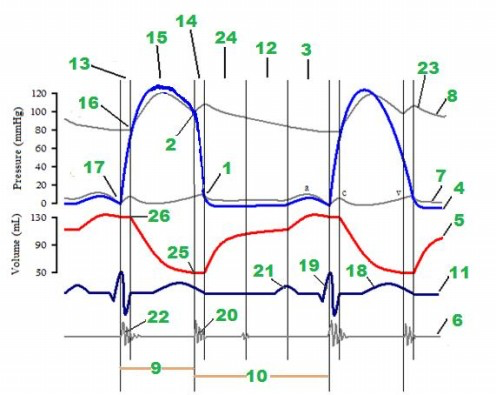
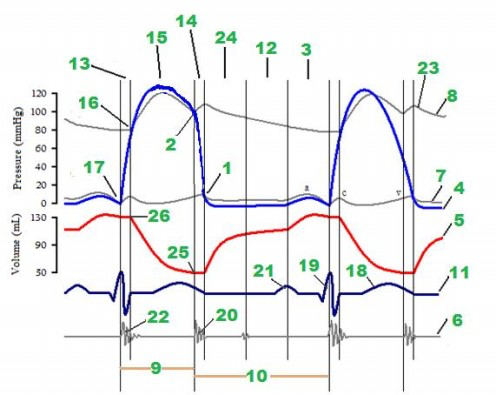
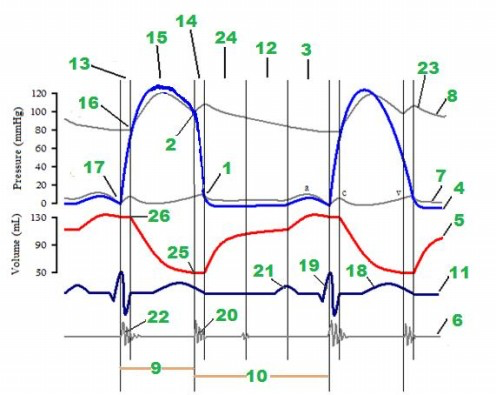
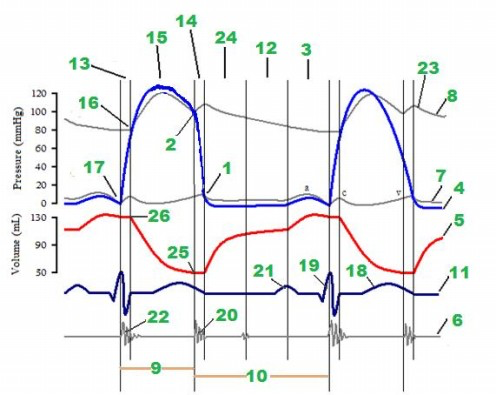
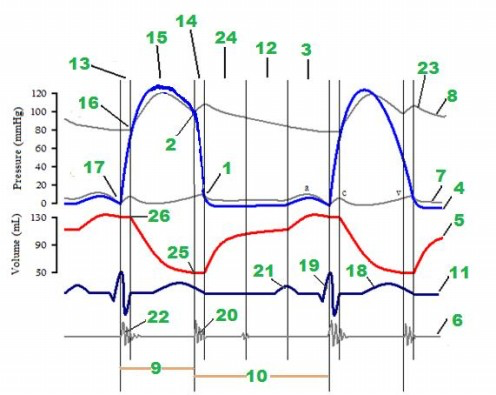
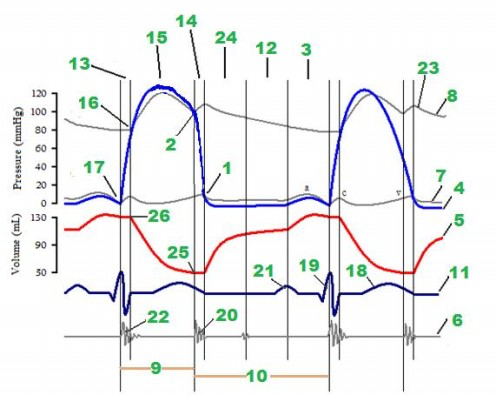
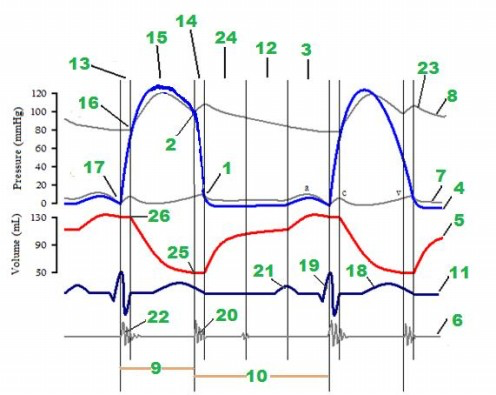
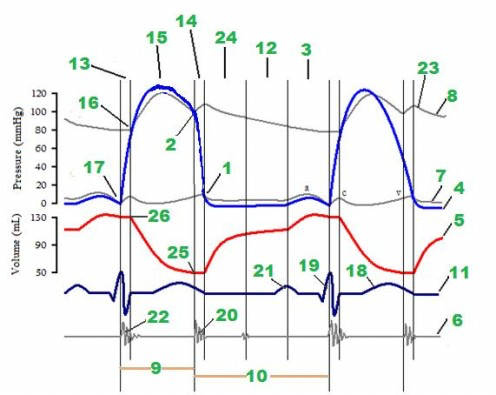
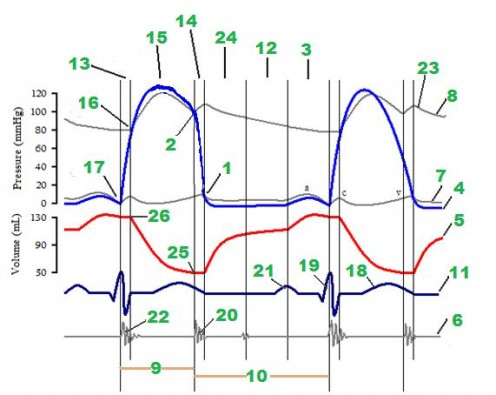
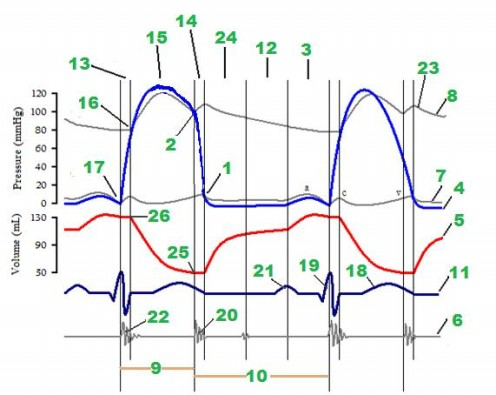
waggers diagram
Question 1: When the blood pressure falls below normal, what happens to the rate of firing in the afferent nerves originating from the carotid-sinus and aortic-arch baroreceptors?
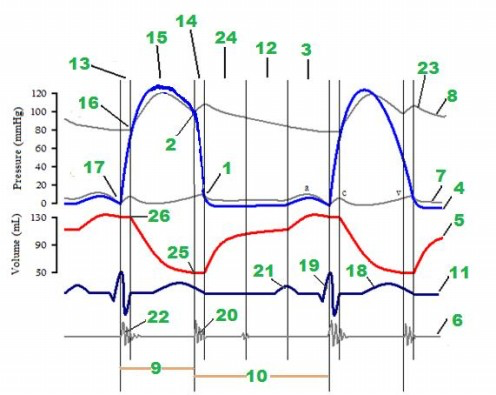
- Correct Answer: Decreases.
Question 2: As a result of the decrease in firing rate described in Question 1, how does the medullary cardiovascular center respond in terms of the rate of firing in the sympathetic cardiac nerve?
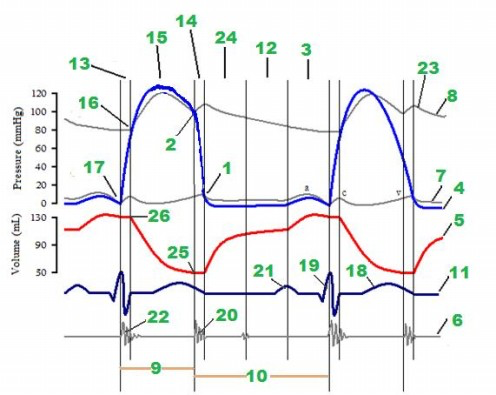
- Correct Answer: Increases.
Question 3: Also as a result of the decrease in firing rate described in Question 1, how does the cardiovascular center affect the rate of firing in the parasympathetic nerve supply to the heart?
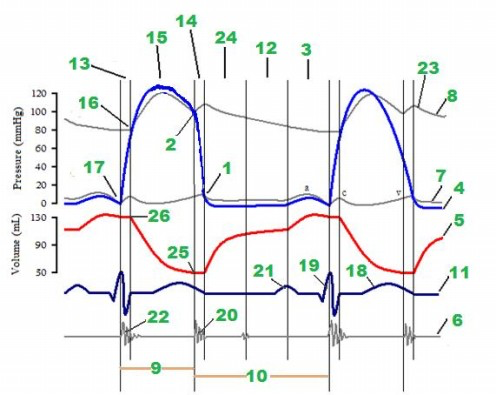
- Correct Answer: Decreases.
Question 4: Furthermore, how does the cardiovascular center affect the rate of firing in the sympathetic vasoconstrictor nerve as a result of the decrease in firing rate in Question 1?
- Correct Answer: It is increased.
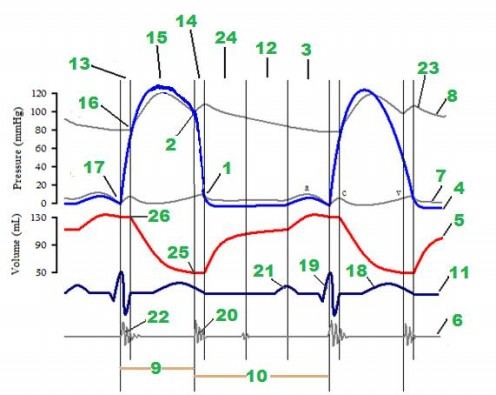
Question 5: As a result of the changes in the sympathetic and parasympathetic firing rates described in Questions 2 and 3, what happens to the rate of firing of the SA node?
- Correct Answer: Increases.
Question 6: What is the effect of the increased SA node firing rate on heart rate?
- Correct Answer: Increases.
Question 7: As a result of the changes described in Question 4, what occurs at the arteriolar level?
- Correct Answer: Arteriolar vasoconstriction occurs.
Question 8: How does the arteriolar vasoconstriction described in Question 7 affect total peripheral resistance?
- Correct Answer: Increases.
Question 9: In addition to the arteriolar effects, what other type of vasoconstriction occurs due to the changes described in Question 4?
- Correct Answer: Venous vasoconstriction occurs.
Question 10: How does venous vasoconstriction affect venous return?
- Correct Answer: Increases.
Question 11: As a result of the increase in venous return described in Question 10, how is end-diastolic volume affected?
- Correct Answer: Increases.
Question 12: Considering the changes in sympathetic activity and end-diastolic volume from Questions 2 and 11, what happens to stroke volume?
- Correct Answer: Increases.
Question 13: How do the increases in heart rate and stroke volume (from Questions 6 and 12) affect cardiac output?
- Correct Answer: Increases.
Question 14: Finally, how do the changes in total peripheral resistance and cardiac output (from Questions 7 and 13) affect blood pressure?
- Correct Answer: Increases to normal.