World Economies: Contrast and Interdependence
We have studied, at length, the government of the United States, as well as its economy. How do the governmental and economic structures of other nations compare to those of the United States?
The United States has a federal system of government and is considered a constitutional republic. In a federal system of government, power is shared between different levels of government and is split between different branches. In America, power is divided between federal, state, and local governments. Power is also split between three separate branches that are defined and given duties specifically by the Constitution. Each branch is checked by the others in numerous ways. The president and Congress are elected by popular vote, while the justices of the Supreme Court are appointed by the president and confirmed by the Senate. The American economy falls into the category of a mixed economy. The US has a predominant system of free enterprise, but there are also goods and services offered by the government and regulated by the government.
Instead of a federal system, many countries employ a unitary system of government. In a unitary system of government, all power is vested in the central government. The central government may decide to delegate some of its authority to local governments, but the central government is the source of all governmental authority in the nation. Unitary governments often have a parliamentary system wherein the legislative branch has both legislative and executive powers. Moreover, the legislature chooses the chief executive (and therefore has control over that chief executive).
The degree to which citizens participate in the political process determines how much the power of the government is limited. If citizens can't participate in the political process, then there is nothing to keep the government from doing whatever it wants. Also, remember that the level of political freedom that citizens have almost always corresponds to how much economic freedom they have. Economic systems vary based on how much influence the government has in answering the three basic economic questions. Some governments allow the people to make these decisions, while other governments make all the economic decisions themselves. The number one determinant of what economic system a nation has is how much the government gets involved in making economic decisions.
Explore the tabs below for a brief description of the governmental systems of Mexico, the United Kingdom, and China. As you read, think about how they compare to the United States.
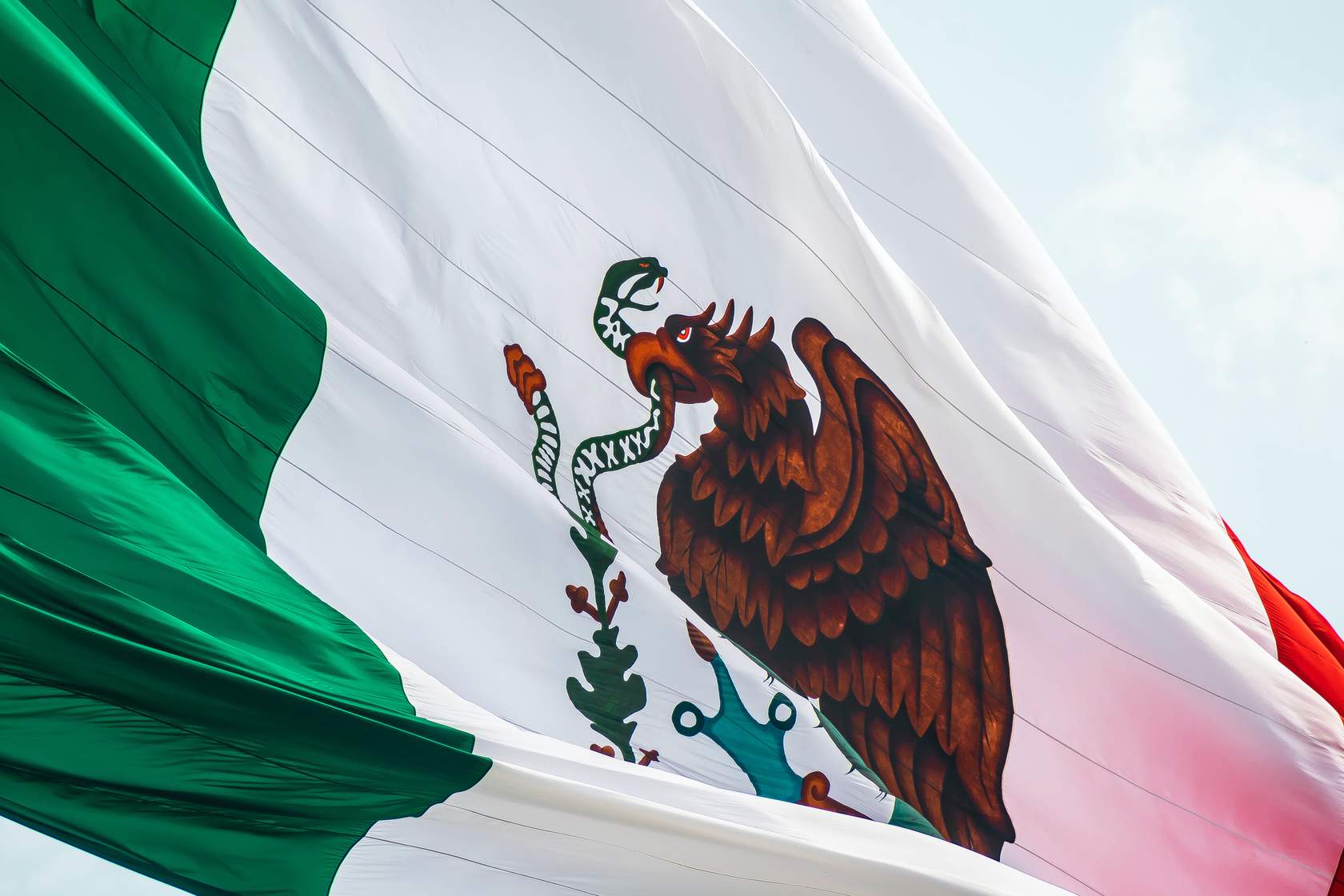
Like the United States, Mexico uses a federal system of government. Mexico is considered a federal presidential republic. The power in Mexico is divided between the executive, legislative, and judicial branches. The president is elected by the populace for one six-year term. The legislative branch is composed of the upper house, known as the Senate, and the lower house, known as the Chamber of Deputies. Senators are elected to six-year terms, and deputies are elected to three-year terms. Three-fifths of the Chamber of Deputies are elected by the populace, and the rest are selected according to votes received in the largest regions.
Mexico does have a constitution, which gives power to the thirty-one states of Mexico and the federal district of Mexico City. Unlike the election process in America, some of the officials are elected by other elected officials. This limits the citizens' participation in government.
The judicial branch is comprised of several courts. The highest court is the Supreme Court, which has eleven members who are nominated by the president and confirmed by the Senate. Mexico also falls into the category of a mixed economy. Unfortunately, there is widespread corruption in the Mexican government, which has led to extreme poverty in some cases. There is a large gap between income levels; the average income in Mexico is roughly one-third of that of the United States. Mexico, too, offers goods and services provided by the government, but these efforts are not very effective in combating issues of poverty.
The United Kingdom is comprised of England, Scotland, Wales, and Northern Ireland. The United Kingdom is a constitutional monarchy and has a unitary form of government. Localities have a few legislative powers, but they are subject to the decisions of Parliament.
The monarch (king or queen) of the United Kingdom primarily serves a symbolic role as the head of state. The head of the government and its functions is the prime minister. Parliament, the legislative unit, contains an upper house, known as the House of Lords, and a lower house, known as the House of Commons. The members of the House of Lords are appointed by the monarch under the advisement of the prime minister or by the House of Lords Appointments Commission. The members of the House of Commons are elected by the populace.
The judicial branch of the United Kingdom is made up of several courts, including the highest court, the Supreme Court. It is interesting to note that judges have much more power in the United Kingdom than in the United States. They are considered to have more freedom because the United Kingdom does not have a written constitution.
The economy of the United Kingdom is also considered mixed. Business is conducted in a free-market economy, while other goods and services are offered and regulated by the government. The United Kingdom does have a universal healthcare program, unlike the US. However, the average income of a citizen in the United Kingdom is lower than in the United States.

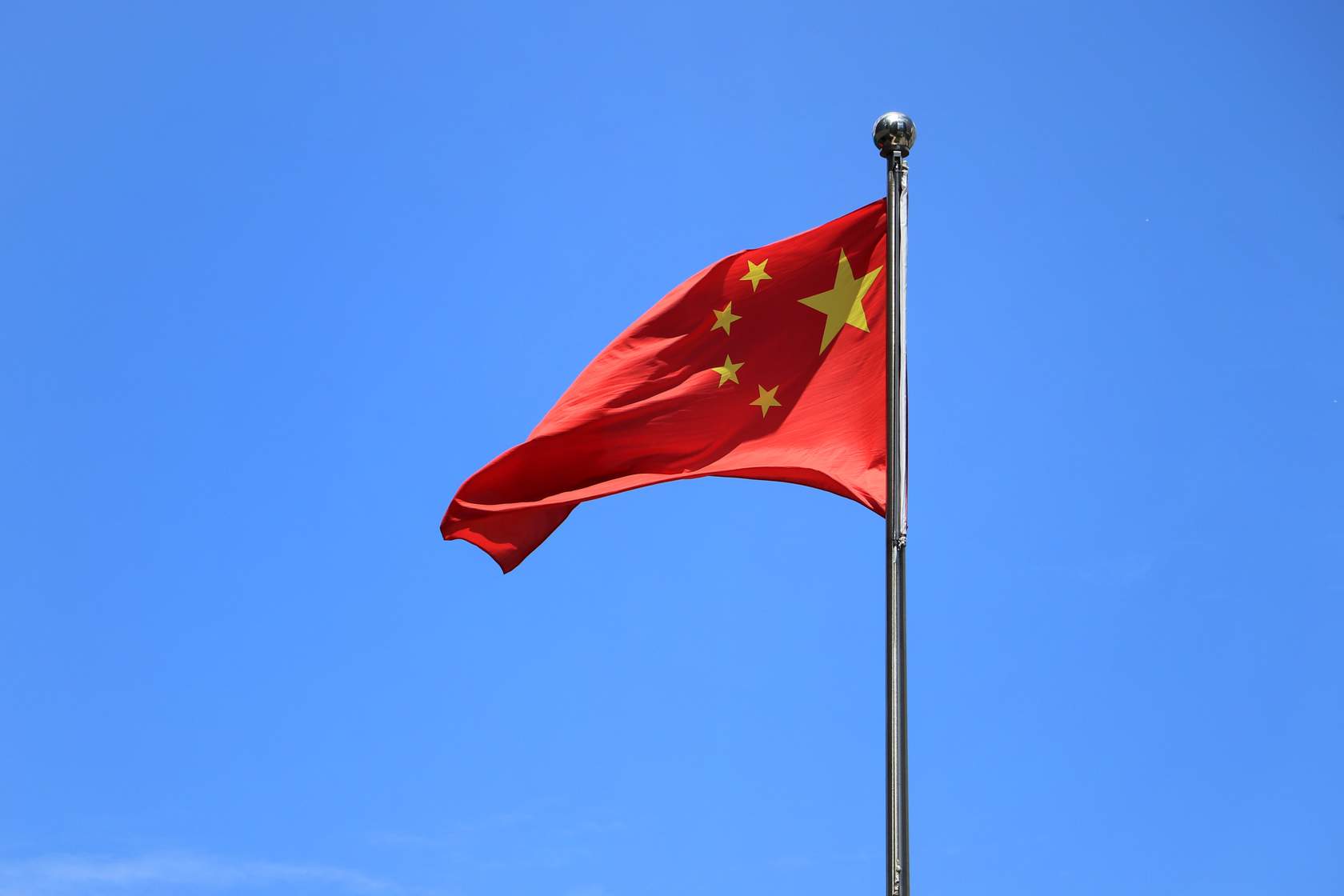
The People's Republic of China is led by the Communist Party of China. The president of China has very little power and serves as the head of state for a five-year term. The president is elected by the National People's Congress. The premier is China's version of a prime minister. The premier is the head of a fifty-member council, which must answer to Congress.
The legislative branch is unicameral. The members of Congress are indirectly elected by local congresses for five-year terms. This limits the citizens' participation in the election and overall government process.
The judicial branch of China is composed of the Supreme People's Court. The chief justice is appointed by Congress; there are thirteen grand justices who are appointed for five-year terms. The economy of China is now mixed, though in recent years it has been moving back toward a command economy. There are still significant issues with economic equality in China. China's per capita income is below the world average and extremely below the American average.
Why Other Economies Matter to the US
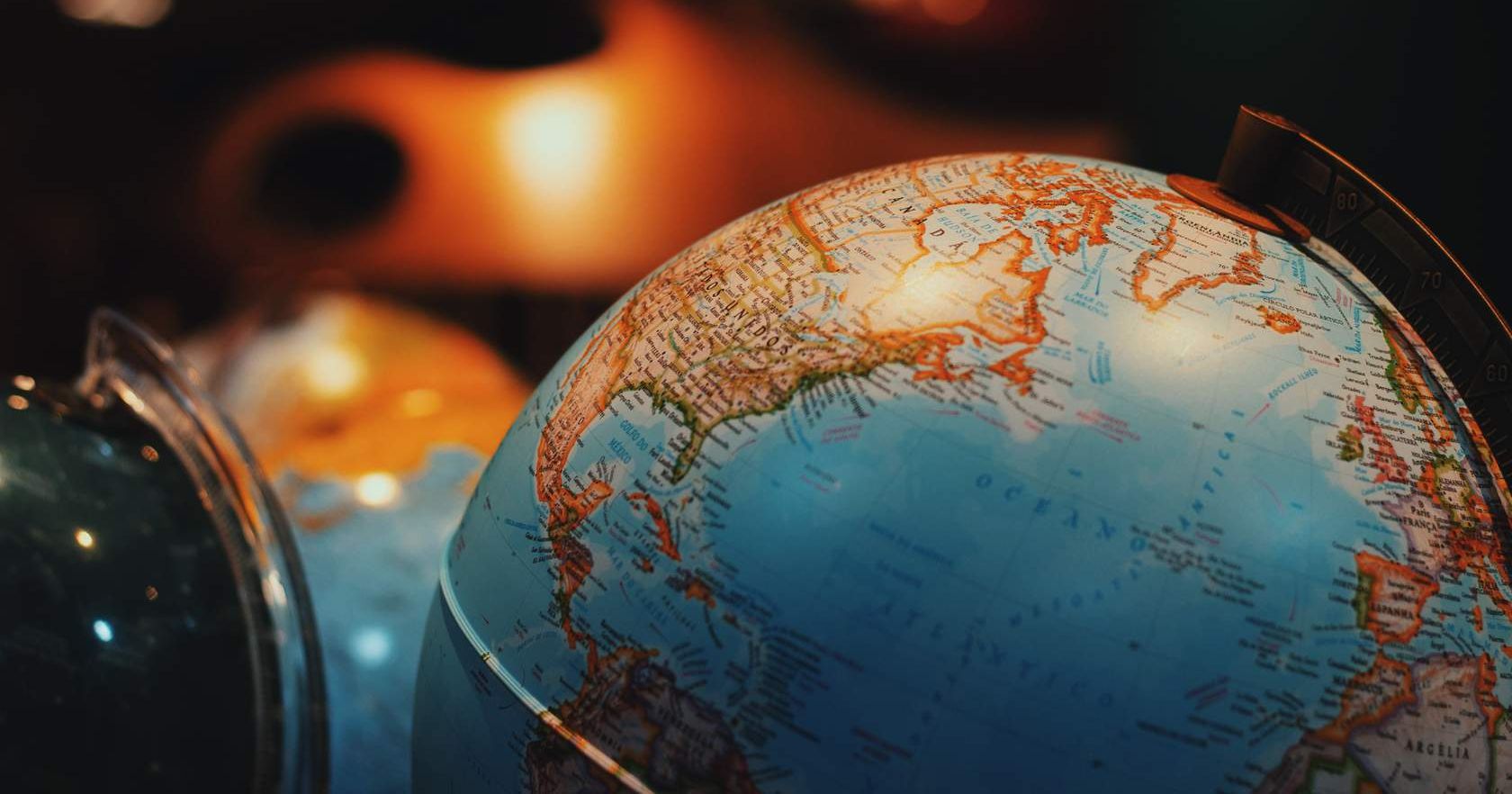
The term global economy refers to the interdependence of all of the nations of the world on the trade of goods and services. There are several trends in international trade that drive the market:
Innovation: More countries are developing and are pushing their new products to the market. Innovation also accelerates market growth as these countries develop. This continuing development of new technology creates a market that is always in flux.
Population Shifts: There is an ever-changing movement of people as new markets develop.
Increased Competition: When there are more markets, there is increased competition.
Increased Communication: The advent of the Internet and smartphones has made global communication simple. This allows people to have access to goods and services from around the world.
Cooperation Between Countries: An example of this would be the North American Free Trade Agreement (NAFTA), which is an agreement between the United States, Canada, and Mexico. This agreement sought to boost trade, though experts cannot agree if NAFTA has boosted the economies of any of those involved. Some feel as if it has not been effective and has hurt the United States significantly due to the outsourcing of jobs and services. NAFTA is on the verge of being changed.
The economies of other nations matter to the United States because an important part of the American economy is exporting goods to these nations; the US needs to trade in order to maintain a robust economy. China has now replaced the United States as the largest exporter of goods. However, some of these cheaper, more easily accessible goods have proven to be dangerous and subpar in quality. There is a balance between quality and value that should be maintained in the realm of trade.