Week 7- Programme Design: atmospheric & flow
MacCannell (1976) Authentic experience is essential to visitors
Festival contexts offer insights into cultural practices, traditions, and heritage.
Equates authenticity with ”pristine state” which means that we value and think it ‘untouched’ and ‘pristine’.
undisputed origin:
qBrunner (1994), Olsen (2002) and Shepherd (2002)
qSocially constructed process which gives cultural value
qOpen to negotiation (Timothy and Boyd, 2003)
qDifferent event audiences attach different values to authenticity
Commercialisation (aka commodification) devalues the meaning of an event to local community, ‘thereby destroying its cultural authenticity’ McCartney & Osti (2007:26)
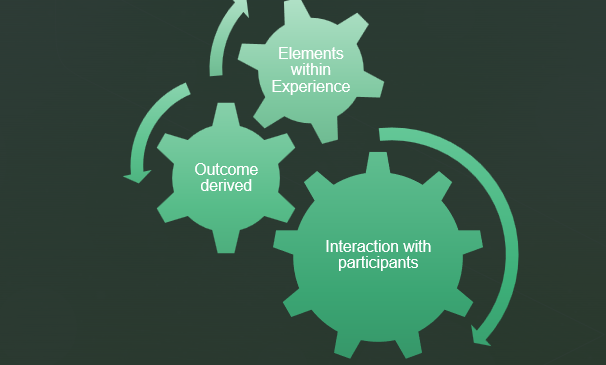
Parameters of authentic experiences:
we anticipate
we attend
we evaluate and reflect
Types of Authenticity:
§Objective authenticity usually refers to an object or event in its original form, such as a costume or performance unaltered through many generations.
§Emergent authenticity events can become traditions over time, gaining perceived authenticity.
§Existential authenticity refers to how experiences fit into one’s lifestyle and identity, as exemplified in the expression ‘being true to oneself’.
§Staged authenticity a setting, display, event or performance that purports to show the real thing; a re-creation.
(Getz, 2021- Dictionary of Event Studies)
Example- The Catalan Festival, La Merce:
Burns night:
a highly structured, time honoured sequence of rituals, poetry and camaradie
The Piper: Guests are traditional greeted by a live bagpiper playing traditional Scottish tunes as they arrive and gather.
The Chairman’s Welcome: The host or chairperson officially opens the evening, welcomes the guests, and introduces the overall flow of the night.
The Selkirk Grace: Before anyone eats, this short prayer (written or popularized by Burns) is recited to thank God for the meal. It is traditionally delivered in Scots:
The authentic experience relies on a rich combination of sensory elements—the sights of traditional attire, the unmistakable sound of bagpipes, and the distinct flavors and aromas of Scotch whisky and haggis.
when something is authentic it is usually not paid for, it is not ticketed, for example Burns Night in a traditional Scottish home
Summary:
Authenticity can be different things to different people - and that it is the role of the event manager to design events which provide the highest level of authenticity necessary to generate a positive event experience.