Disco/Gay Culture in the 1970s+
Donna Summer (1948 - 2012)
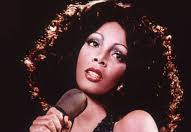
international stardom (with her mix of different music genres)
underground dance music — bringing to a wider audience
3 albums to hit #1 (onyl artist)
4 #1 singles
5 grammy winner
8 grammy nominee
won grammy for best rock vocal performance (1979)
Queen of disco
1976 - first success: “love to love you baby”
got 4 grammy awards 1978
Donna Summer “Last Dance” (1978)
upbeat tempo
sex reference (rock overlap)
Casablanca Records (LA) produced by Giorgio Moroder
In Defence of Disco — Richard Dire
why does disco need defending?
hostility reaction against disco
seen as capitalistic (produced by capitalist industry)
Dont just dismiss disco as capitalist, we must ask better questions
Disco Demolition
context why Dire even wrote his paper on Defence of Disco
July 12 1979
Anti disco army, during a baseball game at Comiskey Park in Chicago
Steve Dahl, who was known for his anti-disco sentiments, had recently been fired from a radio station that had switched to a disco format
The event involved Dahl exploding a crate filled with disco records on the field between the two games. Attendees were encouraged to bring their disco records from home to be blown up, and the promise of a discounted admission fee further fueled interest
Got out of control: As the records were exploded on the field, fans began to storm the field, and the situation turned chaotic. The field was damaged, and the second game had to be forfeited by the White Sox due to the unsafe conditions.
seen as a symbol of the backlash against disco music and its cultural impact
some view it as a manifestation of anti-disco sentiment, , while others criticize it for its potential racial and homophobic undertones, as disco was associated with diverse and LGBTQ+ communities.
acts of rebellion putting on display
Disco Historically (elements)
represent a utopian space
where dance floor becomes an ideal community
(mid 70s) — dip in public dancing except for gay and black clubs (discotheques)
peppermint lounge
most early releases by black artists (continuation of black dance traditions)
started in clubs in new york city
celebration of public dancing and sexual freedom
focus on record singles (as a way to get people on the the dance floor)
Sweet sound of Philadelphia soul connection
soli eurodisco beat (bouncy beat)
superf
Saturday night fever - John Travolta — Movie
place where music seen in underground space being promoted to straight white America (start of the explosion of popularity)
trademark falsetto
multi media crossover — free publicity for Disco
130 MIL for Film
SOLD 15 MIL, 30 MIL WORLD WIDE
BEST SELLING AT THE TIME
sexuality put on display
Total disco take over — (1979)
going from underground to more mainstream
Village People
Casablanca Records (LA) in 1978
Morali (producer)
new york 1977 - American disco group
Gay
“YMCA” hit song
singles
heavy bass
The original members of the Village People were:
Victor Willis – Policeman
Felipe Rose – Native American
Alex Briley – Soldier
David Hodo – Construction Worker
Glenn Hughes – Leatherman/Biker
Randy Jones – Cowboy
Sylvester (1947 - 1988)
male, embraced sexuality
1970 disco artist
1960s “women of the blues”
transvestite vocal group “the coquettes”
flamboyant act a hit in San Francisco area (over the top)
falsetto voice
1988 - Died - age related
“Mighty Real” by Sylvester
resistance aspects (connection to rock)
This producer was critical to the recorded sound of 1970s disco.
Giorgio Moroder