11- gobi desert
Biome case studies from around the globe
Temperate to arid – mid to lower latitudes
Deserts
dry (arid) areas of land that receive on average no more than 250mm of rainfall per year
•cover ca. 1/5th of Earth’s land area
•only 10% of deserts have dunes, often dry expanses of rocks, salt flats, mountains
•there are hot and cold deserts
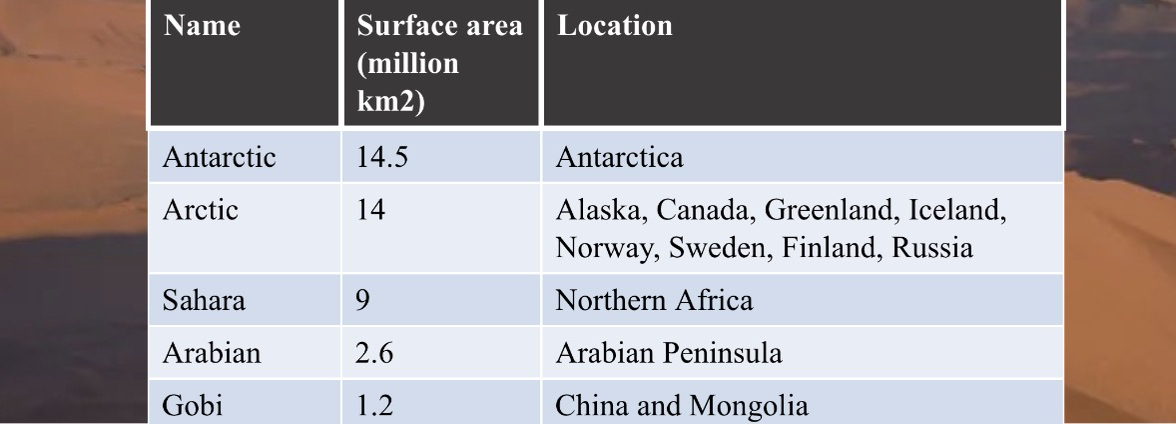
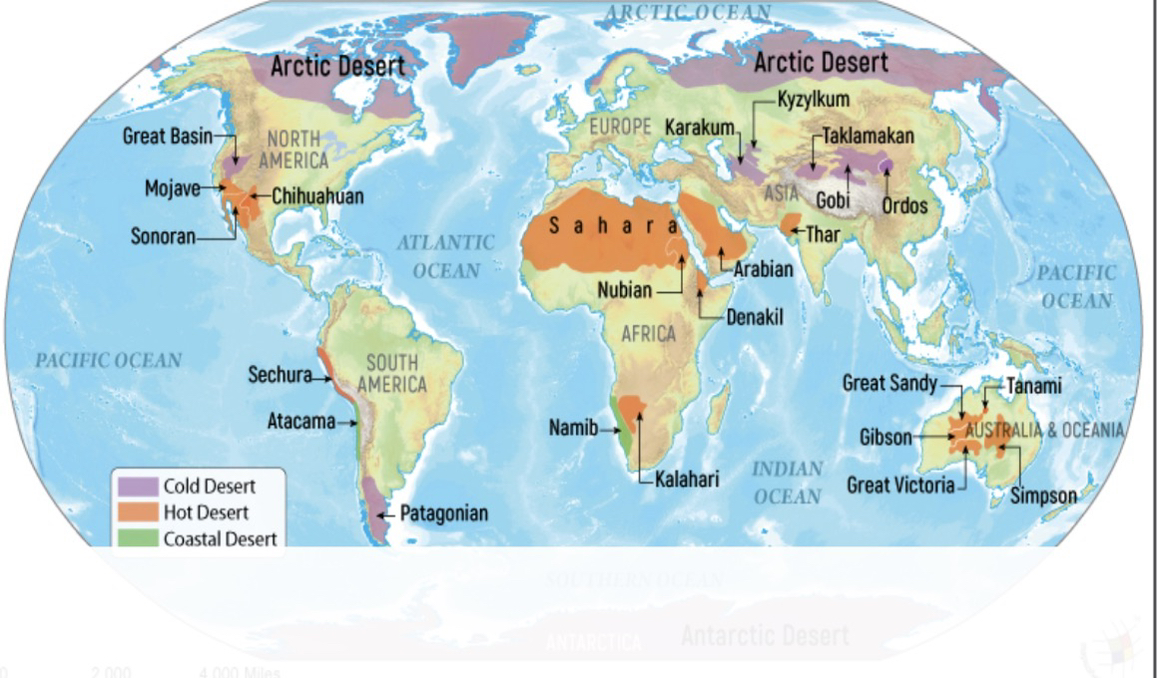
Kinds of deserts
Subtropical hot and dry deserts
•caused by the circulation patterns of air masses between 15 and 30 degrees northern and southern latitude
•e.g. Sahara (Africa), Kalahari (Africa), Tanami (Australia)
Cold deserts
•aridity is caused by the dryness of the air
•e.g. Antarctica and Arctic (polar deserts)
Semi-arid (cold-winter) deserts
•long and arid summers are followed by a few months of winter
•e.g. Gobi desert (Asia)
Case study – Gobi desert
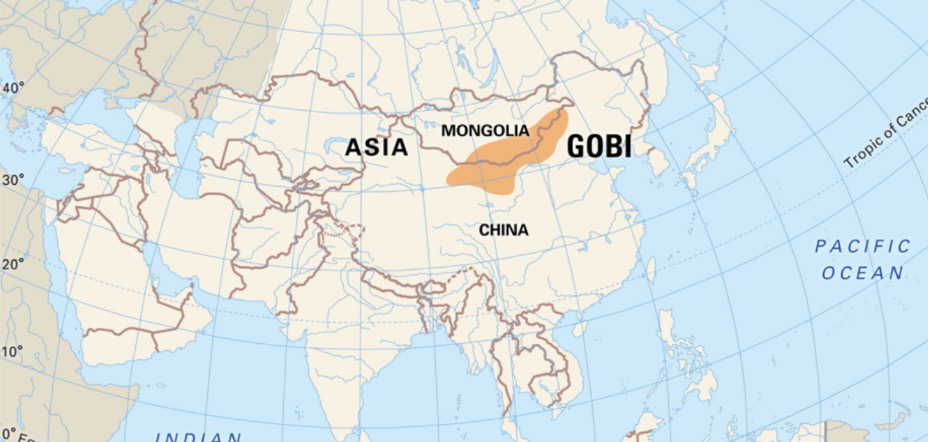
Location:
China and Mongolia
•1.3 million km2
•largest desert in Asia and the 5th largest in the world
•located on a plateau ca. 900–1,500 m elevation
Climate
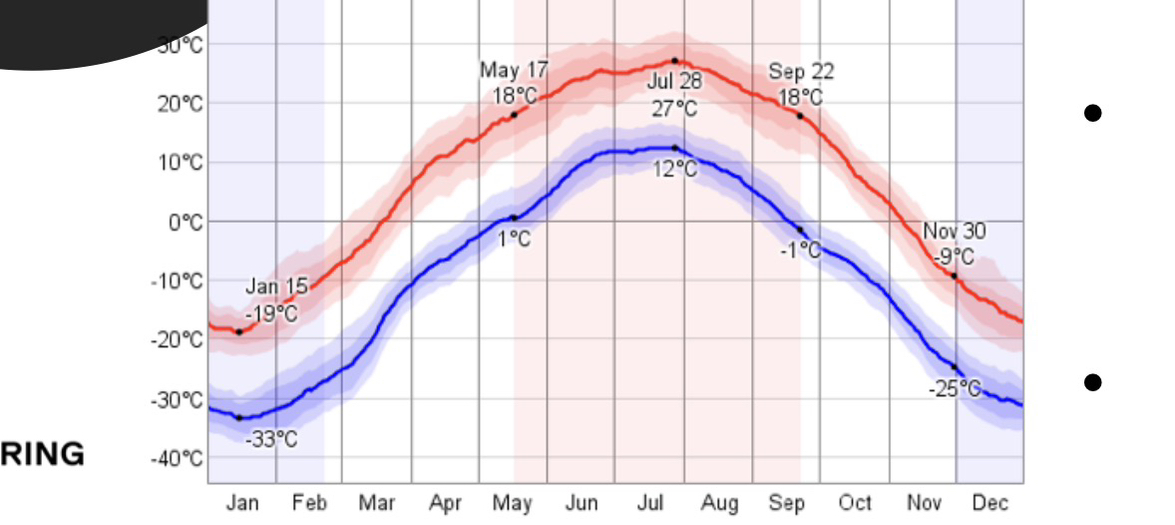
pronounced continental and dry climate: severe winters, dry and cold spring, and warm summers
•large annual temperature variation: extremes of up to -40°C in winter and up to 45°C in the summer
•also large daily temperature variation
•annual precipitation 50-200mm
mongolian word “gobi” means “waterless place”
•only 5% of the desert is covered by sand, while the rest is covered by rocks or dry grasslands
Animal species within Gobi Desert
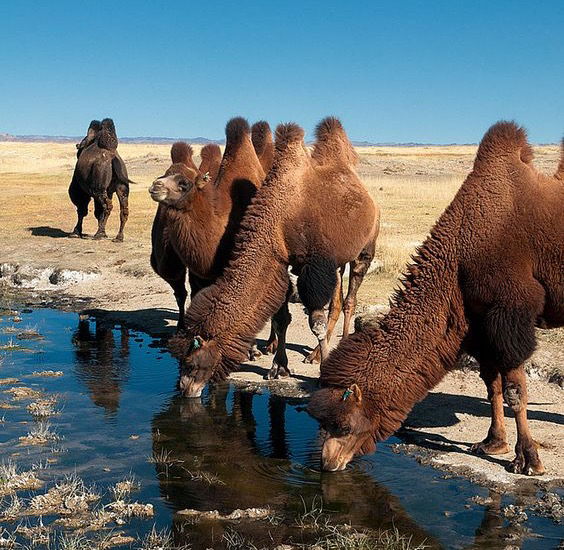
Bactrian camel (Camelus ferus) ^^^
only true wild camel species, ca. 600 in
the Gobi desert
• two humps which store food in the form of fat that can be converted into water
• long legs and padded feet to prevent them from sinking into the sand and help in keeping the body above the hot surface
• nostrils have flaps that help in sealing the nose during a sandstorm
• can survive on water saltier than seawater
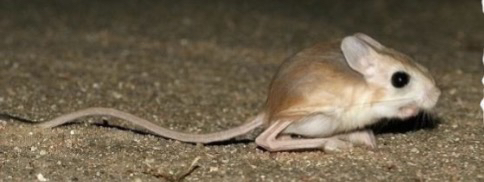
Gobi jerboa ^^^
• tiny nocturnal rodents
• spend most of day in burrows
• short forearms and well-built hind legs for digging
• folds of skin that can close off its nostrils to sand
• specialized hairs to keep sand from getting in its ears
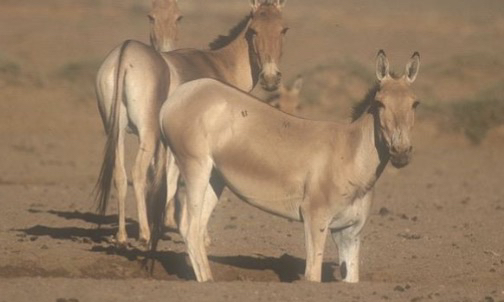
ongolian wild ass (khulan)
• near threatened
• herbivores: grasses, herbs, succulent plants
• travel thousands of km in search of food and water, and their annual range can cover up to 70,000 km2
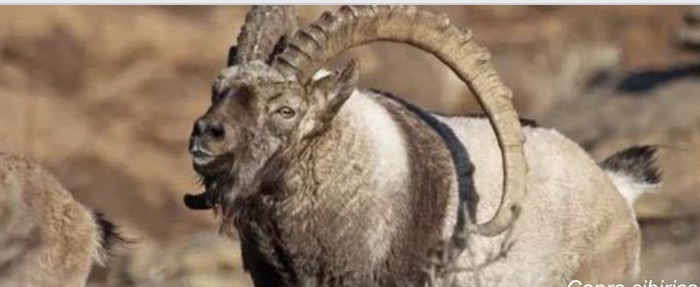
Gobi ibex
• diet primarily alpine grasses and herbs
• spring and summer, grasses and sedges
• winter more tall herbs, and the twigs and needles of trees such as aspen, spruce, juniper, and willow
• often visit salt licks during summer
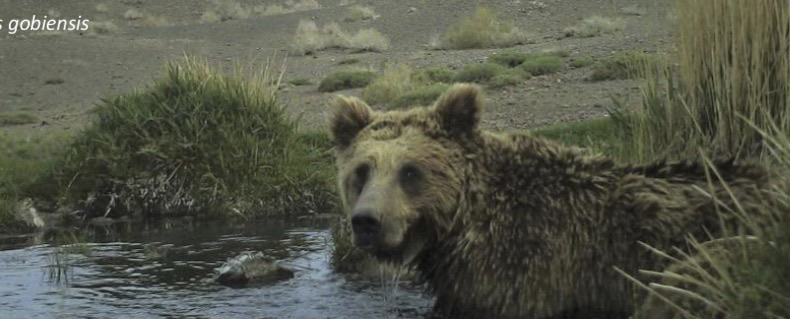
Gobi bear
• Relatively small brown bear
• critically endangered, only 30-40 left in the wild
• omnivorous, eating roots, berries, plants, and rodents
• hibernate in winter dens
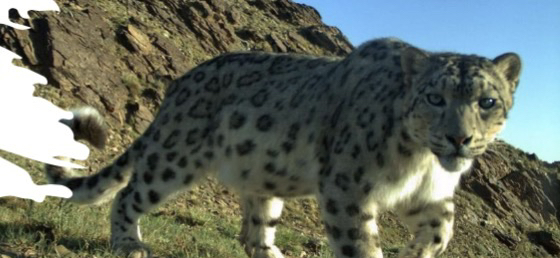
Snow leopard
• rare top predator
• carnivore, actively hunts its prey
• can kill animals 2-4 times their own weight, but will readily take much smaller prey, such as hares and birds
• Vulnerable
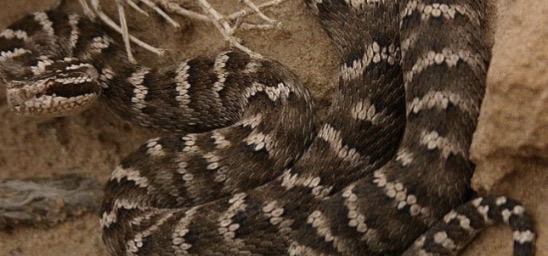
Gobi pitviper
• venomous pitviper species endemic to northern Asia
• eats small mammals
Vegetation
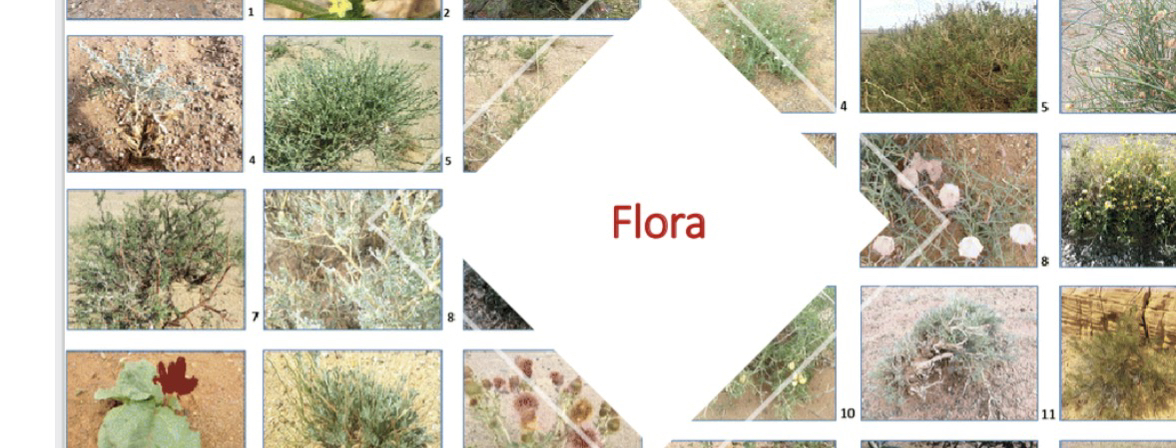
• small bushlike vegetation on the plateau and on the plains beneath the mountains
salt marshes: halophytes
sands: saxaul, sandy wormwood, and sparse perennial and annual herbs
vegetation richer in semidesert tracts
(e.g. feather grass, wormwood)
• mountains: desert-grass steppes on the lower slopes and feather-grass steppes at higher elevations
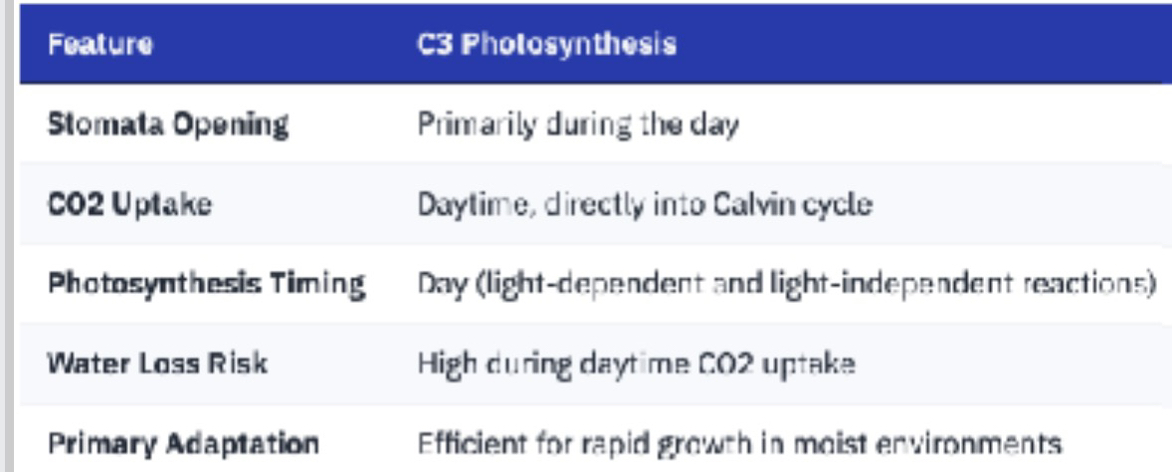
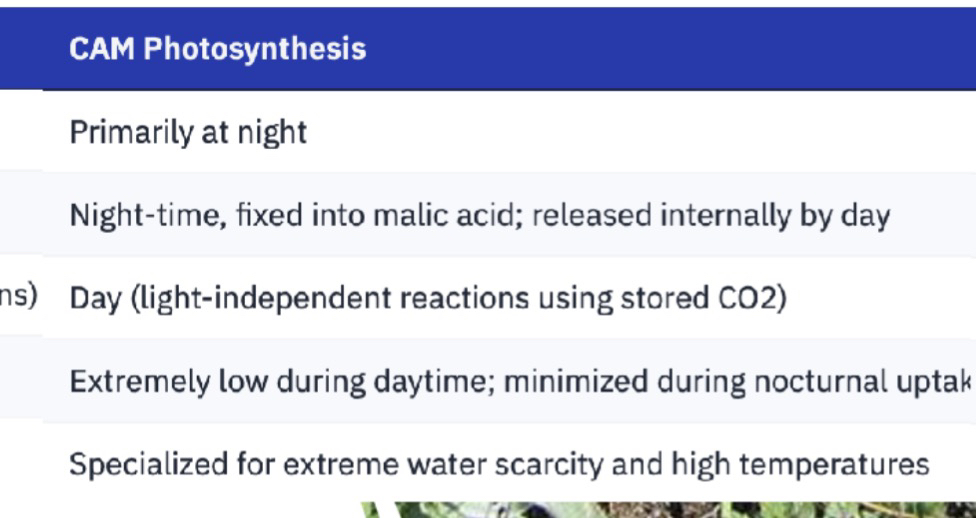
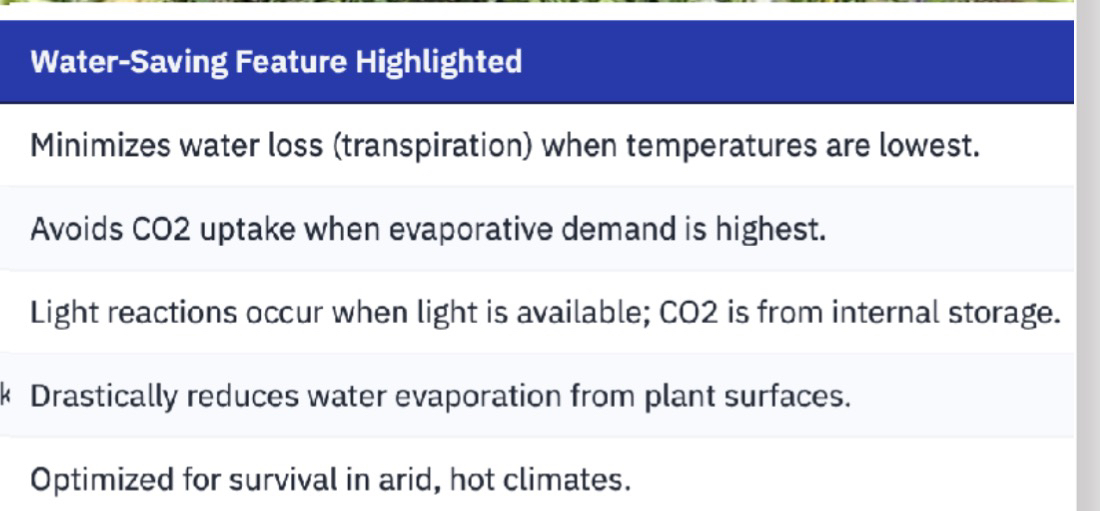
Water-saving photosynthetic pathway: CAM
—
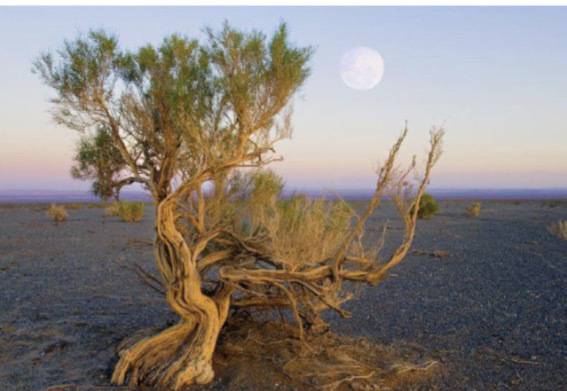
Saxaul tree Haloxylon ammodendron
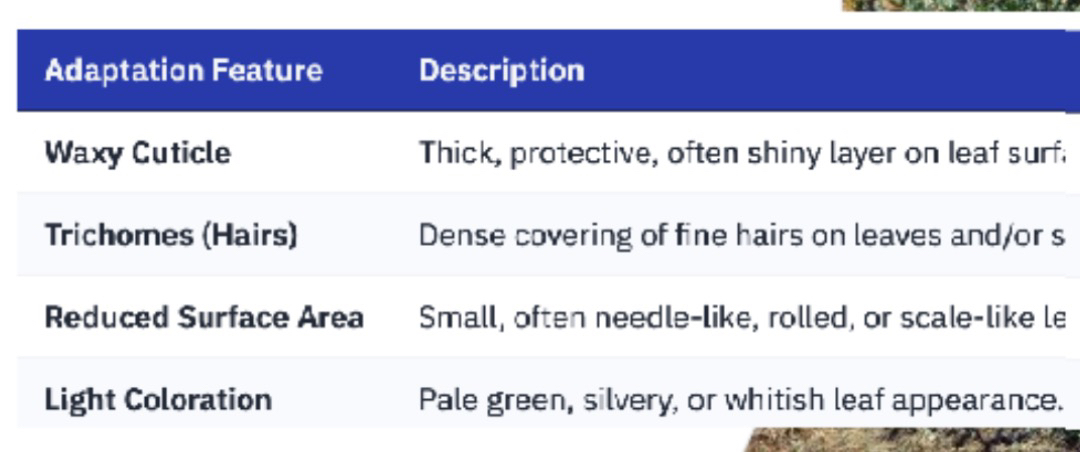
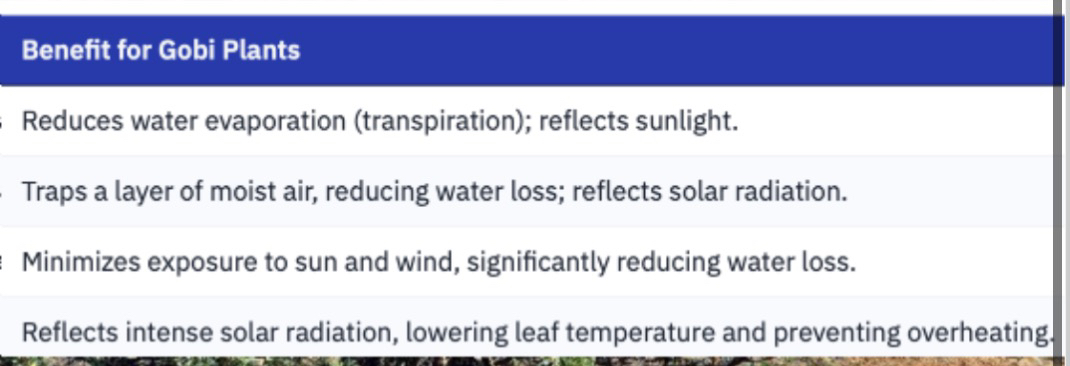
• extremely drought resistant
• water storage in bark and small leaves to reduce water loss
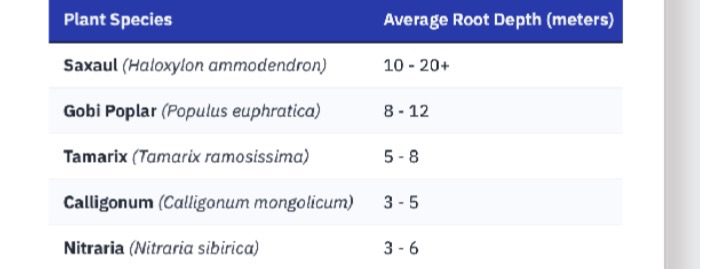
• often bent by the wind, deep and widespread root system
• planted as part of the “Green Wall project” to m stop desertification
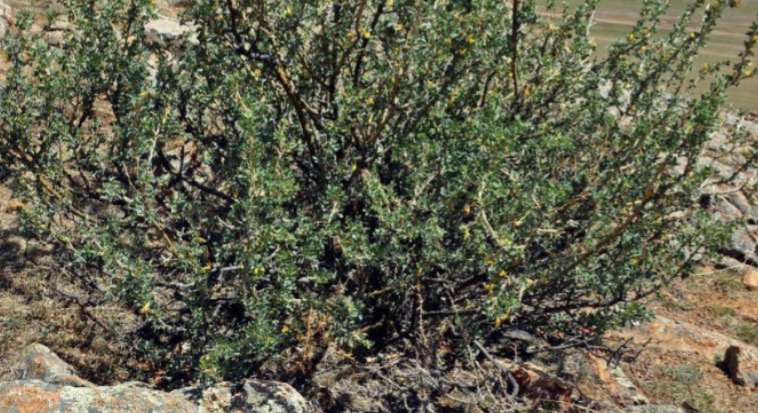
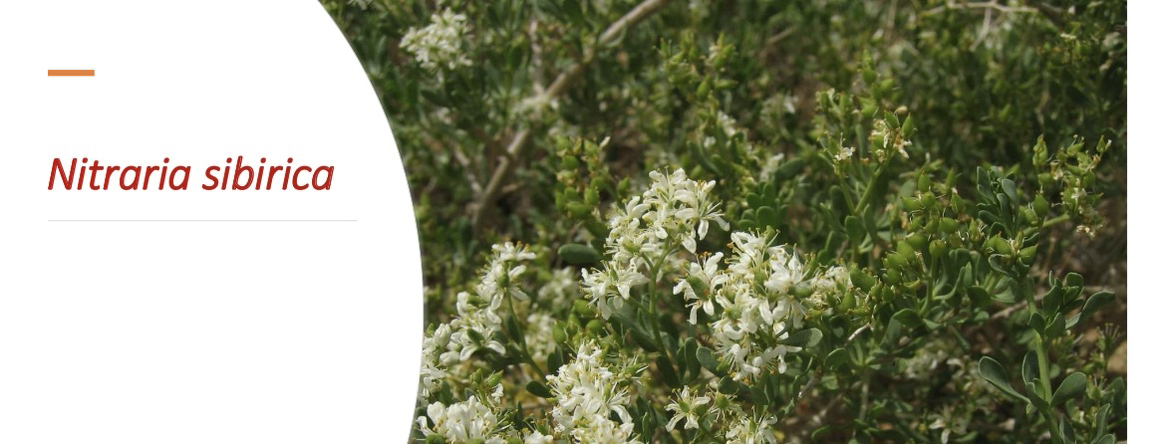
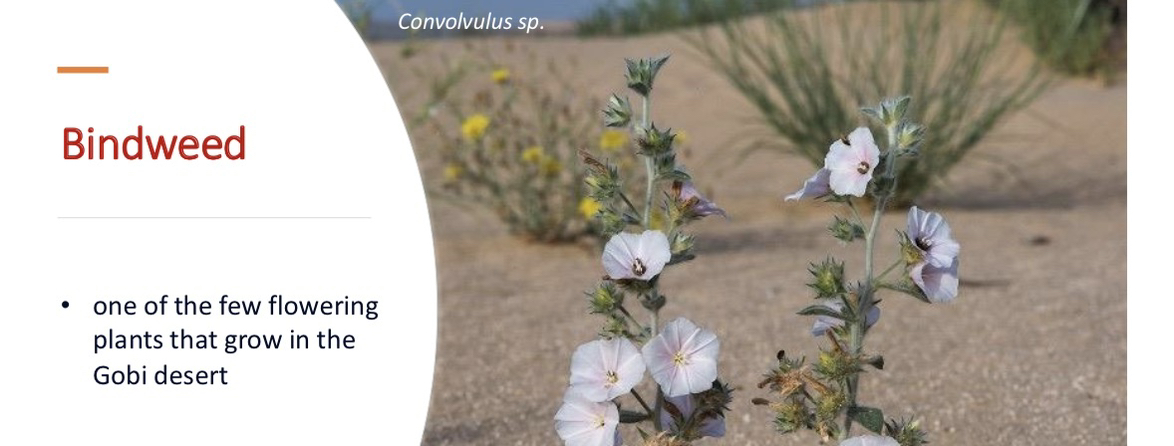
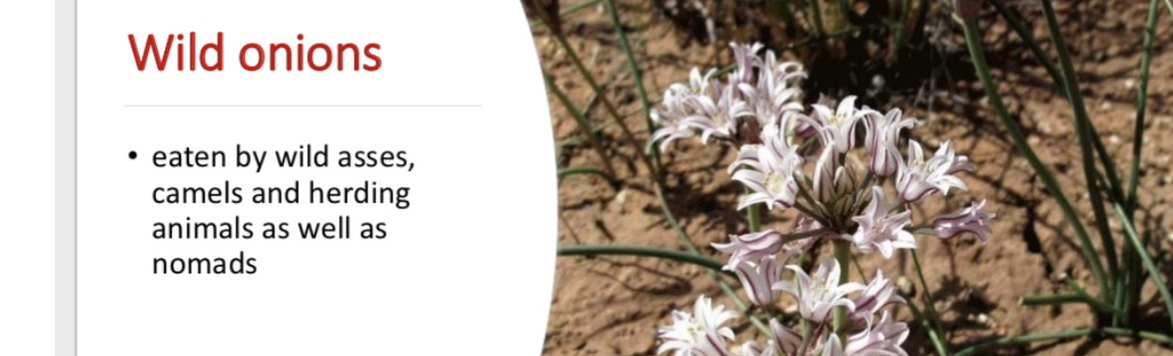
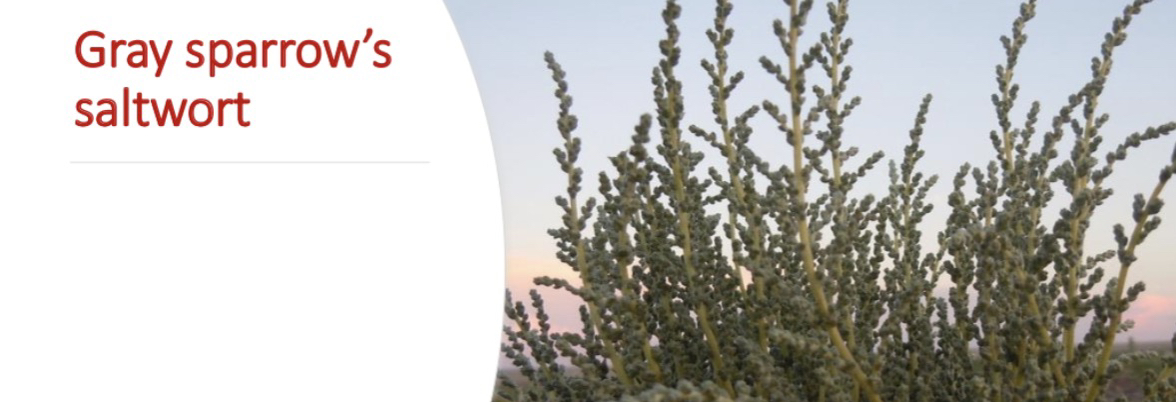
Shrubs
dominant shrubs include 2 Caragana species:
Caragana bungei
Caragana leucocephala
Grasses
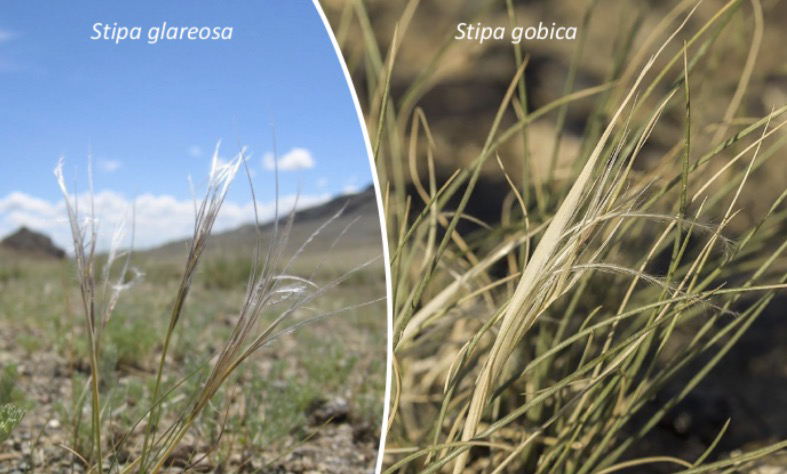
• needle grass (Stipa gobica and Stipa glareosa) • bridlegrass (Cleistogenes soongorica)
• appear after rains
• important food for grazing animals and livestock of herders
Great Green Wall project
started in 1978, biggest tree planting project on the planet, planned to continue until 2050
• goal: create a 2,800-mile-long green belt to hold back the quickly expanding Gobi Desert and sequester millions of tons of carbon dioxide in the process
• by 2023, the project had already increased China’s forest coverage from 10% in 1949 to 25%