AP Music Theory Unit 3: Fundamentals 3 - Triads and Seventh Chords
Triads
chord w 3 notes
root 3rd 5th
cam be blocked or broken
at same time or one after another
Major: M3 + m3
minor (m): m3 + M3
diminished (º): m3 + m3
augmented (*): M3 + M3
Triad Inversion
root position is when root is lowest note
most stable
1st inversion when 3rd note is lowest note
second inversion when 5th is lowest note
least stable
Seventh Chords
four chord members
root 3rd 5th 7th
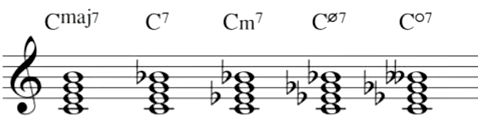
Major (maj7): major triad + major 7th (from the root)
dominant / major-minor (7): major triad + minor 7th
minor (m7): minor triad + minor 7th
half diminished (º7): diminished triad + minor 7th
fully-diminished (º7): diminished triad + diminished 7th
Diatonic Triads
triads that belong to certain scale
indicated using roman numerals
number = scale degree of root
case = quality
Melodic Dictation
notating on a single staff; treble, bass, major, minor, simple compound
recognize the pitches relative to the tonal center
audiation
rmbr melody and be able to hear it in your head
look at key and time signatures
map out possible rhythm menus in your head
melody will be played 3 times, so you want to pace yourself appropriately
Harmonic Dictation
chords will be played 4 times
notating on grand staff
four part harmony of 6-8 chords
write down both soprano and bass
inversions, cadences, secondary harmony must also be notated
recognize chord qualities, inversions, melodic patterns
tonal prolongation
first and second inversion harmonies used in 4 ways
passing harmonies
bass line uses passing tone
neighbor harmonies
neighbor tone in the upper voice
pedal in bass
arpeggiated harmonies
bass is arpeggiated
cadential harmonies
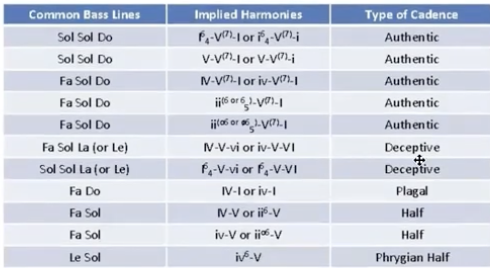
bass follows cadential patterns
knowing bass line is helpful
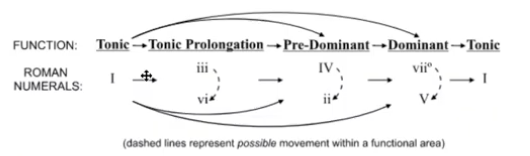
regression does not occur
dom harmonies do not move into subdominant
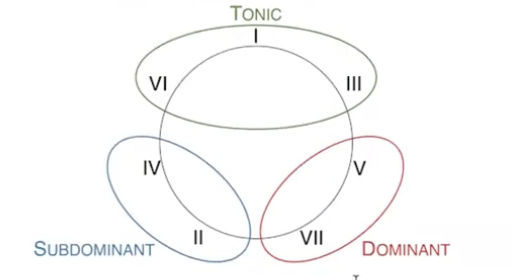
big changes in harmonic function typically happen on stronger beats of measure
7th chords easy bc need to resolve
will hear dissonance
recognize meter, rhythms, tonal center, key, cadences, nonchord tones, performance considerations like change in timbre, dynamics, articulation, tempo, style