Module 30 Land Management
management issues differ for rangelands, forests, and parks
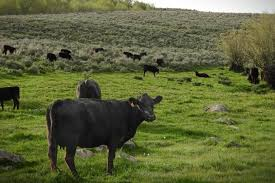
Rangelands
rangelands: A dry open grassland primarily used to graze cattle
grasslands
many of these areas are already semi-arid
Grazing too many animals too quickly can remove all vegetation
this makes the soil susceptible to wind and water erosion or even a dustbowl
can lead to the tragedy of the commons so the rangelands must be regulated
possible strategies to reduce negative impacts:
rotate the cattle among different pastures
limit the amount of cattle
Taylor Grazing Act (required a permit to graze cattle)
Forests
forest: Land dominated by trees and other woody vegetation and sometimes used for commercial logging
more precipitation than a grassland which supports plant life
73% of the forests used for commercial timber operations are privately owned in the US
clear cutting: a method of harvesting trees that involes removing all or almost all of the trees within an area
safer
cheaper
more efficient
less diverse forest
create more erosion and effects on water quality on a slope or watershed
selective cutting: the method of harvesting trees that involves the removal of single trees or a relatively small number of trees from the larger forest
less efficient
more expensive
better for the forest
Ecological sustainable forestry: an approach to remove trees from forests in ways that do not unduly affect the viability of other noncommercial tree species
not efficient at all
Tree plantation: a large area typically planted with a single rapidly growing tree species
all logging disrupts habitat
logging ofter replaces complex forest ecosystems with tree plantations
tree plantations are great!!!
trees don”t compete
Fire management
fire is a natural process for recycling nutrients
reduces the dead biomass in the fire
prescribed burn: a fire deliberately set under controlled conditions in order to reduce the accumulation of dead biomass on a forest floor
prescribed burns helps reduce the risk of uncontrolled natural fires
do not have intentional burns when it is dry and windy
National Parks
are managed for scientific, educational, aesthetic, and recreational use
human overuse of national parks can harm its environment
Wildlife refuges and Wilderness Areas
National wildlife refuge: A federal public land managed for the purpose of protecting wildlife
National wilderness area: An area set aside with the intent of preserving a large tract of an intact ecosystem or landscape
the most primitive
Federal Regulation of Land use
National Environmental Policy Act (NEPA): A 1969 US federal act that mandates an environmental assessment of all projects involving federal money or federal permits
Environmental impact statement (EIS): A document outlining the scope and purpose of a developing project, describing the environmental context, suggesting alternative approaches to the project, and analyzing the environmental impact of each alternative
Environmental mitigation plan: A plan that outlines how a developer will address concerns raised by a project’s impact on the environment
Endangered Species Act: A 1973 US act designed to protect species from extinction
Residential Land Use is Expanding
Suburb: An area surrounding a metropolitan center, with a comparatively low population density
Exurb: An area similar to a suburb, but unconnected to any central city or densely populated area
Since 1950 more than 90% of population growth in metropolitan areas has occurred in suburbs
two out of three people live in suburban or exurban communities
Causes and Consequences of Urban Sprawl
urban sprawl: Urbanized areas that spread into rural area, removing clear boundaries between the two
Urban sprawl has four main sources:
Automobiles and highway construction
Living costs
Urban Blight
Government policies
Urban Blight: The degradation of the build and social environments of the city that often accompanies and accelerates migration to the suburb
Urban Sprawl
Urban sprawl has been enhanced by federal and local laws and policies
Highway trust fund: A US federal fund that pays for the construction and maintenance of roads and highways
Induced Demand: The phenomenon in which an increases in the supply of a good causes demand to grow
Zoning: a planning tool used to separate industry and business from residential neighborhoods
Multi-use Zoning: A zoning classification that allows retail and high-density residential development to coexists in the same area