BIO & ENVIRO FOUNDATIONS 2: (WK9):
NATURE & NURTURE:
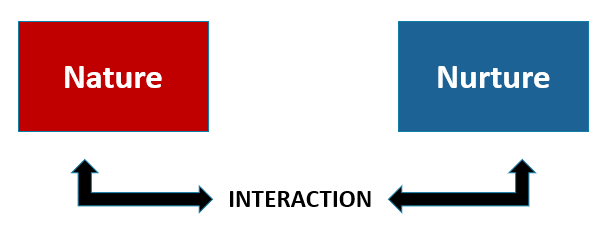
innateness = genetic blueprints
epigenesis = two-way interactions - genes & environments
slower development than other mammals
more brain development outside womb
PRENATAL BRAIN DEVELOPMENT:
neurons = born (neural tube), migrate, differentiate (final form)
6-18 weeks for cerebral cortex
active migration, passive migration
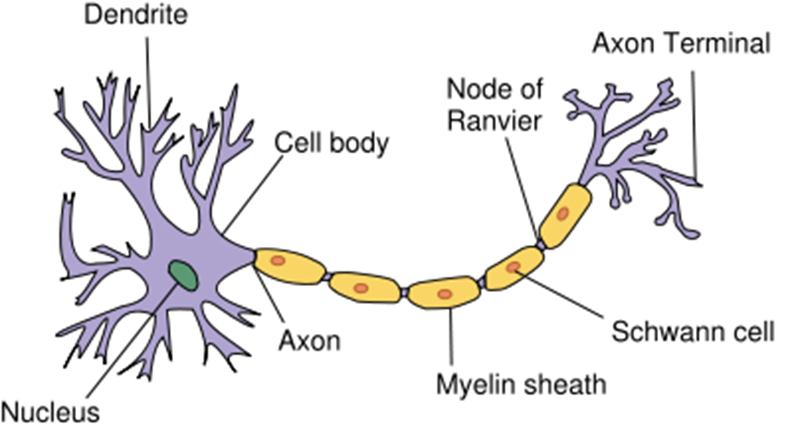
myelination = formation of the isulating myelin sheath around some axons
begins prenatally & continues into early adulthood
formation of myelin sheath speeds up and increases information processing
POST-NATAL BRAIN DEVELOPMENT:
increase in size, complexity and reach of dendritic tree, number of synpases and neuural connections
PLASTICITY:
at birth, the brain is plastic
if there is brain damage, other areas take over the function of it
brain growth increases specialisation
the adult brain is characterised by specialised cortical regions
MODULES:
localisation of perceptual, motor & cognitive (approx same region as the cortex)
differentiation of cerebral cortrex into diff structures, diff functional units or modules
e.g. broca & wernicke’s area
INNATE MODULARITY VS MODULARISATION:
Fodor (1983) - innate
humans are born with innate capacity to develop information processing systems to make sense of the world
environmental influences function through evolution
Karmiloff-Smith (1992) - modularisation
modules are a product of development, human mind becomes modular
limited amount of innately specified constraints on the mind would produce modular adult minds
EVIDENCE FOR MODULARISATION:
PET scans (Peterson)
native english speakers, responses to written english words, pseudo words, nonsense strings etc.
specific region of left visual cortex - only responded to eng words or pseudo words
EEG with deaf participants (Neville)
regions of temporal lobe now dominated by visual input
EEG increasing localisation (Milles)
processing of known words initially spread over a relatively large area of the cortex
narrows irrespective of maturational age
SELF-ORGANISATION:
initially neural systems is undifferentiated (random)
small adaptive changes - order to systems
redundant neural pathways are eliminated, surviving become separated
newborn visual preference for bright & dim stimuli was affected by previous exposure to an auditory stimulus
ADULTHOOD AND AGING:
brain loses 5-10% of weight on average between 20 and 90, and brain volume also decreases
this affects cognitive functioning in older adults