Chemotherapy of Cancers and Infections
Selective Toxicity and the concepts of biochemical differences
What will we cover?
1. General introduction: Selective toxicity and the concept of biochemical differences
2. Introduction to the hallmarks of cancer
3. Pharmacotherapy of Cancer: Alkylating agents and anti-metabolites
4. Pharmacotherapy of Cancer: Cytotoxic antibiotics and plant derivatives
5. Pharmacotherapy of Cancer: Hormone-based treatment and drug resistance
6. Pharmacotherapy of Cancer: Future treatments
Paul Ehrlich (1854-1915)
Father of immunology, pharmacology and pioneer of chemotherapy
Salversan: treatment for syphilis
Coined the term “magic bullet”
1908: Nobel Prize in Medicine
Defining the term chemotherapy
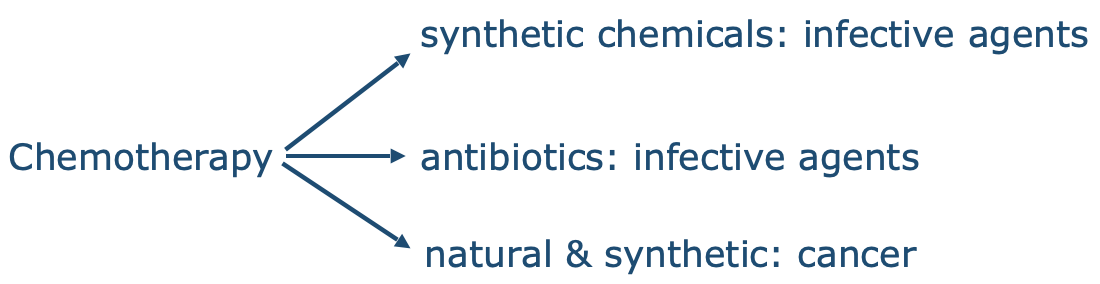
The term chemotherapy was introduced by Paul Ehrlich to describe the use of synthetic chemicals to destroy infective agents.
Antibiotics: substances produced by some micro - organisms that kill or inhibit the growth of other microorganisms.
The term chemotherapy is more widely applied to the use of chemicals (natural or synthetic) used to inhibit the growth of cancer cells.
Selective Toxicity
Chemotherapeutic agents are chemicals which are intended to be toxic for the parasitic cell but harmless for the host/healthy cell.
Selective toxicity depends on the existence of biochemical differences between the parasitic cell and the host cell.
Difference depends how far apart host and parasite are evolutionary.
What are the targets?
Prokaryotes - e.g. bacteria
Eukaryotes - e.g. single-celled protozoa (malaria) and multi- cellular helminths (tapeworms)
Viruses - utilize the metabolic machinery of the host cell and thus present a particular kind of problem
Cancer cells (host cells that have become malignant) can be considered “foreign” or “parasitic”.
The Three categories of Biochemical reactions
Class I: Generation of energy & small carbon compounds
Class II: Generation of necessary small molecules e.g. amino acids, nucleotides, phospholipids, amino sugars & carbohydrates
Class III: Generation of macromolecules, e.g. proteins, RNA, DNA, polysaccharides and peptidoglycan
Biochemical reactions as potential targets
Class I reactions : NOT good targets for two reasons:
No marked differences between bacteria and human cells in the mechanisms used to derive energy from glucose;
Bacteria can use variety of other compounds (amino acids, lactate) instead of glucose.
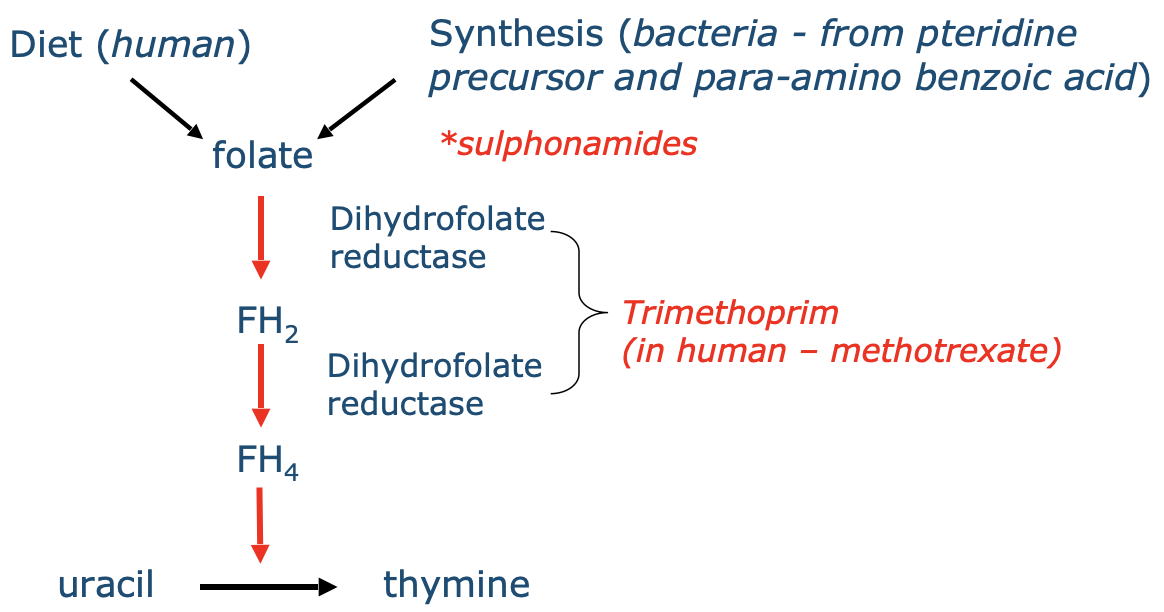
Class II reactions - better targets since there are some differences. For example, folate synthesis.
Folate Synthesis (Class II) as a chemotherapeutic target
Folate synthesis occurs in bacteria but not human (obtained from diet).
Folate is required for DNA synthesis in bacteria and human – in the form of tetrahydrofolate (FH4) used as a co-factor in synthesis of purines and pyrimidines.
Bacteria have not evolved the necessary transport systems and therefore must synthesize their own folate.
How can bacterial folate synthesis be inhibited by chemotherapeutics?
Class III Biochemical reactions as chemotherapeutic targets
Good targets since there are very distinct differences between bacteria/viruses and human cells:
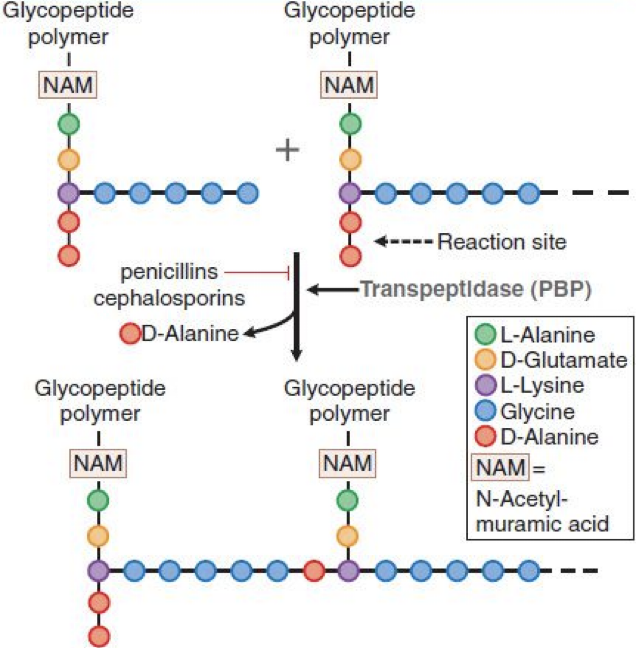
Synthesis of peptidoglycan
Protein synthesis
Nucleic acid synthesis
1.Peptidoglycan synthesis inhibitors- Bacterial cell structure
No nucleus;
No mitochondria (energy generation occurs in the plasma membrane);
Cell membrane similar to eukaryotic cells (phospholipid bilayer);
Cell wall which contains peptidoglycan - unique to prokaryotic cells!
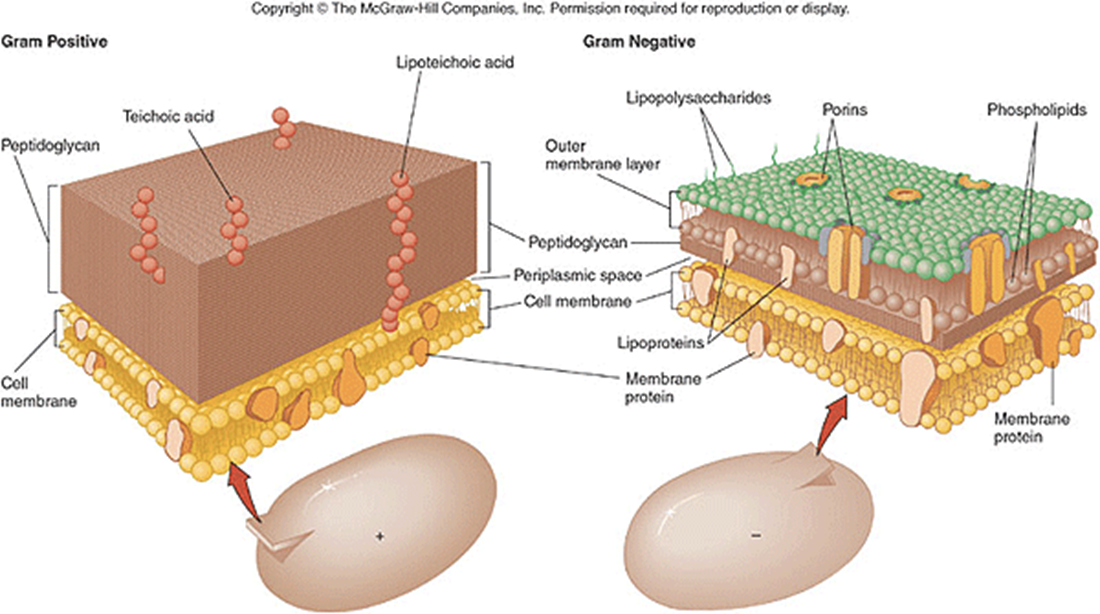
Penicillin inhibits the synthesis of bacterial cell wall peptidoglycan.
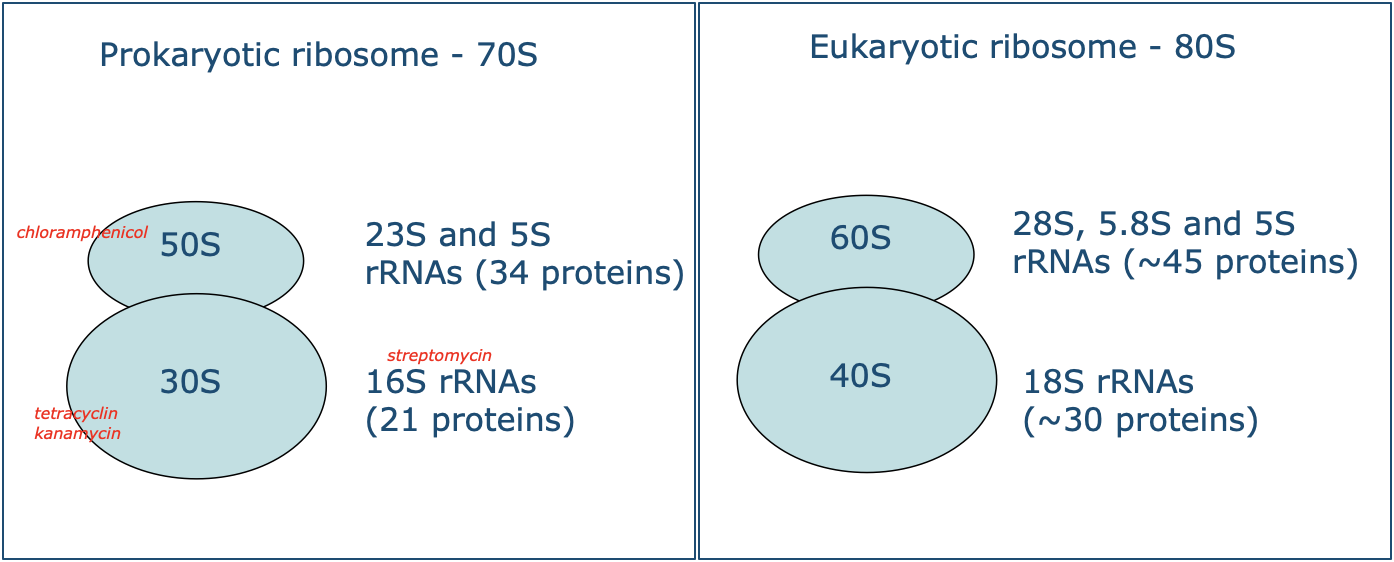
2.Protein Synthesis inhibitors- ribosome structure as targets
Eukaryotic and prokaryotic ribosomes are innately different:
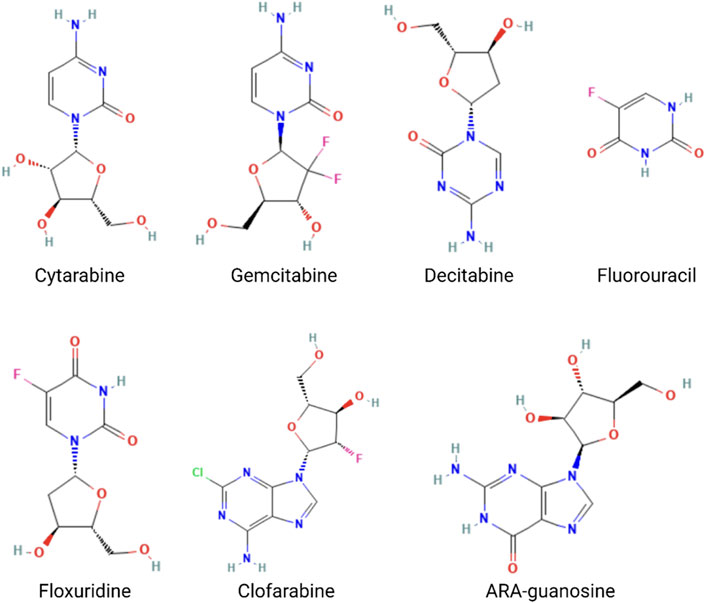
3.Targeting nucleic acids I - Inhibition of nucleotide synthesis
1. Sulphonamides (folate synthesis) – bacteria only
2. FH2 reductase inhibitors (folate reduction)
3. Pyrimidine & purine analogues
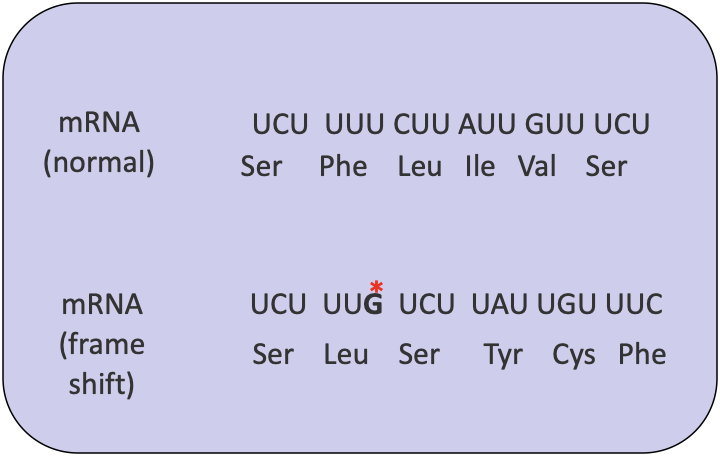
3.2.Targeting nucleic acids II - Altering the base-pairing properties of the template
Agents that intercalate in the DNA have this effect, e.g. proflavine and acriflavine used as anti-septics
Cause frame-shift mutations:
3.3.Targeting nucleic acids III - Inhibition of RNA polymerase and DNA polymerase
actinomycin D (cancer chemotherapy) blocks movement of RNA polymerase in human
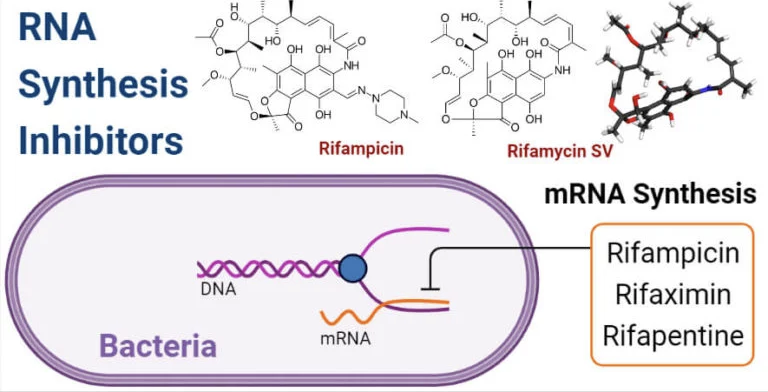
rifamycin and rifampicin specific inhibitors of bacterial RNA polymerase.
acyclovir (analogue of guanine) is phosphorylated to acyclovir triphosphate which selectively inhibits DNA polymerase of the herpes virus.
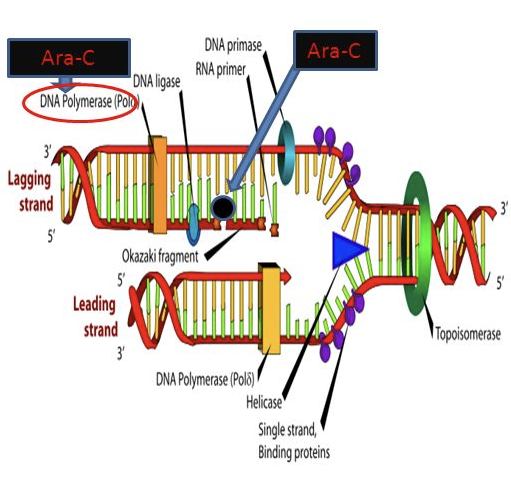
cytarabine (cytosine arabinoside) - triphosphate form potent inhibitor of mammalian DNA polymerase.
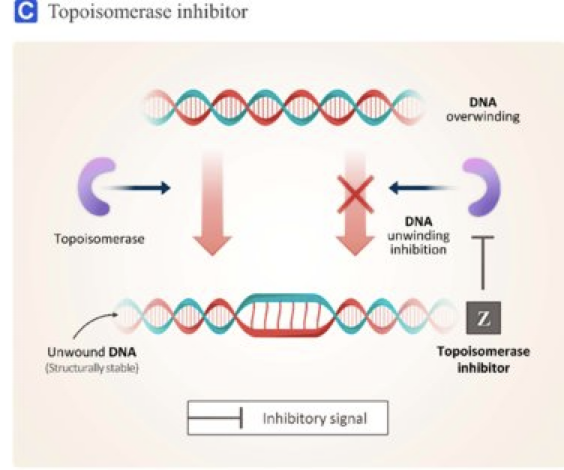
3.4.Targeting nucleic acids VI - Inhibition of DNA gyrase (topoisomerase II)
Fluoroquinolones: inhibitors of bacterial DNA gyrase
Doxorubicin: inhibitor of mammalian DNA gyrase
3.5.Targeting nucleic acids V - Direct effects on DNA itself
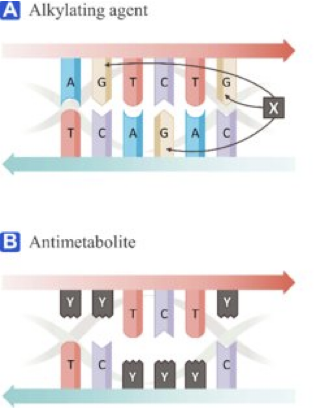
Alkylating agents form covalent bonds with bases which inhibits DNA replication and transcription and promotes apoptosis
used in cancer chemotherapy e.g. nitrogen mustard derivatives
Purine and pyrimidine analogues
No anti-bacterial agents work by these mechanisms