The Role of Political Parties
A political party is an organization that promotes and assists candidates for elective offices. The party's goal is to use the candidates to promote legislation that will further the cause of the party. Public policy is profoundly affected by legislation and the agendas of the political parties.
Political parties were not always popular with the Founding Fathers. After his second term as president, George Washington warned about the pitfalls of having political parties. He was not impressed by the parties that supported Thomas Jefferson and Alexander Hamilton—the Democratic-Republicans and the Federalists.
Thomas Jefferson was backed by the Democratic-Republicans, or Jeffersonians, later known only as the Republicans. (This was not the modern-day Republican party.) Alexander Hamilton was backed by the Federalists. Washington was taken aback by the constant quarreling between Jefferson and Hamilton, who were both part of his cabinet.
Political parties are organizations that operate much like a business. Each party has an office or headquarters, a staff, rules, and financial plans. The parties also have local and state offices and headquarters.
Organization of Political Parties
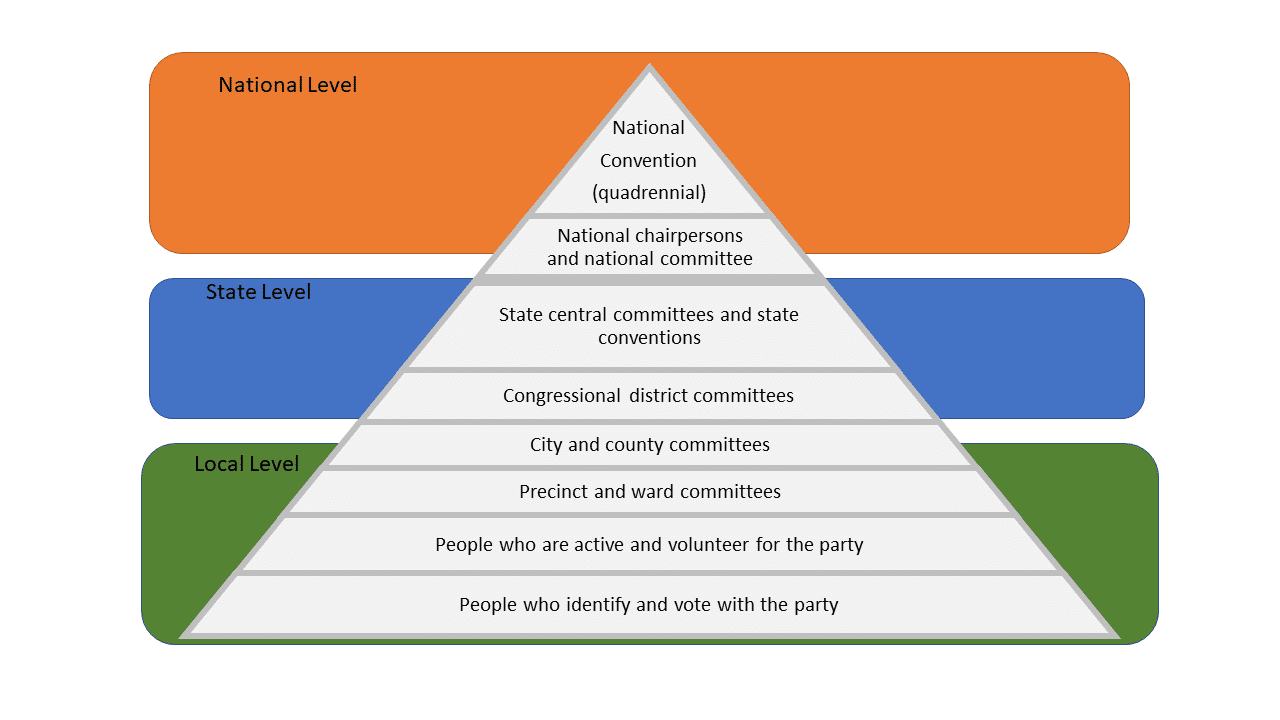
Registration for a party is informal and easily changed. There are no dues or membership requirements. One simply declares it when registering to vote.
Political parties are often formed because of a specific issue or set of issues. For example, the Free Soil Party of the mid-nineteenth century was created almost entirely to oppose the expansion of slavery into the western United States. Some political parties in America have been formed simply because of the situation in one of the current parties. Many parties have split from the larger parties as certain issues have caused dissension within those large parties.
In this lesson, we'll give a brief history of political parties in America and then go over the nation's current party structure.
The History of American Political Parties
The Founding Fathers' Political Parties
The early parties were loose caucuses, or groups, of politically active members from their various localities. These caucuses chose which candidates and issues the parties would support. New England was strongly Federalist, and much of the South was passionately Republican. After George Washington, the second president of the United States was John Adams, a Federalist. In 1796, Adams narrowly defeated Jefferson, who became vice president. (Remember that this situation, with a president and vice president from different parties, is part of what led to the Twelfth Amendment.)
In 1800, Thomas Jefferson won the election, and the Republicans took over the control of the executive branch. Jefferson was reelected in 1804 with almost no opposition. The following four terms were also won by Republicans—James Madison was elected for the next two terms, and James Monroe for the two terms after that. The Republicans were so successful that the Federalist party virtually ceased to exist by Monroe's presidency, and the United States was governed under the leadership of one party. This single-party period is known as the "Era of Good Feelings."
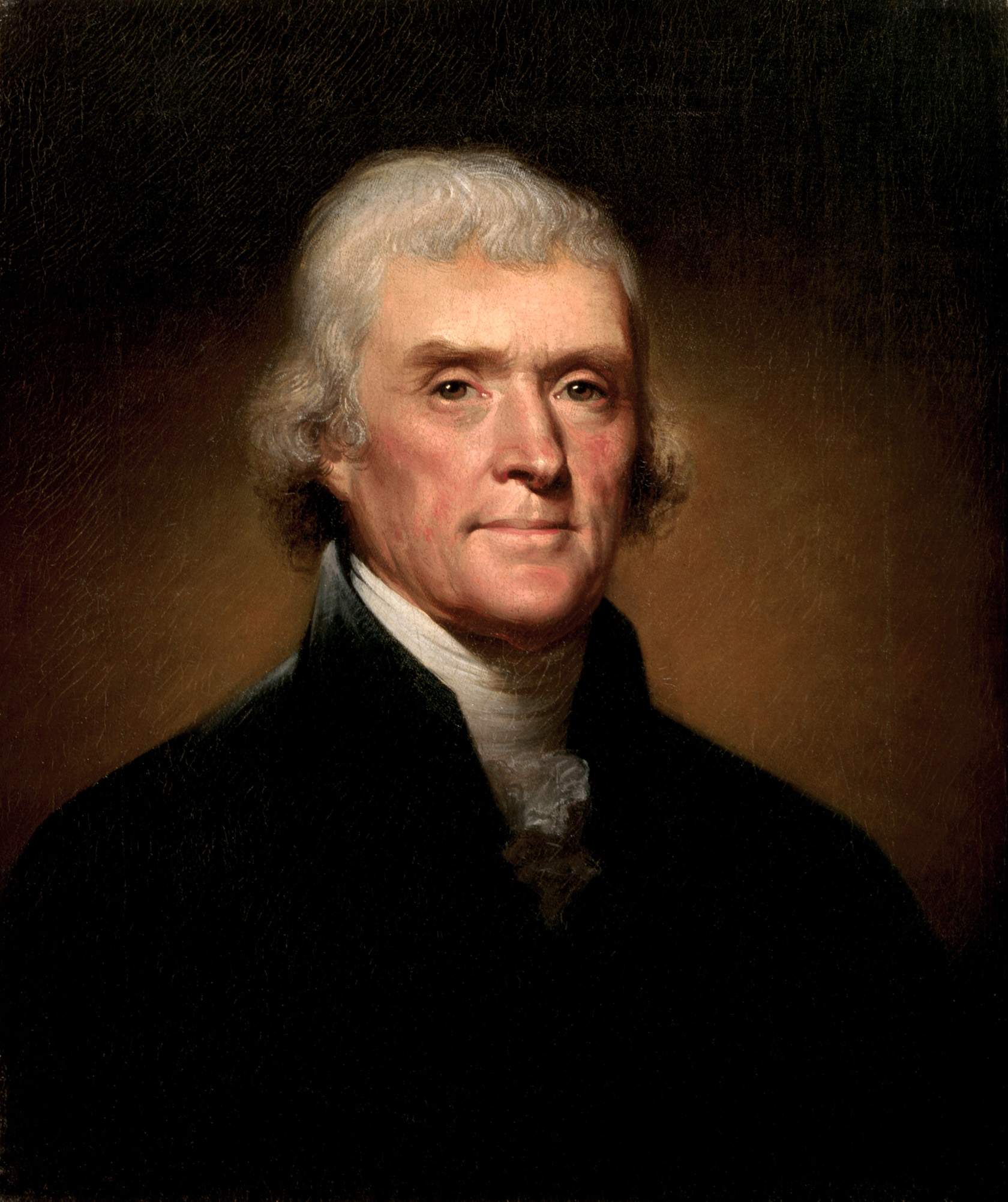
Thomas Jefferson
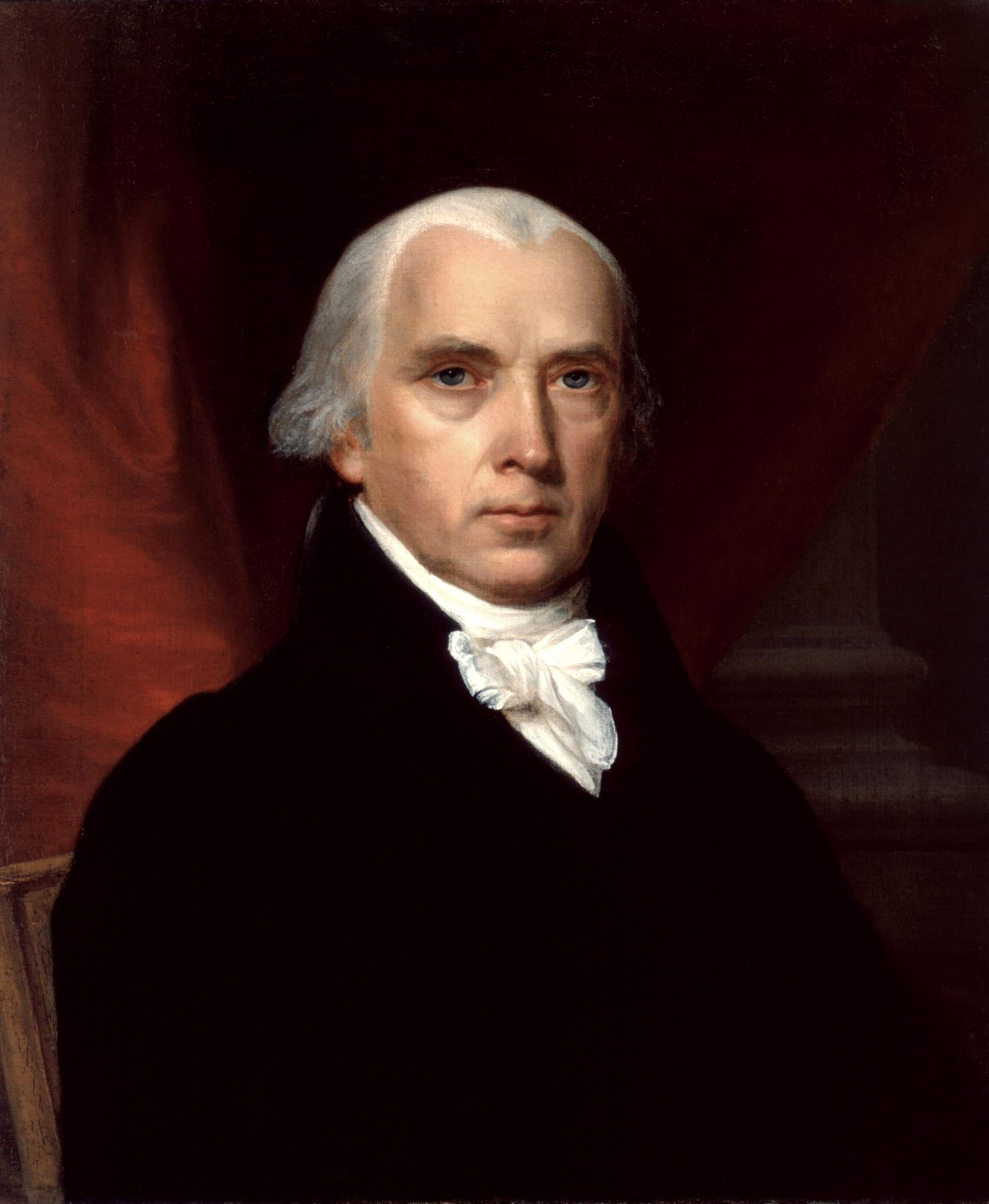
James Madison
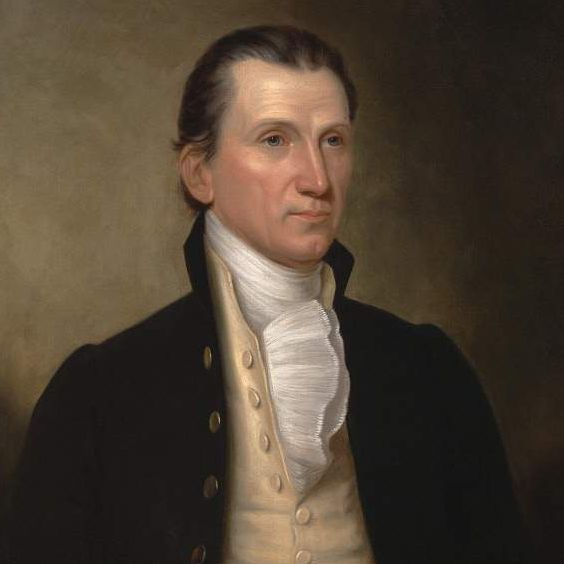
James Monroe
Jackson's Democratic Party vs. the Whigs
What is often called the Second Party System emerged around 1824 with Andrew Jackson's first campaign for the presidency. The two major parties during this period were Jackson's Democratic Party and the Whig Party, which was led by Henry Clay. This period would last until the Civil War.
When Andrew Jackson ran for president in 1828, more than a million votes were cast for the first time in American history. Because suffrage was extended to all free, white adult males for the first time, it was the emergence of truly mass political participation. The party system of the Jacksonian period was built from the bottom up rather than from the top down as it had been during the time of the Founding Fathers. To replace the Founding Fathers' caucus system, the party convention was invented. In 1831, the first convention of a major political party was held by anti-Jackson Republicans, called the National Republicans, and the party nominated Henry Clay for president. The Jacksonian Democrats held their convention in 1832. They chose Andrew Jackson for reelection and selected Martin Van Buren as his running mate. After Jackson's successful reelection, his opponents formed a new political party called the Whig Party. The Whigs founded their party almost entirely on their dislike of Jackson rather than having an actual platform.
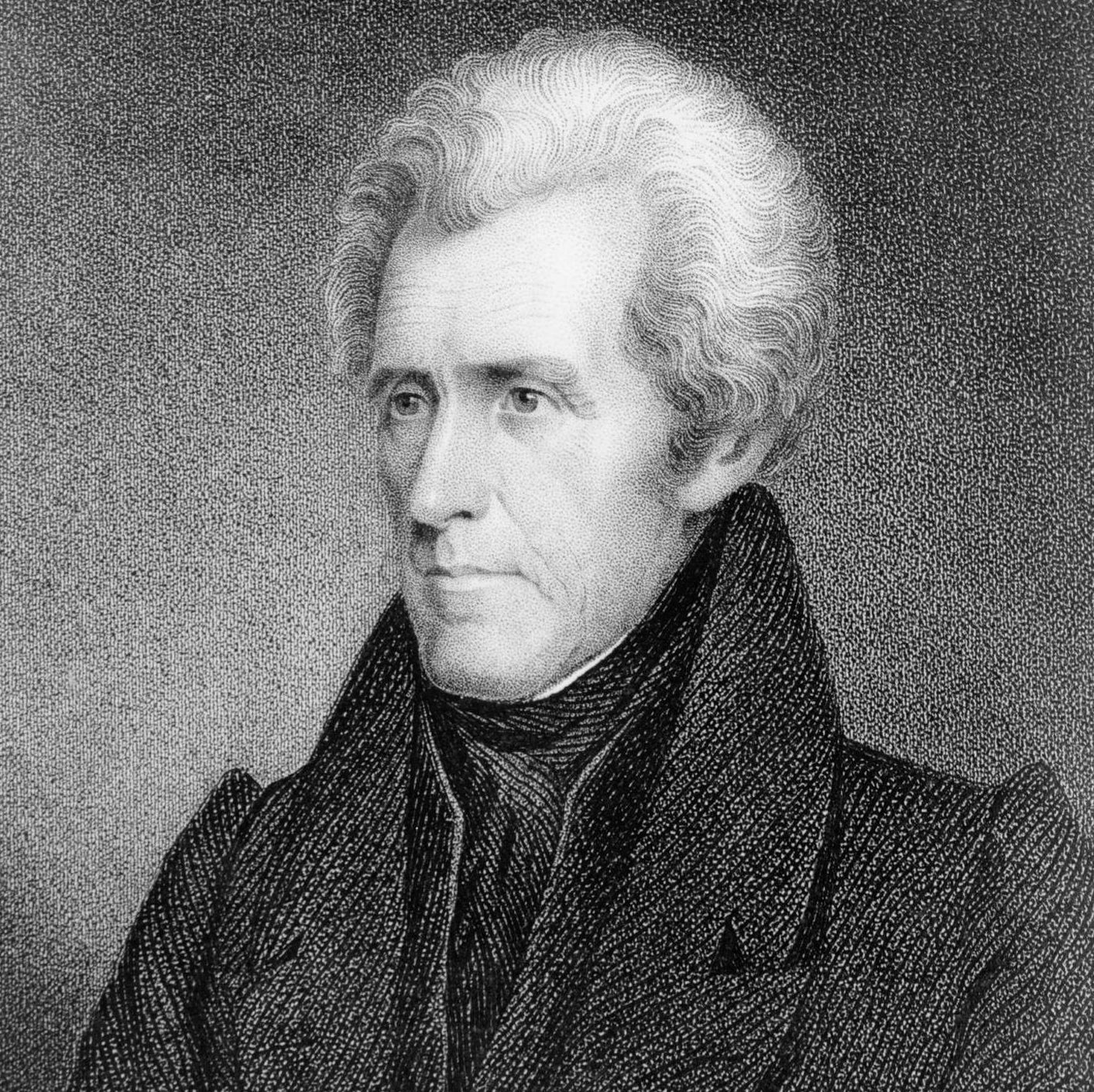
Andrew Jackson
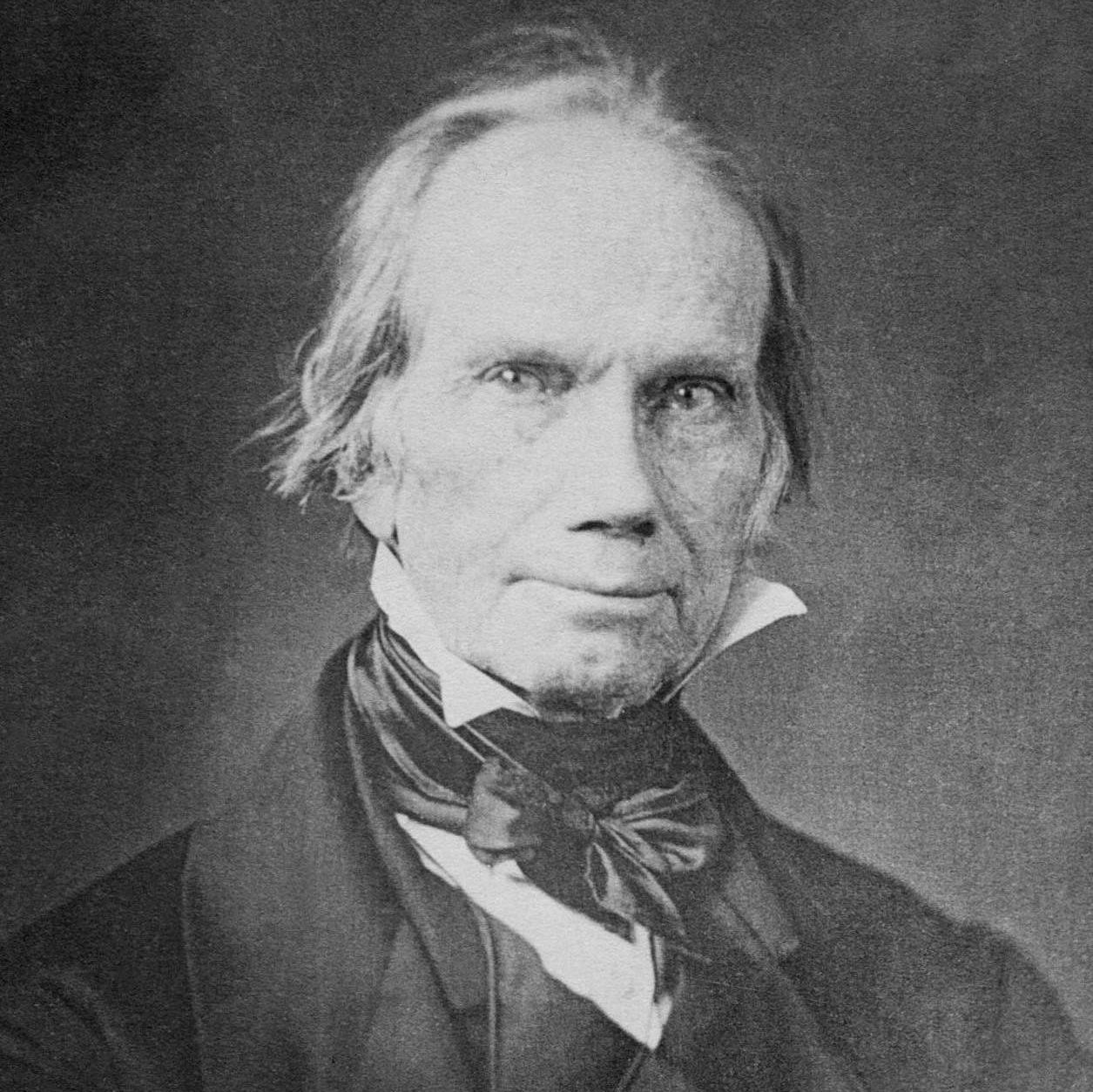
Henry Clay
The Civil War and Beyond
In the lead-up to the Civil War, both the Democratic and Whig parties divided over the issue of slavery, and new parties emerged. The modern Republican Party, which began as a third party, emerged from the Civil War as a major party and dominated national politics for years.
The Civil War deeply polarized the voting public. Those who supported the Union became Republicans, and those who either supported the Confederacy or opposed the war became Democrats. From 1896 until the 1930s, northern states remained solidly Republican, and southern states were solidly Democratic. This split had a profound effect on the organization of political parties, and it meant that most states were now one-party states. As a result, party loyalty and party machinery could reward supporters with jobs and other favors at will. This period of history is most clearly marked by political corruption and boss rule in politics.
Beginning in the early 1900s, progressives began calling for measures to curtail the political parties. They called for civil service reform to eliminate patronage—the practice of an elected official giving jobs to supporters after winning an election. In 1911, progressives were able to institute the direct primary and adopt procedures for referendums in California. The previous split between North and South from the Civil War was replaced by an East versus West split and an urban versus rural split. This alignment continued until 1932, when change was triggered by the Great Depression.
From 1933 to 1967, many voters were wooed by the economic policies of the Democrats, which started the era of big government under Franklin D. Roosevelt. During this period, the Democratic Party won seven of nine presidential elections, with two terms by Republican Dwight D. Eisenhower being the only exception to Democratic dominance. Democrats also controlled both houses of Congress for all but four years. Democratic dominance peaked from 1937 to 1939, when Democrats held 75 of 96 Senate seats and 333 of 435 seats in the House of Representatives.
From 1968 to the present, there has been a sharp divide between the parties. Many third parties have developed as a result of differences regarding many issues. There has been a corresponding increase in voters who identify themselves as independents rather than belonging to one of the parties. In addition, more and more voters are voting a split ticket as opposed to voting a straight ticket. Voting a split ticket involves voting for candidates from two different parties in the same election (for different offices). An example would be voting for a Republican for president but a Democrat for senator. Split ticket voting was almost unheard of forty years ago.
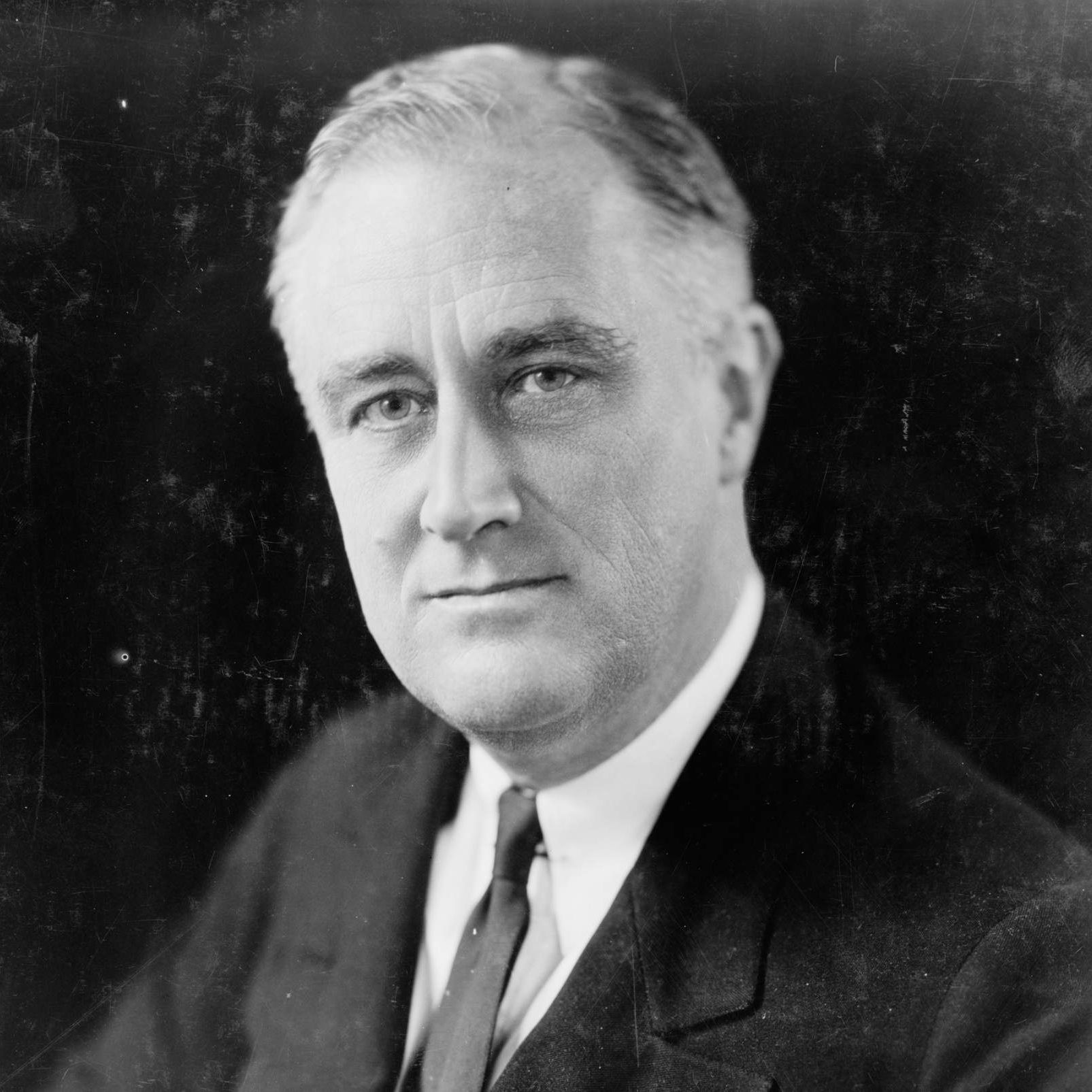
Franklin D. Roosevelt
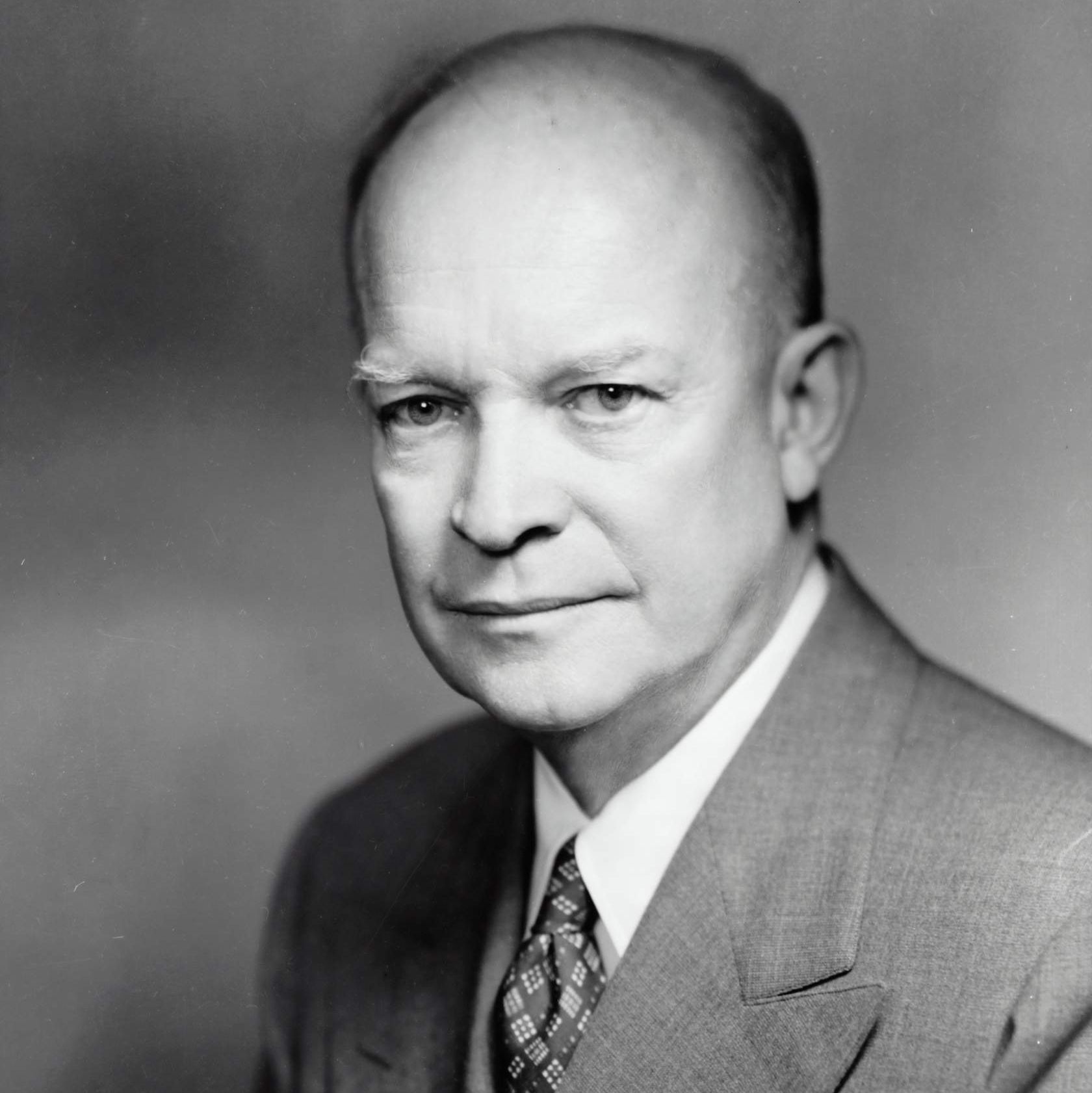
Dwight D. Eisenhower
Current Structure and Roles of Political Parties
The United States is unique in having a two-party system. Most European democracies are multi-party systems. This is primarily due to the fact that in the United States, elections at every level of government are based on the plurality system. In this system, the winner is the candidate who gets the most votes, even if he or she does not receive a majority of all votes cast. The most dramatic example of the winner-take-all principle is the Electoral College. In every state except Maine and Nebraska, the candidate who wins the most popular votes in a state wins all of that state's electoral votes. Minor parties cannot compete under this system, and most voters are reluctant to waste their votes on a minor candidate who cannot win under the plurality system. In this way, the party system in effect can be counterproductive at times. The parties must keep in mind that the American voter is what drives the system.
Today, political parties have five main functions:
Select Candidates. Perhaps the most vital function of political parties is determining what names end up on the ballot when you go to vote in elections. There are various methods that parties use to select candidates, depending on the office. For many national offices, such as the president or senators, parties hold direct primaries. In these primaries, voters choose which candidate will be the official nominee of their party. Other methods for choosing candidates include caucuses, nominating conventions, and petitions. These methods usually involve fewer participants and are often seen as less democratic than direct primaries. In Virginia, state and local party organizations decide which method will be used to select candidates.
Raise Funds. Unfortunately, it often takes a great deal of money to successfully run for political office. Unless a candidate is independently wealthy, he or she will have to seek donations. The candidate's political party helps raise this money in the hopes that it will help the candidate get elected.
Conduct Campaigns. Political parties provide staff and support to help their candidates conduct political campaigns.
Identify Important Issues. Most of the issues that political parties talk about are based on what they've identified as important issues to the public. If Medicare for All becomes a hot political topic, it's because politicians think there are many voters that will resonate with that issue. Political parties must work to identify these important issues so that they can effectively win votes.
Monitor the Party in Power. If a political party is not in power, then that party plays a key role in monitoring the activities of the party that is in power. Parties not in power help protect the public against the party in power abusing that power.
Today's major political parties are coalitions of different groups and often try to conduct campaigns that appeal to moderates instead of catering to individuals who are extremely liberal or extremely conservative. The major parties know that it takes widespread support to win elections.
Current Parties
REPUBLICAN PARTY
Today, the Republican Party is the conservative party in the United States. Republicans believe in limited government and federalism. They think that individuals make better decisions than the government, that all people are entitled to equal rights, and that decisions are best made close to home. Other positions of the Republican Party include support for lower taxes, gun rights, restrictions on abortion, deregulation, and free-market capitalism.
DEMOCRATIC PARTY
Since the 1890s, the Democratic Party has favored liberal positions in economics as well as socially progressive agendas. Democrats typically advocate for social justice, affirmative action, and a market economy tempered by government intervention. They support strong labor unions, abortion rights, and extensive business and environmental regulations. In contrast to the Republican Party, Democrats generally believe that the government is better suited to solve problems than individuals are.
 THIRD PARTIES
Minor parties, or third parties, have long been part of American political life. In 1992, and again in 1996, Ross Perot ran under the Reform Party ticket and earned a significant portion of the vote (19% in 1992 and 8% in 1996). In the early 2000s, Ralph Nader of the Green Party was the most successful minor party but failed to ever reach 3% in a presidential election.
Recently, the Libertarian Party has been the most successful of the third parties, but it has still made very little impact on national politics. Gary Johnson of the Libertarian Party finished in third in the popular vote in both 2012 and 2016 but only received 0.99% of the vote in 2012 and 3.28% in 2016.
Image: Gary Johnson (2012)