Unit 9
Beam Anatomy
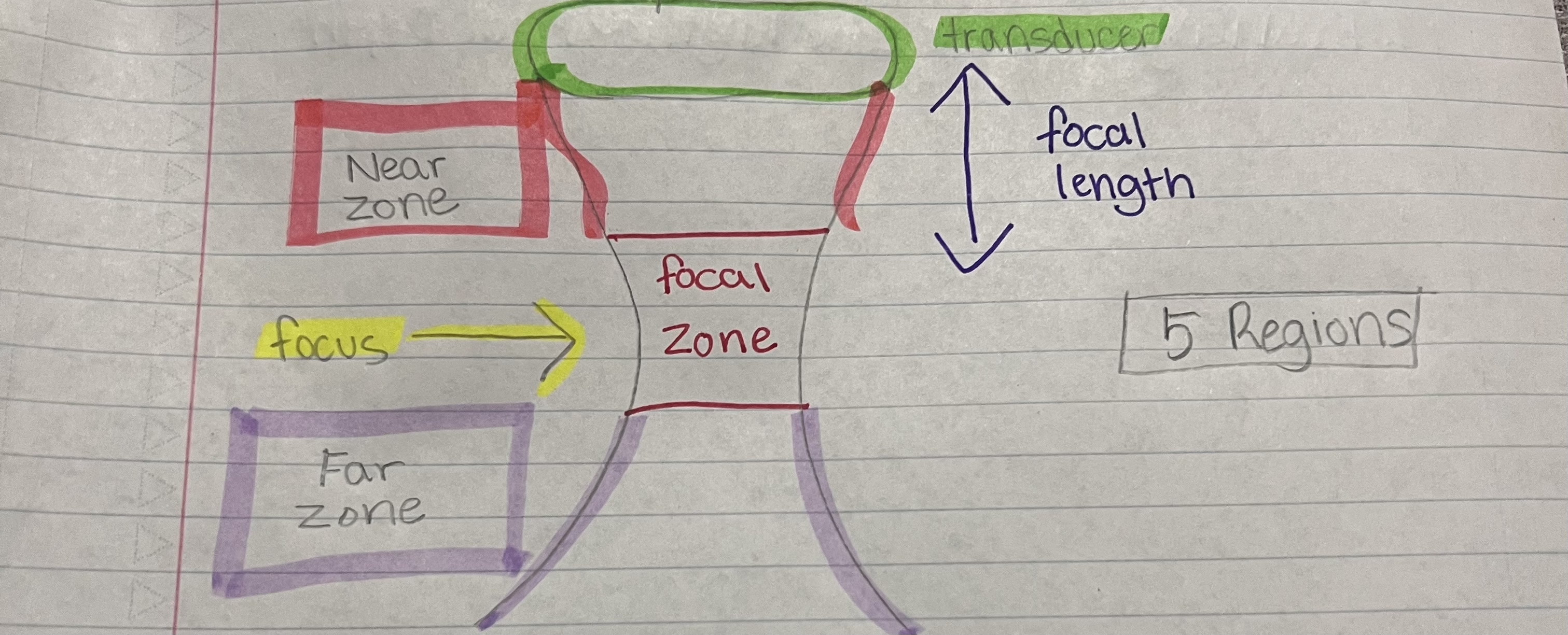
Near Zone
Also known as near field or fresnel zone
Starts at the transducer ends at the focus
The width of the near field can get is equal to the diameter of the element
Diameter of crystal = aperture (D)
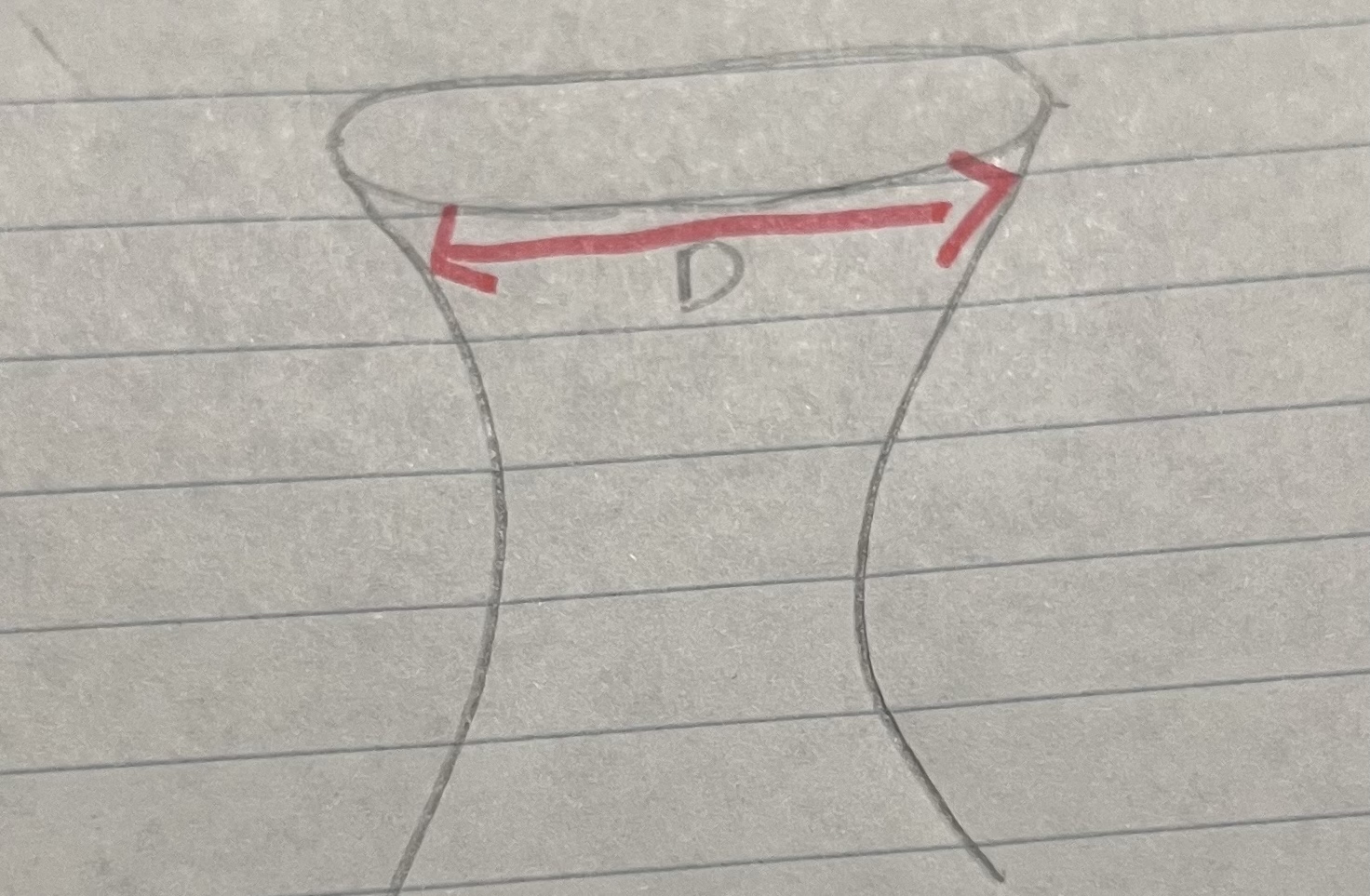
Example: aperture = 5mm
The widest the near zone will be is 5mm
Focal length
Also known as near zone length on focal depth
Distance from the transducer to the focal point
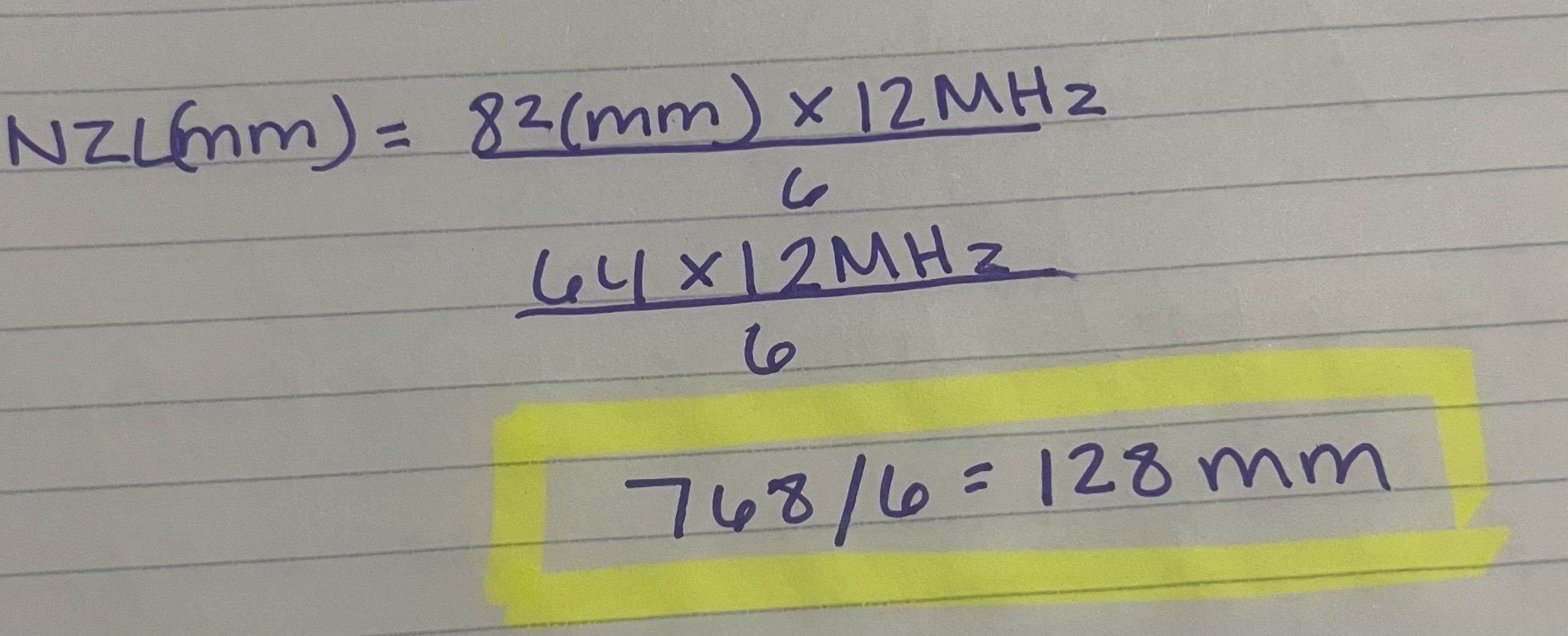
Near zone length is directly related to both frequency and diameter
Near Zone Formula :

Focus
Also known as focal point, end of near zone, beginning of far zone, and middle of focal zone
Most narrow part of the beam
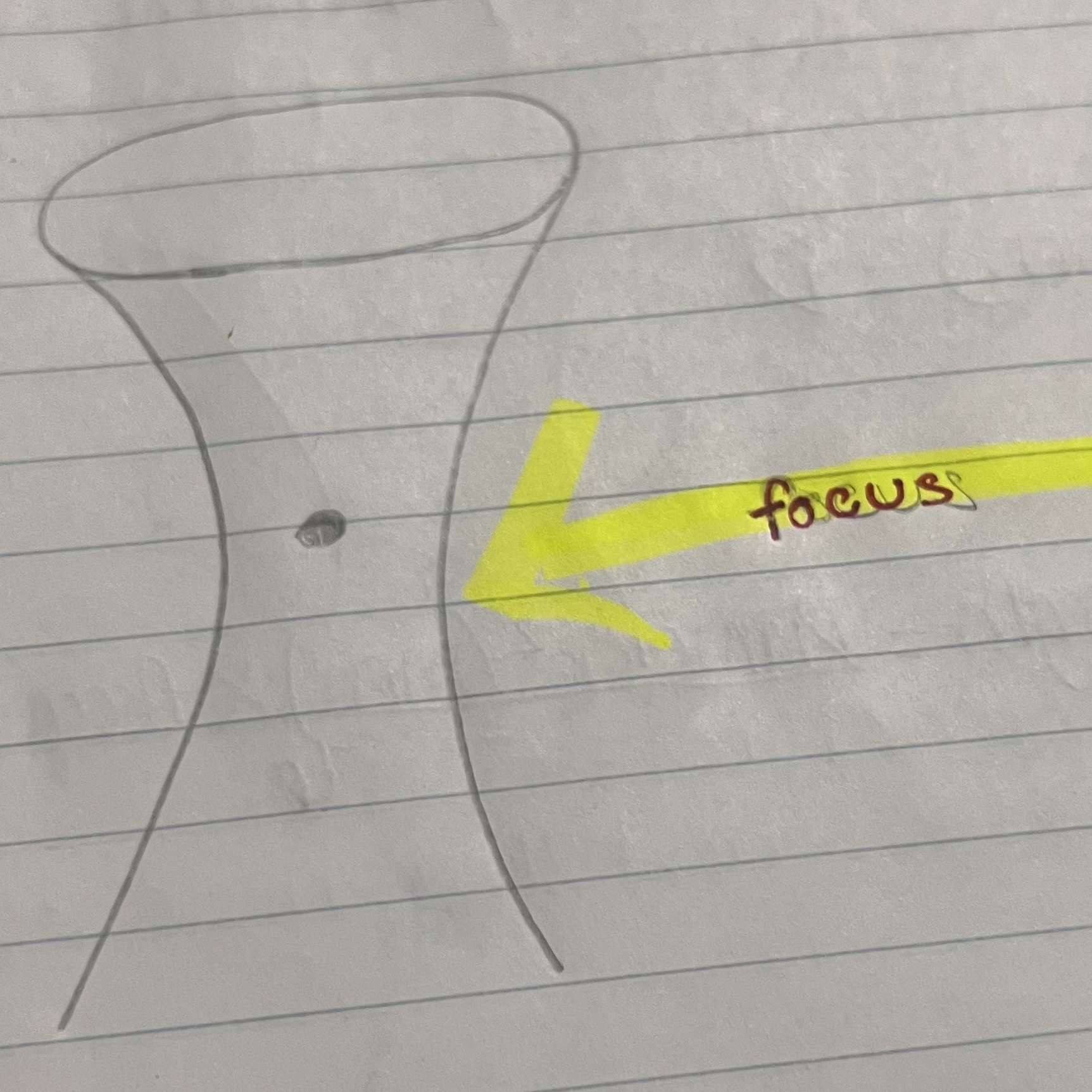
The focus is ½ of the diameter
Example diameter = 10, focus =5 mm
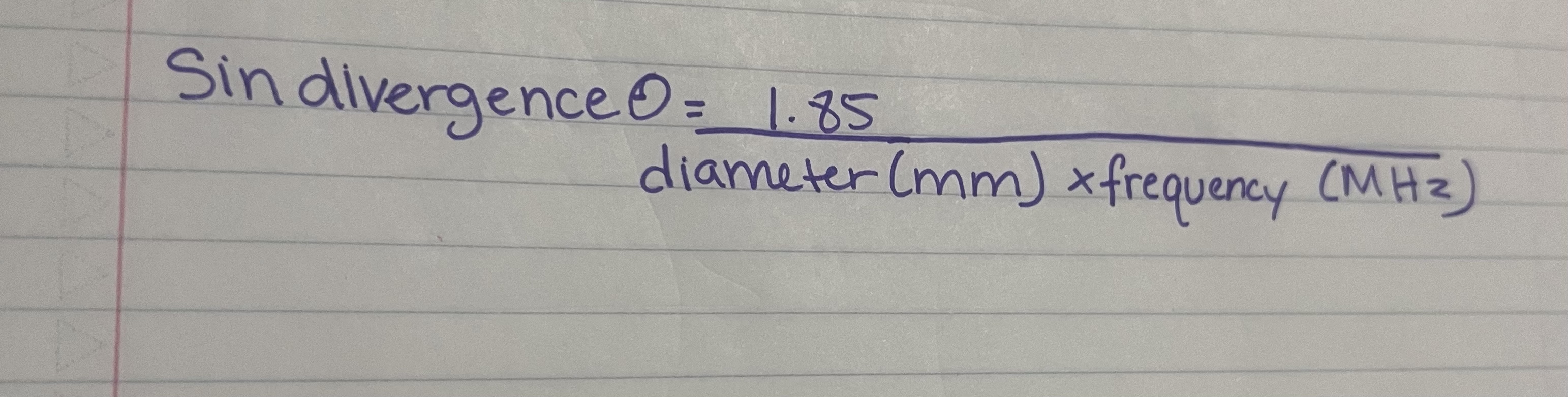
Far zone
Also known as far field or Fraunhofer zone
Starts at the transducer away from the focus
Narrowest point is focus
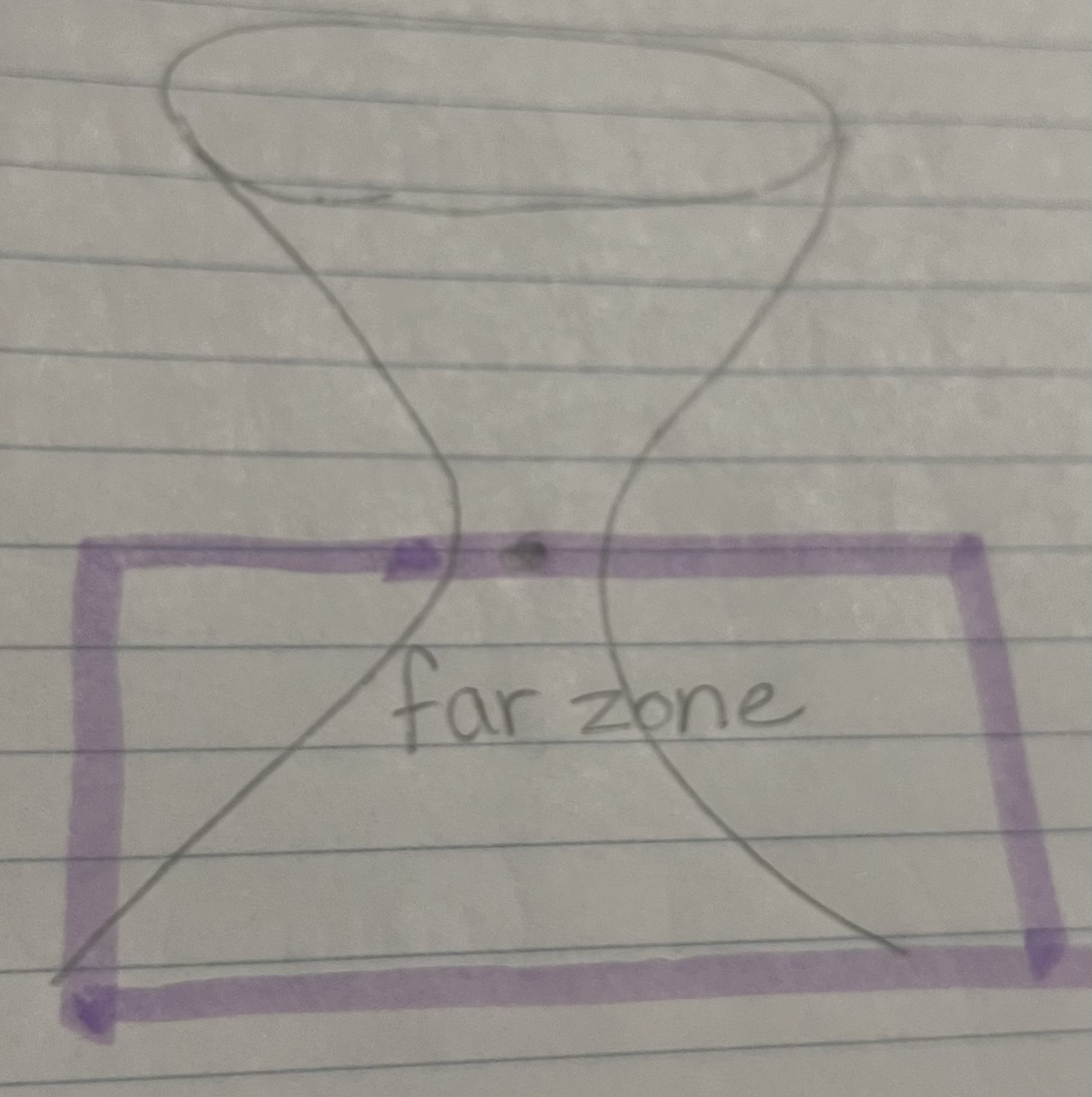
At 2 near zone length, the far field diameter = the element diameter
Formula:
Focal Zone
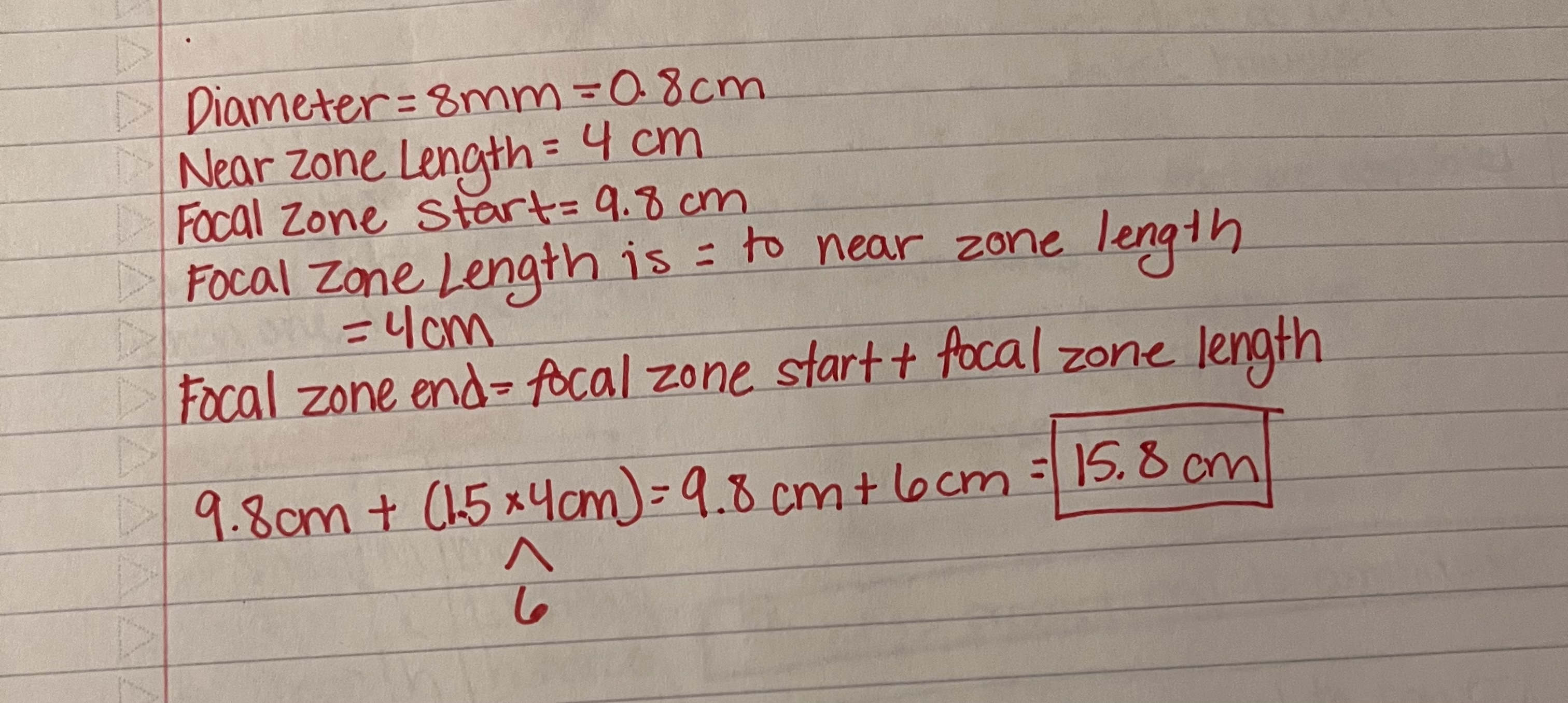
Extends equally to the far zone and near zone with the focus point in the middle
Practice
12MHz transducer and 8 mm wide element
What is the width of the beam as it exits the transducer?
8 mm because equals the element diameter
At what depth is the focus?
How wide is the beam at the focus?
4 because it is ½ of the element
At what depth in the far field does the beam diameter equal the 8 mm?
128x128= 256 mm
If the focal zone starts at 9.8 cm into the beam where does it end
What diameter is the beam at 30 cm?
>8mm
frequency and focal depth are DIRECTLY related
Diameter and focal depth are DIRECTLY related
Beam Divergence
diameter and divergence are INVERSELY related
Frequency and divergence are INVERSELY related
Lateral resolution is dependent on the width of the beam
- the focal zone should be placed at area of interest or below because that is the narrowest place of the beam and will provide superior detail
diverging far fields = poor image detail.
High frequency transducers = less divergence which results in better detail
Frequency and beam divergence are inversely related
•Low frequency= shallow focus and more divergence
Less divergence wide diameter = deep focus and less divergence
Numerator in a equation = directly related
Denominator in a equation= inversely related