Engage Fundamentals RN 2.0: Infection Control and Isolation
Learning Objectives
Examine the elements of the chain of infection and the body’s defenses.
Describe the manifestations of an inflammatory response, local and systemic infections, and related diagnostic tests.
Relate principles of medical and surgical asepsis and their application to client care.
Differentiate between standard precautions and various types of isolation precautions.
Identify nursing interventions that can protect against infection.
Introduction
This lesson focuses on the individual elements of the chain of infection and the body’s defenses. The body can detect foreign infectious invaders and build defenses against these invaders. The lesson describes the body’s defense mechanisms that are activated through the inflammatory response, manifestations of local and systemic infections, and diagnostic tests based on these responses. To help promote infection control, the nurse can implement standard and specific precautions, and perform treatments and interventions to break the chain of infection. This lesson details the principles of medical and surgical asepsis and their application to client care; it also identifies the specific types of isolation precautions utilized in health care today. Finally, it emphasizes how nurses can help support the body’s defenses through the implementation of infection control principles.
Chain of Infection
The chain of infection is a sequence of factors needed for an infection to occur. It includes the following links: presence of an infectious agent, an available reservoir, a portal of exit from the reservoir, a mode of transmission from the reservoir to a host, and a portal of entry to enter a susceptible host. A break in any of the links of this chain can prevent the development of an infection. This section discusses each of the links of the chain of infection, focusing on how to break the chain at each link.
chain of infection
How bacteria, viruses, fungi, parasites, and prions move from place to place. These are contact, droplet, and airborne.
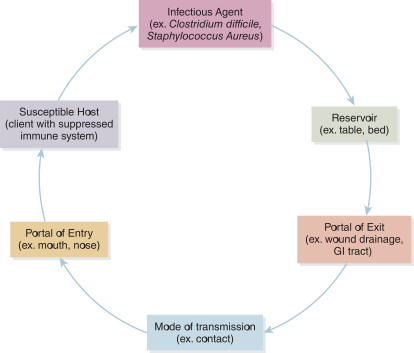
The chain of infection consists of an infectious agent, a reservoir, a portal of exit, a mode of transmission, a portal of entry, and a susceptible host.
Infectious Agent
An infectious agent is something that contains a bacterium, fungus, virus, parasite, or prion. The infectious agent can become dangerous to a client in a variety of ways. An individual’s resident flora—that is, the bacteria that live on or in a client and help protect the body from infection—can become an infectious agent when moved to a different location of the body; for example, flora from the gastrointestinal tract can move elsewhere in the body and create infection there. Infectious pathogens must be destroyed to break the chain of infection, whether by disinfecting, sterilizing, and cleaning or through antimicrobial treatment (antibiotics, antifungals).
infectious agent
Something that contains bacteria, fungi, virus, parasite, prion.
Reservoir
A reservoir is the habitat of the infectious agent—where it lives, grows, reproduces, and replicates itself. The reservoir can be an animate or inanimate object. Animate reservoirs include people, insects, birds, and animals. Inanimate reservoirs include contaminated soil, water, food, medical equipment, IV fluids, and feces. Human reservoirs might not always show manifestations of disease, but could still pass along the pathogen to new hosts. To break the chain of infection by disrupting reservoirs in the health care setting, nurses should use proper hand hygiene when caring for clients, clients should receive preoperative skin preparation prior to surgery, and the clinical or surgical environment should be cleansed properly by following the facility’s protocols to prevent infection.
reservoir
Is the habitat of the infectious agent, a location where it can live, grow, and reproduce itself or replicate.
Portal of Exit
A portal of exit is the route by which an infectious pathogen can leave the reservoir. The portal of exit can be any body orifice—for example, ears, nose, or mouth—or can even be the skin. Any of these sites can provide a place for the infectious agent to replicate or for the toxin to act. Other portals of exit include blood or body fluids that leave the body through the gastrointestinal tract, respiratory tract, and skin, among other routes. The portal of exit and the portal of entry could be the same in some cases, such as with influenza (flu). To break the chain of infection at the portal of exit, careful containment of body fluids through usage of drains or dressings can be implemented, and methods can be used to decrease body secretions.
portal of exit
Means by which the infectious agent can leave the reservoir.
Modes of Transmission
Several modes of transmission may be engaged to move bacteria, viruses, fungi, parasites, and prions from place to place—contact, droplet, airborne, vehicle, and vector-borne transmission. Infectious agents may be transmitted by one or more of these means, with the route or routes depending on the specific agent. Hand hygiene and use of proper barrier devices can help break the chain of infection by eliminating various modes of transmission.
modes of transmission
How bacteria, viruses, fungi, parasites, and prions move from place to place. These are contact, droplet, and airborne.
Portal of Entry
A portal of entry is also required for a client to get an infection. The portal of entry can be any body orifice (ears, nose, mouth, or breaks in the mucous membranes or skin). The portal of entry provides a place for an infectious agent to enter the individual so it can replicate or its toxin can act. The portal of entry and portal of exit can be the same, depending on the organism. For example, the influenza virus both enters and exits through the respiratory tract. Invasive lines and devices provide a portal of entry into the body.
portal of entry
Any body orifice--for example, ears, nose, mouth, or skin--that provides a place for an infectious agent to replicate or for a toxin to act.
Susceptible Host
A susceptible host is required for the infectious agent to take hold and become a reservoir for infection. Not everyone who is exposed to an infectious agent will become ill. Some people might not exhibit manifestations of infection yet become colonized (temporarily or permanently) with the infectious agent. In such a case, the agent resides in the body but does not cause problems. Other clients will show mild manifestations, and still others may become very ill or even die from the infection. To break this link in the chain of infection, methods must be implemented to increase the host’s line of defense. Immunizations, proper nutrition, dietary supplements, proper hygiene, and control of blood sugar can all contribute to decreasing host susceptibility.
susceptible host
Required for the infectious agent to take hold and become a reservoir for infection. Not everyone who is exposed to an infectious agent will get ill. Some people never exhibit manifestations at all but can become colonized (temporarily or permanently) with the infectious agent.
One factor that determines how the client (host) will react to the infectious agent is the individual’s level of immunity at the time of the exposure. If clients are healthy, have been sleeping well, and are eating quality foods, they are likely to have better immunity than clients who sleep only a few hours a night, eat foods with poor nutritional value, and are in overall poor health. Another factor that determines how the host reacts to the infectious agent is interactions between pathogens present in the body and the virulence of the infectious agent. If the infectious agent is very efficient at making people ill, then it is considered more potent or virulent than other infectious agents.
virulent
Term to describe how efficient an infectious agent is at making people ill.
Factors That Increase Host Susceptibility
Age
Underlying disease HIV/AIDS
Malignancy
Transplants
Medications: immunosuppressants, antirejection medications, antineoplastics, antimicrobials, corticosteroids, gastric suppressants (e.g., proton pump inhibitors)
Surgical procedures
Radiation therapy
Indwelling devices: endotracheal tubes, urinary catheters, central venous catheters, arterial catheters, and implants such as pacemakers and artificial joints
Modes of Transmission
The three main modes of transmission that move bacteria, viruses, fungi, parasites, and prions from place to place are contact (transmitted by contact with an object or a person), droplet (transmitted through droplets from activities such as coughing, sneezing, and singing), and airborne (transmitted through the air). Pathogens can also be transmitted through vectors (insects) or vehicles (contaminated water). Infectious agents can be transmitted by one or more routes, and the route or routes depends on the agent.
Contact Transmission
There are two types of contact transmission: direct and indirect. Direct contact transmission occurs when micro-organisms (such as herpes simplex virus [HSV]) move directly from the infected person to another person, rather than from a contaminated object or person intervening between these two hosts. An example of direct contact transmission would be a client’s blood coming in contact with an open abrasion on a nurse’s skin. If a nurse is caring for a client who has scabies and is not wearing gloves, the scabies mites can directly contact the nurse’s skin.
direct contact transmission
Occurs when micro-organisms are directly moved from an infected person to another person, rather than through a contaminated object or person.
Micro-organisms can also be transmitted through indirect contact transmission—that is, from an infected person to another person via a contaminated object or person. In the hospital setting, Staphylococcus aureus is notorious for spreading through indirect contact transmission. For example, drainage from a client’s wound might get on the bed rail or a bedside table, which others then touch. A common potential mode of indirect transmission is from personal protective equipment (PPE). PPE should be donned (put on) and changed between clients. Improper removal of PPE can transmit the infectious agents to the nurse, or to another client. Indirect transmission can occur if a nurse cares for a group of clients and continues to wear the same gloves or mask for more than one client, or does not perform hand hygiene in between clients. Nurses who use equipment shared between clients can inadvertently contaminate clients if they do not cleanse and disinfect the equipment properly between uses. Proper sterilization of equipment used for surgical procedures can prevent indirect pathogen transmission.
indirect contact transmission
Occurs when microorganisms are directly moved from the infected person to another person with having a contaminated object or person between these two.
personal protective equipment (PPE)
Specially designed equipment that is meant to protect the health care worker from contamination, blood, or body fluids. This equipment may include masks, eye protection, gown, gloves, and hair caps. Equipment that should be put on (donned) prior to client interactions to prevent the spread of infectious organisms; can include gloves, gowns, masks, eye and face protection, and shoe covers.
donned
Put on.
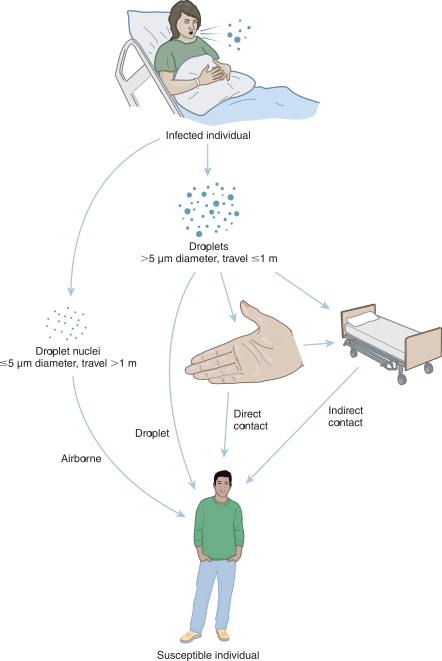
Influenza transmission occurs through airborne, droplet, and contact routes.
Influenza Transmission Routes
Droplet Transmission
Droplet transmission occurs when infectious droplets from a client travel through the air and come in contact with the mucosa of a host (i.e., nurse, other client, health care worker). Some examples of pathogens transmitted via droplets include the influenza virus and Bordetella pertussis. Sneezing, coughing, singing, and talking are all activities that can disperse droplets into the air. Likewise, medical procedures such as cardiopulmonary resuscitation (CPR), endotracheal intubation, and chest physiotherapy can release droplets into the air. The exact distance over which droplet transmission occurs depends on the specific infectious agent, and data are unclear about how far exactly droplets can travel. Other factors that affect spread through this route include the humidity and air temperature.
droplet transmission
Occurs when droplets from the respiratory tract of a client travel through the air and into the mucosa of a host (ex. nurse, other client, healthcare worker).
Clients who have norovirus, rhinovirus, coronavirus, influenza, or pertussis can transmit the infection via droplet transmission. Anyone who is contaminated with an infectious agent that is transmitted by droplets should sneeze or cough into a disposable tissue and immediately throw it away, or if necessary, sneeze or cough into the sleeve of their clothing.
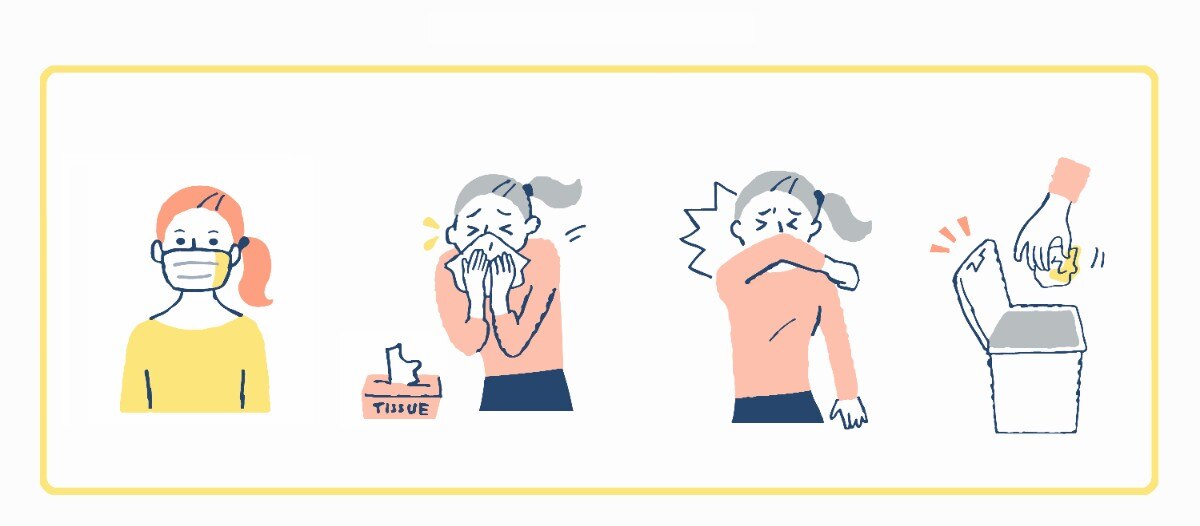
Respiratory Etiquette
Clients should wear a surgical mask when out of their room, cough or sneeze into a disposable tissue and throw it away immediately, or cough or sneeze into their sleeve when tissues are unavailable.
Airborne Transmission
Airborne transmission occurs when small particulates found in the air move into the airspace of another person and carry infectious agents. These particles remain in the air and can travel over relatively long distances, leading to the potential for others outside the client’s room to inhale them. For this reason, clients who have an infection that can be transmitted through the airborne route require placement in a private room with negative air pressure. Examples of infections caused by airborne transmission include tuberculosis, rubeola (measles), and varicella (chickenpox). Some infections that are primarily transmitted through the droplet route have been found to be airborne under certain conditions (influenza, rotavirus), but do not require clients to be placed in a negative-pressure environment because droplet precautions are adequate to prevent their spread.
airborne transmission
Occurs when small particulates move into the airspace of another person.
Vehicle and Vector-Borne Transmission
Other methods of transmission include the vehicle and vector-borne routes, which involve the transfer of pathogens through methods other than from an infectious individual. Vehicle transmission involves transmission from contaminated items to multiple persons, such as when produce becomes contaminated with Escherichia coli and is consumed by many different individuals, all of whom become sick.
vehicle transmission
Transmission of infectious agents to various individuals through a common source, such as contaminated food or water.
Mosquitoes and rats are common sources of vector-borne transmission. While they are not infected with the pathogen themselves, they can carry micro-organisms from one location or person to individuals.
vector-borne transmission
Transmission of infectious agents through animals, such as an insect or rodent.
Body Defenses
The human body possesses multiple mechanisms to fight off pathogens. The three specific types of defenses are classified as physical and chemical barriers, nonspecific immunity, and specific immunity. These defenses involve external and internal body structures, such as skin and white blood cells.
Physical and Chemical Barriers
The skin is the body’s largest organ and is the primary physical defense mechanism. The skin performs three major functions:
Reduce loss of water
Protect against abrasion and micro-organisms
Provide a permeable barrier against the environment
Intact skin is one of the most important components in fighting infection. Keeping the lipid layer (i.e., the stratum corneum) of the skin intact is key to reducing water loss and helping the body fight infection. Detergents can destroy this lipid layer, though it regenerates quickly: Approximately half of its layer is restored in 6 hours and full restoration occurs in 5 to 6 days. Use of humectants, like those often found in lotions and hand creams, can promote hydration and improve skin integrity. Conversely, adhesive tape can destroy the stratum corneum layer, as can some chemicals. While caring for clients, nurses should minimize the disruption of the client’s skin by using skin cleansers and moisturizers that are gentle on the skin, reducing the use of tape, and keeping abrasive substances and chemicals away from the client’s skin. Skin integrity can also become disrupted through unintentional injury, intentional breaks (incisions), or insect bites.
Mucous membranes secrete mucus to protect the body from invaders. Drying of the mucous membranes can lead to cracking of this delicate tissue, allowing micro-organisms to enter the body. Moist mucous membranes provide protection to the client. To keep mucous membranes in the nares moist, humidification can be added to clients’ oxygen, if needed.
Tears, sweat, and white blood cells (WBCs) aid in removing waste from the body. The respiratory tract contains cilia (short hair-like structures) that help prevent particulates from entering the body. Likewise, coughing helps remove materials. The GI tract secretes acids and enzymes that can destroy or neutralize some foreign invaders. Even the natural flora of the gastrointestinal (GI) tract (which can be destroyed by antibiotics) helps limit the transmission and overgrowth of some bacteria. The genitourinary (GU) tract in males (i.e., the urethra) is typically longer than the female GU tract, which results in fewer bacteria moving into the bladder and kidneys in male clients compared to female clients. The vagina has a natural pH that also inhibits bacterial growth.
Nonspecific Immunity
Nonspecific immunity is maintained by neutrophils and macrophages—both are types of white blood cells—and their work as phagocytes. Phagocytes eat and destroy micro-organisms, which helps protect the body from harm. Both neutrophils and macrophages are released during the inflammatory response.
nonspecific immunity
Comprised of neutrophils and macrophages and their work as phagocytes.
phagocytes
Eat and destroy micro-organisms, thereby helping to protect the body from harm.
Specific Immunity
Specific immunity refers to the work of antibodies (also called immunoglobulins) and lymphocytes. Antibodies bind to infectious agents and activate the white blood cells and complement to destroy the infectious agent.
specific immunity
The work of antibodies (also called immunoglobulins) and lymphocytes.
Inflammatory Response
The inflammatory response is the body’s natural defense that is activated when the body is injured, when foreign substances are present, or when an infectious agent attacks. The basic steps of inflammation are:
inflammatory response
Natural defense of the body when injured, when foreign substances are present or when infectious agents attack.
Recognition of harmful stimuli by pattern receptors (located on the surface of cells)
Activation of the inflammatory pathway
Release of inflammatory markers
Recruitment of inflammatory cells

Steps of inflammation. (1) Pattern receptors on cell surfaces recognize harmful stimuli such as bacteria, viruses, micro-organisms, trauma, or toxins. (2) Inflammatory pathways are activated. (3) Inflammatory markers such as C-reactive protein (CRP) are released. (4) Inflammatory cells (first leukocytes, then monocytes and lymphocytes) are recruited (Hannoodee & Nasuruddin, 2022).
The Inflammatory Process
Many processes can trigger the inflammatory response, though they are generally divided into two categories: infectious and noninfectious. Infectious triggers include viruses, bacteria, and other micro-organisms, such as fungi. Noninfectious triggers of the inflammatory response are plentiful. They include physical triggers such as burns, frostbite, foreign bodies that have entered the body, trauma, injury, and radiation. Chemical noninfectious triggers include irritants (e.g., fluoride, nickel), fatty acids, alcohol, toxins, and glucose. Biological triggers such as damaged cells may also elicit an inflammatory response. Even psychological triggers, such as excitement, can elicit an inflammatory response.
Inflammatory Response Triggers
Infectious Triggers
Viruses
Bacteria
Other micro-organisms
Noninfectious Triggers
Physical: burns, frostbite, injury, foreign bodies, trauma, radiation
Chemical: glucose, fatty acids, toxins, alcohol, irritants (e.g., fluoride, nickel)
Biological: damaged cells
Psychological: excitement
Medications can block the chemicals released by mast cells. Antihistamines, for example, block histamine and help prevent swelling. Diphenhydramine is an antihistamine used to control allergic responses, swelling, and itching. While swelling is meant to be protective, sometimes medications are needed to prevent too much swelling or inflammation. Anti-inflammatory medications decrease painful inflammation, thereby increasing client comfort. Nonsteroidal anti-inflammatory drugs (NSAIDs; e.g., ibuprofen) are examples of over-the-counter (OTC) medications that work in this way.
Inflammation can sometimes be a solitary occurrence in response to a stressor. For example, a client might get struck in the face while playing baseball. The face swells and then resolves, so that this is a solitary event. In other cases, inflammation is a process that repeats itself, such as when a client who has asthma develops bronchial swelling, and its resolution occurs chronically. In another chronic process, gastroesophageal reflux disease (GERD) causes acid to regurgitate into the esophagus. This acid causes erosion, followed by inflammation to heal the erosion. This cycle happens repeatedly, leaving the client with GERD in a constant state of inflammation.
While inflammation can be a positive response to an inflammatory response trigger, it can also lead to tissue destruction and cancer (Pahwa et al., 2023). The cycle of inflammation is generally predictable, but environmental factors can cause it to waver back and forth between steps of the cycle, such as with GERD. The inflammatory process is slightly different in each site of the body. Each organ has a different role to play in the body, so the full inflammatory response will be different for each organ. An injury to the skin is less complex than an injury to an organ; an injury to the lungs would be different than injury to the heart or kidneys.
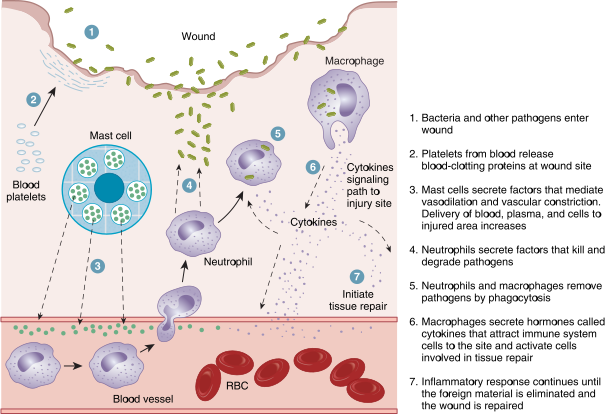
Stages of wound infection
Manifestations of inflammation (at the level of the tissues) present as heat, redness, swelling, pain, and loss of function in that area. For example, a skin wound, such as a skinned knee, results in pain at the onset. When the skin is scraped off, redness and swelling can be detected in the knee. When a hand is placed over the knee, heat can be felt radiating from the area. It may also difficult to bend the knee due to swelling.
Manifestations of Inflammation
Heat
Redness
Swelling
Pain
Loss of function
Stages of Infection
When an infectious pathogen enters the human body, the body progresses through a series of stages of infection: incubation, prodromal, acute illness, period of decline, and period of convalescence.
The incubation stage is the first stage. In this stage, the client may not feel ill or have visible manifestations, but changes in pathology occur that might be detectable through laboratory or diagnostic tests. Incubation lasts from the time the client is exposed to the infectious agent until the first symptom appears. The incubation period is different for each infectious agent, and can last for seconds, minutes, hours, days, or weeks.
In the second stage, known as the prodromal stage, the client begins having initial manifestations as the infectious agent replicates. These symptoms are nonspecific, such as fever, aches, poor appetite, and malaise.
It is not until the third stage, acute illness, that manifestations of a specific infectious disease process become obvious. This is also the stage where the infection is considered severe.
The period of decline is when manifestations begin to subside as the number of infectious agents in the body decreases. In this stage, the client begins to feel better and regain strength and function.
In the period of convalescence, the client returns to the previous or a new, balanced state of health. Some infectious diseases are severe enough that the client does not regain all previous functions and is left with lasting effects.
incubation
First stage of infection in which the client may not feel ill or have visible manifestations, however there may be lab values that are changes or changes in diagnostic tests such as x-rays or CT scans.
prodromal
Stage of infection when client begins having initial manifestations as the infectious agent replicates.
acute illness
Third stage of infection where manifestations of a specific infectious disease process are obvious. This is also the stage where it is severe.
period of decline
Fourth stage of infection when manifestations begin to wane as the number of infectious disease decreases.
period of convalescence
Fifth and last stage of infection when client returns to a normal or a new normal state of health.
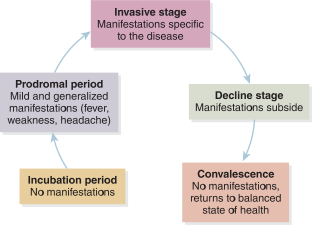
Stages of Infection
Types of Infection
Infections are categorized into two groups, according to their location: local or systemic. Local infections are confined to one area of the body. These infections can be treated with topical antibiotics and oral antibiotics. Systemic infections start as local infections and then move into the bloodstream, from which they infect the entire body. Intravenous antibiotics and careful monitoring are both needed to treat systemic infections.
local infections
Are confined to one area of the body.
systemic infections
Start as local infections and then transmit into the bloodstream to infect the entire body system.
Infectious agents can cause local infections, systemic infections, or both. Group A Streptococcus, for example, can cause a variety of infections, including small local skin infections such as impetigo, upper respiratory infections, toxic shock syndrome, and scarlet fever. The type of infectious agent, the soundness of the client’s immune system, and the timeliness of treatment are all factors that influence the duration and severity of infections.
Diagnostic Tests
A wide range of diagnostic tests can be prescribed to detect disease. The provider selects the appropriate tests based on the client’s manifestations. Diagnostic tests can be expensive, however, and many clients in the health care system need testing. Over-testing is not only costly, but also puts a burden on the system and can delay care and treatment. For these reasons, testing should be prescribed only when needed.
Clients who have manifestations of a urinary tract infection (UTI) are typically prescribed a urinalysis (UA). If white blood cells (WBCs) are present in the urine, then a culture and sensitivity test (C&S) is appropriate to determine the specific organism. Sometimes this is a two-step process, but at other times the UA and C&S are ordered simultaneously.
Chest x-rays can help confirm the presence of atelectasis or pneumonia, but cannot determine the type of pneumonia (viral versus bacteria versus fungal) . Ultrasound and magnetic resonance imaging (MRI) scans may offer further insights into a client’s clinical indications and be useful for detecting inflammation and infection in some cases.
The provider might request throat cultures to determine the presence of infection locally in the throat, with the nurse being responsible for obtaining the sample. The nurse should perform hand hygiene and don gloves prior to beginning this process. It is important to ensure the swab touches the surface of the tonsils, tonsillar pillars, or back of the pharyngeal wall, and does not touch other areas of the mouth or pharynx. Immediately place the swab in the appropriate medium, label the sample, and store it properly until it can be transported to the laboratory.
Blood tests may be useful for determining the presence and severity of infection, specifically by reviewing the WBC count and differential. The presence of increased WBCs indicates inflammation or infection. The WBC count is a measure of all the combined WBCs in the body, but the differential will show each individual type of WBC: neutrophils, lymphocytes, monocytes, eosinophils, and basophils (listed here in order of most prevalent to least prevalent;). WBCs make up about 1% of the blood cells in the body but are crucial for immunity. The higher the WBC count, the more severe the infectious process has become. Decreased WBC counts (below the expected range) indicate that the body has a decreased ability to fight infections. Neutropenia (abnormally low WBC count) can be very dangerous, with lower numbers indicating that the body is unable to fight infections at all and is vulnerable to further infection. The expected WBC count is 5,000 to 10,000 per cubic milliliter (mm3). The WBC differential count must total 100%. A change in any one of the percentages means that another type of WBC must compensate, so its percentage in the differential will either increase or decrease.
Types of White Blood Cells, Normal Values, Functions, and Other Notes
Type of White Blood Cell (WBC) | Expected Range (%) | Function | Notes |
Neutrophils | 55% to 70% | First responder to injury Eat bacteria (phagocytosis) | Also called polymorphonuclear leukocytes or segmented neutrophils Immature neutrophils are called bands or stabs, indicating a left shift (ongoing infection) |
Lymphocytes | 20% to 40% | Fight chronic bacterial infections Fight acute viruses | Divided into two types:
|
Monocytes | 2% to 8% | Phagocytes that clean up tissue damage from injury or infection Produce interferon Enhance the immune response | Produced rapidly |
Eosinophils | 1% to 4% | Active in allergic reactions and parasitic infections Can perform phagocytosis Fight inflammation and infection | Numbers present decrease as allergic reaction diminishes |
Basophils | 0.5% to 1% | Release histamine, serotonin, and heparin Can perform phagocytosis | Also called mast cells |
Other tests focus on nonspecific markers, whose levels in the blood increase when inflammation is present. C-reactive protein (CRP), the erythrocyte sedimentation rate (ESR), and procalcitonin (PCT) levels are not standardized across laboratories, meaning that if the same blood sample is tested at several different laboratories, the levels identified will not all be the same. For this reason, when drawing sequential blood samples for a single client, the same laboratory should process the samples each time. ESR levels can vary depending on client age and biological sex, so these levels cannot be compared from client to client reliably; that is, an elevated ESR in one client may not qualify as elevated in another client (ARUP Laboratories, 2020). Tests of nonspecific markers may be helpful in confirming or excluding disease processes if levels are either within the expected range or significantly elevated. However, elevated levels of CRP and ESR are difficult to interpret because the markers are nonspecific to a particular disease process.
New markers that utilize the ratio of parts of the complete blood count (CBC) have been introduced. These markers include the neutrophil-to-lymphocyte ratio (NLR), the platelet-to-lymphocyte ratio (PLR), and the systemic immune inflammation index (SII), which combines peripheral lymphocyte, neutrophil, and platelet counts into one test. They can help determine the client’s chronic inflammation status, which can be an important measure for cancer and cardiovascular disease—both of which arise from states of chronic inflammation.
Hand Hygiene
The hands are a significant potential source of transmission of infectious agents. To decrease the risk of transmission, appropriate hand hygiene is needed. Hand hygiene is a broad term that covers any type of cleansing of the hands. It may mean using soap and water to wash the hands as in typical handwashing, using alcohol-based hand sanitizers, using an antiseptic handwash or hand rub, and surgical hand antisepsis. Prior to performing medical procedures, such as obtaining a throat culture, and prior to preparing a sterile field or donning gloves, the nurse should always perform careful hand hygiene.
hand hygiene
Washing your hands with antibacterial soap and water, using alcohol-based gel or foam, or surgical scrub.
Antimicrobial Soap
Handwashing utilizes regular soap and warm water. Soaps remove dirt and debris from surfaces, but do not have antimicrobial properties. It is recommended that when using soap to wash the hands, the nurse scrub while using warm water. Soaps can become contaminated, can cause drying of the skin on the hands, and can inadvertently cause more bacterial load on the skin in some cases. The World Health Organization suggests that proper handwashing takes about as long as is needed to sing the song “Happy Birthday” two times. Health care workers, clients, and family can sing or hum the song while they wash their hands to ensure that they wash for the recommended length of time (about 15 to 30 seconds).
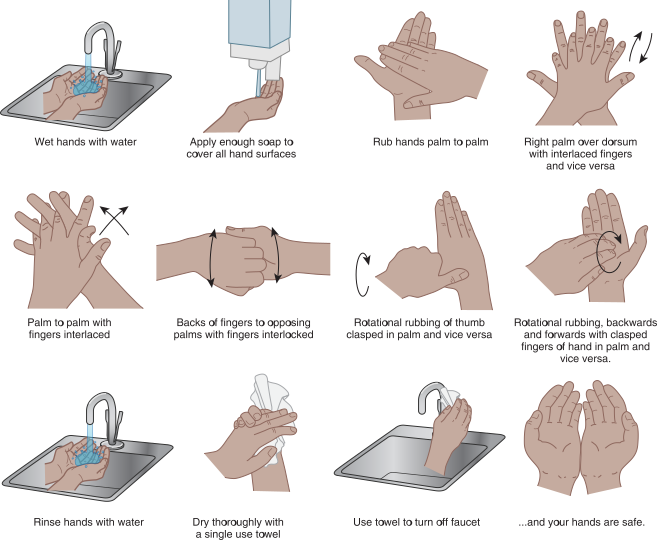
Proper handwashing technique
A nurse is washing the hands with antimicrobial soap and water. How long should the nurse rub the hands together? (Click this card to reveal the answer.)
As long as is needed to sing “Happy Birthday” two times (about 15 to 30 seconds). The nurse can silently sing the “Happy Birthday” song two times while washing hands to gauge about how long it takes to properly wash hands.
Alcohol-Based Hand Sanitizer
Alcohol-based hand sanitizers can be rubbed on the hands to cleanse them without using water. These products, which contain varying amounts of alcohol, may be used to decrease the number of micro-organisms (bacteria, viruses, and fungi) on the hands. Products with a minimum of 60% alcohol are highly effective against gram-positive and gram-negative bacteria, many viruses, and fungi. Alcohol-based hand sanitizers are not effective on visibly soiled hands. Thus, hands that are visibly soiled should be washed with warm water and soap to remove dirt and debris. Alcohol-based hand-sanitizing products, like soaps, can be drying to the skin, so most have added moisturizing ingredients. Hand sanitizer should be applied to the hands, rubbed to cover all surfaces (in between fingers, and around all fingers including the thumbs), and rubbed until dry, which takes approximately 15 to 30 seconds.
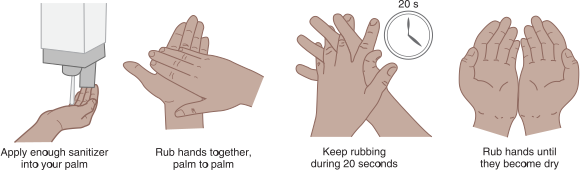
Proper use of alcohol-based hand sanitizer
Antimicrobials
Antimicrobial handwashes and hand rubs contain an antimicrobial solution. These handwashes are used to wash the hands in combination with water. The hand rubs are applied to the surfaces of the hands to decrease microbe load, using the same hand hygiene techniques as are used with hand sanitizer.
Antiseptics
A variety of antiseptic solution agents may be used for cleansing the skin. Spores (such as those produced by Clostridium difficile) are particularly tricky to remove from the skin. Nurses who care for clients who have an infection caused by spores should wear gloves when in contact with clients and then wash their hands with any kind of soap and water immediately after removing their gloves. Alcohol-based products, antiseptics, and antimicrobials have not been shown to be effective in removing spores and should not be used for this purpose.
Types of Antiseptic Agents
Alcohols
Chlorhexidine
Chlorine
Chloroxylenol (parachlorometaxylenol [PCMX])
HexachloropheneIodine/iodophors
Quaternary ammonium compounds
Triclosan
Special Considerations
One potential concern related to hand hygiene is fingernails and artificial nails. Keeping fingernails short (less than 0.25 inch) is needed to avoid the growth of bacteria. Nail polish, if worn, should not be chipped, as the chipped areas can also harbor bacteria. Artificial nails should be discouraged by the health care facility, as research shows they may harbor bacteria. In particular, gel nail polish is difficult to clean and the number of bacteria present is not reduced effectively by hand hygiene when gel nail polish is worn. Nurses working in high-risk areas such as operating rooms and intensive care units should not have artificial fingernails or nail extenders.
Wearing rings is also associated with colonization of bacteria on the hands, although the effectiveness of hand hygiene and the risk of pathogen transmission when wearing rings are unclear. Studies have indicated that the greater number of rings worn, the more colonization that occurs. For this reason, many facilities advise their employees that only a wedding band be worn, or no rings at all. The CDC has not published specific guidelines on wearing rings, so nurses should refer to their facility’s policies for guidance on this issue.
Health care facilities should monitor the hand hygiene of health care workers periodically, provide adequate supplies for handwashing, and educate workers on proper hand hygiene practices. Anytime an outbreak of infection occurs in a facility, hand hygiene practices and adherence to policies must be evaluated.
Medical Asepsis
Medical asepsis (clean technique) is a term used to define the reduction of disease-causing micro-organisms. Not all micro-organisms cause disease under typical circumstances, such as when someone touches an object. Medical asepsis, however, decreases the number of micro-organisms on surfaces as a means to reduce infection risk. Isolation precautions are an example of one way nurses practice medical asepsis.
medical asepsis
Clean technique practices that the reduce the presence of disease-causing micro-organisms on surfaces.
Surgical Asepsis
Staff who are performing surgical procedures must use surgical asepsis to prevent transmission of pathogens to the client, thereby protecting the client from infection. Surgical asepsis ensures that items such as gloves and equipment are sterile, meaning that they do not have micro-organisms present on them. It is intended to prevent surgical-site infections (SSIs)—that is, postsurgical infections that arise in either the incision, the tissue around the incision, or the organs.
surgical asepsis
Includes techniques that ensures the sterility of items that will come in contact with the client, through use of equipment such as sterile gloves, in order to prevent pathogen transfer to the client.
To perform surgical asepsis, prior to cleansing the hands, first remove all rings, watches, and bracelets. Multiple practices have been used over the years to accomplish surgical asepsis, including 10-minute scrubs with brushes and sponges, which can damage the skin of the surgeon and surgical staff. Applying a mixture of chlorhexidine and ethanol to the hands can be just as effective as the older methods. Scrub under the nails with a nail brush to remove pathogens. Refer to the Skill: Surgical Hand Scrub: Traditional Hand Scrub Method and Surgical Hand Scrub: Alcohol-Based Hand Rub Method.
Sterilization Versus Disinfection
Sterilization involves cleaning instruments so that all micro-organisms, including bacterial spores, are eradicated. This process can occur through three methods: thermal, chemical, and radiation. Thermal sterilization, or autoclaving, is achieved by exposing items to dry steam. Items sensitive to heat require the use of chemical sterilization. Chemicals used include ethylene glycol and hydrogen peroxide gas. Radiation includes high-energy gamma rays and is most often used to sterilize single-use items while still packaged. Sterilization is necessary for surgical instruments, so that no micro-organisms are transferred between surgical clients.
sterilization
Cleaning instruments so that all micro-organisms, including bacterial spores are eradicated.
Sterile fields are created to assure that the smallest number of micro-organisms possible are present (refer to the Skill: Preparing a Sterile Field). They can be utilized in many areas inside and outside of the operating room setting, including inside a client room. Sterile fields should be prepared as close to the time of the procedure as possible to decrease the possibility of contamination from airborne micro-organisms or from other people accidentally contaminating the field.
sterile fields
Created to assure that the smallest number of microorganisms possible are present; used for procedures where surgical asepsis is indicated.
To prepare a sterile field, the nurse should position a flat work surface close to the client, but 12 to 18 inches from any walls or potentially contaminating objects. All supplies should be checked to ensure that the package has not been damaged by tears or holes, as such breaches could contaminate the contents. When opening the package, the nurse should remember that the outer 1-inch border of the field is considered contaminated or unsterile; thus, any items placed onto the field should be placed into the middle of the field to avoid this 1-inch border. To open the sterile package, the nurse preparing the sterile field should use the following sequence:
Peel back the first flap away from the nurse’s body.
Peel the sides back one at a time.
Peel the flap closest to the nurse’s body.
Sterilized equipment should only be placed on a sterile field. Any sterile supplies that are placed on the field should first be checked to confirm that they are still sterile, which can be determined based on whether the enclosed sterile indicator has changed color.
Disinfection cleans instruments so that almost all micro-organisms are eradicated, but not all. There are two levels of disinfection: high level and low level. With high-level disinfection, only some spores remain. This process involves pasteurization or chemicals and is applied to some procedural instruments, such as equipment used for endoscopies and some respiratory therapy equipment. With low-level disinfection, most vegetative bacteria are destroyed, but some spores, fungi, and viruses may still remain. This type of disinfection is achieved by using hospital-grade disinfectants on surfaces. Nurses often use such products to clean client-care items such as bedrails, bedside tables, computer equipment, blood pressure cuffs, pulse oximeters, and other items contaminated after contact with clients. However, these disinfectants are not appropriate for cleaning items with visible blood on them.
disinfection
Cleans instruments so that almost all micro-organisms are eradicated, but not all. There are two levels of disinfection: high-level and low-level.
Prior to sterilization and disinfection, equipment must be cleaned to remove visible soil, which may contain organic and inorganic material. Cleaning can be completed manually or mechanically. Mechanical cleaning includes using hot water disinfectors and ultrasonic devices. Ultrasonic cleaning is used to clean delicate instruments in hard-to-reach areas. A similar concept would be rinsing off muddy shoes before placing them in a washing machine for more thorough cleaning. A deep cleansing must remove the visible material and eliminate contaminants. Similarly, medical equipment must be cleaned first to remove material that the sterilization or disinfection process cannot remove.
Standard Precautions
Standard precautions (or universal precautions) is a term used to describe the infection prevention practices applied to all clients, whether or not they are known to have an infectious agent. Nurses use standard precautions to protect themselves and others from blood, body fluids, secretions, excretions (except sweat), nonintact skin, and mucous membranes. PPE is chosen based on what the nurse expects to come in contact with, as both the client and items the client (or the client’s body fluids) may have touched are contaminated. Gloves, gowns, masks, eye protection, and face shields are used alone or in various combinations to protect nurses from being exposed to these contaminated elements and to guard against transmitting these elements to other surfaces. PPE is removed after contact. Surfaces and reusable equipment must be properly cleaned before use and medications are prepared in a designated clean area away from potential souces of contamination.
standard precautions
Infection prevention practices and these apply to all clients, whether or not they are known to have an infectious agent.
Contact Precautions
Some clients are placed on contact precautions, which are intended to help prevent transmission of infectious agents by direct or indirect contact. Common pathogens that require clients to be placed on contact precautions include vancomycin-resistant Enterococcus (VRE), Clostridium difficile, noroviruses, other intestinal tract pathogens, and respiratory syncytial virus (RSV). Some clients also have large amounts of drainage from wounds, fecal incontinence, or drainage from other sites in the body; these clients may require contact precautions to avoid contaminating the nurse. The nurse caring for a client on contact precautions should don PPE (gown and gloves at minimum) when entering the room if the nurse expects to come in contact with the client or any contaminated items in the room.
contact precautions
Precautions used when a client has an infectious agent that can be transmitted by direct or indirect contact with body secretions; requires a minimum of gown and gloves prior to client interactions.
The nurse should remove PPE and place it in the trash before exiting the room. Clients placed on contact precautions should be in a private room (single client only) if at all possible. If this is not an option due to limited space, then the client may be placed in a room with another client who has a similar diagnosis—a practice called cohorting. Before taking this step, the nurse should consult the infectious control nurse or other appropriate personnel. If the client is placed in a room with another client, at least 3 feet of separation between clients is recommended to prevent clients from sharing items, either intentionally or unintentionally.
PPE Removal: Contact Precautions
Always remove PPE inside the client’s room if the client is prescribed contact precautions to avoid contaminating surfaces outside the client’s room.
Droplet Precautions
A nurse caring for a client prescribed droplet precautions should don a surgical mask when entering the room or coming into close contact with the client. Clients who require droplet precautions should have a private room, if possible. If the client is placed in a room with another client, it is preferred that the other client have the same infection (client cohorting). Otherwise, there should be at least 3 feet of separation between clients, if possible. When clients leave their room, they should wear a mask to prevent transmission of the infectious agent to others. Anyone who has an infectious agent transmitted by droplets should sneeze or cough into a disposable tissue and immediately throw it away, or if necessary, sneeze or cough into the sleeve of their clothing, Infectious agents that may be transmitted by droplets include influenza virus, adenovirus, SARS-CoV1, rhinovirus (common cold), and Mycoplasma pneumoniae.
droplet precautions
Don a mask when entering the room or coming into close contact with a client.
Nurses should wear surgical masks to prevent droplets from entering their own respiratory tract via the mucous membranes, which can occur within 6 to 10 feet of the client.
Airborne Precautions
A client who requires airborne precautions should be assigned to a private room, and the door should remain closed. An airborne infection isolation room (AIIR), also called a negative-pressure room, is preferred. These private rooms, which are for single client use only, are built with special air handling and ventilation to provide a negative pressure relative to the surrounding area, such as the hall or neighboring rooms. They have a minimum number of air exchanges each hour: 12 exchanges for a newly constructed room versus 6 exchanges for an existing room that has been renovated. This air must be pushed (exhausted) directly outside of the building or circulated through a special high-efficiency particulate air (HEPA) filtration system before it returns to the room. If clients are in a facility without an AIIR, they must wear a surgical mask. When clients leave their room, whether it is an AIIR or a room in a facility without an AIIR, they should continue to wear a mask to prevent transmission of the infectious agent to others.
airborne precautions
Used when a client has an infectious agent that can be transmitted through the air should don an N95 mask or a high-level respirator when entering the room of a client.
airborne infection isolation room (AIIR)
Single client rooms built with special air handling and ventilation to provide a negative pressure (relative to the surrounding area, such as the hall or neighboring rooms). Also referred to as a negative pressure room.
Design of an airborne infection isolation room (AIIR) or negative-pressure room:
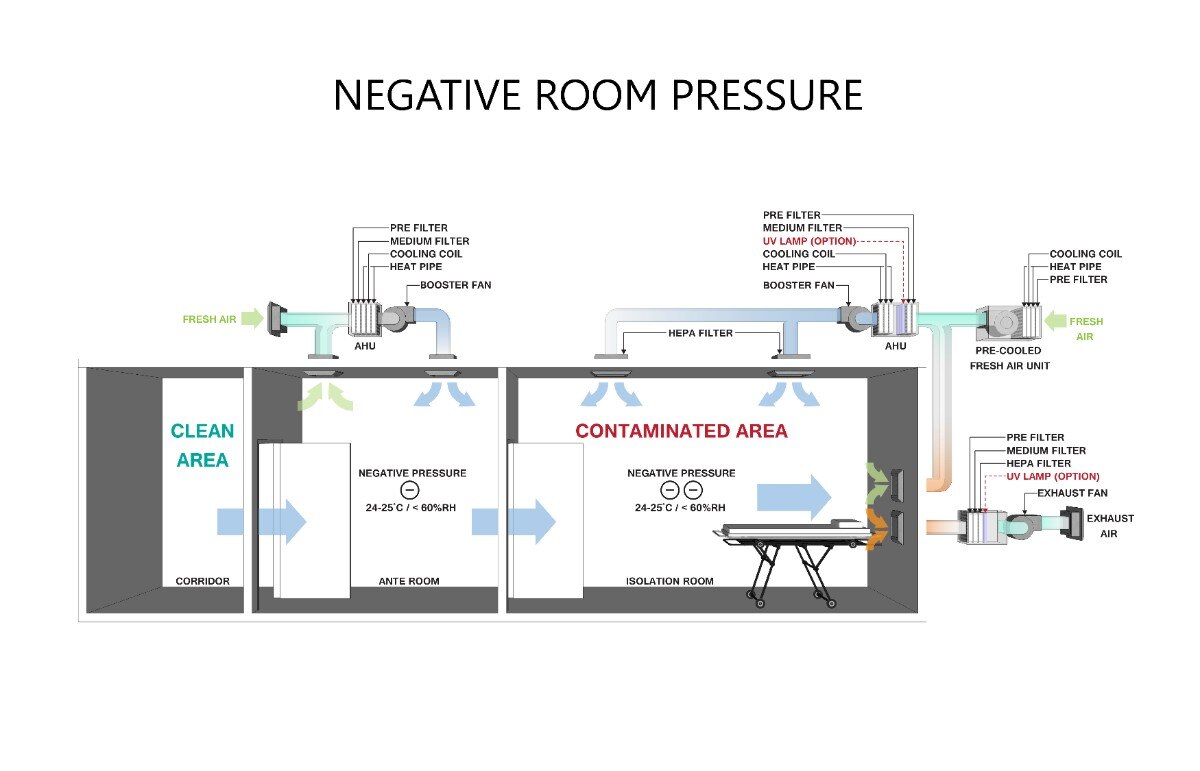
Negative pressure room design
When caring for a client who has been prescribed airborne precautions, such as a client who has active pulmonary tuberculosis, the nurse must don a respirator or mask (N95 or higher) prior to entering the room. N95 respirators must be specially fitted to the individual wearing them, as different types of masks and respirators are available and individual factors such as facial hair or face shape can alter the fit. Facilities are responsible for performing fit testing and educating employees on these devices’ use, including record keeping on health care workers who will be wearing them.
Recommendations Specific to COVID-19
The World Health Organization (2023), guidelines for infection control and prevention of COVID-19 include:
*Maintain a physical distance of at least 3 feet between clients, healthcare workers, staff, and visitors within the healthcare setting.
*Healthcare workders, including nurses should don PPE (gloves, gown, eye shield, mask) when caring for clients with known or suspected COVID-19.
*Cohort healthcare workers to care exclusively for COVID-19 clients.
*Healthcare providers, including nurses, should don a respirator mask when performing procedures that can produce aerosolization including suctioning, collecting naopharyngeal and oropharyngeal specimens, CPR, manual ventilation, and bronchoscopy.
Protective Isolation
Clients who become immunocompromised after having an allogenic hematopoietic stem cell transplant (HSCT) need a special protective isolation environment during the first 100 days after the transplant, and possibly longer if they experience complications. Acute care hospitals that care for such clients have specific engineering and hospital designs that decrease the risk of environmental transmission of pathogens to the clients. Recommendations for a protective environment include direct airflow (positive) with HEPA filtration and at least 12 air exchanges per hour; well-sealed rooms to prevent airflow from outside the room; and preventing dust from entering or remaining in the room. Typically, plants, whether fresh or dried, are prohibited from these facilities as well.
protective isolation
Used during approximately the first 100 days after the transplant, specific engineering and hospital designs that decrease the risk of environmental fungi to the client who had HSCT.
Health Care–Associated Infections
Health care–associated infections (HAIs) are infections that are acquired in a health care facility, such as a hospital, nursing home, or ambulatory care facility. The four major HAIs are:
Central line–associated bloodstream infections (CLABSIs)
Catheter-associated urinary tract infections (CAUTIs)
Surgical-site infections (SSIs)
Ventilator-assisted pneumonias (VAPs)
Infection Control Bundles
Infection control bundles (also called care bundles) are guidelines for practice that are bundled together in an effort to prevent HAIs such as CAUTIs, CLABSIs, VAPs, and SSIs. Bundles are used worldwide as a measure to improve client safety and decrease mortality. Although bundles vary from facility to facility, in general a bundle includes a protocol or guideline for how to handle client care to minimize the risk of infection, starting with hand hygiene. A CLABSI bundle, for instance, may include items such as a specific way to perform hand hygiene prior to central line insertion, the use of a maximum barrier during insertion, the solution used to disinfect the insertion site, and advice to avoid insertion into the femoral site. The bundle also includes nursing care after insertion, such as specifics on how and when to change the sterile dressing over the catheter. A VAP bundle might consist of hand hygiene, specific client positioning, avoiding frequent ventilator circuit changes, mouth care, nutrition guidelines, and preventing cross-contamination. Actions to prevent CAUTI include preventing unnecessary catheterization, early removal, and maintaining an aseptic system. For a bundle to be effective, health care providers and nurses must receive training on how to effectively implement the practices it includes.
Example of a CLABSI Bundle
Insertion Bundle
Prior to insertion
Perform hand hygiene (i.e., handwashing).
Utilize aseptic technique, including maximal sterile barriers (i.e., sterile gloves, cap, gown, mask, sterile drape [full body]).
Select an insertion site where the risk of infections and complications is lowest. (For adult clients who are obese or overweight, avoid the femoral site.)
Cleanse the insertion site with a solution containing more than 0.5% chlorhexidine with alcohol.
Following insertion
Dress the insertion site with sterile gauze or a transparent, sterile, semipermeable dressing.
If client is age 18 or older, place a chlorhexidine-impregnated dressing.
Maintenance Bundle
For clients older than age 2 months requiring intensive care, bathe the client daily with a chlorhexidine preparation.
Perform hand hygiene (i.e., handwashing) prior to line manipulation.
Follow aseptic technique for dressing changes.
Change gauze dressings every 2 days, and semipermeable dressings every 7 days. Change dressings sooner if they become wet or soiled, or become dislodged.
Scrub the access port or hub prior to use with chlorhexidine, iodophor, 70% alcohol, or povidone-iodine prior to usage. It is critical to scrub the access port or the hub to create friction.
Only use sterile supplies to access lines.
Discontinue lines that are not being used.
Ensure tubing is changed according to the following guidelines:
For propofol infusions, every 6 to 12 hours or when the vial is changed
For fat emulsions or blood products, every 24 hours
For all other continuous infusions, at least every 7 days but no more frequently than every 4 days
Multidrug-Resistant Infections
Multidrug-resistant infections are caused by multidrug-resistant organisms (MDROs). If a bacterium is resistant to one or more classes of existing antimicrobials, then it is categorized as an MDRO. MDROs typically respond to only one or two medications, making them challenging to treat.
Nurses need to take precautions when caring for clients with multidrug-resistant infections to avoid transmitting MDROs from one client to another. Proper handwashing, wearing gloves, and using contact precautions (based on current CDC guidelines) are all ways to decrease the chance of transmitting MDROs. Statistics on MDROs are collected by the CDC and can be accessed on that agency’s website. Education for health care staff and clients, toolkits, and best practices are also available on the website. Nurses should always review policy updates from their health care facility and should recognize that these policies are based on CDC recommendations.
Multidrug-Resistant Organisms (MDROs)
Methicillin-resistant Staphylococcus aureus (MRSA)
Vancomycin-resistant Enterococcus (VRE)
Vancomycin-resistant Staphylococcus aureus (VRSA)
Vancomycin-intermediate Staphylococcus aureus (VISA)
Extended-spectrum beta-lactamase (ESBL)–producing organisms
Multidrug-resistant Streptococcus pneumoniae (MDRSP)
In 2019, the CDC released new guidelines specifically for nursing homes that are geared toward decreasing transmission of MDROs. Under these new guidelines, called enhanced barrier precautions, staff must wear gowns and gloves to prevent transfer of organisms to themselves or their clothing when engaging in the following client care activities: bathing or showering, providing hygiene, dressing, changing linens or briefs, assisting with toileting, providing wound care, transferring the client (e.g., from bed to chair), and when caring for devices or using devices (e.g., tubes, lines, ventilators, tracheostomies).
Factors Increasing Client Risk of Infection
Clients are at an increased risk of infection simply by virtue of being in the health care environment. In this setting, clients are around other clients and health care workers who may have infectious diseases. Notably, a client who has any type of medical device, intravenous catheter, tube, line, or drain, or wound of any type is at a higher risk for infections than a client without these invasive devices.
Proximity to other clients with infections also increases a client’s risk of infection. Institutionalized clients, such as those in nursing homes, care facilities, or prisons, are in close proximity to others. Nursing homes, in particular, are subject to outbreaks of influenza and gastroenteritis, as nurses and health care workers move from client to client in close quarters and usually care for older adult clients.
Nurses have an obligation, both professionally and ethically, to model the same health standards (including immunizations) they prescribe to their clients. One health standard recommended by the CDC is that all health care personnel, including nurses, keep up to date on immunizations to control and prevent the spread of infectious diseases. Recommended immunizations include those against varicella, hepatitis B, influenza, measles/mumps/rubella (MMR), meningococcal meningitis, tetanus/diphtheria/pertussis (Tdap), and COVID-19.
Personal Protective Equipment
It is the nurse’s responsibility to know which types of PPE are needed to care for clients, and to follow protocols for donning and removing PPE appropriately. The CDC has provided guidance for health care workers on which PPE is appropriate for each known infectious agent. Health care facilities are responsible for keeping their policies and procedures up to date with these guidelines and educating nurses and other staff members on any changes. As a general guideline, disposable PPE is single use only, unless the CDC states otherwise, such as during pandemics with PPE shortage. N95 masks are multiple use with a single user, and must be cleaned per guidelines between clients and usages. PPE includes items such as gloves, gowns or suits, masks, protective eyewear, and shoe covers.
Gloves
Nurses wear gloves made of latex, vinyl, or nitrile to protect their hands from contamination and to protect clients from being infected by material on the nurse’s hands. Anytime there is the potential for direct contact with blood or bodily fluids, nonintact skin, mucous membranes, or materials that are potentially infectious, nurses should wear gloves. Nurses should also wear gloves when they will have direct contact with clients who are colonized or infected by pathogens that require contact precautions.
Gloves should be the last item donned when they are worn in combination with other PPE (i.e., gown or mask). To remove them, the nurse uses the fingers to grasp at the opposite glove under the cuff (outside of the glove) so that no material on the outside of the gloves contaminates the nurse’s hands. The glove is peeled away from the body inside-out and held in the other hand. The nurse uses bare fingers to slide under the glove (noncontaminated side) and peels the glove inside-out, leaving the first glove inside the second glove, and deposits the gloves in the trash. After glove removal, the nurse should perform hand hygiene.
Gloves should be changed to protect the nurse if they become torn or punctured during care, to avoid cross-contamination of sites on the client, to avoid contamination from the client to keyboards or computers, and in between clients. Gloves should not be washed or reused, as this can cause contamination with MRSA and other infectious agents.
When to Wear Gloves
Wear gloves when there is
Potential for direct contact with blood, body fluids, mucous membranes, nonintact skin, or potentially infectious material.
Direct contact with clients colonized/infected with pathogens listed under contact precautions.
In preparation for an aseptic procedure where a sterile gown is worn, a special technique is used for donning sterile gloves. The two variants of this gloving technique are called closed-gloving and open-gloving.
The closed-glove technique is the initial technique, performed once the nurse is already wearing a sterile gown. For closed gloving, the nurse keeps both hands within the cuffs of the gown, keeping hands inside the cuff edges. The nurse grasps the gloves with hands still inside the gown, pulls the gloves over the cuff, and positions the hands inside the gloves.
The open-glove technique involves donning sterile gloves with hands. This technique is used in situations where a gown is not worn (e.g., inserting an indwelling urinary catheter) or to replace gloves that are contaminated without assistance. The nurse opens the sterile glove package, and puts on the first glove by placing fingers on the folded portion of the cuff; the nurse dons the second glove by inserting fingers of the gloved hand under the cuff (inside the fold) of the second glove. Refer to the Skill: Surgical Gloving: Open-Gloving Technique.
Gowns
Nurses should wear gowns whenever there is the potential for contact with infected material or the potential for blood or body fluids to penetrate and contaminate the nurse. Gowns cover the nurse’s arms and front portion of the body. They are always worn when the client has contact precautions, but may also need to be worn when applying standard precautions. If a gown is being utilized, then gloves must also be worn and placed over the hand/wrist portion of the gown. Gowns should be used only once and then discarded before leaving the client’s room. To remove a gown, turn the outside of the gown inward, roll the gown into a bundle, and discard it in the appropriate trashcan. Improper removal could lead to infectious material being transmitted to the nurse’s skin or uniform and, in turn, contaminating other surfaces.
Sterile gowning is the procedure used for donning a gown that must remain sterile (i.e., for a surgical or aseptic procedure). The nurse can perform independent gowning alone, or dependent gowning with assistance from someone who has performed a surgical hand scrub and donned their own sterile gown and gloves. The procedure for donning a sterile gown is similar to that for sterile gloving. The outside of the gown is sterile and the inside of the gown (touching the nurse) will become contaminated. Sterile gowns come in folded, so care must be taken in donning and unfolding these garments. Gowns are considered sterile only from just above the cuff to 2 inches above the elbows. The axilla is not considered sterile, and neither is the back of the gown, as the wearer cannot see the back of the gown. Refer to the Skill: Surgical Gowning: Independent and Surgical Gowning: Dependent.
Masks, Goggles, and Face Shields
Nurses should wear masks as needed when the client is on standard or droplet precautions. Nurses also must wear masks when they are assigned procedures that require sterile technique, so that clients are not potentially exposed to infectious agents that may be inside the nurse’s nose or mouth. Masks are single use and should be discarded just before leaving the client’s room.
Goggles may be used with masks to protect the eyes, nose, and mouth. Alternatively, a face shield may be used in place of a mask and goggle combination. Protecting the eyes is necessary during certain procedures in which blood or body fluids may potentially be splashed into the eyes. Eyeglasses and contacts do not protect nurses in the same way as goggles do, and are not a replacement for goggles. Certain styles of goggles are available to fit over the nurse’s glasses.
Face shields are an alternative to goggles and mask that provide additional coverage against splashes to the face. Face shields that extend from the crown of the head down to the chin provide better protection from liquid splashes and sprays, as the face shield fully covers the face and eyes. Face shields that also wrap around the sides of the face provide an even higher level of protection and should be used when available.
The front area of a mask, goggles, or face shield is considered dirty or contaminated, as it has been exposed to the client. The nurse should not touch these areas with bare hands.
PPE Removal
To remove PPE, the nurse should remove the gloves first. Next the nurse should remove the goggles or face shield, then the gown, and then the mask. To do this, the nurse can grasp the ties, earpieces, or headband, which are considered clean and safe to touch without gloves. Finally, perform hand hygiene immediately after exiting the room. An alcohol-based hand sanitizer may be used. If the hands become contaminated at any point during the PPE removal process, immediately perform hand hygiene. Refer to the Skill: Applying PPE and Removing PPE.
Needlestick Injury Prevention
Needlestick injuries can occur to any health care worker who uses needles, but their rates are highest among nurses. Needlesticks can transmit various infectious agents, including hepatitis B and C and human immunodeficiency virus. The nurse should be careful when handling needles to prevent sticks to self or others. Needles are now designed to be as safe as possible, and are constructed with safety-engineering practices. Unfortunately, needlesticks have not been completely eradicated, despite the presence of safety devices on needles. For this reason, the nurse should always handle needles with the utmost care.
Engaging safety devices immediately after withdrawing the needle, promptly disposing of needles in the sharps container, assuring that the sharps box is less than three-fourths full, and choosing needleless systems, if available, are all simple ways to decrease the risk of needlesticks. If the nurse is stuck with a contaminated needle (one that has already been used on a client), the nurse must report the occurrence. Despite this mandate, data show that needlesticks are underreported by nurses. Follow-up testing per protocol will be needed and investigations into what caused the needlestick must be completed.
Linens and Medical Waste
Any object in the client’s environment should be considered contaminated. Client linens and objects used for client care require proper handling after their use. These items can be a source of indirect transmission of pathogens for anyone who comes in contact with them.
Many disposable items in the health care setting are contaminated and have the potential to transmit pathogens and cause infection. The nurse should follow facility protocols and implement measures to properly discard of medical waste. These actions include the following:
Use a leak-resistant biohazard bag for disposal of general waste.
Use a second bag if the first bag becomes punctured or contaminated on the outside.
Dispose of sharp objects (e.g., scalpel blades, needles) in puncture-resistant containers at the point of care.
Client linens should also be handled with care. Contaminated linens should be bagged at the site of client care and secured. A second bag should be used if needed to ensure that no liquid leaks from the linens. This procedure is the same regardless of whether the client is prescribed standard or transmission-based precautions. No linens should be sorted in the client care area, and the nurse should avoid shaking or agitating linen to prevent dispersal of micro-organisms. The nurse should wear gloves when handling any soiled or contaminated linens. The facility should follow CDC guidelines for cleaning and storing linens.
Summary
For an infection to occur, all of the components of the chain of infection must be present: infectious agent, reservoir, portal of exit, mode of transmission, portal of entry, and susceptible host. Breaking any link in this chain interrupts the chain and results in the infectious agent not being able to infect the client. Utilizing proper handwashing and hand hygiene, isolation precautions, and safety measures including medical and surgical asepsis can break the chain of infection.
The body’s natural defenses include physical and chemical barriers, nonspecific immunity, and specific immunity. All of these components play important roles in keeping a client from being infected or in fighting infection. Clients who have impaired barriers, immunosuppression, or immune deficiency are at higher risk for infections than clients with barriers and immunity that function properly.
Inflammation is a key method that the body uses to heal itself. However, unresolved inflammation can become chronic and cause lifelong problems for the client. Both clients who have an injury and those who have an infection will have inflammatory responses. Infection can begin locally but quickly become systemic without proper treatment. Medications can be used to decrease the inflammatory response, if needed (e.g., if swelling occludes the airway).
The nurse plays a crucial role in protecting clients through implementation of transmission-based precautions and utilization of PPE. Standard precautions (also called universal precautions) are used for all clients. Contact precautions are used when a client has an infectious agent that can be transmitted through direct or indirect contact. Droplet precautions are used when a client has an infectious agent that can be transmitted through sneezing, coughing, or talking. Airborne precautions are used when a client has an infectious agent that can be transmitted via particles in the air. Utilizing proper PPE and following precautions are important to protect clients from HAIs.
Nurses should be aware of MDROs and know how to prevent transmission of these organisms from client to client, or to surfaces in the health care environment. Each MDRO has a specific mode of transmission. Nurses need to be aware of methods to decrease MDRO transmission because these organisms are difficult to treat. Using evidence-based practices and care bundles can decrease the incidence of all infections, including MDROs.
Needlesticks are a preventable cause of injury and infection to nurses. It is the nurse’s responsibility to implement safety measures to prevent accidental needlesticks.