Untitled
Chapter 1 class notes
Accounting equation:
Assets= liquidation + Equity (claims)
Otherwise known as a balance sheet
Four Statements:
Balance sheet: company ABC as of 12/31/2024, In US dollars
statement of (stockholders) equity
equity paid in capital, paid in stock, common stock
Retained earning
Assumption
Growing Concern
Periodicting
Marketing units
Assets
Liability
AIP
NIP
BIP
Equity
money earned from operations that you retain
paid in capital
retirement earnings
I/S equation
Rev-Exp=NI (Net Income)
Revenue
sales
Expenses
internal expenses
things you might waste your capital on
NI= earnings
operating cash flows
cash paid to employees
investing cash flows
cash paid from bldg (building?)
financing cash flows
money received from banks
money of cash paid for dividend
Chapter 2 notes
accounting cycles: procedures accountants perform
accrued liability
revenue/expenses recognized before money changing hands
recognize assets/liabilities
No cash involved
accounting cycle
transaction analysis
journalize
cash=debit
common stock
problem in pg 2-50
Charts
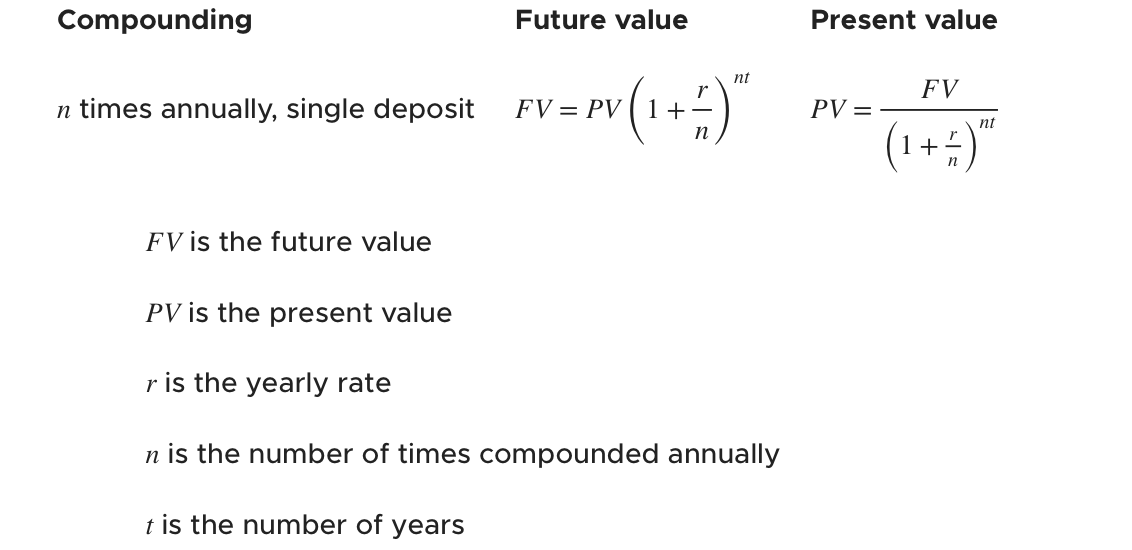
To find the effective interest rate for a simple discount note, we'll follow these steps:
Calculate the Bank Discount:
The formula for bank discount is: Discount=Face Value×Discount Rate×Time/360
Calculate the Proceeds:
Proceeds = Face Value - Discount
Calculate the Effective Interest Rate:
The effective interest rate can be calculated as: Effective Interest Rate=Discount/Proceeds×360/Time