C5: Chemical energetics
Exothermic and endothermic reactions
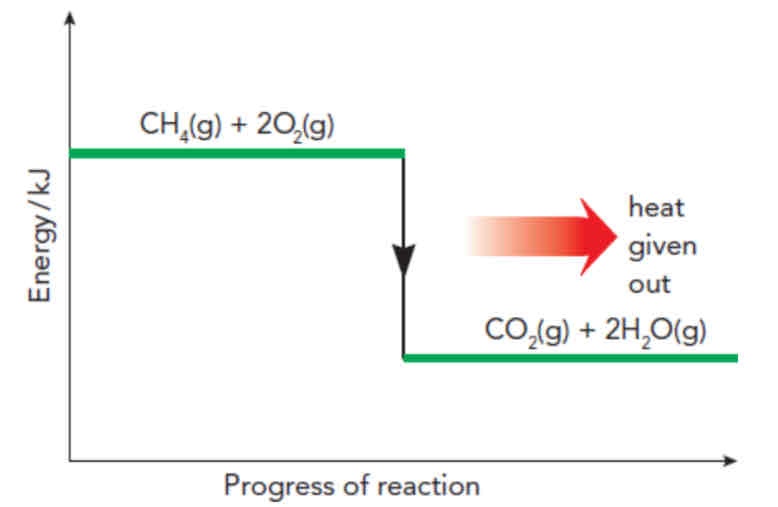
EXothermic reactions: EXits
releases thermal energy to the surroundings → environment gets hotter
In a graph:
Energy of reactant is higher than the products
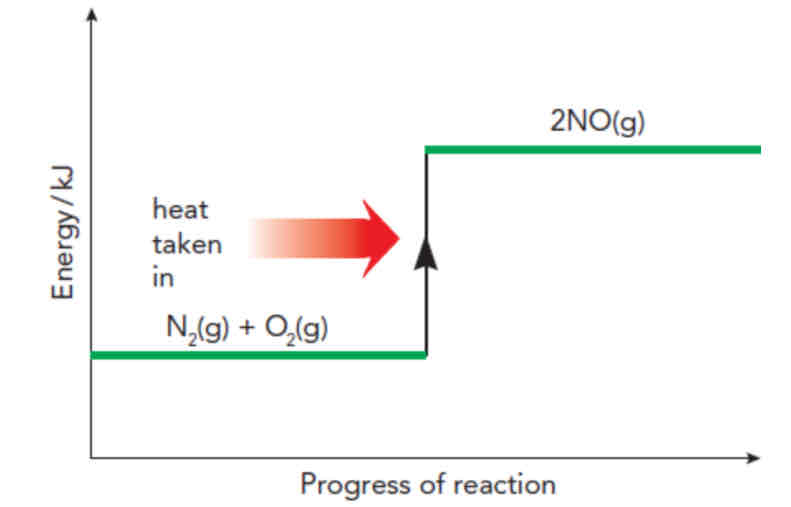
ENdothermic reactions: ENters
Take in heat energy from surroundings → environment gets cooler
In a graph:
Energy of the reactants is lower than energy of products
Reaction pathway diagrams:
Energy of reactants and products on the vertical axis (y)
Progress of reaction of horizontal axis (x) - products right, reactants left
Energy change using an arrow (up/down) between reactants and products
Enthalpy and enthalpy change
Enthalpy: thermal energy content of a system
Enthalpy change: transfer of thermal energy in that system
Exothermic = negative enthalpy change
Endothermic = positive enthalpy change
Bond breaking and bond making
Bond making: exothermic
More energy is given out when new bonds form than when original bonds break.
Bond breaking: endothermic
Needs to take in energy from environment to break bonds
Activation energy: Energy required to start the reaction