psychological disorders I
WHAT IS ABNORMALITY
deviance :: having though, emotions, and behaviours that fall outside of the standards of what others are doing. con: incl both extremes ex ppl with extremely high or low IQs are not disordered
distress :: intest negative feelings such as anxiety, sadness, or despair due to behaviours may be indicative of a psychological disorder. con: ppl who lack distress does not mean psychologically healthy
dysfunction :: behaviour interferes day to day life. they can’t fucntion properly. con. ppl may be deliberatly dysfunctional but not disordered ex. hunger strike
danger :: to oneself to another. risky behaviours. con: people may choose to do dangerous things for fun ex. skydiving
CLASSIFYING DISORDERS
DSM :: diagnostic and statistical manual. allows like a standardized way for clinicians to consider disorders. lists the diagnostic criteria mental disorders. starting w ver 5 we move towards a dimensional classifical model instead of a categorical classification
cons of DSM :: some say still has categorical mode; has negative implications for treatment. high comorbidity.
comorbity :: one person can be disgnosed w many psychological disorders. out disgnostic criteria simply overlaps too much
EPIDEMOLOGY
epidemiology :: the study of distribution of health-related states + disorders withing a pop.
prognosis :: probable course of an illness.
acute prognosis :: short-lasting w sudden onset. ex. heart attack
chronic disorders :: long lasting + develop over time
episodic prognosis :: recurrent phases. phases of normal inbetween
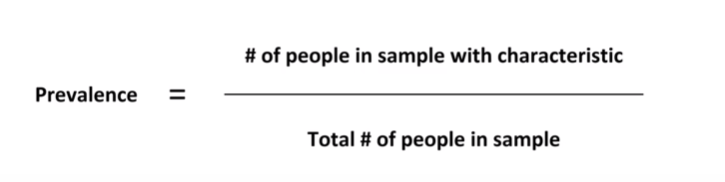
point prevalence :: measured at a specific instance in time. However, many psychological disorders are episodic, or go into remission. A person who does not display symptoms at this exact moment, may nevertheless have displayed symptoms of a particular disorder at some point in the past, but this experience would not be included in this prevalence measure.
annual prevalence :: who has the disorder, or has had the disorder, within the past year.
lifetime prevalence :: The lifetime prevalence of a disorder includes anyone who has the disorder, or has had the disorder, within their lifetime
cherry picking :: The unethical process of selecting the numbers that best support a position
SYMPTOMATOLOGY
symptomatology :: the collection of behaviours, thoughts, or feelings that may be a potential indicator of a specific psychological disorder
heterogeneity :: the same psychological disorder often presents with different symptoms, in varying degrees of severity
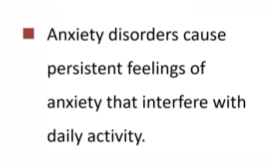
GAD:: generalized anxiety disorder. repeatedly worried about what most people would consider to be normal life events and routine activities. always feel tense, and this can lead to dizziness, sleep problems, muscle tension, headaches, fatigue, \n sometimes even nausea
positive symptoms :: usually describe the addition of abnormal behaviours, like hallucinations and delusions
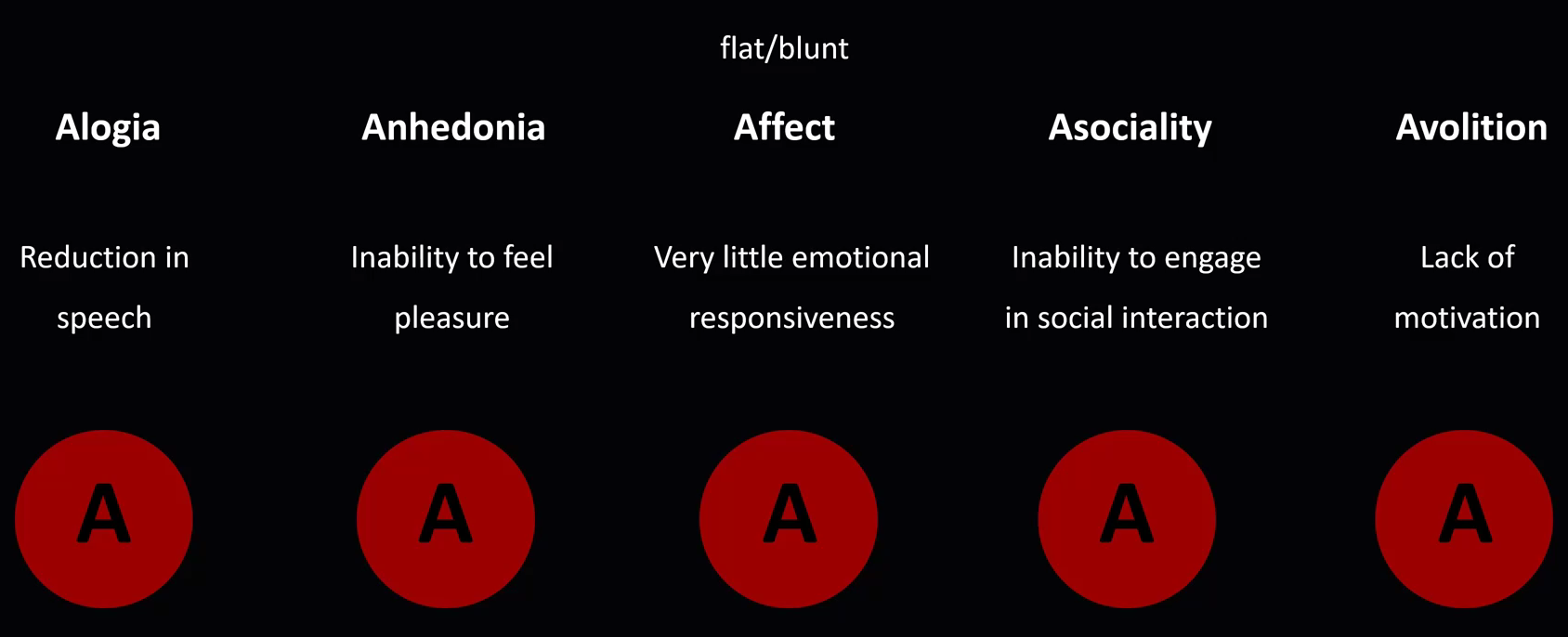
negative symptoms:: usually describe the absence of typical behaviours, as in loss of speech or loss of pleasure from eating
positive symptoms of schizophrenia :: hallucinations, delusion, catatonia
delusion :: irrational belief
disorganized thinking/speech :: refers to problems in organizing ideas leading to sentences that are difficult to follow
catatonia :: Disorganized motor behaviour may involve dramatic changes in movement. positive symptom
catatonic excitement :: repeated, frantic motor movements that seem to have no purpose at all.
catatonic stupor :: dramatic reductions in movement
negative symptoms of schizophrenia