Exercise Psychology
— Examine how exercise impacts how people feel about themselves
feelings of well being
mood states
mental performance
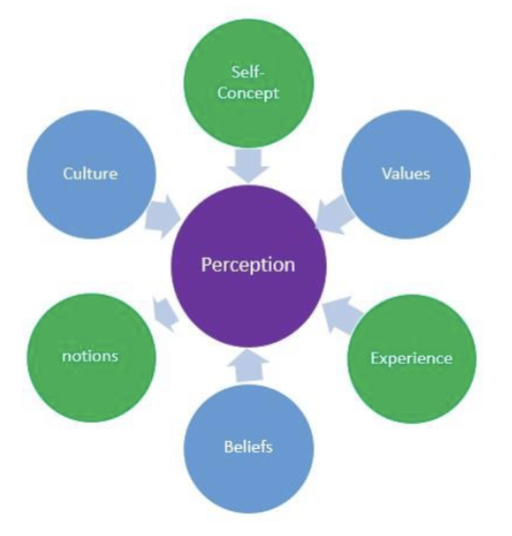
Perception:
— Recognition and interpretation of sensory stimuli based on memory
feelings about a situation based on past experiences
Motivation
3 components:
direction
intensity
persistence
— these three components need to be considered in exercise as well
Exercise Participation Motivation
— refers to the direction component of motivation
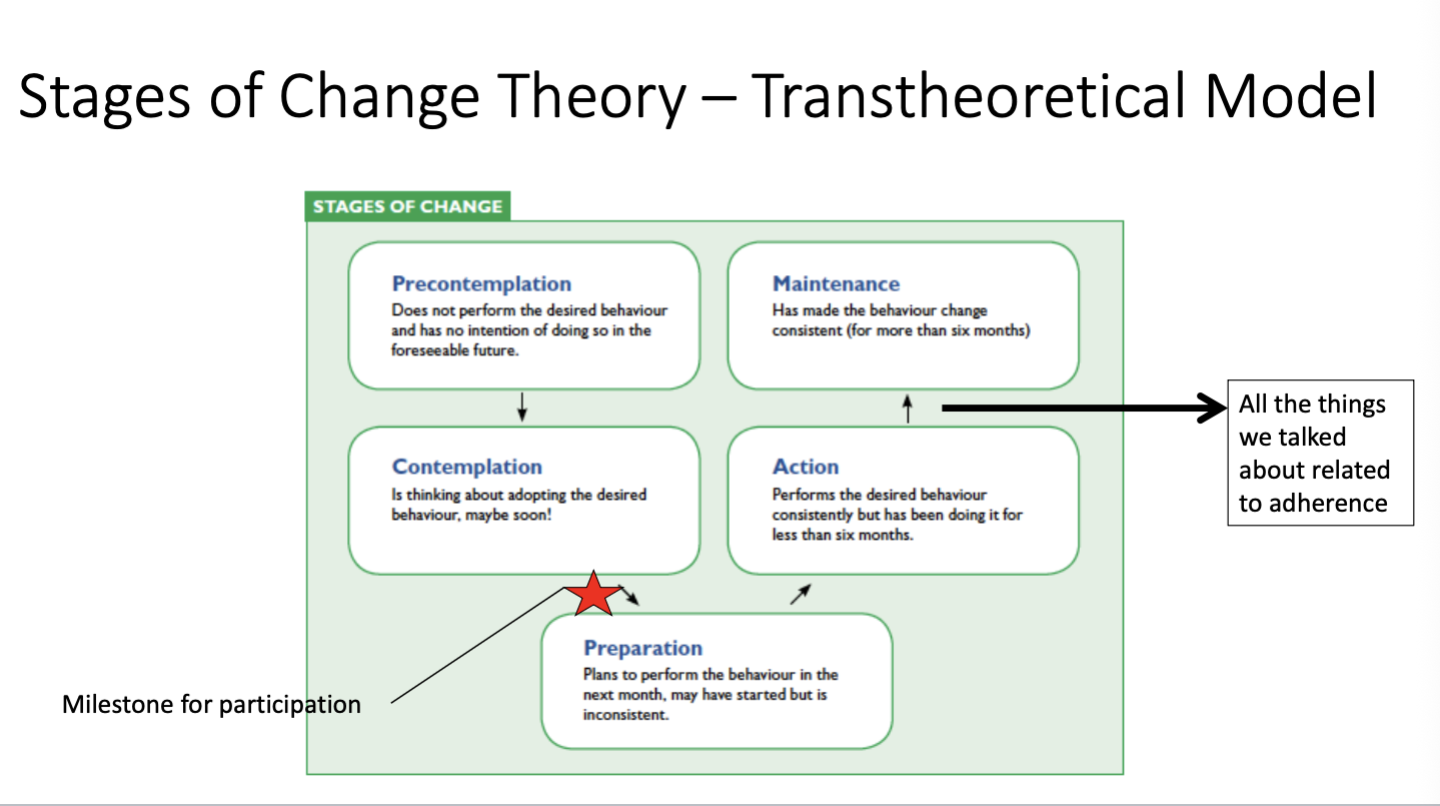
its the first step in initiating exercise
Self Efficacy
— feeling like you have the skills and ability to do a given behavior
— varies with different behaviors and even with changes to the various components of a behavior
Behaviors have 4 components:
action (what to do)
time (for how long)
target (frequency)
context (under what conditions/when)
— improving self efficacy is one of the best ways to motivate and individual
gives us a sense of control and competence
knowing something is good for us isn’t good enough
Ways to Improve Self Efficacy:
performance accomplishments
various experiences
verbal and social persuasion
Exercise Adherence Motivation
— Focus on the persistence component of motivation
Influenced by:
biological factors(body comp, fitness, injury state)
psychological factors (mood, motivation, and attitude)
sensory factors (enjoyment, pain)
situational factors (when, where, who)
Goal Setting:
— if intrinsic motivation is low, use goal setting to enhance motivation
Address all components of motivation:
direction
intensity
persistence
— goals also reflect improvement
Goal Setting Steps:
1. set the goal (SMART)
Specific
Measurable
Attainable
Realistic
Time bound
set the target date
determine strategy to achieve
Exercise Adherence - Identity Theory
Individual and Social Identity
— think as self as an exerciser/athlete
trusted group support is an important part of the changing ones identity
How to Get Non-Exerciser to Exercise