Regulating Fluid and Electrolyte Balance
Physiology Related to Fluid and Electrolytes
Electrolytes are minerals in the body that are able to conduct electrical charges. In the human body, electrolytes—which are essential to sustain life—are found in the blood, urine, tissues, and other body fluids. Common electrolytes include potassium, sodium, calcium, and magnesium. Levels of electrolytes can be evaluated by performing metabolic panels such as the basic metabolic panel (BMP) or the complete metabolic panel (CMP)—that is, laboratory blood tests that determine if electrolyte levels are outside of the expected reference range. Understanding the role of electrolytes in the body requires knowledge of the expected laboratory values, the causes of imbalances, the manifestations associated with an electrolyte imbalance, and strategies for identifying and treating those causes.
Basic Metabolic Panel (BMP) | Comprehensive Metabolic Panel (CMP) | Indication |
Blood urea nitrogen (BUN) | Blood urea nitrogen (BUN) | Kidney function |
Carbon dioxide (CO2) | Carbon dioxide (CO2) | Blood bicarbonate level |
Creatinine (CR) | Creatinine (CR) | Kidney function |
Glucose | Glucose | Blood sugar level |
Chloride (Cl-–) | Chloride (Cl-–) | Blood chloride level |
Potassium (K+) | Potassium (K+) | Blood potassium level |
Sodium (Na+) | Sodium (Na+) | Blood sodium level |
Calcium (Ca+) | Calcium (Ca+) | Liver function |
Liver enzymes Alkaline phosphate (ALP) Alanine transaminase (ALT) Aspartate aminotransferase (AST) | Liver function | |
Bilirubin (total) | Liver function | |
Protein (total) | Total blood protein | |
Albumin | Liver function |
Electrolytes are responsible for the following functions within the body:
Maintaining the balance of water in the body
Balancing the blood pH (acid–base) level
Moving nutrients into the cells
Moving wastes out of the cells
Maintaining proper function of the body’s muscles, heart, nerves, and brain)
Understanding these physiological functions will allow the nurse to use critical thinking skills when evaluating electrolyte laboratory results. The nurse can then utilize clinical judgment to anticipate proper interventions for results outside the expected reference ranges.
Drag the laboratory test into the correct body system.
Kidney function
Liver function
The average person’s weight consists of one-half to two-thirds water. For males, this equates to 60% of weight, for women about 54%, and for babies and young children approximately 70%. It is critical to maintain the balance of water in the body to prevent hypovolemia, dehydration, tachycardia, tachypnea, confusion, headache, kidney stones, and numerous other medical complications. Water loss in the body primarily occurs through excretion of urine from the kidneys. Situations such as prolonged vomiting, severe diarrhea, and profuse sweating can greatly increase water loss as well. When a person is unable to drink enough fluids to compensate for the excess water loss, dehydration or hypovolemia can occur.
The body works to maintain homeostasis by keeping water and electrolytes at a constant level in the blood. This level can be monitored by determining the serum osmolality of the blood—that is, by performing a laboratory test that measures the concentration of solutes to water. Serum osmolality is the most frequently used laboratory indicator of the body’s fluid status. The expected reference range of serum osmolality is 285 to 295 mOsm/kg. As body water decreases, the concentration of solutes increases. This, in turn, leads to an increase in serum osmolality and indicates a decrease in hydration.
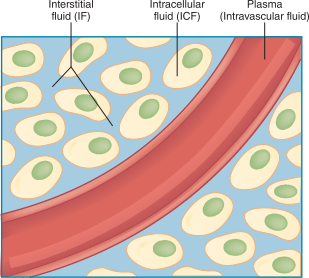
body fluid compartments
Osmolality can also be measured using urine and is used to determine renal function as well as hydration status. The expected reference range for urine osmolality is 50 to 1,200 mOsm/kg for a random specimen.
The body’s water is located both within the cells and outside of the cells, with two-thirds of the total water inside the cells. There are three main fluid compartments, with the largest being the intracellular space, which holds 67% of the body’s water. The other two compartments, collectively referred to as the extracellular space, comprise the interstitial space, which contains 25% of the body’s water, and the intravascular space, which holds the remaining 8% of body water. Water passes easily among the various compartments by the process of osmosis to keep fluid and electrolyte levels balanced and the body functioning properly. Osmosis refers to the movement of water across a semi-permeable membrane from an area of higher concentration of water molecules and a lower concentration of solutes to one of a lower concentration of water molecules and a higher concentration of solutes, such as fluid moving into or out of a cell, in an effort to maintain homeostasis.
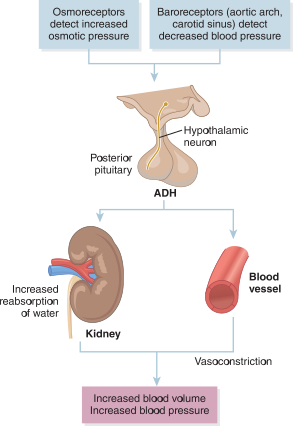
antidiuretic hormone
To maintain the balance of fluid, the body utilizes various homeostatic mechanisms to increase or retain water. The most obvious mechanism is the thirst response. Researchers have determined that an intricate part of the brain, the lamina terminalis, which sits at the edge of the hypothalamus, senses the body’s water balance by monitoring the osmolality in the ventricles of the brain. Serum osmolality is maintained in a narrow range. A small increase in serum osmolality is enough to alert the brain's sensors to a decrease in the body's fluid volume . When the neurons of the lamina terminalis sense a need to increase the body’s supply of water, they send out signals that stimulate thirst. Conversely, when the brain senses excess body water in the body, the thirst sensation ceases.
thirst response
Another mechanism used to maintain the body’s water balance is based on the interaction of the brain and the kidneys. As serum osmolality rises, the hypothalamus stimulates the posterior pituitary to release antidiuretic hormone (ADH), also known as vasopressin, which acts on the nephrons of the kidneys. The collecting ducts of the nephrons respond to ADH by increasing the reabsorption of water, decreasing the excretion of urine, and increasing the fluid volume of the body.
antidiuretic hormone (ADH)
vasopressin
The final mechanism used to maintain water balance is osmosis, which allows for the passive flow of water between the compartments of the body to maintain an equilibrium. Water passes through semi-permeable cell membranes from areas of low solute concentration to areas of high solute concentration. This passive water flow helps maintain homeostasis within the body by equalizing the concentration of fluid inside and outside of the cells.
As part of the body’s filtration system, the kidneys also help to maintain fluid and electrolyte balance by removing cellular wastes and excess fluid through urination. Through this process, the kidneys maintain homeostasis within the body by filtering the blood and eliminating wastes, but also by returning needed water and electrolytes back into the circulation where they are needed.
Most of the daily fluid loss from the water occurs from sweat and from the urinary and gastrointestinal systems, such as urine and liquid stool. This fluid loss is sensible fluid loss. Insensible fluid loss is hard to measure because it occurs from the respiratory system, skin, and water in formed stool.
Risk Factors for Fluid and Electrolyte Imbalances
Several factors can contribute to fluid and electrolyte imbalances, including dehydration; hypovolemia; overhydration; certain medications; heart, kidney, or liver disorders; and incorrect intravenous fluids or feedings. Conditions such as profuse sweating, vomiting, and diarrhea also result in increased water loss that may disturb fluid and electrolyte balances in the body.
To better understand fluid and electrolyte imbalances, it is necessary to know the expected reference values.
Electrolyte Values
Electrolyte | Expected Range |
Potassium (K+) | 3.5 to 5 mEq/L |
Sodium (Na+) | 136 to 145 mEq/L |
Calcium (Ca2+) | 9 to 10.5 mg/dL |
Magnesium (Mg2+) | 1.3 to 2.1 mEq/L |
It is vital for nurses to be knowledgeable about these expected reference ranges for common electrolytes and to understand what deviations can mean for clients and their health outcomes. Nurses must be able to recognize abnormalities in laboratory findings, report these findings to the provider, and anticipate the appropriate interventions that may be prescribed.
Electrolyte Balance and Imbalances
While water passes through semi-permeable membranes through the process of osmosis, electrolytes and other substances that make up the solutes within a solution, such as blood, move across those membranes through diffusion and active transport. Diffusion is the movement of solutes, such as electrolytes, from an area of high concentration (such as within a cell) to an area of low concentration (such as the intravascular area). This process continues until there are equal numbers of solutes inside and outside the cell. Diffusion is a passive process, meaning it does not require the use of any energy. In contrast, active transport involves the use of energy (i.e., adenosine triphosphate) to move solutes from an area of lower concentration to one of higher concentration. An example of electrolyte movement via active transport is the movement of sodium and potassium into and out of the cells through the sodium–potassium pump.
diffusion
active transport
Potassium is the body’s largest intracellular electrolyte. Its function is to support the transmission of electrical impulses of the body’s nerves and muscles. Potassium also plays a major role in the conduction of nerve cells within the heart. The body maintains potassium levels within a narrow range. Intake occurs through food, drinks, and supplements. The recommended dietary allowance (RDA) for daily intake of potassium is 3,400 mg for adult males and 2,600 mg for adult females. The kidneys are responsible for the primary excretion of potassium (90%), while the rest is lost through sweat and the digestive tract.
potassium
Potassium has an expected reference range in the blood of 3.5 to 5 mEq/L. Hypokalemia occurs when levels of potassium fall below 3.5 mEq/L. Critical values occur at less than 3 mEq/L for adults and less than 2.5 mEq/L for newborns.
hypokalemia
Electrolyte Interventions
PNs should review laboratory values and, if out of range, report the results to the RN or the provider.
Hypokalemia can occur from several causes:
Medications
Certain cardiac conditions
Gastrointestinal losses
Metabolic alkalosis
Decreased oral intake of potassium
Excessive alcohol use
Chronic kidney disease
Diabetic ketoacidosis
Excessive sweating
Folic acid deficiency
The most common cause of hypokalemia is loss of potassium from the kidneys or gastrointestinal tract. Potassium-wasting diuretics (loop, thiazide, and osmotic) are the medications that most commonly result in hypokalemia through urinary loss. Other medications that can lead to decreased potassium levels include amphotericin B, high doses of penicillin, and theophylline. Decreased potassium from gastrointestinal losses may result from prolonged diarrhea and vomiting, as well as from chronic laxative use, bowel diversion, or gastric suctioning.
diuretics
Mild hypokalemia (3 to 3.5 mEq/L) may or may not present with any signs. Common manifestations that can be seen with hypokalemia of less than 3 mEq/L include muscle weakness, cardiac arrhythmias, constipation, and fatigue. With severe life-threatening hypokalemia, defined as a potassium level less than 2.5 mEq/L, respiratory paralysis and failure can occur. Other manifestations of severe hypokalemia may include paralytic ileus (obstruction in the intestine), hypotension, tetany, rhabdomyolysis (muscle tissue breakdown), and life-threatening cardiac arrhythmias. Repeated episodes of hypokalemia can affect renal function. The provider may order an electrocardiogram (ECG) to determine if the level of potassium is affecting the rhythm of the heart.
arrhythmias
paralysis
paralytic ileus
hypotension
rhabdomyolysis
electrocardiogram (ECG)
Treatment of hypokalemia starts with identifying the underlying cause. The provider may prescribe potassium supplementation to restore levels to the expected reference range. These supplements can be in the form of oral medications or intravenous infusion. Oral supplements can cause gastrointestinal distress, so they should be administered with or following a meal.
Drag the manifestations in the left column to match it with the correct condition in the right column.
Mild hypokalemia
Severe hypokalemia
High-Alert Medication: IV Potassium
Potassium is considered a high-alert medication when given intravenously. This means that if potassium is given incorrectly, the client can suffer great harm. When administered intravenously, this medication should be diluted in 100 to 1,000 mL of a compatible solution and never administered directly from the vial. The dose of potassium should not exceed 40 mEq/L unless severe hypokalemia is being treated. The rate of administration is commonly set at 10 to 20 mEq/hour to prevent adverse outcomes. The client should be on continuous ECG monitoring while receiving IV potassium. The client’s potassium level should also be checked periodically to ensure that they are not receiving too much potassium.
If hypokalemia is the result of diuretic use, the provider may prescribe routine oral potassium supplements as an adjunct treatment or switch the client to a potassium-sparing diuretic. The provider may also instruct the client to raise the potassium level by increasing dietary consumption. Nurses can instruct clients in increasing potassium intake by teaching about foods that have a high potassium content.
potassium-sparing diuretic
Foods High in Potassium
Food | Serving Size | Amount of Potassium (mg) per Serving |
Baked potato—highest vegetable | 1 medium | 941 |
Prune juice—highest fruit juice | 1 cup | 707 |
Carrot juice | 1 cup | 689 |
White beans | ½ cup | 595 |
Plain, nonfat yogurt—highest dairy product | 1 cup | 579 |
Sweet potato | 1 medium | 542 |
Salmon—highest fish | 3 ounces | 534 |
Banana—highest fruit | 1 medium | 422 |
Spinach | ½ cup | 370 to 419 |
Avocado | ½ cup | 364 |
Just as clients can experience low potassium levels, they can also experience levels above the expected reference range. This condition, known as hyperkalemia, is defined as a potassium value greater than 5 mEq/L. Critical values occur at levels greater than 6.1 mEq/L and greater than 8.0 mEq/L for newborns. The body maintains the potassium level within a narrow range, and deviations can lead to significant neurologic, respiratory, or cardiac consequences.
hyperkalemia
Hyperkalemia can occur from several causes:
Renal failure
Dehydration
Diabetes mellitus
Medications
Trauma
Excess intake of potassium
Burns
Transfusions of packed red blood cells
Acidosis
Sepsis
The most common cause of hyperkalemia is renal failure. Potassium-sparing diuretics, nonsteroidal anti-inflammatory medications (NSAIDs), and angiotensin-converting enzyme (ACE) inhibitors are the medications that most commonly result in hyperkalemia.
Mild hyperkalemia is usually asymptomatic. However, high potassium levels may cause life-threatening cardiac dysrhythmias, muscle weakness, or paralysis. With severe life-threatening hyperkalemia, defined as a potassium level greater than 7 mEq/L, paralysis and heart failure are possible; if severe hyperkalemia is untreated, death can occur.
Routine blood tests such as the BMP or CMP are used to measure potassium levels. The provider may prescribe an ECG to determine if the level of potassium is affecting the rhythm of the heart.
As with hypokalemia, treatment begins with identifying and treating the cause, with the goal of removing excess potassium and stabilizing the heart.
Electrolyte Interventions
PNs gather lab results and, if out of range, report the results to the RN or provider.
If a client is exhibiting signs of hyperkalemia, hospitalization may be required to remove excess potassium from the blood. If the elevated potassium level is due to renal failure, hemodialysis may be required. Other treatment options for hyperkalemia include medications such as calcium gluconate and diuretics. Calcium gluconate or calcium chloride can be utilized to decrease the effect of excess potassium levels on the heart. Loop and thiazide diuretics cause the body to excrete excess potassium through urination. The provider may also prescribe a resin medication, such as sodium polystyrene sulfonate, to help decrease potassium levels. Resins bind to the potassium in the body and are then excreted through the stool. Other treatments include the administration of insulin, which causes potassium to enter the cells, which lowers the serum potassium level. Clients receiving insulin to treat hyperkalemia should have blood glucose monitoring because of the increased risk of hypoglycemia, defined as a blood glucose level less than the expected reference range of 74 to 106 mg/dL.
hemodialysis
resin
hypoglycemia
The provider may instruct the client with hyperkalemia to lower potassium levels by decreasing dietary consumption. Nurses can instruct clients in decreasing potassium intake by teaching about foods that are high in potassium content as well as salt substitutes that can contain potassium.
Salt Substitutes
Salt substitutes are commonly used by clients who have to limit their sodium intake. However, these substitutes can contain potassium chloride, which increases a client’s potassium level. Clients should monitor their use of salt substitutes since many of these products contain potassium.
Sodium is the body’s most common extracellular electrolyte. It supports proper neurologic and neuromuscular function, regulates the body’s fluid balance, and helps maintain blood pressure. Sodium is ingested into the body through food and drink, and is excreted primarily through urine and sweat. The RDA for sodium is less than 2,300 mg per day, or approximately 1 teaspoon. Most Americans get more sodium than they actually need.
sodium
The expected reference range of sodium is 136 to145 mEq/L. Hyponatremia occurs when levels of sodium fall below 136 mEq/L. Critical values occur at less than 120 mEq/L.
hyponatremia
Electrolyte Interventions
PNs should gather lab results and, if out of range, report the results to the RN or provider.
Multiple factors can place a client at risk for developing hyponatremia:
Medications
Chronic or severe vomiting or diarrhea
Drinking excess amounts of water
Excess alcohol intake
Heart, kidney, and liver problems
Severe burns
Excess water in the body—rather than a lack of sodium—is the most common cause of hyponatremia, as the presence of too much water dilutes the sodium level. This can occur as a result of drinking too much water or some other conditions, as just noted. Thiazide diuretics are the medications that most commonly result in hyponatremia, as they cause loss of sodium through urinary loss. Gastrointestinal losses can occur with prolonged diarrhea or vomiting. Diseases such as heart failure and cirrhosis lead to increased retention of fluid in the body, which dilutes sodium, while certain kidney conditions can lead to excess excretion of sodium.
Manifestations such as nausea and a feeling of general unwellness can occur with even mild hyponatremia. The neurologic manifestations are related to fluid shifts in the brain, which lead to cerebral edema. Moderate hyponatremia often manifests first with lethargy and confusion. Other neurologic changes may include headache, restlessness, and irritability. As hyponatremia becomes more severe, muscle twitching, further decreases in level of consciousness, seizures, and coma can occur. If hyponatremia is not reversed, a client can become unrousable, and death can occur.
edema
Routine serum electrolyte tests—either BMP or CMP—are used to measure the level of sodium and water in the blood. The provider may also prescribe a urinalysis to determine how much sodium is being excreted.
Electrolyte Interventions
PNs should gather lab results and, if out of range, report the results to the RN or provider.
Treatment of hyponatremia begins with identifying the underlying cause and determining the level of sodium deficiency. It is important to raise sodium levels slowly to prevent further neurologic complications. If the cause of the low sodium level is related to excessive water intake or an alteration in fluid balance, the treatment may include fluid restriction to correct the dilutional effect of too much body water. If the cause is related to sodium and fluid losses, IV fluids are administered to restore sodium and water balance. If the hyponatremia is caused by medications, these therapies may be modified or discontinued. If the hyponatremia results from a disease, such as heart failure or cirrhosis, the client’s treatment may need to be changed.
If a client’s hyponatremia is caused by excess water intake, treatment should also include education geared toward preventing future episodes of hyponatremia. Along with the manifestations of hyponatremia, the nurse should educate on the client on the following measures:
Drink water in moderation.
Check urine for a pale, yellow color to indicate adequate hydration.
Discuss with the provider the need to consume sports drinks with electrolytes when participating in demanding physical activities.
Use thirst as an indicator as to whether or not drinking water is necessary.
Treatment for Hyponatremia
PNs should reinforce education for a client to prevent hyponatremia from recurring. The RN will provide the initial education to the client.
Hyponatremia and Older Adults
Older adults are more prone to hyponatremia due to physiological aspects of aging, the increased number of comorbidities in this population, and greater use of medications.
Hypernatremia occurs when the sodium level exceeds 145 mEq/L, and critical values occur at levels greater than 160 mEq/L. Hypernatremia is most commonly seen when the body water loss is greater than the solute loss. However, it can also be a result of too much sodium, or a combination of the two. Excessive sodium levels will result in neurologic manifestations.
hypernatremia
Hypernatremia can occur from the following causes:
Loss of body water
Medications
Gastroenteritis
Vomiting
Prolonged suction
Burns
Excessive sweating
Chronic kidney disease
Diabetes
Impaired thirst response
Loss of body water is the most common cause of hypernatremia. As water is removed from the body, dehydration occurs, which stimulates the thirst response. Dehydration is diagnosed most often in infants and older adults due to their inability to communicate the thirst response or diminished thirst response (in older adults).
High sodium levels result in manifestations like those seen in hyponatremia: confusion, lethargy, and irritability. As hypernatremia becomes more severe, muscle twitching and further changes in level of consciousness with seizures and coma can occur. If not corrected, hypernatremia will eventually lead to death.
Hypernatremia is diagnosed by evaluation of a BMP or CMP. A plasma osmolality test can also be performed, which will indicate elevated blood viscosity above the expected reference level of 295 mOsm/kg.
Treatment for hypernatremia includes identifying the cause and initiating intravenous fluid replacement containing water and a small amount of sodium. In treating hypernatremia, it is important to decrease the sodium level slowly to prevent cerebral edema.
Following the immediate intervention for hypernatremia, the provider may instruct the client to lower the sodium level on an ongoing basis by decreasing dietary consumption of sodium. Nurses can instruct clients in decreasing sodium intake by teaching about foods that have a high sodium content.
Foods High in Sodium
Food | Serving Size | Amount of Sodium (mg) per Serving |
Roasted ham | 3 ounces | 1,117 mg |
Shrimp—frozen, nonbreaded | 3 ounces | 800 mg |
Shrimp—fresh caught | 3 ounces | 101 mg |
Frozen pizza | 1 large slice | 765 mg |
Canned soup | 1 cup | 700 mg |
Vegetable juice | 8 ounces | 405 mg |
Vegetable juice—low sodium | 8 ounces | 140 mg |
Cottage cheese | ½ cup | 350 mg |
Instant vanilla pudding | ½ cup | 350 mg |
Regular vanilla pudding | ½ cup | 135 mg |
Electrolyte Interventions
PNs should gather lab results and, if out of range, report the results to the RN or provider.
Calcium is the most abundant mineral in the body and has multiple functions. While calcium is found in the blood and cells, 99% of it is stored in the bones and teeth. Calcium plays a role in the following activities: mineralization of bone, muscle contraction, nerve transmission, clotting of blood, hormone secretion, and normal functioning of the heart.
Absorption of calcium by the intestines depends on an adequate supply of vitamin D. The RDA for vitamin D is 600 international units (IU) for adults and 800 IU for older adults. Excretion of calcium occurs through the kidneys and is controlled by the action of parathyroid hormone.
The RDA for calcium depends on age, with young children and adolescents needing more calcium than young adults do. Older adults, especially women, need to increase their intake of calcium to decrease the risk of developing osteoporosis.
Calcium Recommended Dietary Allowance (RDA) by Age
Age | Female | Male |
0 to 6 months | 200 mg | 200 mg |
7 to 12 months | 260 ,g | 260 mg |
1 to 3 years | 700 mg | 700 mg |
4 to 8 years | 1,000 mg | 1,000 mg |
9 to 13 years | 1,300 mg | 1,300 mg |
14 to 18 years | 1,300 mg | 1,300 mg |
19 to 50 years | 1,000 mg | 1,000 mg |
51 to 70 years | 1,200 mg | 1,000 mg |
71+ years | 1,200 mg | 1,200 mg |
(Above table information adapted from NIH ODS, 2020a)
The expected reference range for serum calcium for an adult is 9 to 10.5 mg/dL. However, much of the calcium in the body is bound to protein, so a more accurate analysis is provided by assessing an ionized calcium level. This represents the active, or unbound, amount of calcium in the blood. The expected reference range for ionized calcium for an adult is 4.5 to 5.6 mg/dL.
ionized calcium level
Hypocalcemia occurs when serum calcium levels are below 9 mg/dL and ionized levels are less than 4.5 mg/dL. Critical values occur at less than 6 mg/dL and less than 2.2 mg/dL, respectively.
hypocalcemia
Ionized Calcium
A client’s ionized calcium level is generally estimated to be about 50% of their total calcium.
Hypocalcemia can occur from several causes:
Medications that decrease the body’s absorption of calcium
Inadequate amount of vitamin D
Hormonal changes (menopause)
Hypoparathyroidism
Renal disease
Multiple blood transfusions
Electrolyte imbalances of magnesium or phosphate
Sepsis
Low albumin levels
hypoparathyroidism
Medications that can lead to hypocalcemia include stimulant laxatives, which decrease the absorption of calcium; long-term use of glucocorticoids, which can deplete calcium stores by increasing a client’s risk of developing osteoporosis; and loop diuretics, which can lead to excess calcium excretion by the kidneys. Medications used to decrease the body’s gastric acid—for example, proton-pump inhibitors and histamine-2 blockers—can also lead to hypocalcemia by decreasing the breakdown of fat, a factor that is important for calcium absorption.
Another potential cause of hypocalcemia is a lack of circulating parathyroid hormone (PTH). The parathyroid glands, which are located in the neck behind the thyroid gland, are responsible for the secretion of PTH. The function of PTH is to maintain the proper amount of calcium in the body. Among the various causes of decreased PTH in the body, the most common are thyroid or neck surgery. Decreased PTH may lead to the need for lifetime supplementation of calcium.
parathyroid hormone (PTH)
Hormonal changes that occur in menopause place older adult women at risk for hypocalcemia. Decreased estrogen production can inhibit the absorption of calcium as well as hasten the resorption, or loss, of bone.
Osteopenia
Over time, the body takes calcium from bone, where it is stored, so as to maintain sufficient calcium levels in the blood. Hypocalcemia can lead to osteopenia, also known as low bone mass, and increase the risk of bone fractures and osteoporosis.
osteopenia
Hypocalcemia affects multiple body systems, including the respiratory, cardiac, neurologic, sensory, neuromuscular, and integumentary systems. Acute cases can be associated with cardiovascular manifestations such as chest pain, dysrhythmias, heart failure, and syncope. Neuromuscular manifestations may be more noticeable to the client and include numbness and tingling of the fingers and toes, and around the mouth; muscle cramping; and spasms, particularly in the back and lower extremities. Neurological manifestations may include confusion, depression, psychosis, dementia, lethargy, seizures, and personality changes. Respiratory changes may include wheezing, spasms of the larynx and airway, dysphagia, and changes to the voice. Integumentary changes include coarseness of the hair, hair loss (alopecia), brittle nails, dry skin, and itching. Other manifestations can include the development of vision difficulties and dental problems.
Hypocalcemia
Neonates and infants are at greater risk for hypocalcemia if they are born to mothers who have diabetes, pre-eclampsia, or hyperparathyroidism.
hyperparathyroidism
A BMP or CMP will provide a client’s total calcium level. To determine the client’s level of ionized calcium, a separate prescription will be required.
A physical exam may also be performed to assist with the diagnosis of hypocalcemia. Two distinct findings can be elicited if hypocalcemia is suspected: the Chvostek sign and the Trousseau sign. Note that these signs are only indications—and are not diagnostic—of hypocalcemia. To elicit the Chvostek sign, use the fingertips to tap the facial nerve, which is located 2 cm in front of the tragus of the ear. A twitching of the facial muscles on the same side being tapped is a positive Chvostek sign. To elicit the Trousseau sign, place a blood pressure cuff on the client’s arm and inflate it 20 mm Hg above the client’s systolic blood pressure for 3 to 5 minutes, which will cause irritability of the nerves in the arm. A positive result occurs with flexion of the wrist, thumb, and first joints of the fingers, combined with hyperextension of the fingers. The Trousseau sign is considered a more specific indicator of hypocalcemia than the Chvostek sign.
Chvostek sign
Trousseau sign
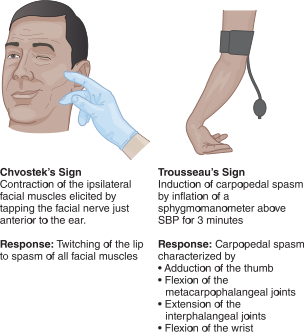
chvostek's and trousseau's sign
Hypocalcemia may resolve on its own, or treatment may be required. Treatment options, depending on the severity of the hypocalcemia, may include calcium and vitamin D supplements, dietary changes, or calcium injections.
Treatment for Hypocalcemia
PNs should reinforce education for a client to prevent hypocalcemia from recurring. Initial education will be provided to the client from the RN.
Calcium Supplements
Limit calcium supplement intake to less than 500 mg per dose to promote absorption.
If the provider instructs clients to raise calcium levels through their diet, nurses should offer these clients instruction on foods that have a high calcium content. Following intervention, periodic assessment of the client's symptoms and blood calcium levels via BMP or CMP is necessary until the client's symptoms and calcium levels are within the expected reference range.
Foods High in Calcium
Food | Serving Size | Amount of Calcium (mg) per Serving |
American cheese—highest cheese | 2 ounces | 593 |
Parmesan cheese | 1.5 ounces | 503 |
Plain yogurt, nonfat | 8 ounces | 452 |
Almond milk—highest milk | 1 cup | 451 |
Orange juice, calcium fortified | 1 cup | 349 |
Soymilk (all flavors) | 1 cup | 340 |
Low-fat milk (1%) | 1 cup | 305 |
Cheddar cheese | 1.5 ounces | 287 |
Whole chocolate milk | 1 cup | 280 |
Whole milk | 1 cup | 276 |
Hypercalcemia occurs at a serum calcium level greater than 10.5 mg/dL and an ionized calcium level greater than 5.6 mg/dL. Critical values occur at levels greater than 13 mg/dL and 7 mg/dL, respectively. Elevated serum calcium levels can lead to development of kidney stones, weaken bones, and affect the function of the heart and brain. Hypercalcemia is most commonly caused by the following factors:
Hypercalcemia
Cancer
Hyperparathyroidism
Vitamin D toxicity
Medications
Renal failure
The most common causes of hypercalcemia are hyperparathyroidism and cancer. Both of these conditions result in excessive calcium being drawn from the bones and into the bloodstream. In hyperparathyroidism, the parathyroid glands secrete excessive amount of the hormone PTH. The elevated PTH levels in the body then lead to increased absorption of calcium by the intestines, increased reabsorption by the kidneys, and increased bone resorption—a process that ultimately leads to excessive levels of calcium in the blood.
As cancer progresses and bones are invaded, bone resorption occurs. As a result of this process, the cancer tumors release a hormone similar to PTH, which leads to increased levels of calcium in the blood.
Hypercalcemia can be caused by medications such as calcium, vitamin D and A supplements, thiazide diuretics, and lithium carbonate. In addition, prolonged bed rest can result in elevated serum calcium levels. This condition occurs within a period of days or weeks, but is quickly reversed when the client again begins to engage in weight-bearing activities and becomes more active in general.
Mild hypercalcemia rarely produces symptoms. Gastrointestinal manifestations such as constipation and abdominal pain, nausea and vomiting, and anorexia are usually the first indications that a client will notice. As calcium levels increase, confusion and behavioral changes can occur, along with thirst, polyuria, bone pain, and muscle weakness. If hypercalcemia reaches critical levels, arrhythmias, delirium, coma, and renal failure can occur. If left untreated, hypercalcemia is potentially life-threatening.
Hypercalcemia Manifestations Mnemonic
Abdominal Groans, painful Bones, kidney Stones, psychiatric Moans, and fatigue Overtones
Abdominal groans refer to gastrointestinal manifestations such as constipation, nausea, and vomiting.
Painful bones refer to the aching pain that occurs in cases of hypercalcemia caused by hyperparathyroidism.
Kidney stones refer to the development of calcium renal stones that can cause intense flank pain.
Psychiatric moans refer to confusion and behavioral changes such as delirium and psychosis that can occur.
Fatigue overtones refer to the lethargy and general feelings of malaise that occur with hypercalcemia.
A BMP or CMP can reveal if a client has an elevated calcium level. An ionized calcium and PTH level should also be included in the lab tests. Imaging tests, such as a computed tomography (CT) scan or chest x-ray, may also be prescribed to examine a client’s bones or lungs.
As with other electrolyte abnormalities, treatment begins with identifying the cause. Clients with mild hypercalcemia without symptoms are monitored with laboratory tests until a cause is diagnosed. For clients with mild hypercalcemia who have symptoms, phosphate by mouth is prescribed to decrease calcium levels by blocking absorption. To promote excretion of calcium, an intravenous saline bolus, followed by a loop diuretic, may be prescribed. This treatment can also be prescribed for moderate hypercalcemia. Other treatments for moderate hypercalcemia include administering medications to prevent calcium from leaving the bones or to decrease calcium absorption in the intestine. For clients with critical levels of hypercalcemia who have severe symptoms, hemodialysis to remove the excess calcium from the blood is the treatment of choice.
Hypercalcemia Test Results
PNs should gather lab results and results of tests and, if out of range or in case of abnormal findings, report the results to the RN or provider.
Magnesium is the body’s second most common intracellular electrolyte. As with calcium, much of the body’s store of magnesium, 50% to 60%, is located in the bones. Magnesium’s role in the body is to assist in the regulation of nerve and muscle function, maintain blood pressure and serum glucose levels, support bone and teeth health, and synthesize protein, DNA, and RNA. Intake of magnesium occurs through digestion of whole foods. Many food products are fortified with magnesium, but this nutrient can also be obtained through multivitamins, supplements, laxatives, and medications for gastrointestinal symptoms such as heartburn and indigestion. Magnesium is excreted through the urine and feces.
magnesium
The RDA for daily intake of magnesium depends on age and sex. Adult males require 400 to 420 mg/day and adult women need 310 to 320 mg/day.
Magnesium has an expected reference range of 1.3 to 2.1 mEq/L. Hypomagnesemia occurs when levels of magnesium fall below 1.3 mEq/L. Critical values occur at less than 0.5 mEq/L or greater than 3 mEq/L.
hypomagnesemia
Electrolyte Interventions
PNs should gather lab results and, if out of range, report the results to the RN or provider.
Hypomagnesemia may be caused by several different factors:
Medications
Decreased intake
Decreased absorption by the intestines (Crohn’s disease, celiac disease)
Increased excretion by the gastrointestinal tract (diarrhea, pancreatitis)
Increased excretion by the kidneys
Excessive alcohol use
Diabetes mellitus type 2
Undernutrition
Severe burns
Electrolyte imbalances (hypokalemia, hypocalcemia)
Medications that can lead to magnesium loss include loop or thiazide diuretics, certain antibiotics, and proton-pump inhibitors.
Clinical signs of hypomagnesemia usually do not occur until levels drop below 1.2 mg/dL. Symptoms of moderate hypomagnesemia can include nausea, vomiting, decreased appetite, fatigue, and weakness. When magnesium levels drop further, manifestations become more severe and may include neuromuscular changes such as muscle cramps and spasticity, numbness and tingling, seizures, tetany, and personality changes. Cardiac dysrhythmias and spasms are also frequently observed in such clients, especially if the hypomagnesemia is accompanied by other electrolyte disturbances.
A BMP or CMP will indicate the level of magnesium in the blood. Hypokalemia and hypocalcemia may also be present if magnesium levels are severely low. An ECG may be performed to determine any effect on the rhythm of the heart.
Treatment with oral magnesium replacement is initiated if the client is experiencing manifestations of hypomagnesemia or if the client has alcohol use disorder. Parenteral magnesium replacement is reserved for clients who have severe manifestations or cannot tolerate oral magnesium. Concurrent electrolyte imbalances in potassium or calcium should also be corrected if they are present, as the magnesium imbalance is more difficult to correct in the ongoing presence of these imbalances. Clients who have low magnesium levels should be encouraged to increase the amount of magnesium in their diet.
Foods High in Magnesium
Food | Serving Size | Amount of Magnesium (mg) per Serving |
Cooked spinach | 1 cup | 156 mg |
Pumpkin seeds | 1 ounce | 156 mg |
Black beans | 1 cup | 120 mg |
Cooked soybeans | 1 cup | 100 mg |
Cashews | 1 ounce | 74 mg |
Dark chocolate | 100 g | 192 to 252 mg (depending on cocoa percentage) |
Avocados | 1 medium | 58 mg |
Tofu | 3.5 ounces | 53 mg |
Salmon | 3 ounces | 26 mg |
Banana | 1 medium | 33 mg |
High-Alert Medication: IV Magnesium
Intravenous magnesium is a high-alert medication. Doses should be double-checked with another nurse, and the concentration of the medication should be validated. IV administration of magnesium can cause flushing, sweating, and potentially respiratory depression if the medication is administered too quickly. Decreases in the client’s level of consciousness can occur if the client is also receiving a CNS depressant medication. Monitor urine output in clients who have impaired renal function.
Treatment for Hypomagnesemia
PNs should reinforce education for a client to prevent hypomagnesemia from recurring. Initial education will be provided to the client from the RN.
Hypermagnesemia is a magnesium level above the expected reference range of 1.3 to 2.1 mEq/L. While hypomagnesemia is relatively common, excess magnesium in the blood is a rare occurrence. It can, however, be a dangerous electrolyte imbalance. Hypermagnesemia can occur from the following causes:
hypermagnesemia
Kidney disease (acute and chronic)
Excessive intake
Medications
Trauma
Acidotic states
Hypothyroidism
The most common cause of hypermagnesemia is acute or chronic kidney disease, as the impaired kidneys fail to excrete enough magnesium through the urine. While hypermagnesemia is not likely to occur from dietary intake, underlying bowel conditions can cause decreased gastrointestinal motility and lead to increased magnesium absorption. These conditions can be exacerbated by treatment with opioids or anticholinergics—such medications increase the dwell time of food boluses in the intestines, allowing for greater absorption of electrolytes such as magnesium. Laxatives and antacids containing magnesium may also cause hypermagnesemia if intake is excessive, as can as use of psychotropic medications containing lithium.
Slightly elevated magnesium levels may present without manifestations, or the client may experience nausea, dizziness, weakness, and confusion. When magnesium levels exceed 7 mg/dL, moderate neurologic manifestations may occur, such as increasing confusion, sleepiness, blurred vision, and headache. Decreasing reflexes, bladder paralysis, flushing, and constipation may also be present. Hypermagnesemia levels greater than 12 mg/dL cause severe reactions such as muscle flaccid paralysis, decreased respiratory rate, hypotension, bradycardia, and dysrhythmias. If the imbalance is not corrected, seizures, coma, cardiac arrest, and death can occur.
bradycardia
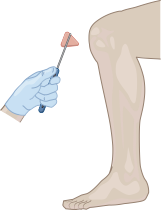
checking patellar reflexes
Checking Patellar Reflexes
High magnesium levels (10 mEq/L or greater) cause muscle weakness and the loss of deep tendon reflexes, which together result in an absent patellar reflex.
Diagnosing hypermagnesemia requires evaluating the level of magnesium through a serum blood test. A BMP or CMP should also be evaluated to review other electrolyte levels as well as renal function. In addition, urinary output may be monitored as part of renal evaluation. The provider may also prescribe an ECG to evaluate whether the hypermagnesemia is affecting the heart rhythm.
Electrolyte Interventions
PNs should gather lab results and, if out of the reference range, report the results to the RN or provider.
As with other electrolyte imbalances, treatment begins by identifying the cause and the level of the abnormality. If a client is experiencing mild hypermagnesemia, treatment may focus on eliminating intake of magnesium through sources such as magnesium supplements, laxatives, or antacids. Magnesium has a long half-life, so decreasing serum levels will take more than 24 hours.
half-life
In a client with a more severe case of hypermagnesemia, the provider may prescribe intravenous calcium gluconate or calcium chloride to suppress the manifestations of hypermagnesemia in the body. The provider may also prescribe intravenous diuretics to promote urination to rid the body of the extra magnesium. If the client is receiving IV diuretics, treatment includes the addition of an intravenous saline infusion to prevent other electrolyte disturbances from occurring. If the client’s kidney function is impaired or hypermagnesemia is severe, hemodialysis may be required to remove excess magnesium from the body.
The client receiving treatment for severe hypermagnesemia will require cardiac monitoring as well as blood pressure and neuromuscular assessments. Following treatment, repeat laboratory tests should be performed to determine if the client’s magnesium level is within the expected reference range. The nurse should provide client teaching on which types of over-the-counter medications contain magnesium as well as foods with high magnesium content.
Four clients with different dietary needs are shopping for foods. Ahmed needs a high-potassium diet; Mia needs a high-magnesium diet; Chloe needs a high-calcium diet; and Jorge need a high-sodium diet. (Drag each option to the desired category.)
Fluid Balance and Imbalances
Just as homeostasis of the body depends on proper electrolyte balance, so too does it rely on proper fluid volume balance. Three distinct imbalances can threaten homeostasis: dehydration, hypovolemia, and hypervolemia. While the terms dehydration and hypovolemia are often used interchangeably, they are actually two distinct disorders with differing manifestations and different homeostatic responses.
hypervolemia
Recall that the principle of osmolality means that fluid can shift between intracellular and extracellular compartments based on the concentration of solutes within each of these spaces. This can lead to cellular shrinkage from a loss of fluid or cellular apoptosis (destruction of the cell) owing to an excess of fluid, much like a balloon that has been overfilled with water. A loss of body water can also be accompanied by a loss of electrolytes, which can then lead to electrolyte imbalances in addition to the alteration in fluid balance.
apoptosis
Fluid Losses
Dehydration occurs when there is a loss of water or lack of water intake without a concomitant loss of sodium. As water is depleted, the electrolyte–water balance is altered and hypernatremia and increased osmolality occur. Body water then shifts from the inside of the cell to the extracellular space, an action that can result in cellular shrinkage.
Dehydration can occur from the following causes:
Diarrhea
Vomiting
Sweating too much
Urinating too much, due to medications
Illnesses, such as diabetic ketoacidosis
Fever
Insufficient intake of water or other fluids
An insufficient water supply, an impaired thirst response, or the inability to communicate thirst can all lead to a decrease in adequate water intake. Gastrointestinal losses owing to diarrhea or vomiting can also result in dehydration if they are treated with hypertonic fluids such as broth. Although these fluids provide a replacement for the lost sodium, they do not adequately replace the free water. Water loss can result from fever or excessive sweating due to the environment. Certain medications can affect water intake by decreasing the body’s thirst sensation.
Manifestations of moderate dehydration include altered cognitive and neuromuscular function related to hypernatremia. Thirst, lethargy, dry mucosa, and oliguria can occur. If water is not replaced, dehydration can become severe, with tachycardia, hypotension, and lactic acidosis increasing the risk of shock. Coma and death due to organ hypoperfusion can occur, if the dehydration is not reversed.
Laboratory tests to identify dehydration include a BMP or CMP, which will confirm the presence of hypernatremia. Serum osmolality will also be elevated. Urine will be concentrated with an increased urine specific gravity level.
urine specific gravity
The treatment of dehydration focuses on the restoration of water balance to the body while also addressing the cause of the water loss. If a client is alert and able to take fluids by mouth, oral rehydration should be used. If the client is unable to drink or if dehydration is severe, fluids should be administered intravenously. The fluid of choice for treating dehydration is dextrose 5% in water (D5W), as it contains no sodium and the glucose in the solution is quickly metabolized by the body. Additionally, D5W disperses to all fluid spaces. IV administration must be performed slowly to prevent cerebral edema.
Whereas dehydration occurs with a loss of body water but no loss of sodium, hypovolemia is characterized by a loss of both fluid and electrolytes. It can lead to a decrease in circulating blood volume and perfusion to the tissues. Hypovolemia is also identified as a fluid volume deficit.
fluid volume deficit
Hypovolemia can occur from the following causes:
Blood loss
Gastrointestinal losses
Severe burns
Third spacing
Excessive sweating
Fever
Medications
Trauma
A loss from the circulating blood volume of the body can occur due to bleeding, either internally (gastrointestinal bleeding) or externally (hemorrhage from trauma). Fluid and electrolyte loss from diarrhea and vomiting occurs in the gastrointestinal tract. Severe burns result in massive electrolyte shifts with accompanying fluid losses. Third spacing, in which fluids become sequestered in other body cavities, is an outcome of disorders such as cirrhosis and pancreatitis. Electrolytes can be lost through elevated body temperature and excessive sweating due to environmental factors. Diuretics can cause the loss of water, potassium, and sodium through the renal tract.
third spacing
Early manifestations of hypovolemia include thirst, dryness of mucous membranes, decreased skin turgor, and decreased urine output. However, the nurse should keep in mind that skin turgor is not a definitive sign, as older adult clients may exhibit decreased skin turgor related to age-related physiological changes. If fluid loss is not corrected, lethargy, muscle weakness, and orthostatic hypotension will occur. As hypovolemia becomes more severe, tachycardia occurs as the body attempts to maintain the circulating blood volume and perfuse vital organs. If hypovolemia goes untreated, serious symptoms may develop, including confusion, tachypnea, chest pain with palpitations, oliguria, and increasing hypotension. If the circulating volume lost becomes greater than 20% of the total volume, hypovolemic shock can occur. If not reversed, this lack of perfusion to the vital organs can lead to multiple organ failure, in which the lungs, kidneys, brain, and heart experience tissue death.
hypovolemic shock
Diagnostic tests for hypovolemia include BMP or CMP, which can be used to identify electrolyte imbalances and increased blood urea nitrogen (BUN) and creatinine (CR) levels. A BUN/CR ratio of greater than 20:1 indicates a lack of blood flow to the kidneys. A complete blood count (CBC) may reveal an elevated hematocrit level, indicating volume loss. However, if the hypovolemia is due to bleeding, the hematocrit and hemoglobin levels will be decreased. The urine will be highly concentrated with little sodium present, as the kidneys attempt to reabsorb sodium and water. The urine specific gravity will be elevated, indicating concentrated urine from a lack of hydration.
creatinine (CR)
hemoglobin
Treatment for hypovolemia depends on the cause and is aimed at controlling fluid or blood loss, replacing those components, and restoring circulation in the body. Oral rehydration with electrolytes can be used for clients with mild hypovolemia. For clients with moderate or severe hypovolemia from fluid loss, 0.9% normal saline or Ringer’s lactate should be administered by IV infusion. If the hypovolemia is the result of trauma and blood loss, blood replacement products may be necessary, including packed red blood cells (PRBCs), platelets, and/or blood plasma.
A nurse is checking a client’s vital signs and notes a decreased blood pressure and weak pulse. The client reports being thirsty and having a dry mouth. The client is diagnosed with hypovolemia by the provider. Which interventions should the nurse expect the provider to prescribe? (Consider your own answer, and then click the card to compare against an expert's response.)
Treatment for what is causing the hypovolemia, oral hydration, intravenous fluids, and blood products if indicated. Hypovolemia occurs through fluid or blood loss. These components need to be replaced to restore overall circulation in the body. If an injury has caused the hypovolemia, it will also need to be treated.
Hypervolemia is a fluid condition in which the body has too much water and sodium in the extracellular space, particularly the interstitial compartment. It can result from the following factors:
Heart failure
Kidney failure
Nephrotic syndrome
Cirrhosis or end-stage liver disease
kidney failure
A client who has heart failure can experience hypervolemia because the heart is no longer able to effectively circulate the blood—a condition that also impacts the ability of the kidneys to excrete fluid, leading to a fluid imbalance. Cirrhosis, an inflammation of the liver associated with fibrosis of the tissues, can cause fluid retention and edema as fluid becomes sequestered in the abdomen. Pregnancy alters the balance of a woman’s hormones, resulting in hypervolemia. Medications used to treat hypertension can cause sodium and water retention, leading to hypervolemia.
Although no specific tests are used to diagnose hypervolemia, the provider will perform a physical exam, including measuring weight and checking for edema. A BMP or CMP may be collected to evaluate sodium levels, which can be high, low, or within the expected reference range in clients with hypervolemia. A urine sodium test may be completed to determine if the kidneys are responsible for the fluid and sodium buildup. Clinical findings can differ depending on the original cause.
The goal of treatment for clients with hypervolemia is to manage the cause while ridding the body of the excess fluid. Diuretics are commonly used to increase urine output and reduce the body’s fluid volume. Fluid and sodium intake are limited, and daily weights are prescribed. Actual fluid removal may be required through dialysis for clients with kidney failure or paracentesis for clients with cirrhosis.
Nursing interventions for the client who has hypervolemia include obtaining the client’s diet history and providing education regarding fluid, sodium, and potassium intake. Other client education topics include information on prescribed medications such as diuretics, the importance of monitoring weight daily, and the manifestations of hypervolemia. In addition, the nurse should monitor the client for the presence of jugular vein distention, hypertension, bounding pulse, dyspnea, adventitious lung sounds, and intake and output, along with daily weight measurements.
Treatment for Hypervolemia
PNs should reinforce education for a client to prevent hypervolemia from recurring. Initial education will be provided to the client from the RN.
Age-Related Considerations
When caring for a client with a fluid and/or electrolyte imbalance, taking the client’s age into account is important. Older adult clients are especially vulnerable to such imbalances due to age-related physiological changes. Age-related changes in the cardiovascular system may leave them less able to manage alterations in fluid balance compared to younger clients. Additionally, age-related changes to the renal system make older clients more prone to hypervolemia. A decrease in thirst sensation may predispose such clients to hypovolemia. Decreases in the renin–angiotensin system due to aging also place older adults at greater risk for electrolyte imbalances. Further complicating the picture presented by these physiological changes is the role of medications in creating fluid and electrolyte imbalances. Older adults have risk factors for electrolyte imbalances that include medications such as diuretics and disorders such as cancer, hormone imbalances, heart disease, renal dysfunction, malnutrition, and dehydration.
Infants and young children are also at increased risk for fluid imbalances, particularly dehydration and hypovolemia, because they have a higher rate of metabolism; a higher body water content, which means they require a higher volume of water to maintain homeostasis; a higher ratio of surface area to volume, which means they lose more fluids and electrolytes through sweating; and an inability to obtain fluids on their own or communicate their need for fluids. The most common cause of fluid losses in this age group is vomiting and diarrhea.