Cell Division
Prokaryotic Cells: Binary Fission
Cell is exchanging materials with the environment (cell wall gets bigger)
DNA gets copied
DNA copy moves to the side and then divides
Daughter cells are copies of parent cells
→ Takes about 20 minutes at 25 degrees C
Eukaryotic Cells: Cell cycle
Same process as prokaryotic cells in single-cell organisms.
Multicellular eukaryotes:
Most of the time is used in the interphase (growing period)
The rest of the time the cell is going through the mitotic phase where cell division happens
→ Takes about 20 hours
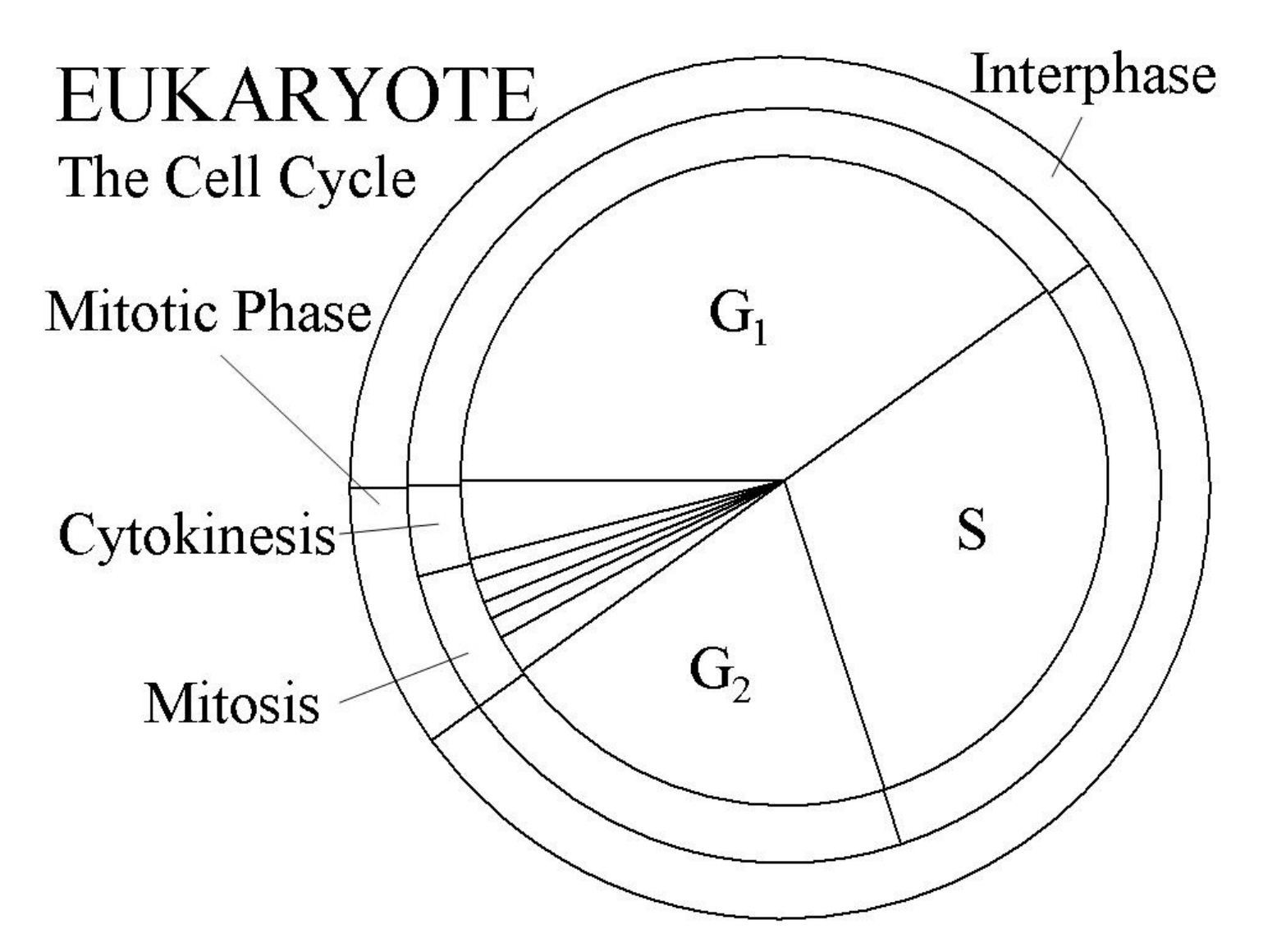
Interphase periods:
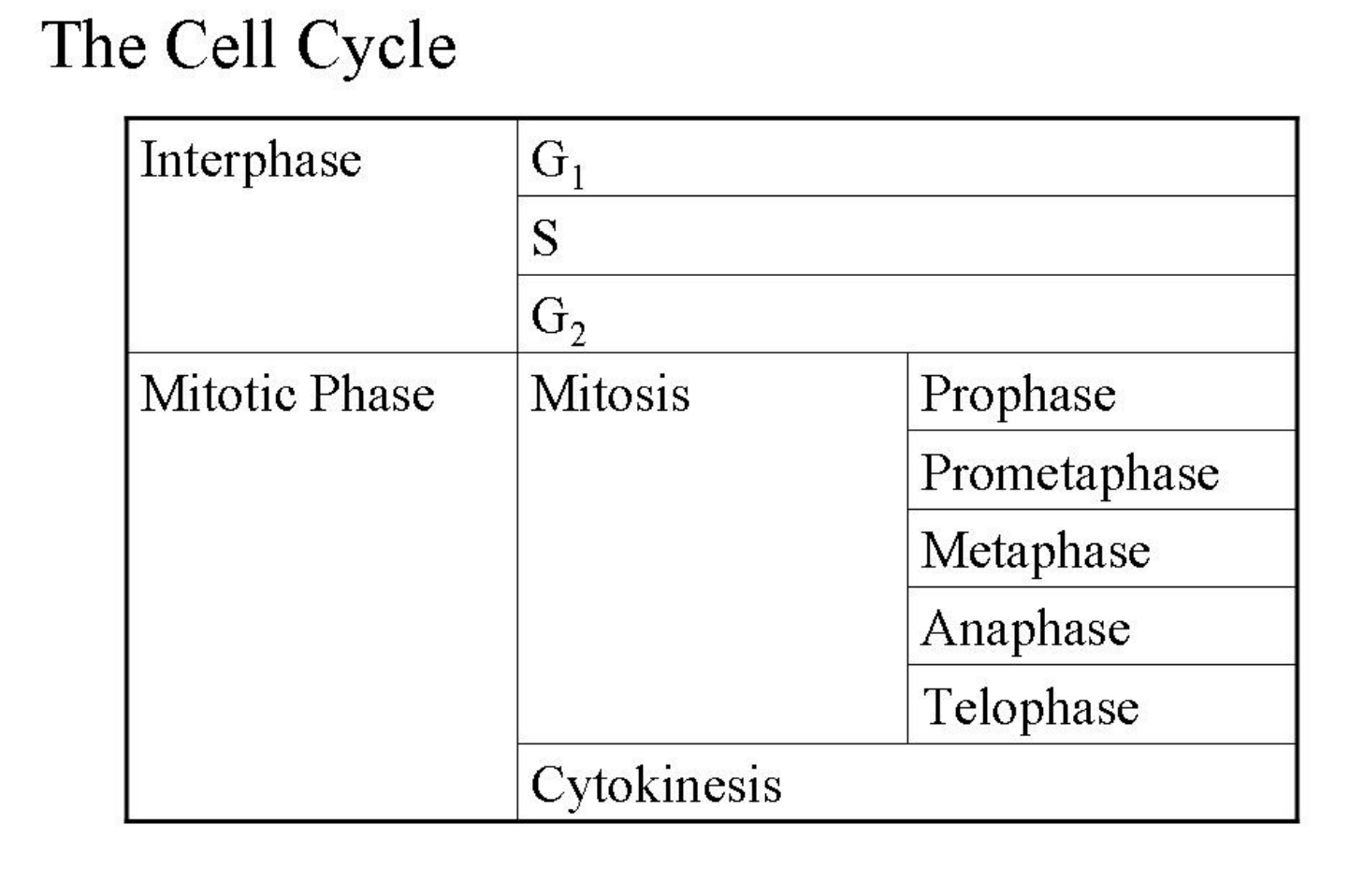
G1 (gap 1): Cell is growing.
S (synthesis of DNA): Continues to grow and copies its DNA.
G2 (gap 2): Continues to grow and prepares for mitosis.
Mitotic phase periods:
Mitosis: the division of the nucleus
Cytokinesis: Division of the cytoplasm
Mitosis
- Compacts chromosome, DNA folds into itself (and then replicates)
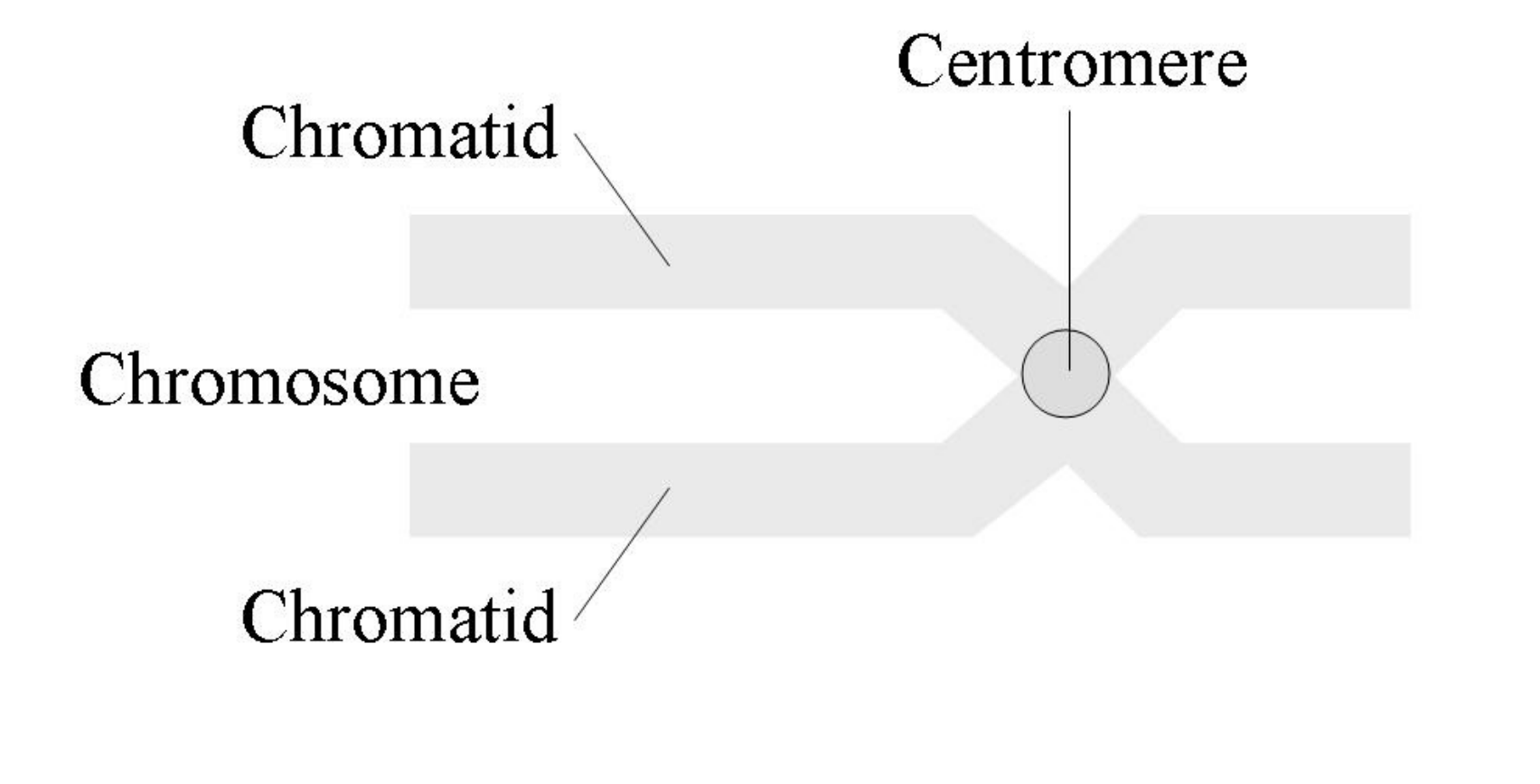
- Two copies of DNA are now held at the centromere, each copy is called chromatid
- The two chromatids are pulled apart and become chromosomes
Animal Cell:
Interphase
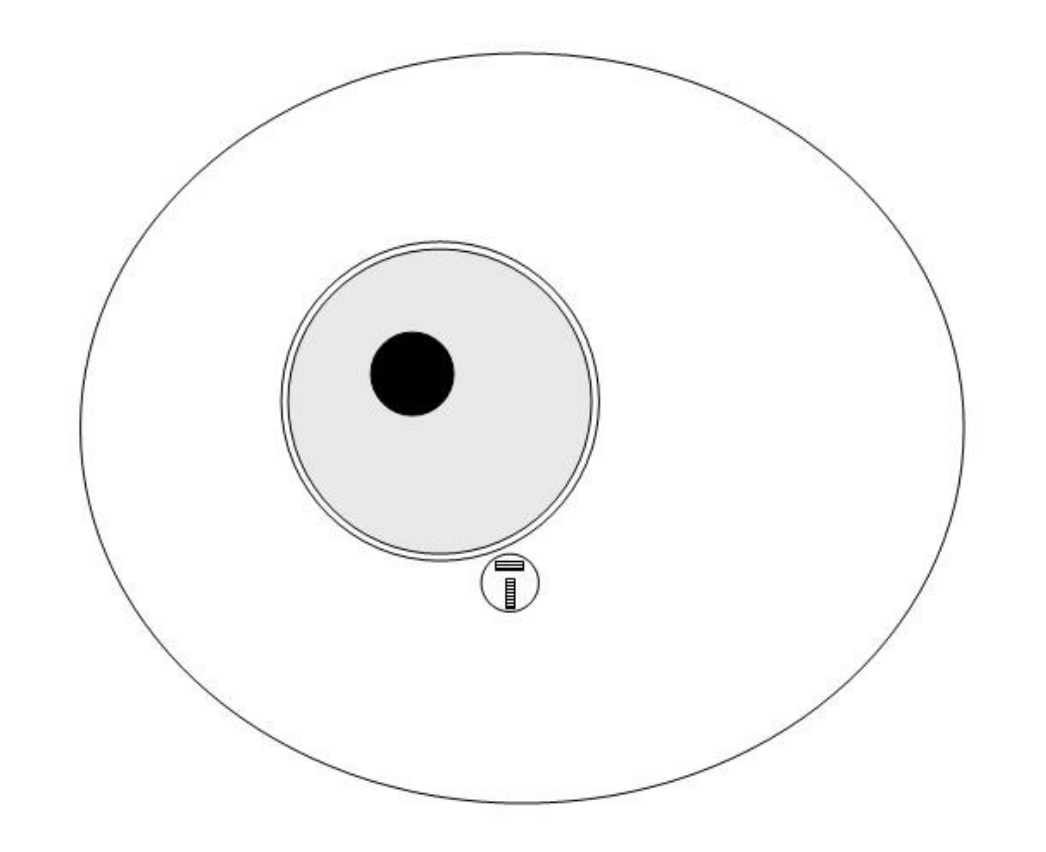
G1→ S period: DNA is being copied
G2: two centrosomes appear
Mitotic phase: Mitosis: Prophase
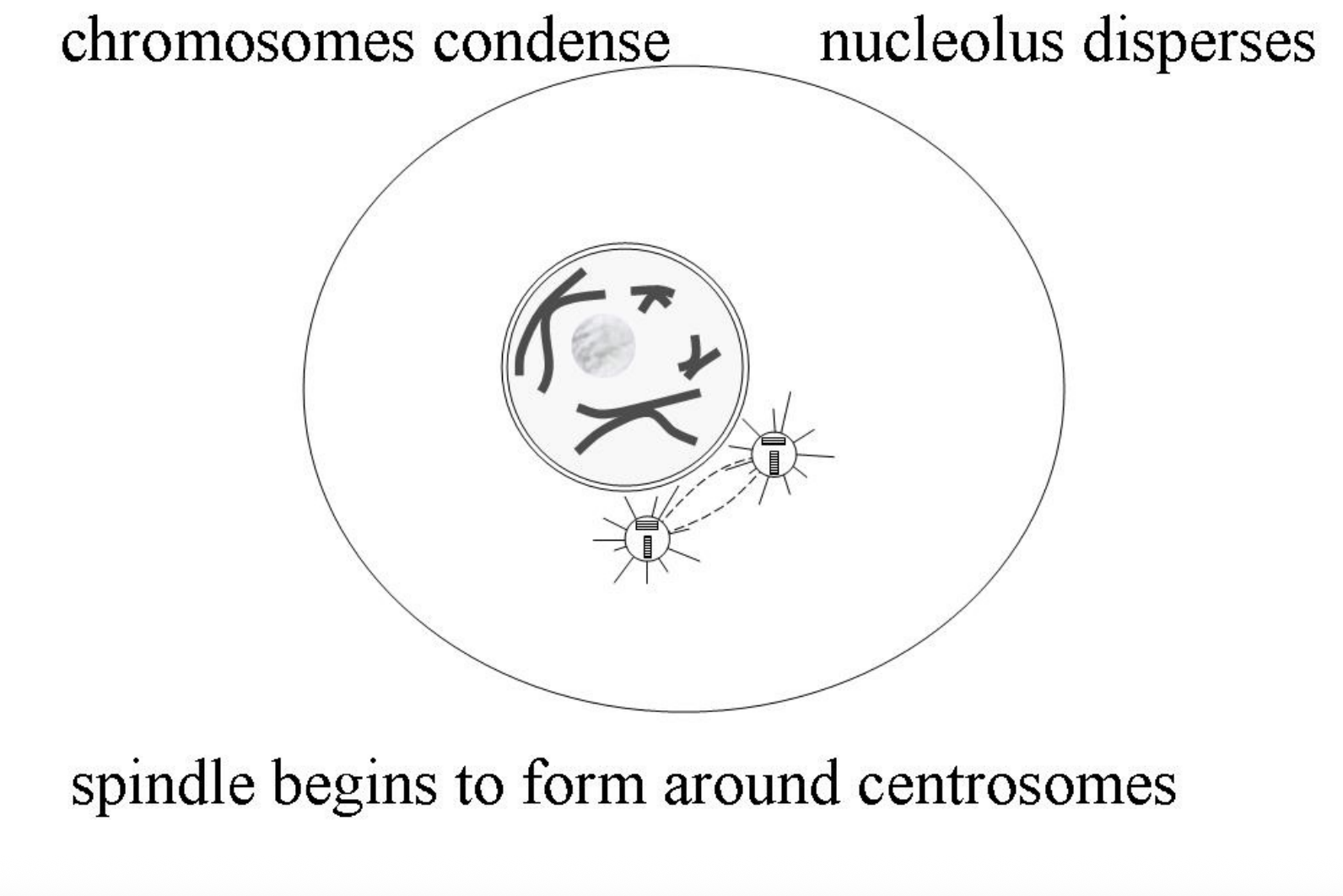
cell ‘rounds up'
Spindle: reorganized cytoskeleton
Mitotic Phase: Mitosis: Prometaphase
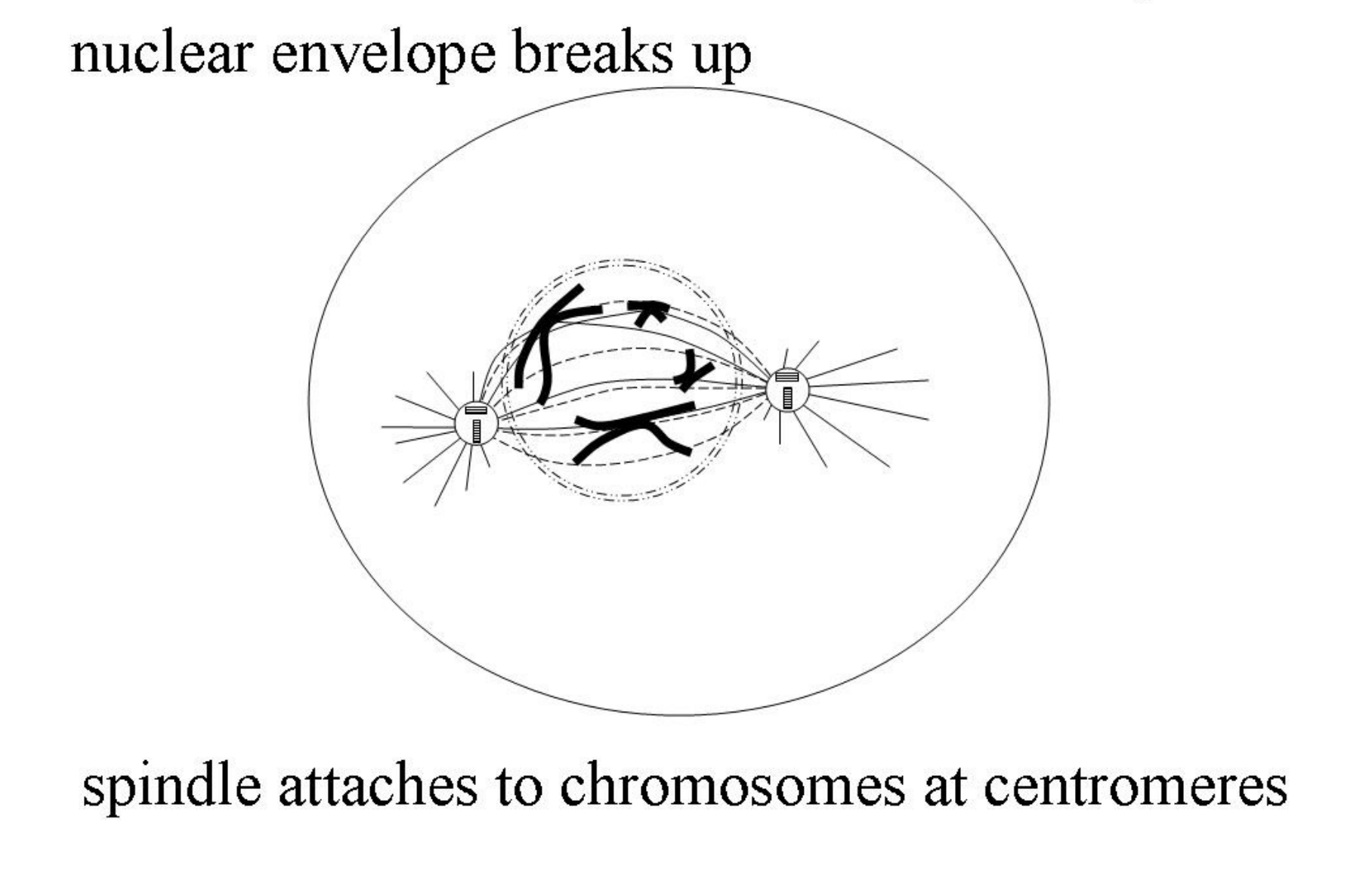
Mitotic Phase: Mitosis: Metaphase
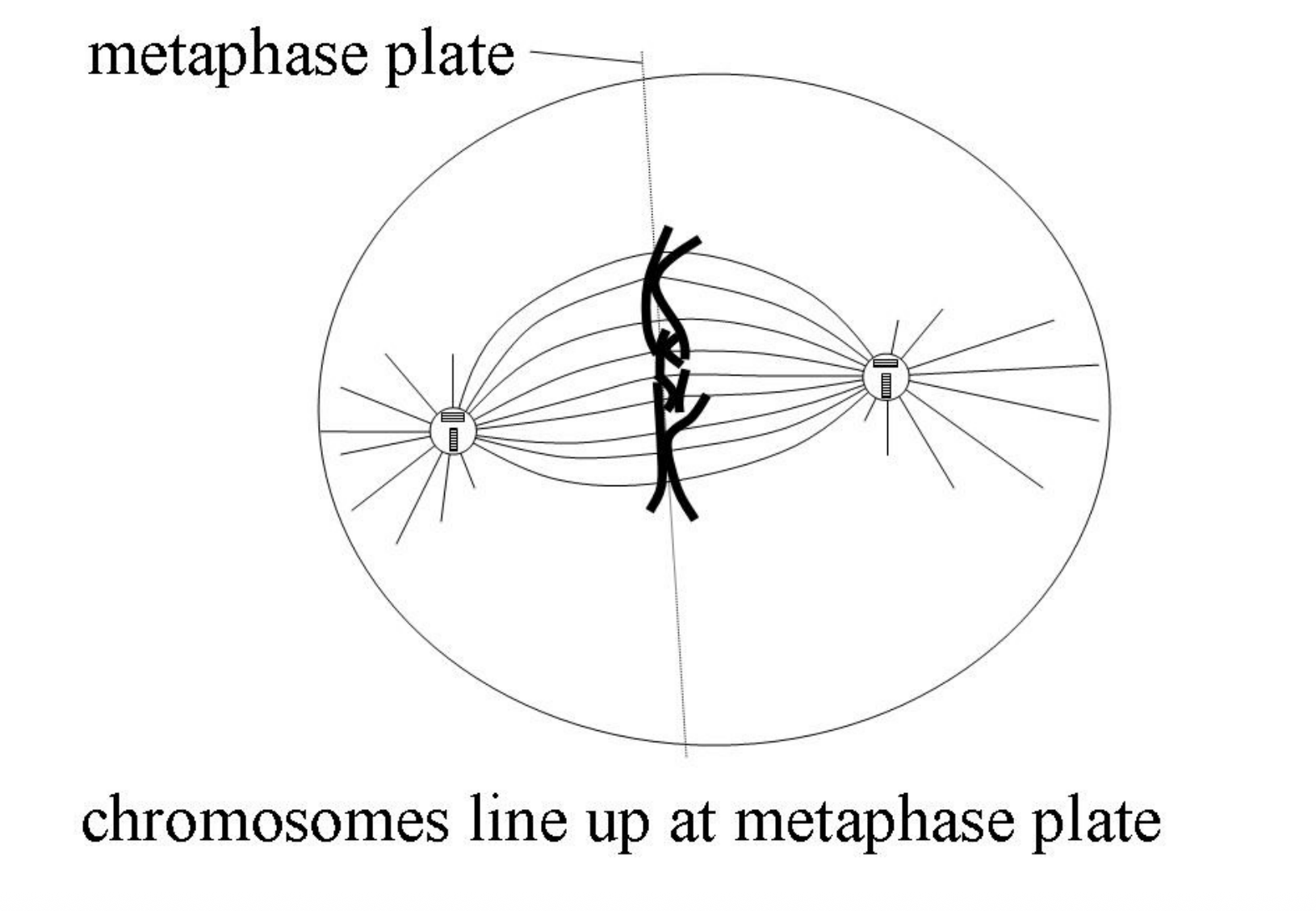
Mitotic Phase: Mitosis: Anaphase
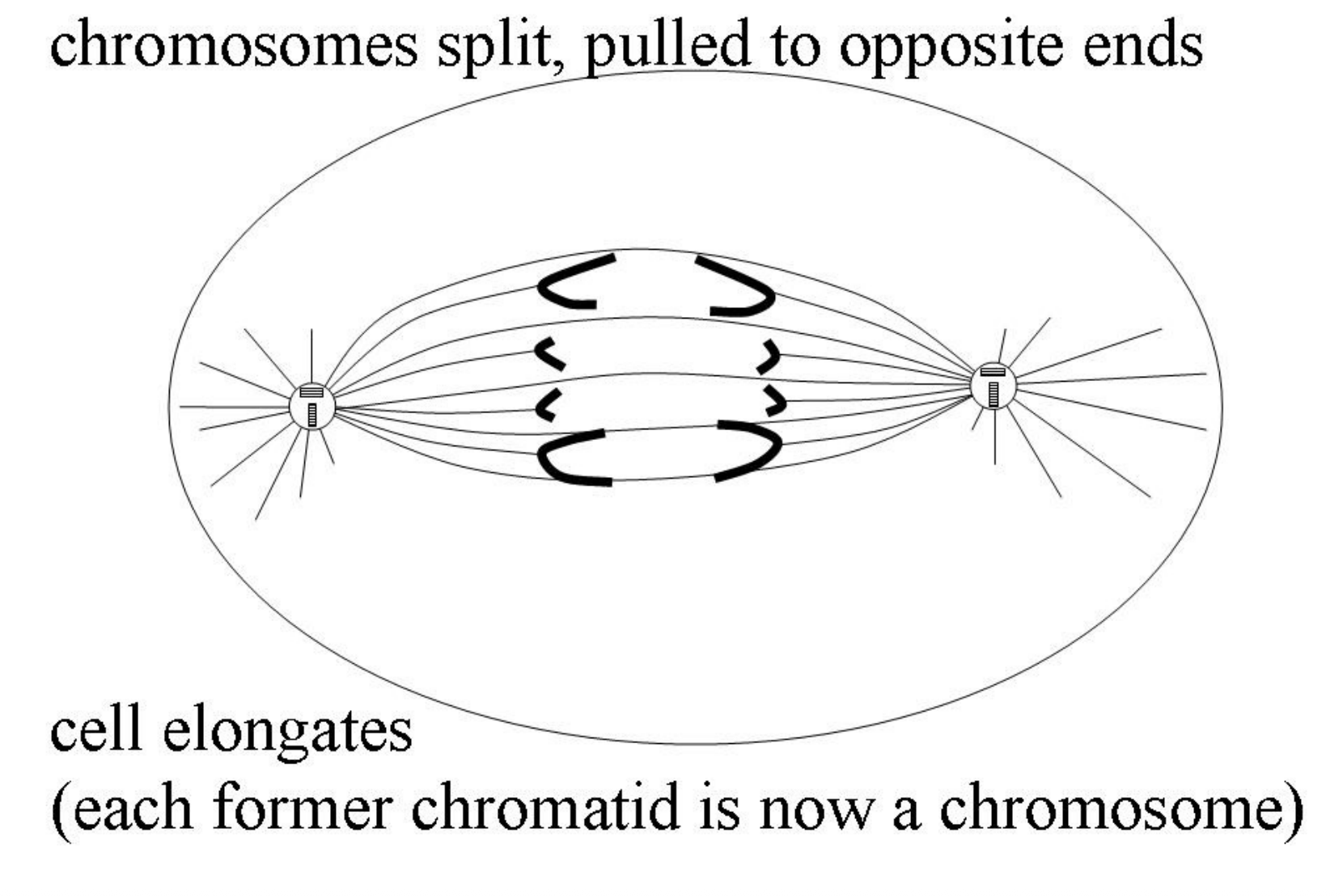
Mitotic Phase: Mitosis: Telophase
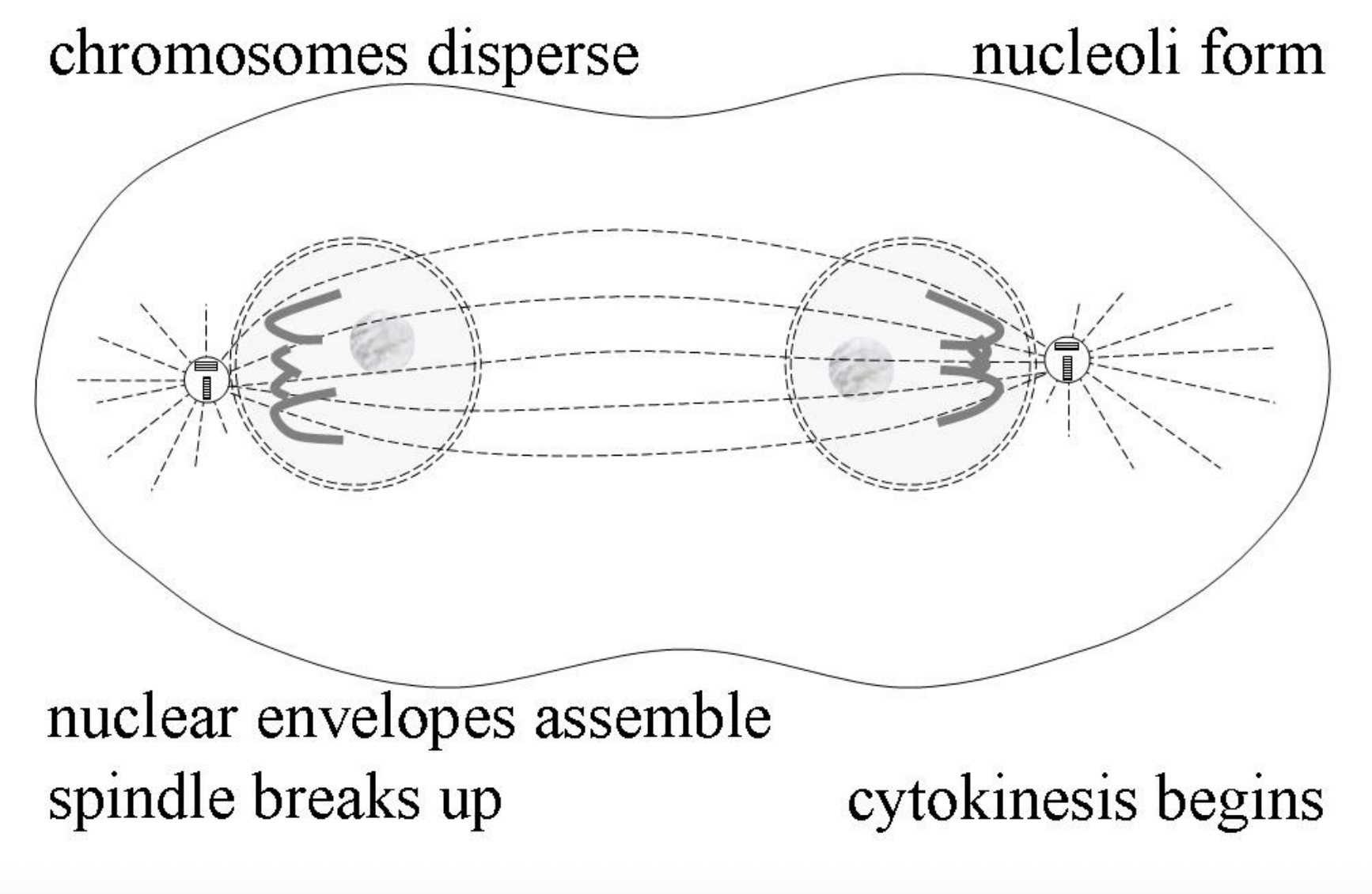
Mitotic Phase: Mitosis: Cytokinesis
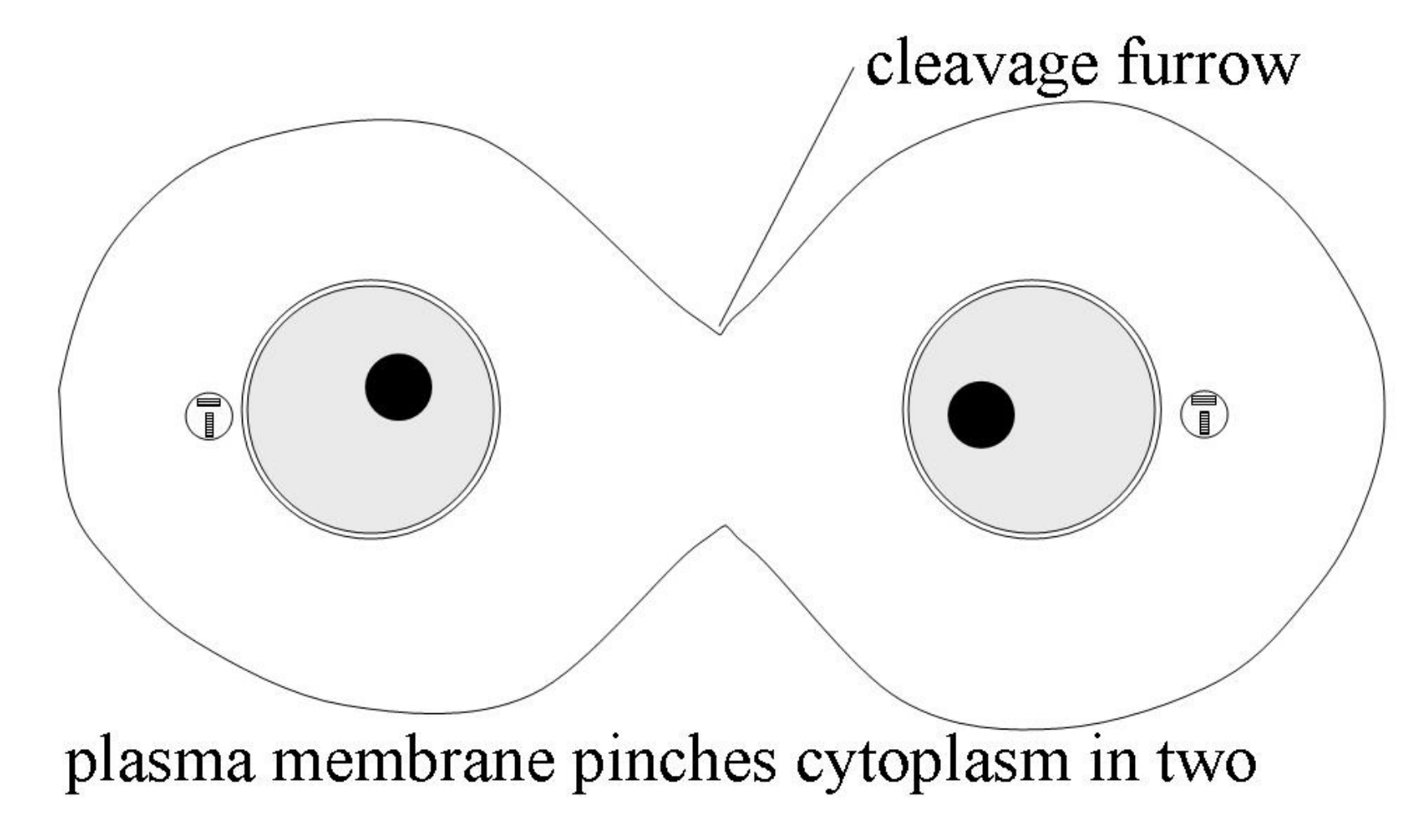
→ Cell goes back to Interphase and starts G1.
Plant Cell:
Interphase
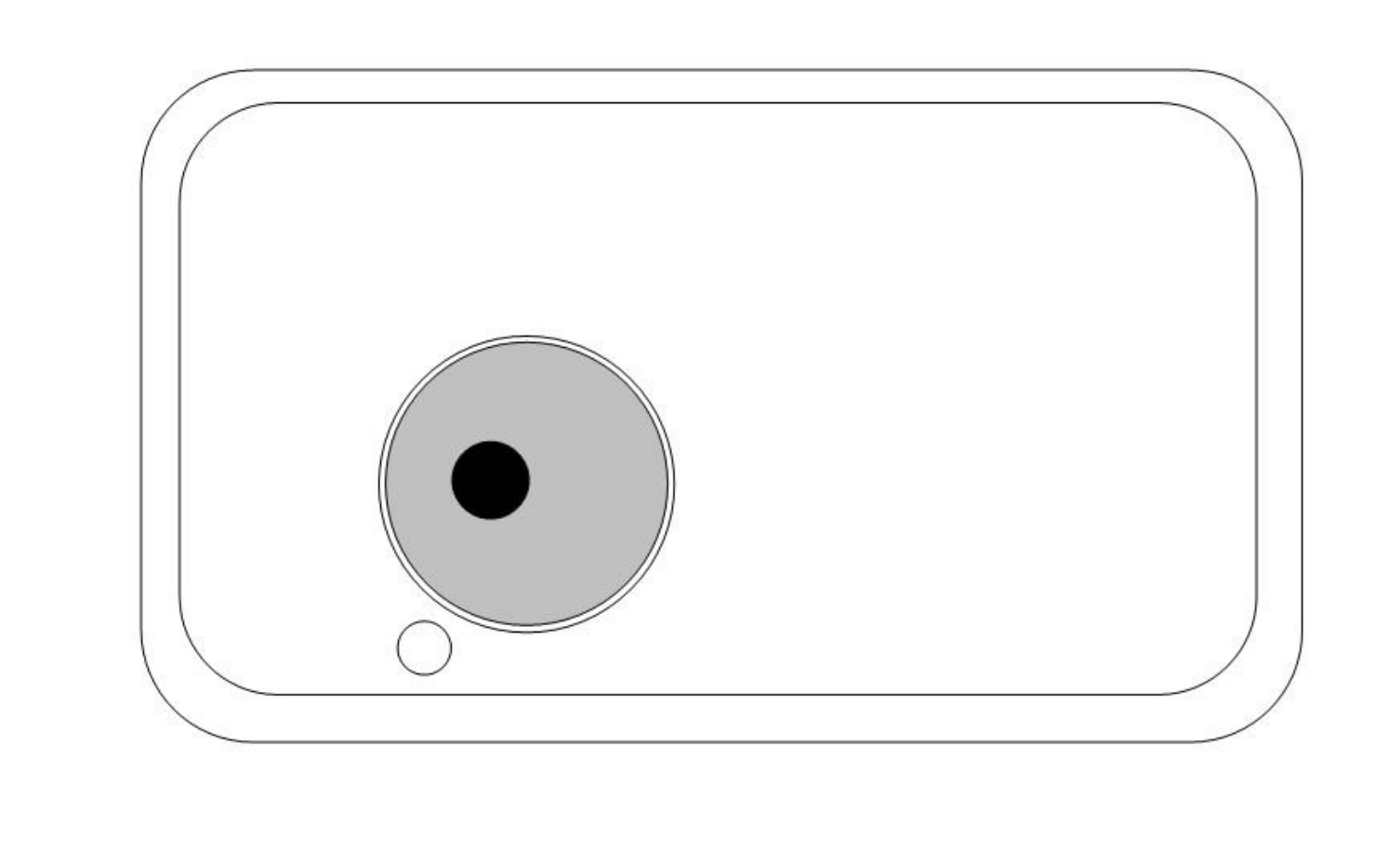
Mitotic Phase: Mitosis: Prophase
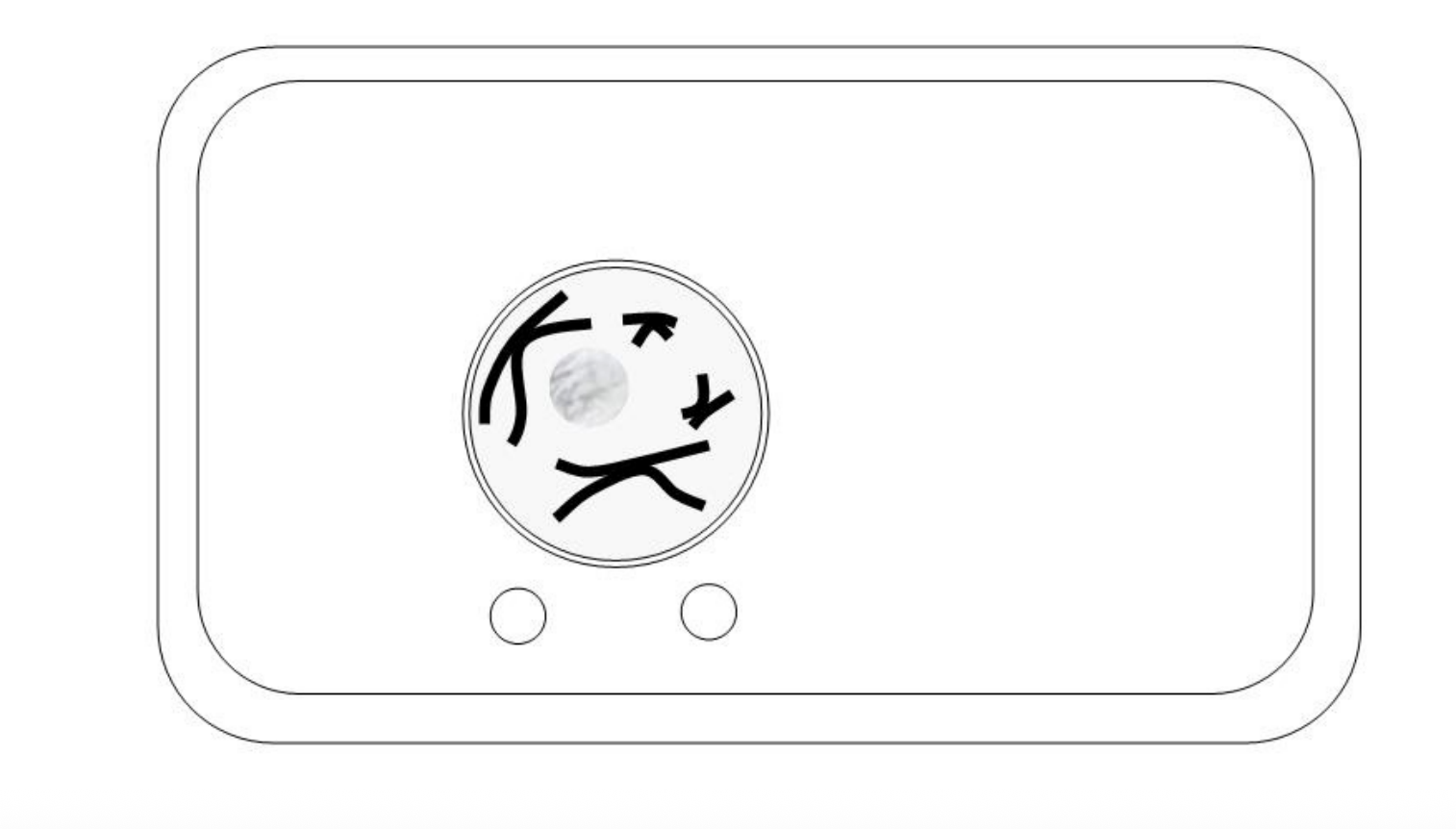
Mitotic Phase: Mitosis: Prometaphase
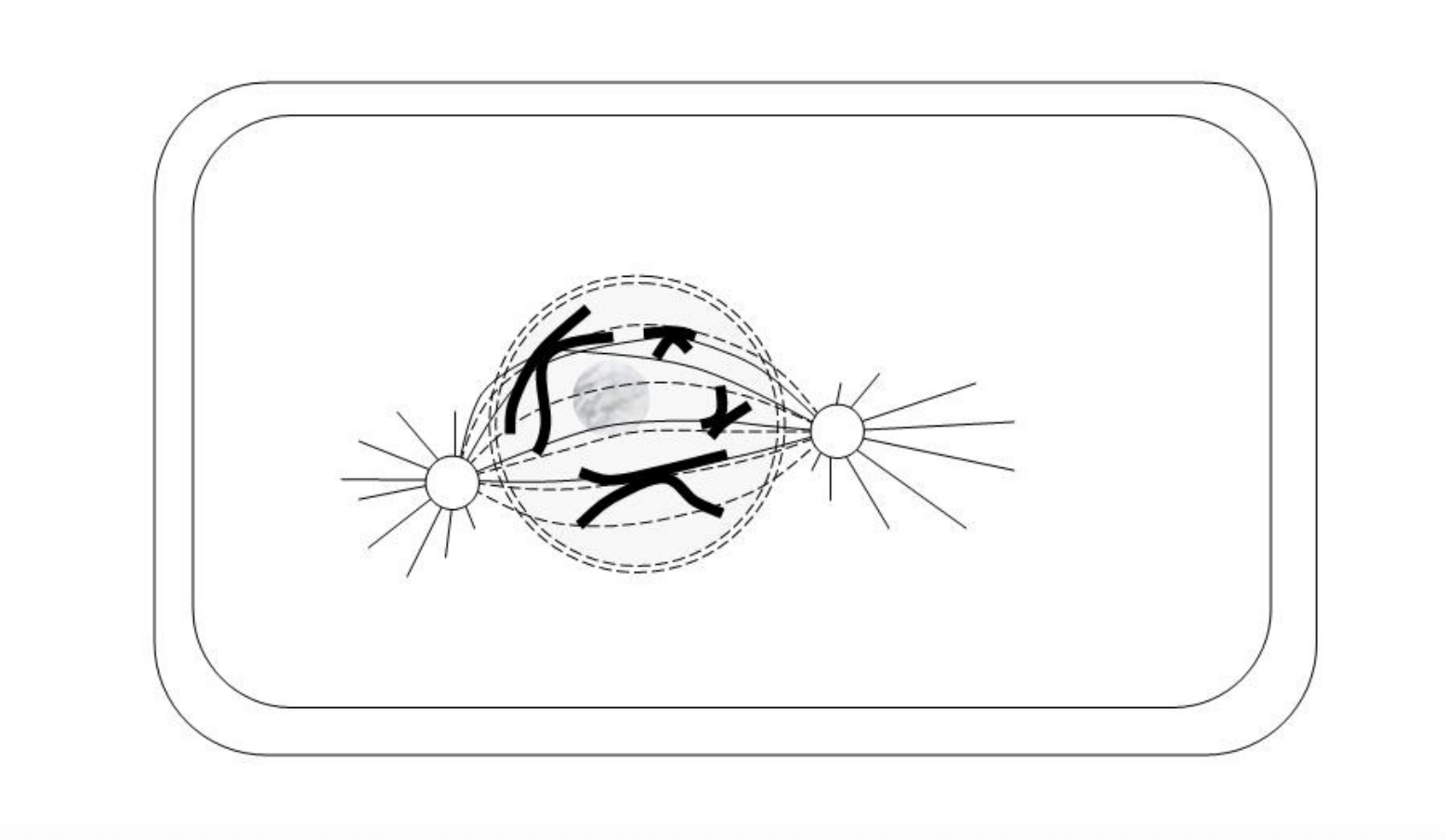
Mitotic Phase: Mitosis: Metaphase
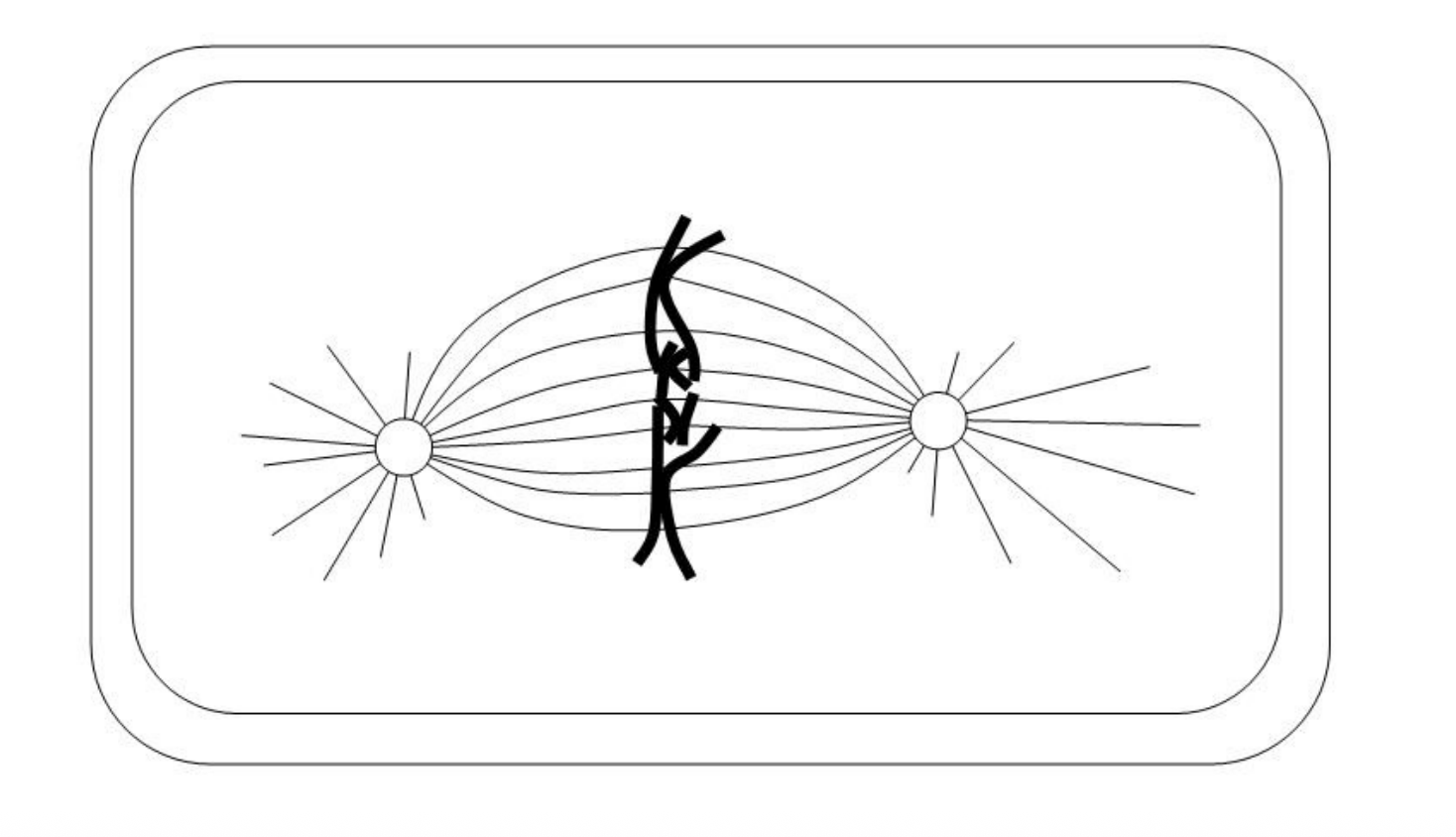
Mitotic Phase: Mitosis: Anaphase
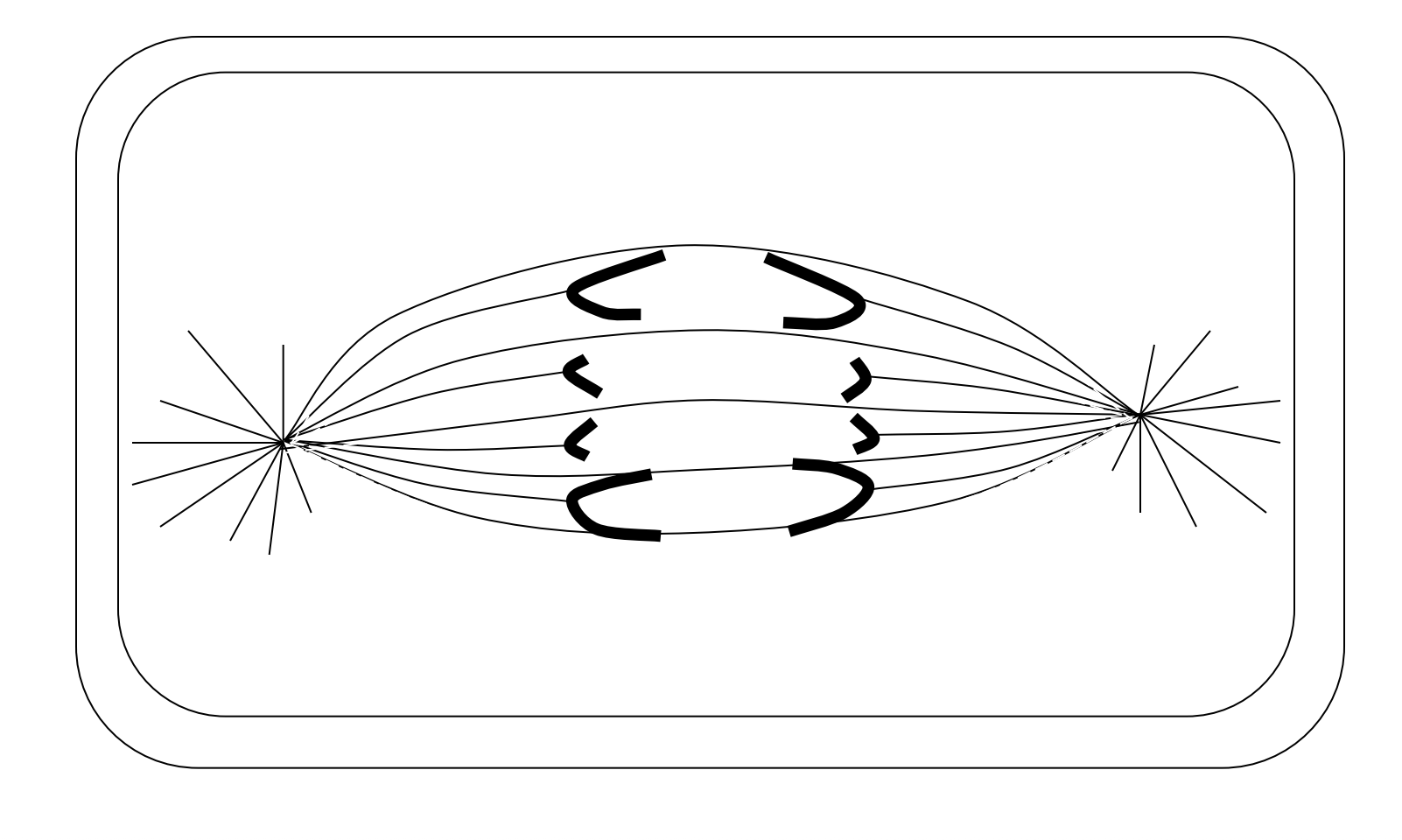
Mitotic Phase: Mitosis: Telophase
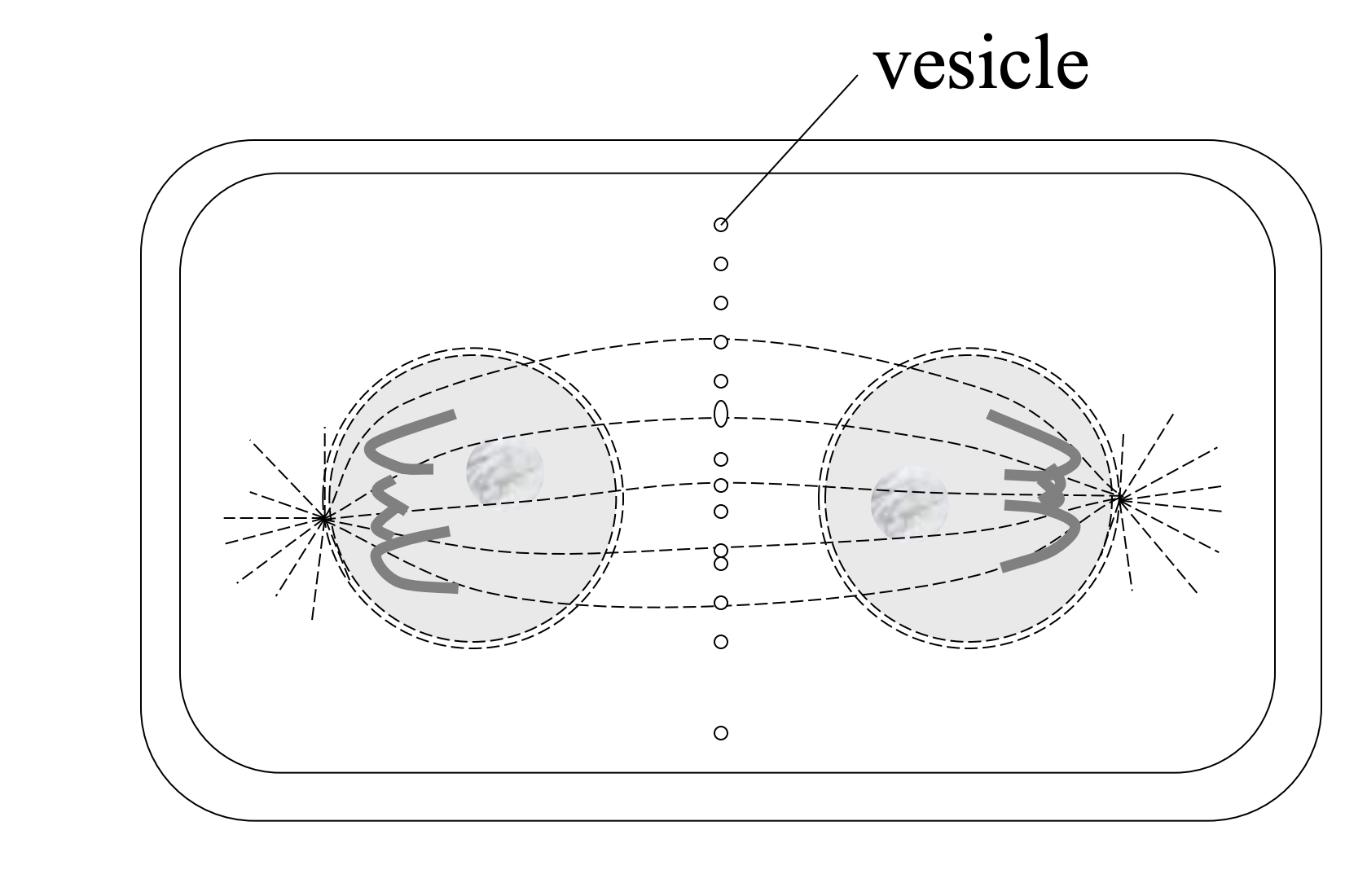
Vesicles fuse into each other and then cell proceeds to cytokinesis
Mitotic Phase: Mitosis: Cytokinesis
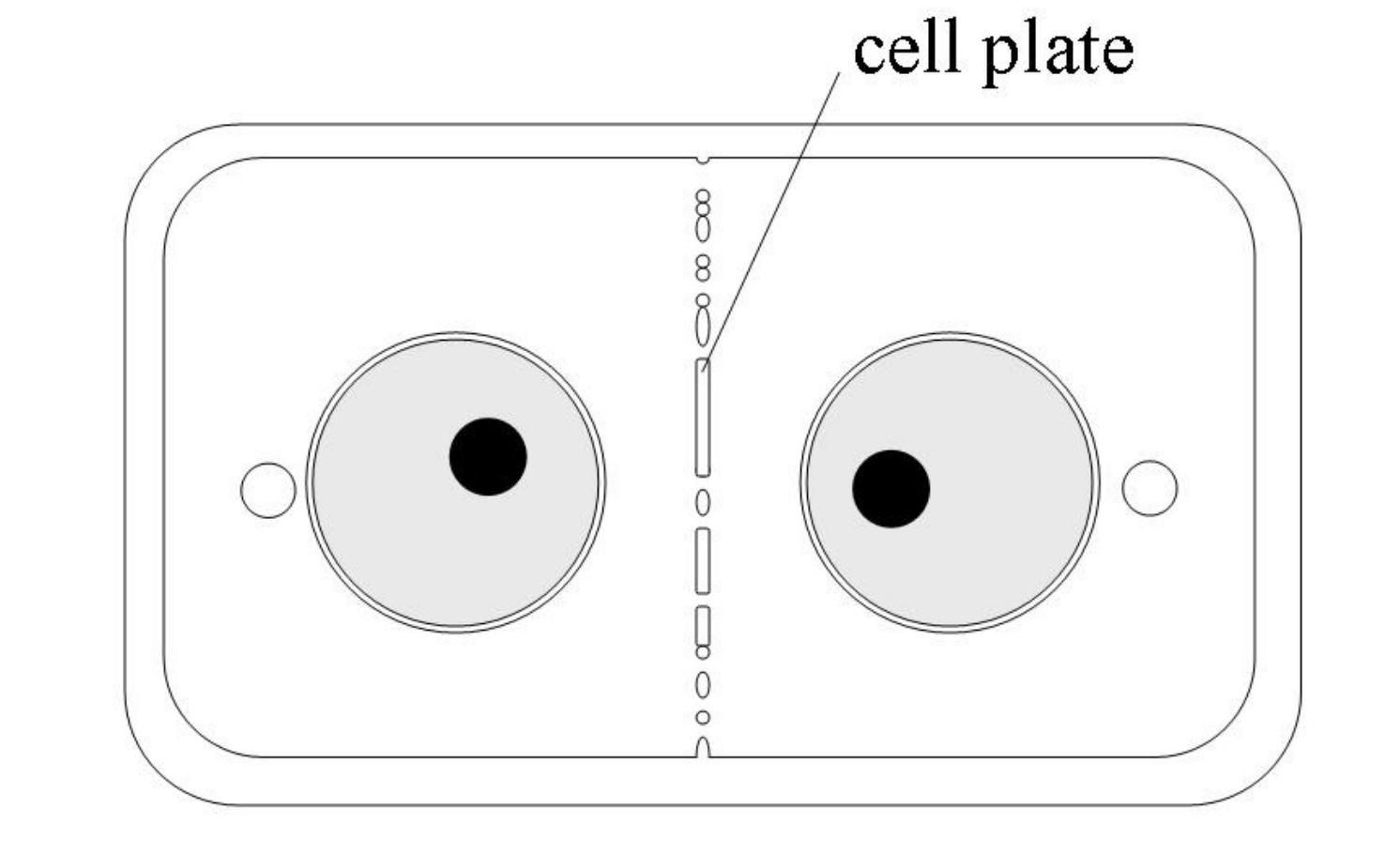
→ Cell goes back to Interphase and starts G1.
Eukaryotic fungus cells go through a process called ‘Budding’ or referred to as closed mitosis.
Labile: Constantly going through the cell cycle
eg. bone marrow, skin.
But some go through G0: resting phase
Permanent resting phase:
- Skeletal muscle
- Cardiac muscle
- Red blood cells
Stable: (can start cell division if needed)
- Smooth muscle
- Liver
- Glands
- Fibroblasts
Meiosis and sexual life cycle
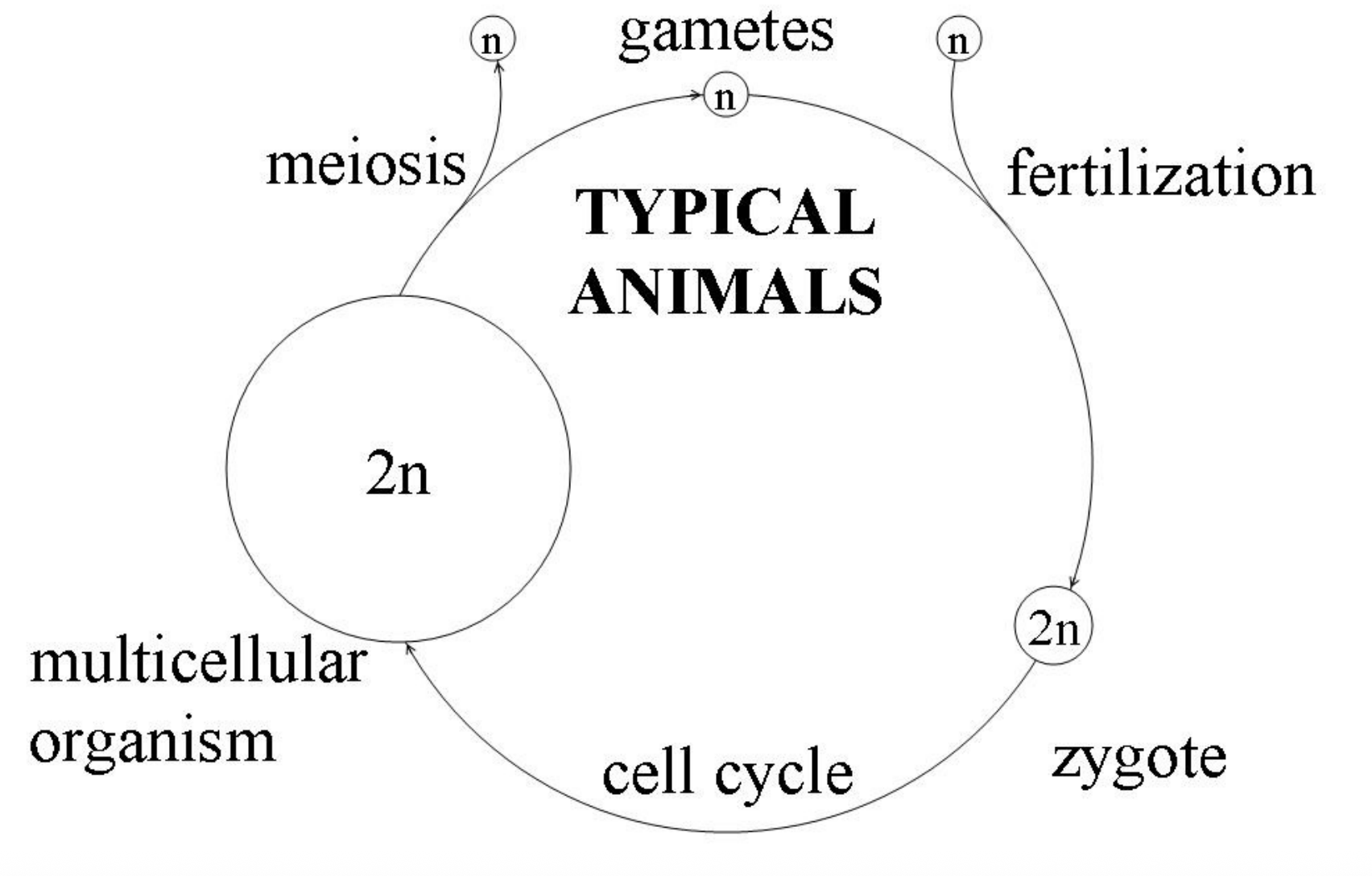
Haploid: one complete set of genes/one complete set of chromosomes
number of chromosomes = n
Diploid: two complete sets of genes/chromosomes
number of chromosomes = 2n
→ Human diploid cell = 46 chromosomes
23 homologous pairs
A haploid cell has 1 chromosome per homologous pair.
- Gametes are haploid
- Zygote is diploid
- Man and woman are diploid
Meiosis: Cell division in testes and ovaries
Meiotic Cell Division: Meiosis 1: Prophase 1
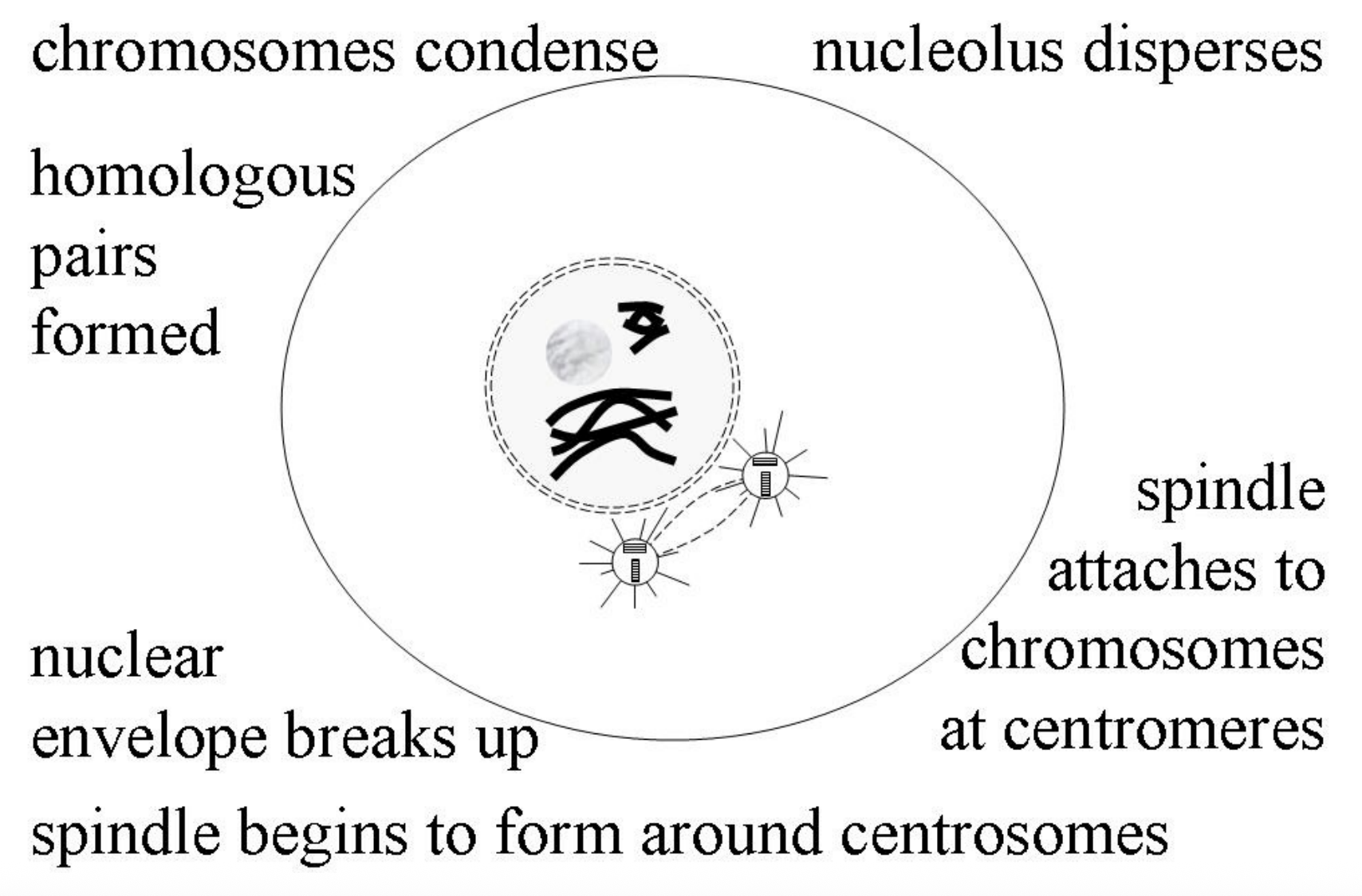
→ Crossing over happens
2 chromosomes → 4 chromatids → 1 homologous pair
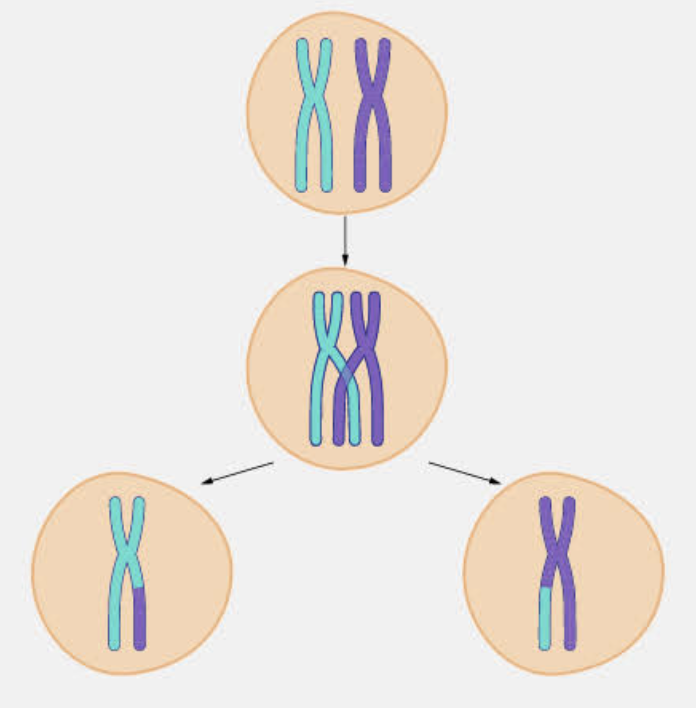
Meiotic Cell Division: Meiosis 1: Metaphase 1
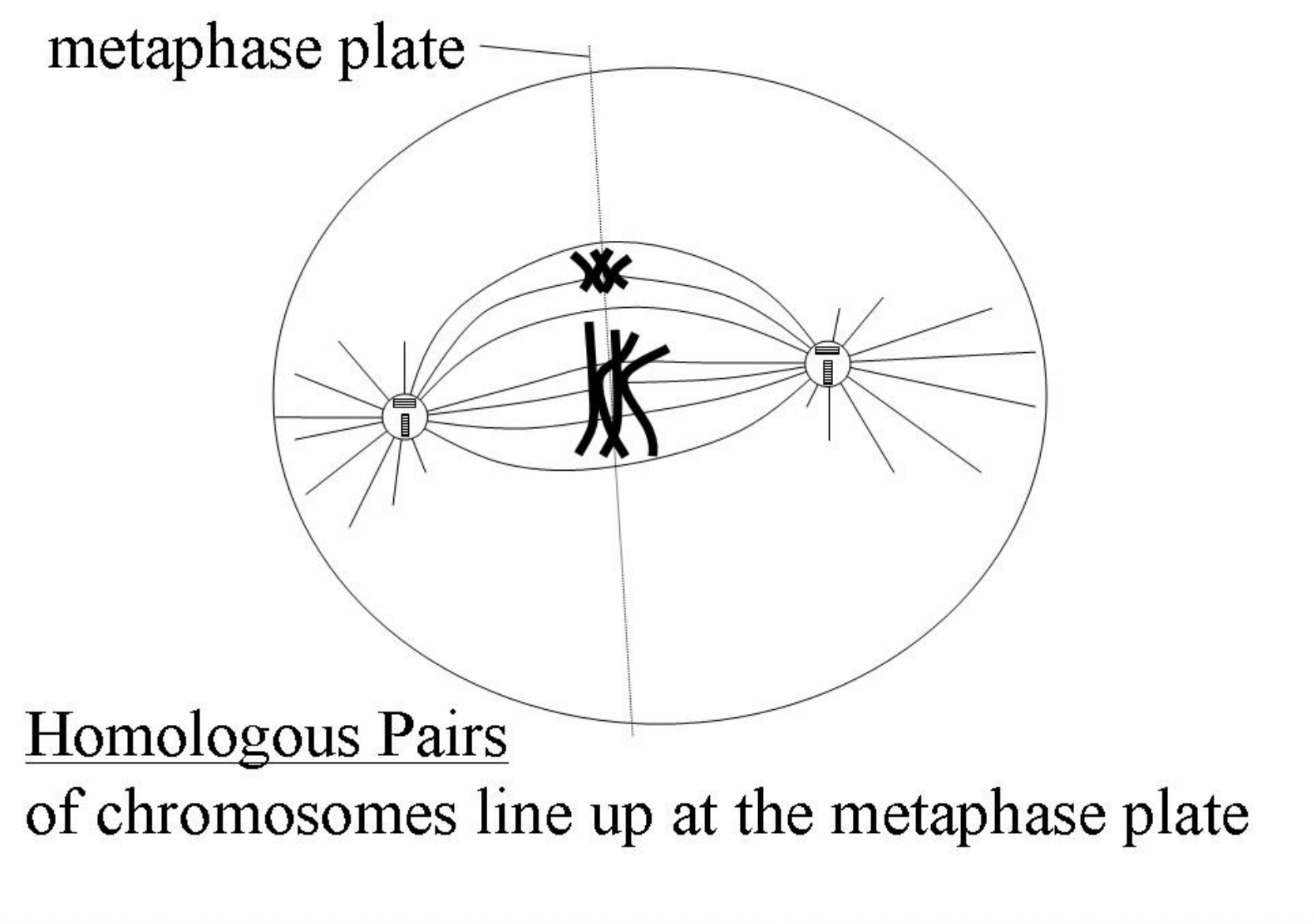
- Spindles pull homologous pairs apart
Meiotic Cell Division: Meiosis 1: Anaphase 1
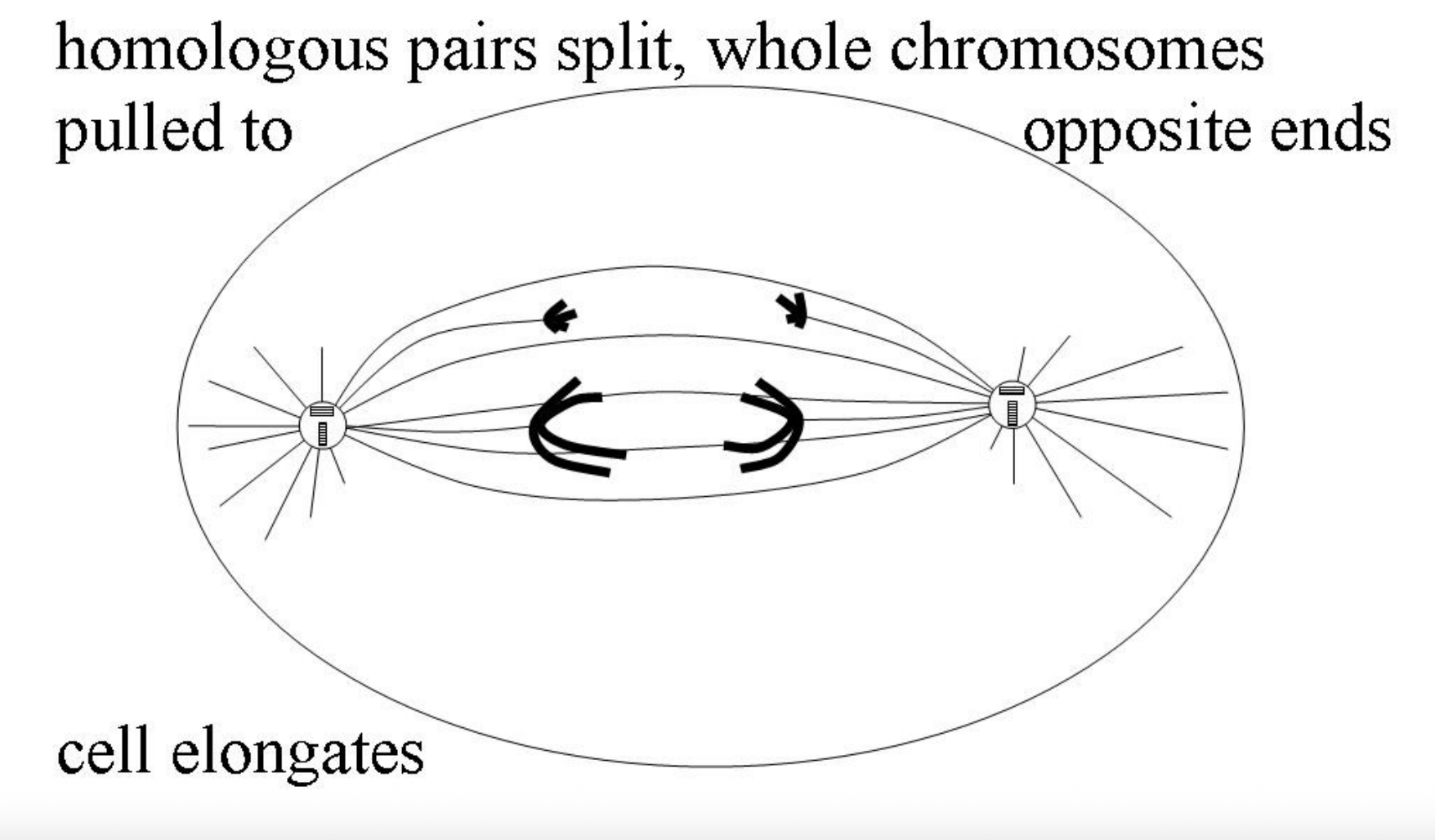
- Homologous pairs exchange genetic information
- Chromosomes are not identical.
Meiotic Cell Division: Meiosis 1: Telophase 1
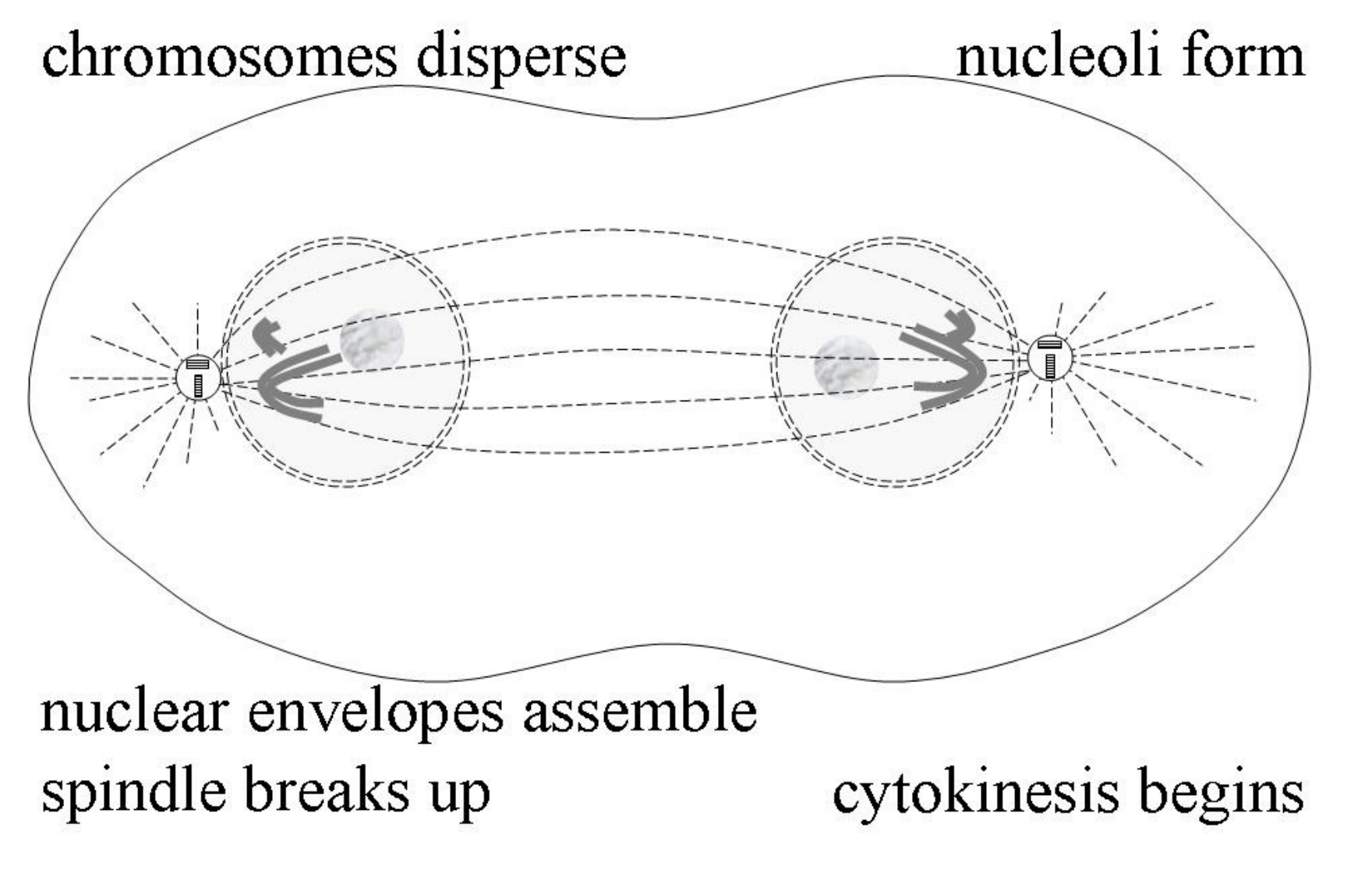
Meiotic Cell Division: Meiosis 1: Cytokinesis 1

No interphase, cell would start Meiotic Division: Meiosis II (which is identical to Meiosis I)
→ will end up with 4 haploid cells
Fungi: Meiosis and Sexual Life Cycles
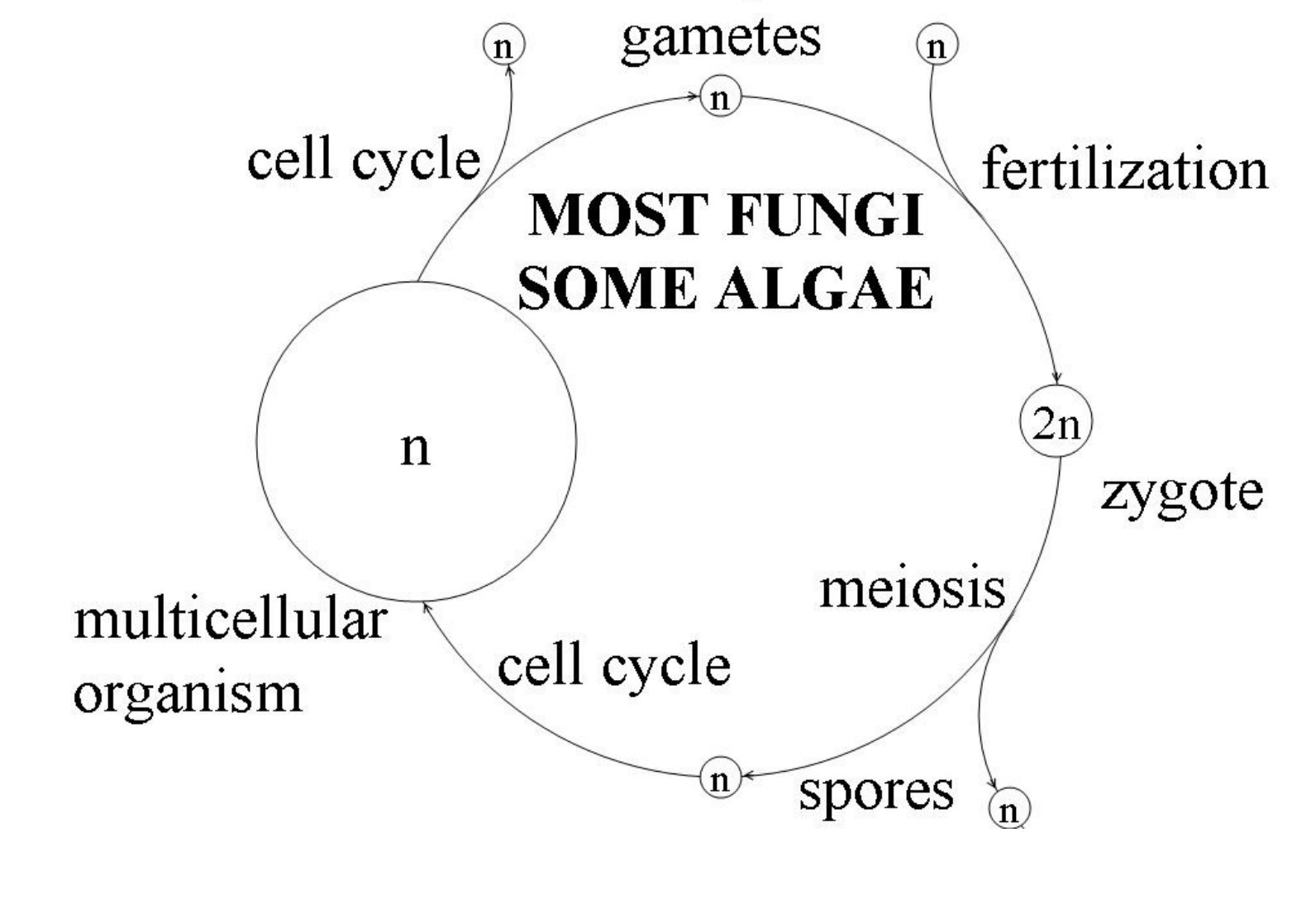
- Zygote doesn’t go through cell cycle, it goes through meiosis to produce haploid cells (not gametes) they’re spores. Creates a multicellular organism that is also a haploid.
- Don’t go through meiosis, they go through the cell cycle to produce gametes which can then go through fertilization and create another zygote.
- Only diploid is the zygote
Plants: Meiosis and Sexual Life Cycles
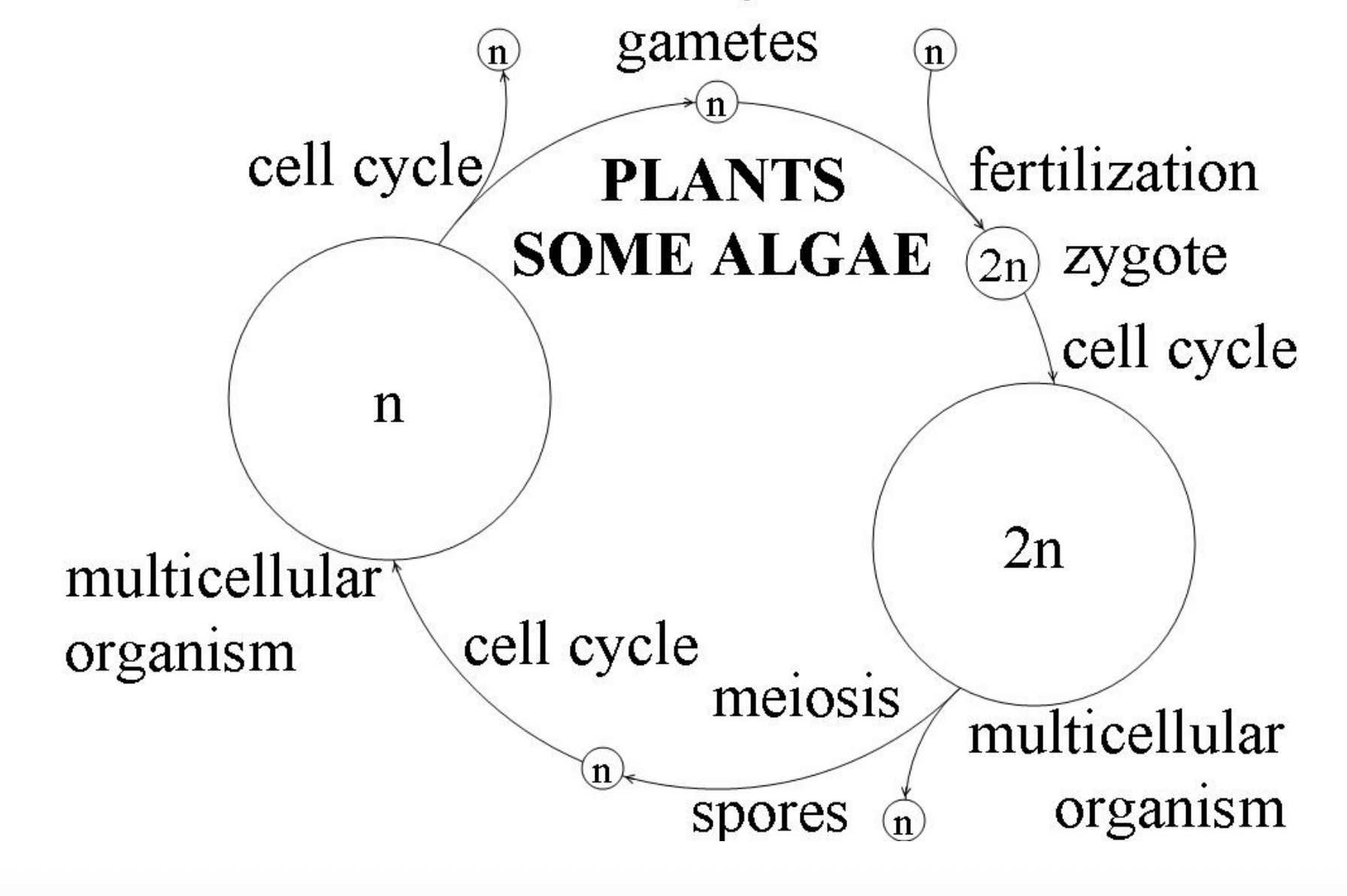
- Zygote goes through cell cycle
- Ultimately goes to a diploid of a multicellular organism
Only certain types of cells inside this organism will go through meiosis.
- These cells that go through meiosis create spores not gametes
Spores can go through the cell cycle and eventually go to another multicellular organism but these are haploid.
- The haploid organism goes through cell cycle and produces gametes which then produce another zygote.