Peers and Friendship
Same age individuals in the same proximity
Peers generally function as equals
Peers can serve as competition to each other
Social skills can happen in a equal level
Peers operate in a different way compared to family dynamics
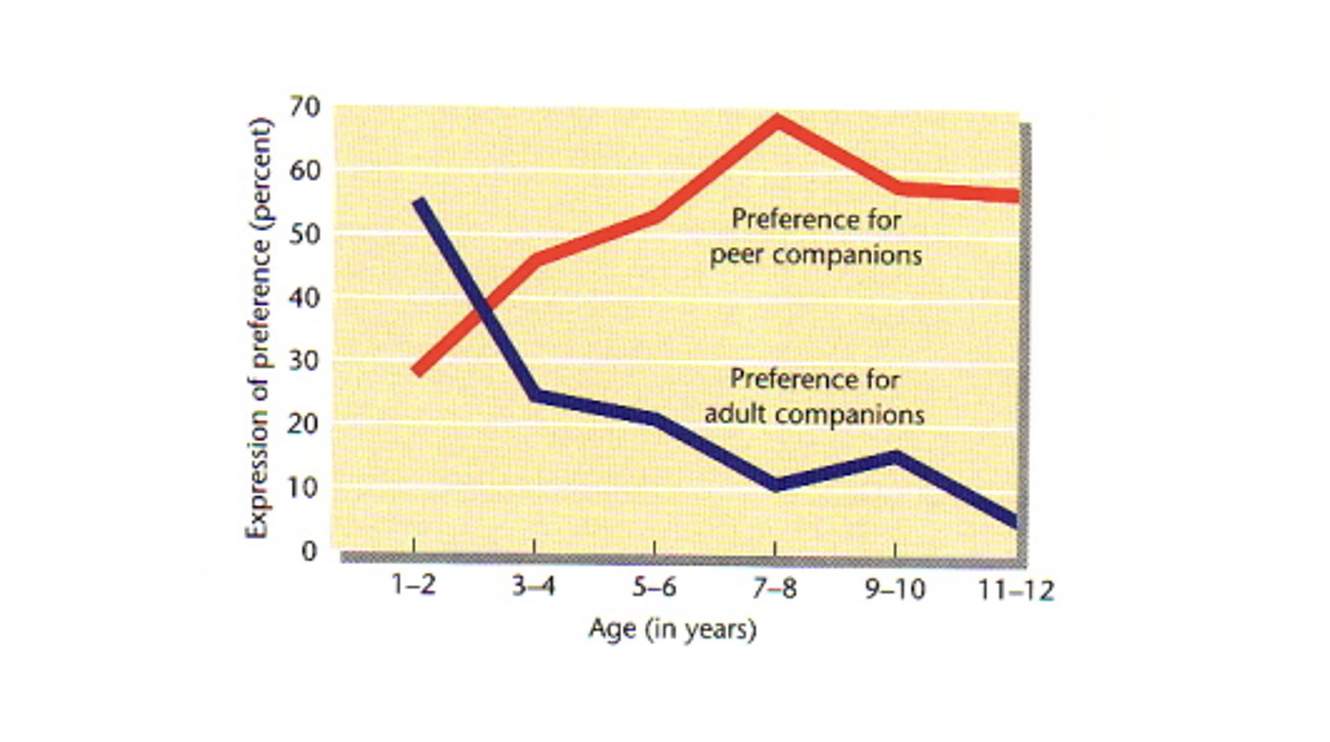
Preference for peer comparisons can influence self-esteem and motivation, as individuals often gauge their worth and abilities against those of their friends
Pro-social behaviour
Desired behaviours and not desired behaviours
Children tend to reinforce the peers that reinforce them
Peers influence each other by being models to each other
Even if you’re not in a peer group, individuals can observe and mimic each other
Peers provide opportunities for socialization
Peers are on a equal level
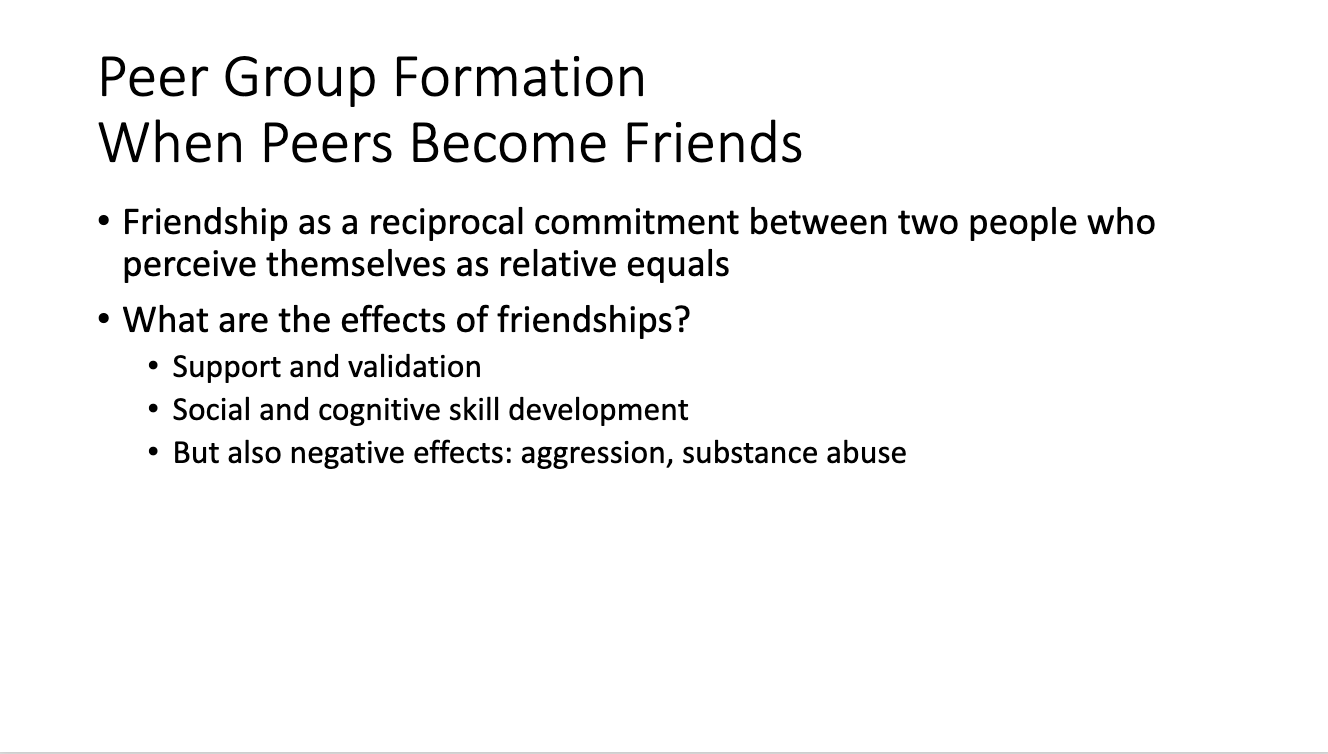
Friends are a version of peers but much more personal
Commitment and effort
What are the effects of friendship?
Caregivers play a crucial role in supporting children’s emotional development by offering emotional support and validation. This involves not only acknowledging a child’s feelings but also showing genuine interest in the things that matter to them. When caregivers actively engage in conversations about a child's interests—whether it's a hobby, a favorite TV show, or a personal experience—they create a safe space for the child to share and reflect. This validation helps the child feel seen and understood.
Additionally, emotional support often comes through reassurance, which can be derived from shared experiences or by offering thoughtful advice. For instance, when a child is anxious about a new situation, a caregiver might share a similar past experience and explain how they overcame it, making the child feel less alone and more confident. This type of responsive, interest-driven validation reinforces the child’s sense of self-worth and encourages open emotional expression, which is essential for healthy social and emotional development.
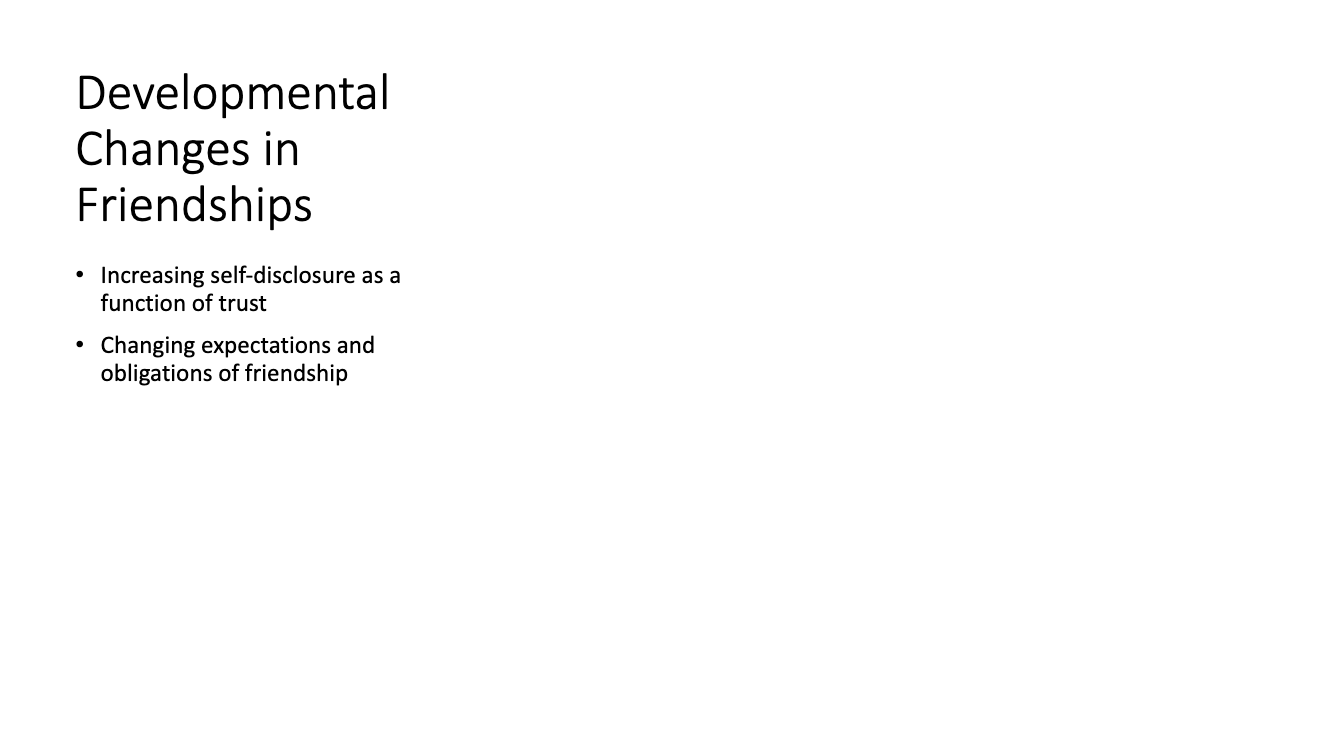
Emotional support is a central foundation of friendship, especially as children and adolescents grow older. One key feature of developing friendships is increasing self-disclosure, where individuals begin to share more personal and sometimes sensitive information. This process is often rooted in trust, as revealing personal thoughts or experiences—like discussing romantic interests or family problems—is typically done with the expectation of empathy, confidentiality, and support. For example, high school girls might share their feelings about a crush with their close friends, working together to figure out how to approach the situation. These exchanges serve both problem-solving and bond-strengthening functions.
However, the depth of self-disclosure also highlights the potential risks in friendships—when trust is broken, personal information can be weaponized, leading to conflict or exclusion. As friendships mature, there are shifting expectations and obligations that reflect a growing awareness of reciprocity—supporting someone not just out of obligation, but from genuine care. This mutual affection and loyalty help define what it means to be a "true" friend, setting social parameters for inclusion or exclusion within peer groups. In this way, emotional support and trust not only foster closeness but also act as markers of who is considered part of a meaningful, lasting friendship
Peer Acceptance and Social Ranking in Childhood
As children grow older and begin to spend more time with peers rather than solely with parents, peer acceptance becomes a critical part of their social development. A child's social rank within their peer group can influence the types of opportunities, privileges, and relationships they are exposed to. In school settings, especially in middle school, peer acceptance often shapes group dynamics and status hierarchies.
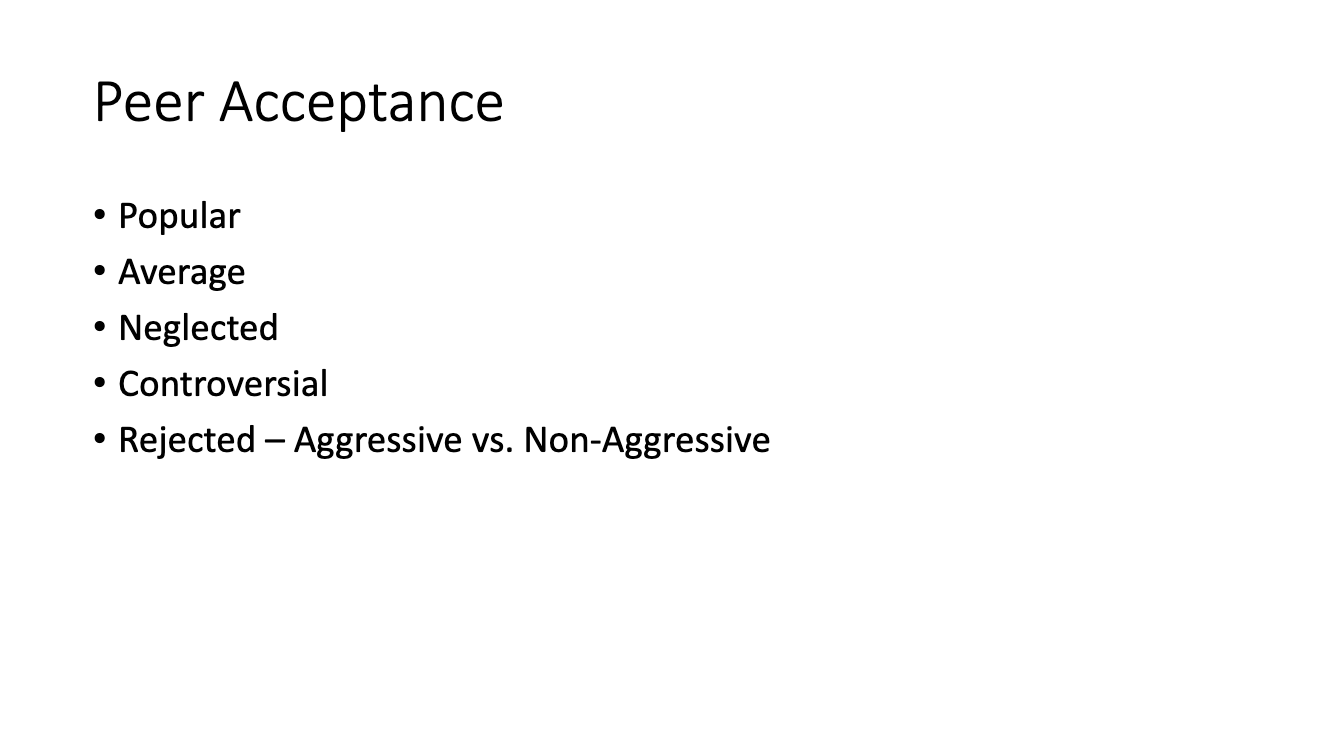
One method used to assess peer status is the peer nomination technique, where children are asked to name classmates they like or prefer to play or work with. This method helps researchers categorize children into different social status groups:
Popular children are frequently nominated by their peers and are rarely rejected. They tend to be well-liked, often possessing strong social skills and leadership qualities.
Average children receive a moderate number of nominations—neither standing out nor being excluded. They typically blend in socially and maintain a stable presence in group settings.
Neglected children receive very few or no nominations, but not out of dislike. These children are often quiet, introverted, or simply overlooked, staying on the periphery of social groups without negative associations.
Controversial children receive a high number of both positive and negative nominations. They may be well-liked by some and disliked by others, often making them polarizing figures in the group dynamic.
When children are placed in situations where they must exclude or choose among peers, they tend to create social parameters that determine who is given preference. These behaviors can reveal early signs of social stratification, group identity, and even bias. Overall, peer acceptance plays a foundational role in shaping self-esteem, emotional wellbeing, and long-term social competence.
4o
Factors Influencing Peer Status and Group Inclusion
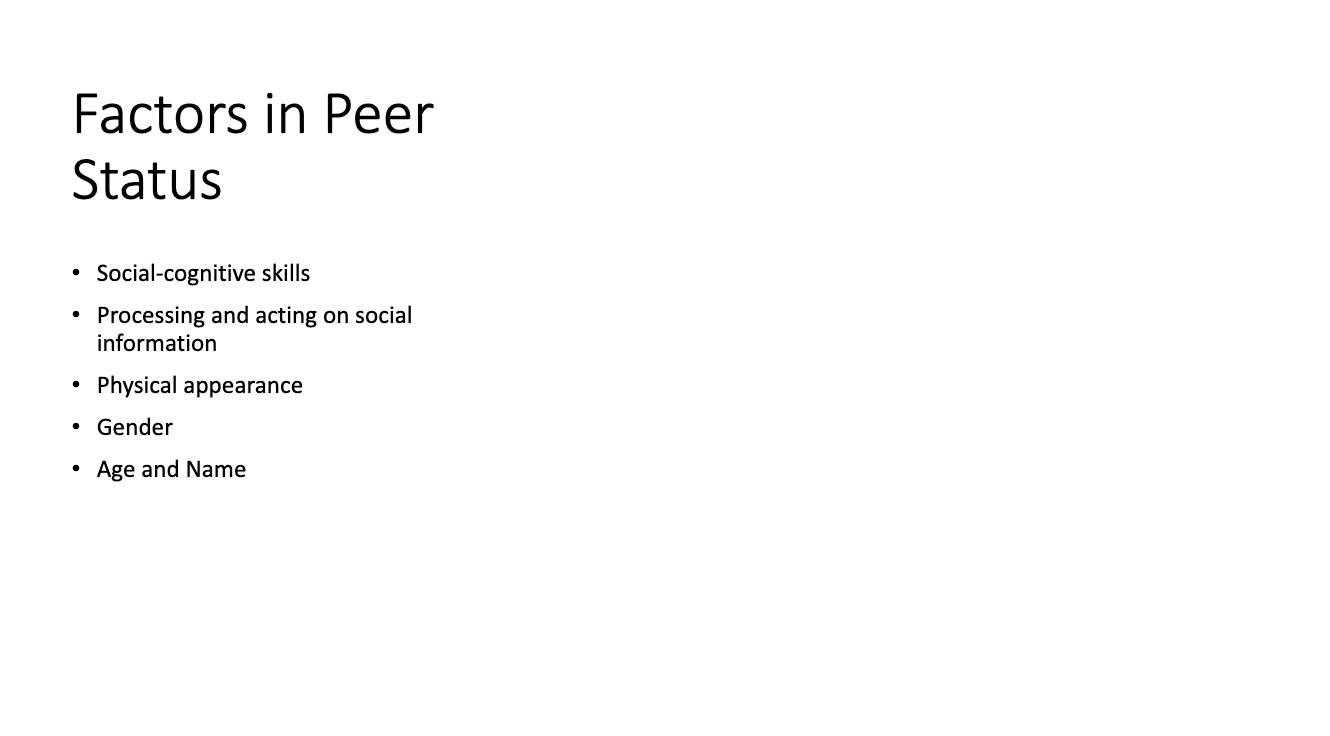
For a child to successfully become part of a peer group, they need to understand the social cues and dynamics within that group and be able to communicate how they fit in. This involves not just cognitive and verbal abilities, but also a range of other social and physical factors that influence how children are perceived and accepted by their peers.
One such factor is physical appearance, particularly attractiveness. Children who are perceived as physically attractive are often attributed with more positive qualities, such as kindness or intelligence, regardless of whether these traits are accurate. As a result, these children may find it easier to gain acceptance across various social groups, including across racial or cultural lines.
Gender also plays a significant role in peer relationships. Children often show a preference for forming friendships with peers of the same gender, which can lead to gender-exclusive groups. However, children who maintain cross-gender friendships may demonstrate more flexible thinking and stronger social skills, as they learn to navigate a broader range of perspectives and interactions.
Age and names can also impact peer group dynamics. Children tend to gravitate toward others who are similar in age, as shared developmental levels often mean shared interests and abilities. Furthermore, children are often more likely to associate with others who have familiar-sounding names, possibly because such names are easier to remember and may signal shared cultural or social backgrounds, making initial connections smoother.
Overall, a child's ability to fit in with peers is shaped by a complex interaction of social understanding, verbal and nonverbal communication, and a variety of external factors that contribute to how they are perceived and accepted within their social environment.
Peer status can change over time