HLTH 323 mod 3 Biostats 101
statistics: the science of collecting, organizing, analyzing, interpreting, and presenting numerical data
Biostatistics: a branch of statistics applied in many areas of biology including epidemiology, medical, and health sciences
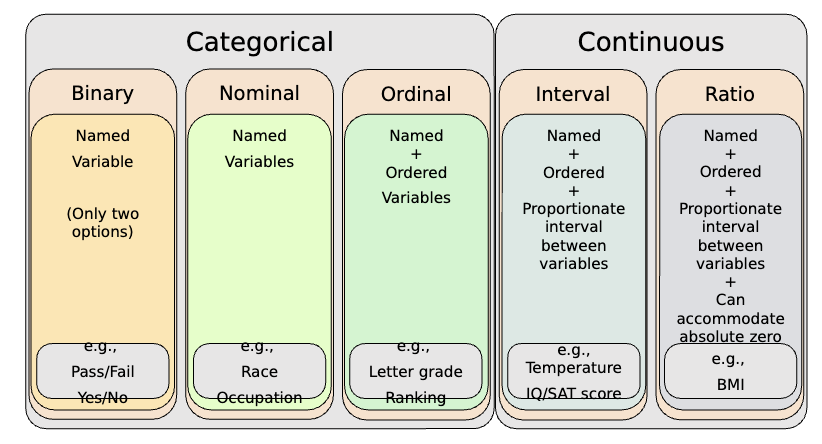
Different Types of Variables in Biostatistics
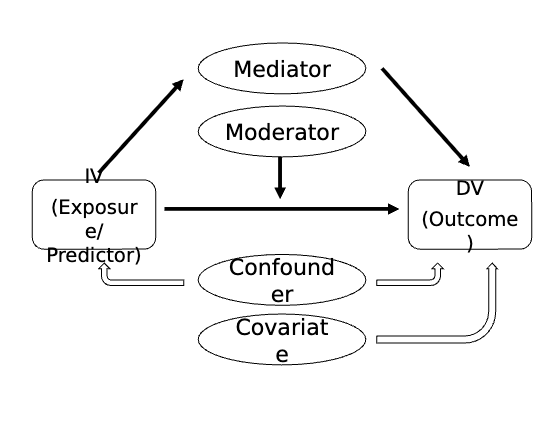
Independent (exposure/predictor) variable
dependent (outcome) variable
Others to consider:
mediator - explains why a relationship happens
moderator - modify the relationship based on exposure status
confounder
covariate
Hypotheses
hypothesis is a productive statement (ie. speculative proposition) for a phenomenon which is testable
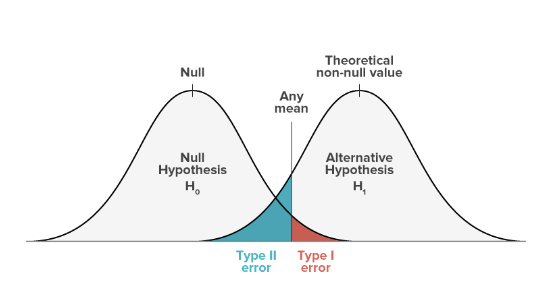
null hypothesis H0
alternative hypothesis H1
when P < 0.05 there is significant statistical difference
Different Statistical Techniques Commonly Used in Epidemiology
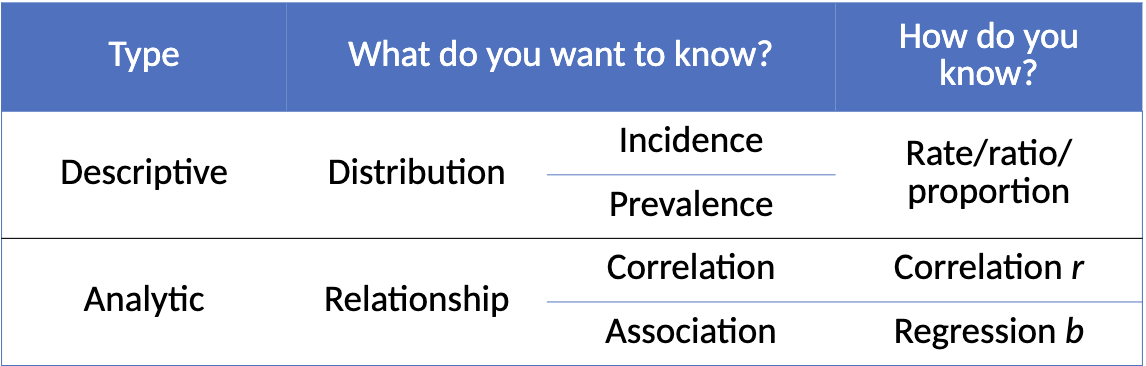
Prevalence: proportion of a population with existing cases over a specific period
Incidence: measures new cases over a specific period
Correlation: a simple statistic where you can find statistical significance with any of two variables. rarely used in epidemiology
Association: based on theory or hypothesis
Interpreting Correlation Coefficients r
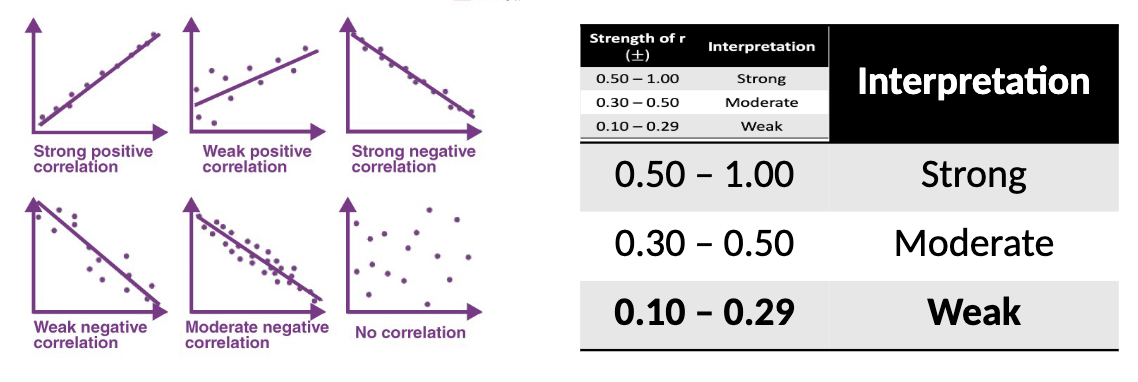
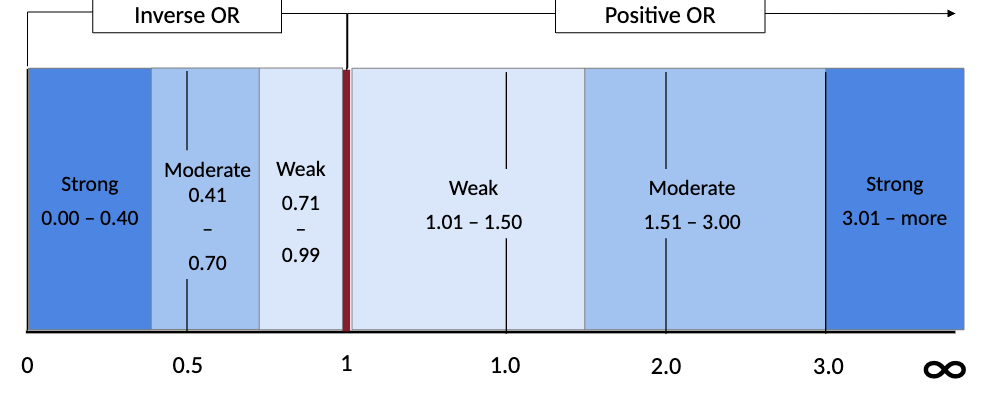
Interpreting Logistic Regression