AP Art History Unit 8
Vocab:
Sahn | A courtyard 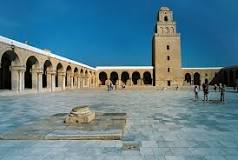 |
Hajj | A pilgrimage made to the Kaaba known as the House of Allah in the city of Mecca, Saudi Arabia 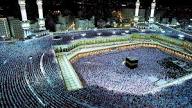 |
Kufic | A stye of Arabic script and the oldest calligraphic form of the Arabic scripts 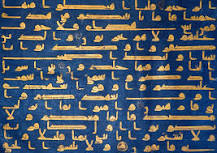 |
Minaret | A tall slender tower, part of a mosque, with a balcony from where a muezzin calls Muslims to prayera man 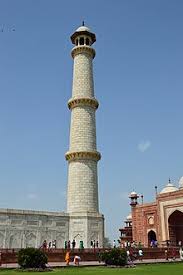 |
Muezzin | a man who calls muslims to prayer from the minaret of a mosquethe 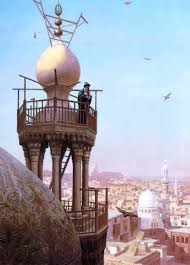 |
Qibla | the qibla is the direction that Muslims face when performing their prayers, which is the direction towards the Kaaba |
Kiswa | This is the cloth that covers the Kaaba, it is draped annually 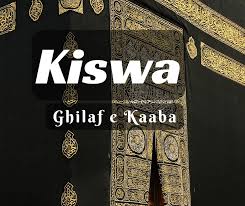 |
Charbagh | A charbagh is a persian quadrilateral garden with a layout of four gardens separated by waterways 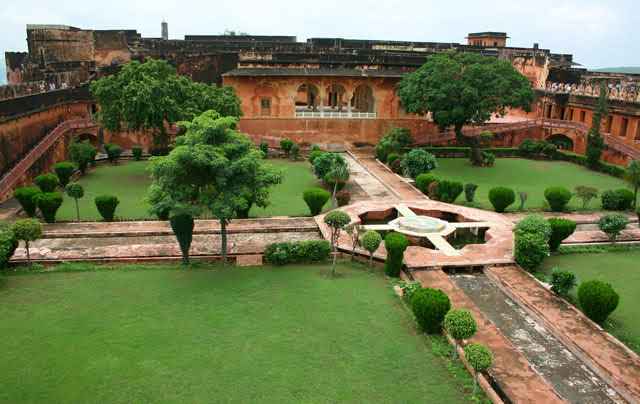 |
Iwan | An Iwan is a rectangular hall r space that is usually vaulted, walled on three sides, with one end entirely open 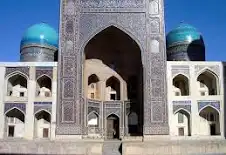 |
Mihrab | A niche in the wall of a mosque or religious school that indicates the qibla 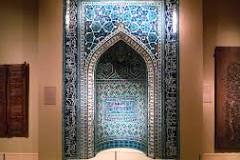 |
Minbar | A pulpit in a mosque where the imam (the leader of the prayers) stands to deliver sermons 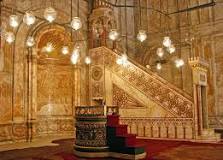 |
Muqarnas | pointed niches that are arranged in tiers that appear to form a honeycomb or a staircase 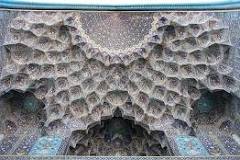 |
Qur’an | the holy book of islam |
Voussoirs | a wedge shaped or tapered stone used to construct an archar 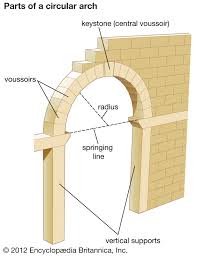 |
Arabesque | arabesque means a style that employes flower, foliage, or fruit and sometimes animal and figural outlines to produce a pattern of interlaced lines 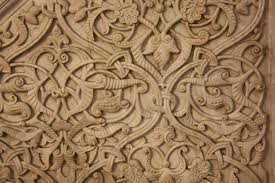 |
Huge Cultural Exchanges in West Asia:
The SILK ROAD connected distant lands
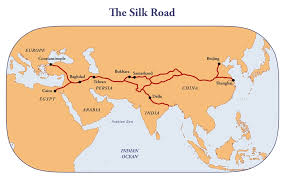
Islamic Art dominates West Asia, South Europe, and North Africa
Patrons were royal and religious figures
Islamic art influenced by trade/many traditions and mediums
Islam Dominates North Africa, West Asia and Spain
Group 1: Mosques, Tombs, Monuments
Group 2: Decorative Objects, rugs, illustrated manuscripts
Spread through pilgrimages
Five Pillars of Islam
Faith (there is one god —> Allah, and Muhammad is his prophet: the final prophet)
Prayer (5 times a day facing toward Mecca (this direction is called Qibla)
Charity (you should give up your money, time, and stuff for the Mosque and people in need)
Fasting (during the month of Ramadan)
Pilgrimage/Hajj (Once in your life you should go to Mecca if you’re able to, if your not able to then its fine but u should intend to)
Figural Art Varies
No figures in religious art
Some figuration in secular art, so if there are religious figures, its a secular piece of artwork
Islamic Art SPECIALIZES IN
Ceramics
Book Illustrations
Textiles
Metalwork
Decorative Architectural Structures
Islamic Art Uses
Arabesque: curvilinear
Calligrahy: Formal and pictoral writing of language, basically a font
Tesselation: geometric
Mosque Architecture:
the mosque is the muslim gathering place for prayer, also known as Masjid meaning place of prostration
the home of Muhammad is considered the first mosque, in Medina, Saudi Arabia.
large courtyard surrounded by long rooms supported by columns : hypostyle mosque (many columns)
The most fundamental need for a mosque is that it needs to hold the entire male pop of the city (women arent required to attend Friday prayers) —→ so it needs a large prayerhall which is suually adjoined to a sahn where there can be a fountain for water and ritual cleansing b4 prayer
The dome or domes on a musque are called Qubba —> a symbolic representation of the vault of heaven. The interior decor often has intricate designs and patterns.
Mosques iwth a single dome ALWAYS surmount the qibla wall
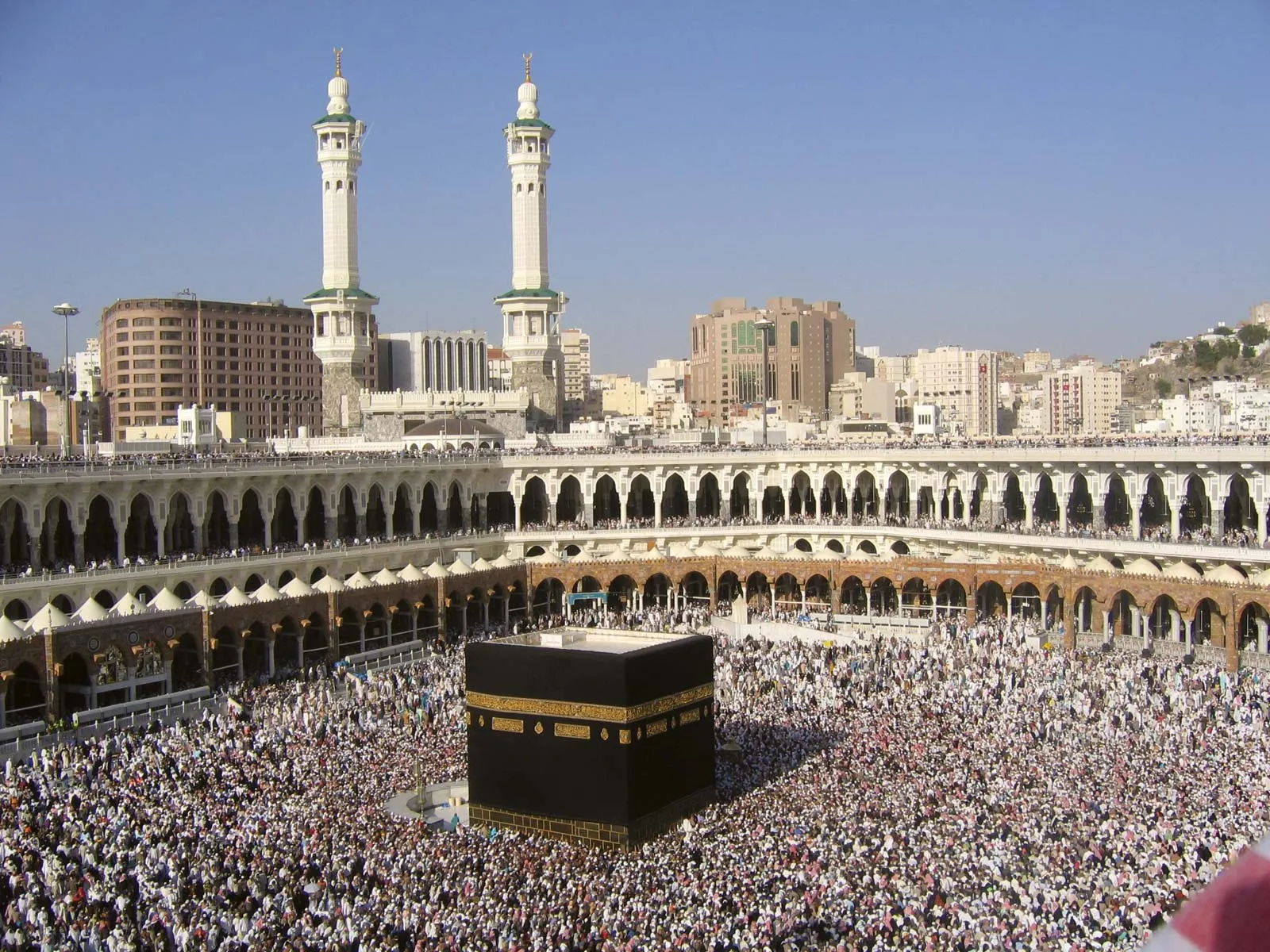
183. The Kaaba. Mecca Saudi Arabia. Islamic. Pre-Islamic Monument; rededicated by Muhammad in 631-632 C.E.; multiple renovations. Granite masonry, covered with silk curtain and calligraphy in gold and silver-wrapped thread.
Form:
15 meters tall,, 10.5 meters per side
Draped in a silk and cotton veil (Kiswa) replaced annually, this reminds me of the Mosque of Djenne’s plastering
Door made of solid gold
Existing structure encased in a black stone which was believed to be given to Ibrahim by Angel Gabriel
The four sides almost exactly align with the 4 cardinal directions
Repaired and constructed many times since Mohammad’s time
Cube-Like shape
Covered by Textiles
Black and Gold
Masjid al-Haram (The Grand Mosque)
Encloses the Kaaba the largest mosque in the world
Expanded multiple times
Seven Minarets
Contains colonnades
Function:
Hajj
Pilgrims circumbabulate (tawaf) 7 times, (they go around it 7 times)
Content:
Black stone: believed to have been given by Angel Gabriel
Broke into 3 pieces in 683 CE reassembled with silver
Expansions and Modifications:
Caliph Umar surrrounds it to accomodate pilgrims
Ummayyad and Abbasid Periods
Caliph Abd al-Malik restores Mhammad’s design
Umayyad Caliph al-Walid decorates the mosque with mosaics
Abbasid ulers continue expansions
Modern Era
1950s Saudia Government expanded it
Now it covers 40 acres
Context:
Ibrahim and Ishmael (Isaac is christian)
before the islamic era, the Kaaba was actually a SANCTUARY for Pagan Gods, then Muhammad comes in and kinda like cleanses it for monotheism
Islamic Significance:
He cleanses it of ideals so its monotheistic, established the rituals of hajj in 632 CE before his death.
The legend is that Ibrahim and Ishamel build this structure for God, then it becomes the destinatoin for the hajj under Muhammad
Religious and Political Importance:
Control over Mecca and the Kaaba has been significant for Muslim Rulers
Only Muslims are allowed to enter Mecca and Medina today
Symbol of Continuity and Change:
The Kaaba has gone through MANY renovations
The annual kiswa tradition continues symbolizing reverence for the structure
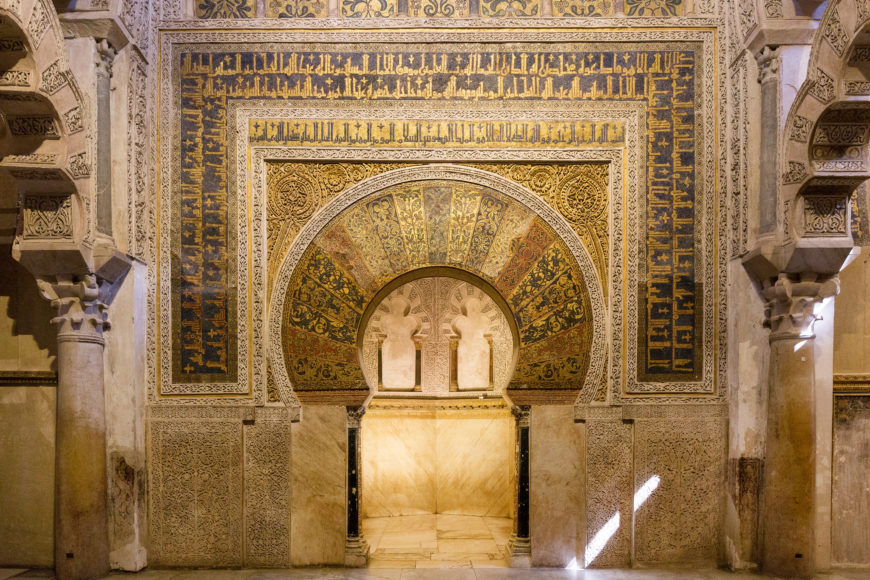
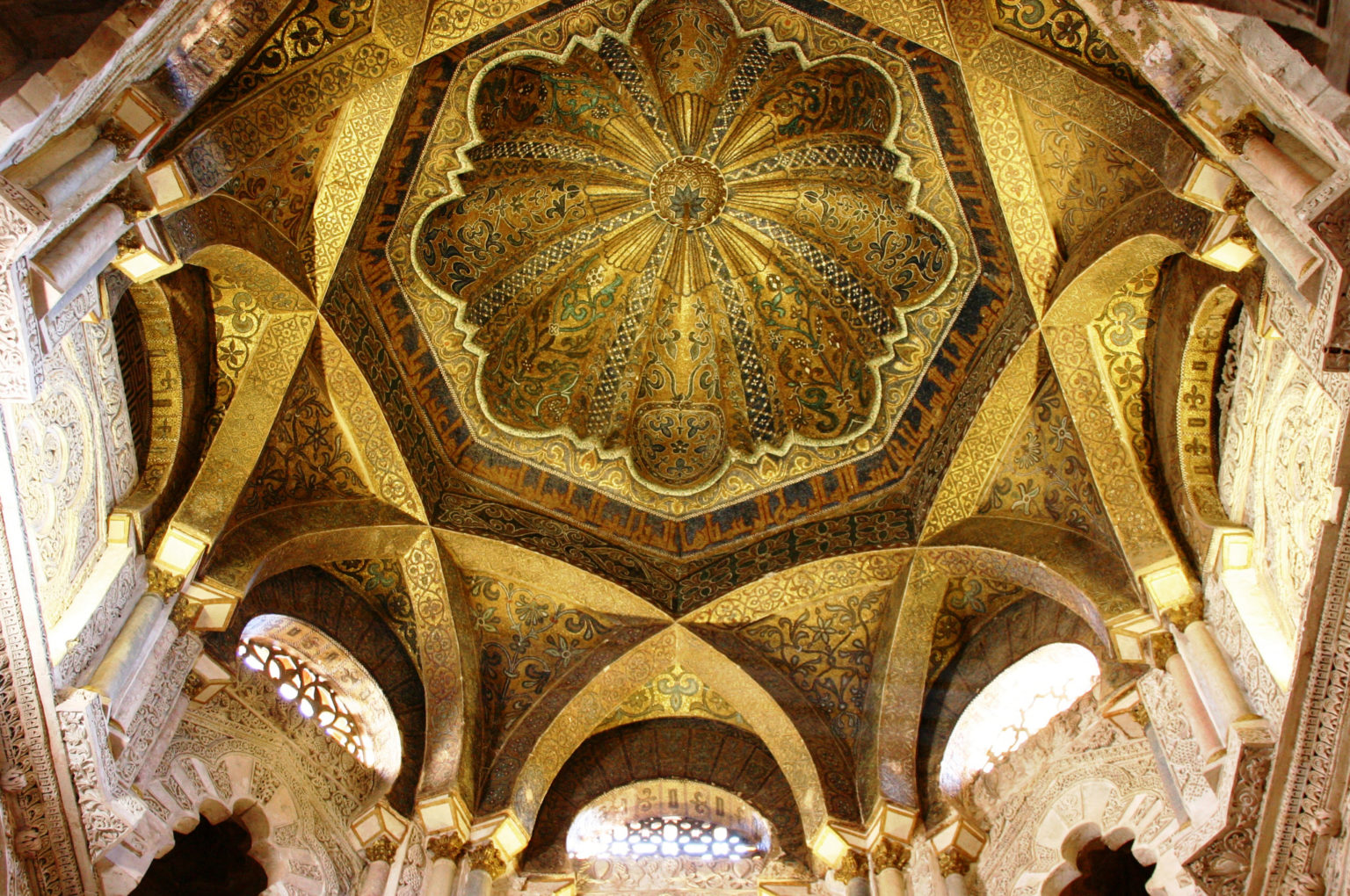
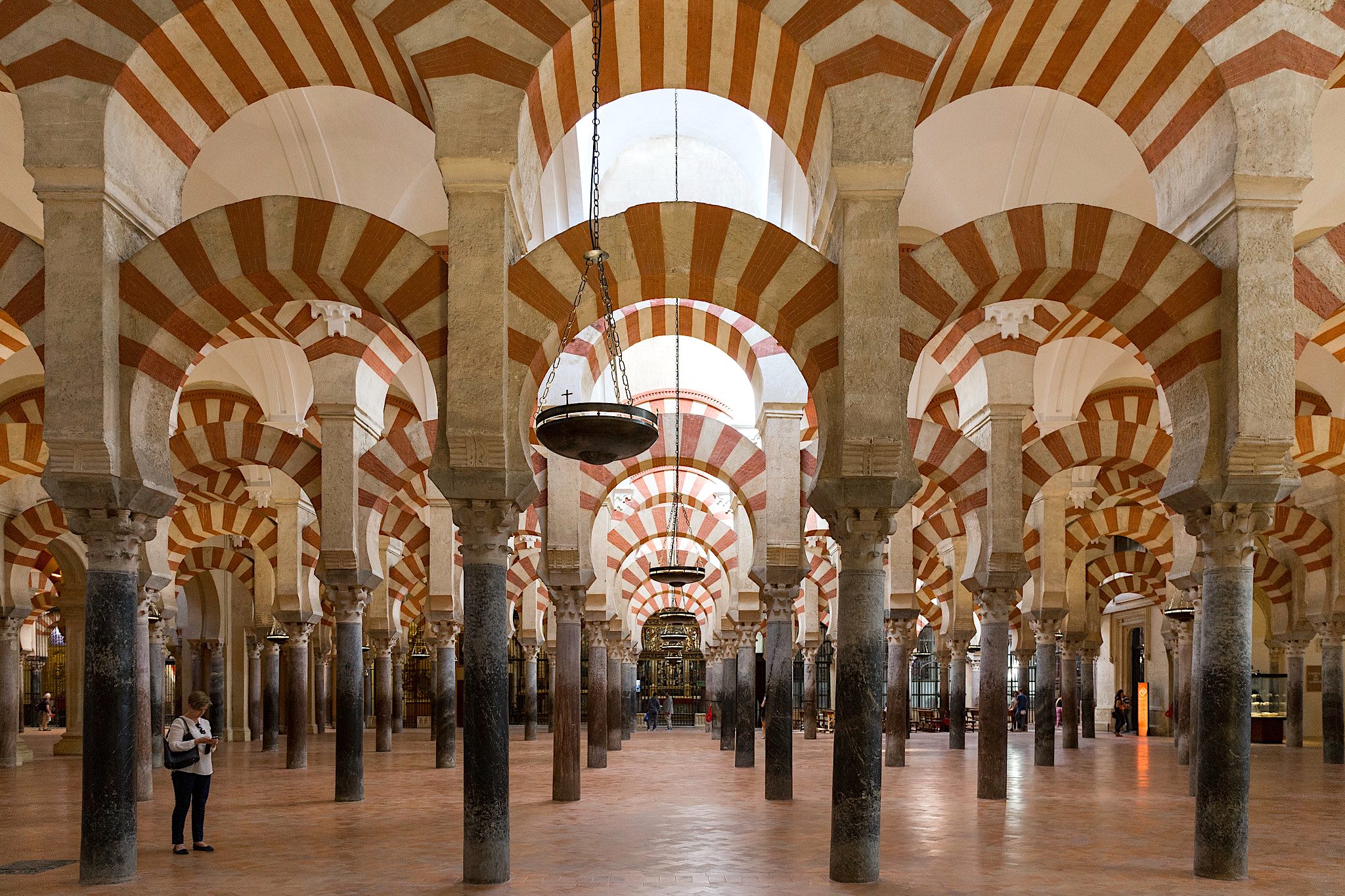
56. Great Mosque. Cordoba, Spain. Ummayad. c. 785-786 C.E. Stone Masonry.
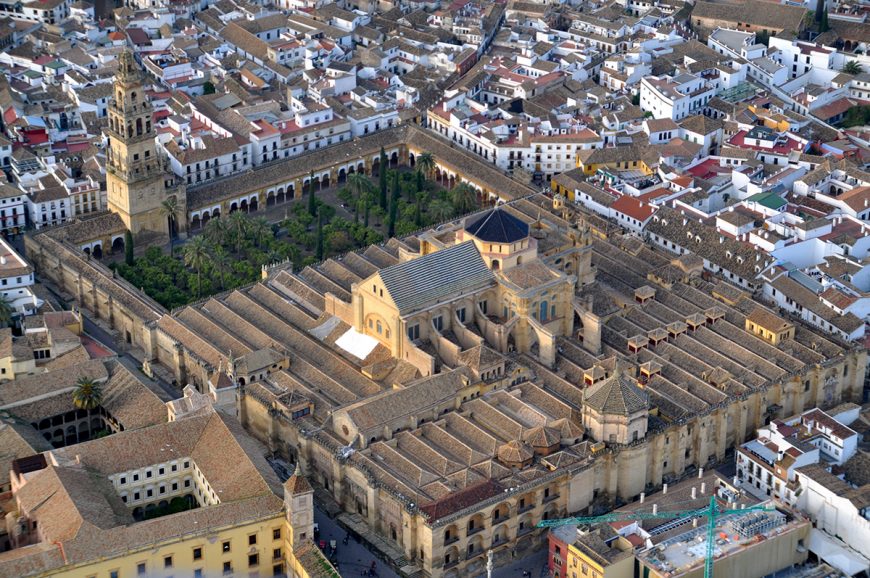
Locally known as the Mezquita-Catedral
This site is believed to have first been a temple to the Roman god Janus, then it was converted into a church by Visigoths who seized Cordoba in 572. Afterwards it was converted into a mosque and completely rebuilt by the descendants of the Ummayads that were exiled
The Umayads were overthrown in Damascus, and Prince Abd al-Rahman escaped to Southern Spain and established control there and tried to recreat the grandeur of Damascus in his new capital —> Cordoba.
Form:
Its a hypostyle mosque: meaning there is no central focus like an axial church
Double arched clumns/bands of colors (850 columns)
Light Interior as columns rise up
Double-Tiered arches (red and white voussouirs)
Sahn
Minaret which was later encased in a bell tower after Christian conversion
Use of Roman and Visigothic spolia (recycled columns and capitals
Gothic rib vaulting
Ribbed dome above mihrab adorned with LOTS of gold mosaics
This is an exmple of the Horseshow arches —> a sign of Visigothic (a type of christianity) and later Islamic architecture
The harmony between Roman, Visigothic, and Islamic traditions show the adaptability of the Islamic art
Function:
Mosque
A major political statement to establish the Ummayad power area
Served as a major religious and cultural center
After the Christian RECONQUISTA in 1236, it was converted into a cathedral and they inserted a Gotchi-Renaissance nave inside, NOW it functions as a Roman Catholic Cathedral (this is like the opposite of what happened to Hagia Sophia)
Built on site of a temple and church
Later it was converted to a church
Context:
From the time the Muslims ruled Al-Andalus
Built under Abd al-Rahman I, the Ummayyad ruler who fled Damascus after the Abbasid takeover and established Cordoba as his new capital
Symbolized the Ummayyad attempt to recreate the grandeur of Damascus in Al-Aandalus
the Christian conquest of Cordoba (1236) turns it from a mosque to a church
REFLECTS THE layered religious and cultural history of the Iberian Peninsula
65. Alhambra. Granada, Spain. Nasrid Dynasty. 1354-1391 CE Whitewashed adobe stucco, wood, tile, paint, and gilding
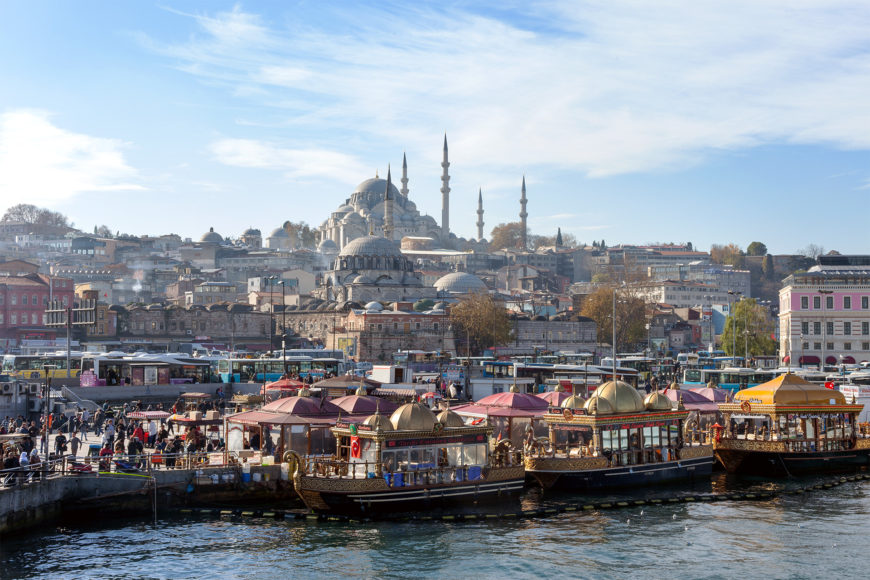
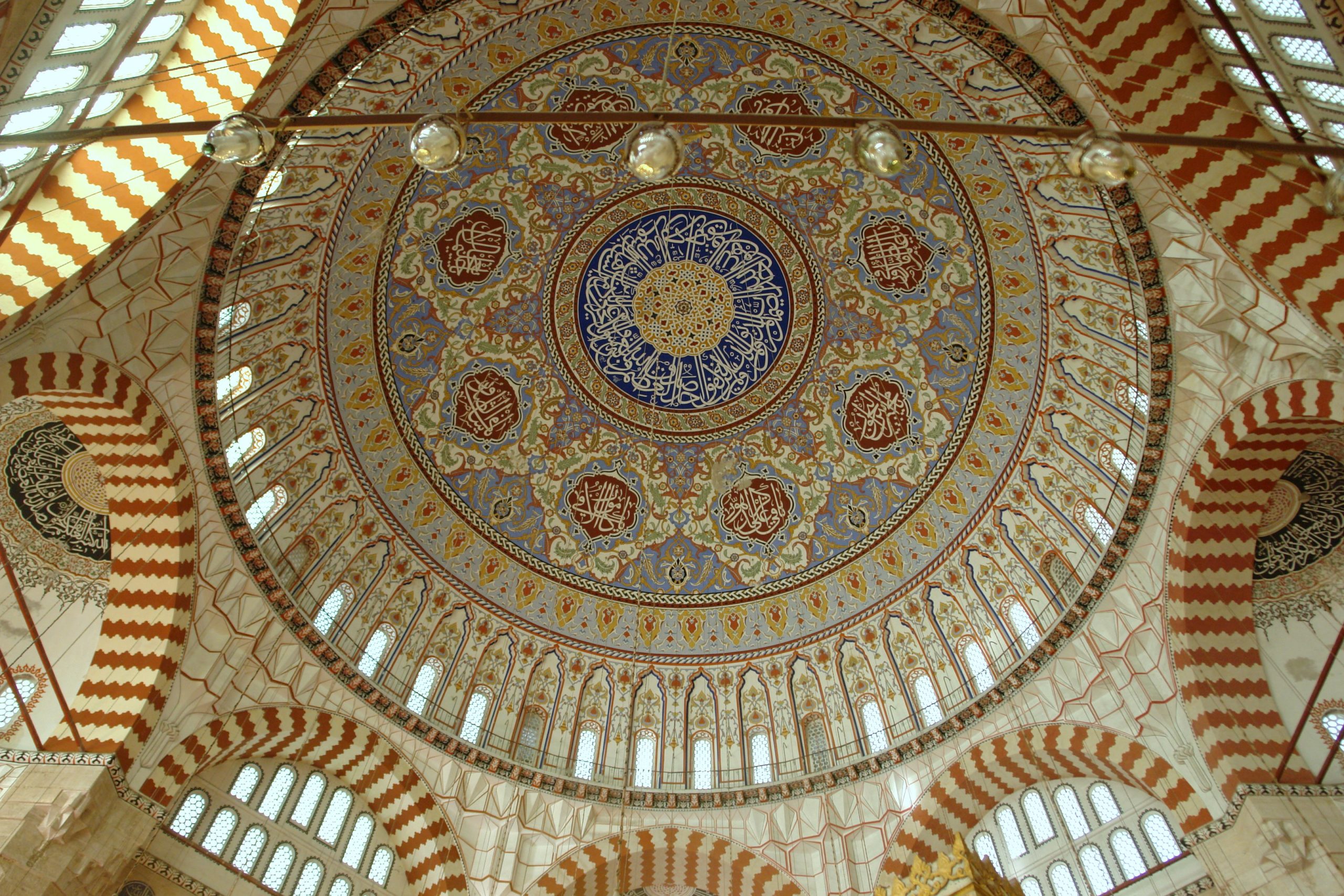
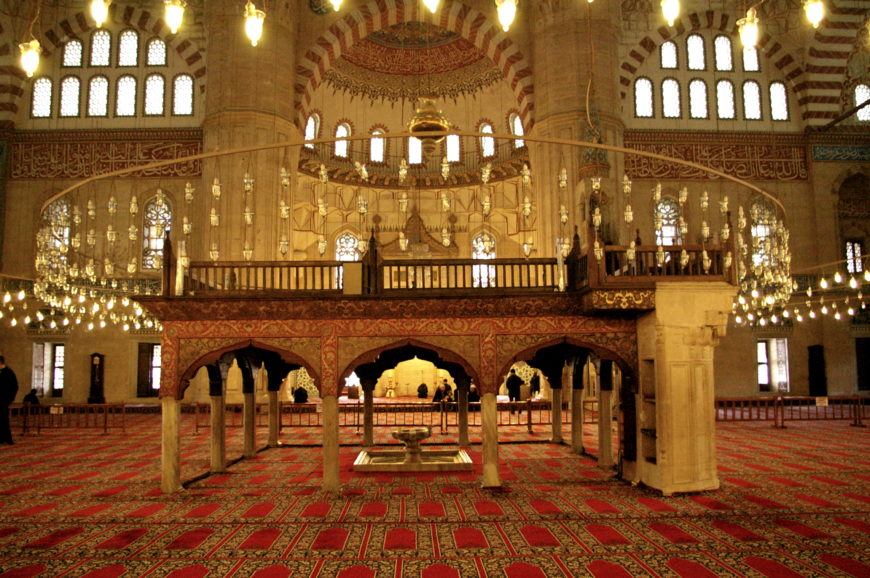
84. Mosque of Selim II. Edirne, Turkey. Sinan. 1568-1575 CE
4 slender pencil minarets —> Ottoman mosque architecture
Massive central dome surpassing hagia sophia
Dome is supported by 8 piers with muqarnas decorated on squinches ABOVE
Centralized interior space with a harmonious geometric layout
Polychrome stone and brick exterior
Tile decor featuring floral and geometric motifs
Created by Sinan arguably the greatest architect to ever live
built by sultan Selim II the son of Suleyman the magnificent
The selimiye complex was located in Edirne, which was felicitous (WELL CHOSEN) because it had been a capital of the Ottoman Empire before Istanbul and was basically the second city of the Empire (Like NYC and Albany for New York)
Edirne was the first major city euros travelling TOWARDS the ottoman empire reached, so this offered an opportunity for a first great impression for the sultan to show visitors and travelors
The mosque in the complex of suleiman the magnificent who was the sultan for the most part of the 16th century
Francis 1 and Charles V also prominent large rulers, a time of large monarchs
Many ppl built mosques early into their careers but he was more experienced, a sense of sureness and grandeur. Basically he cashed all his aura points in to this
grainte columns that come from Egypt
The columns are SINGLE PIECES OF STONE THAT ARENT CUT (this had to be transported from egypt which is crazy cuz they straight up carried the giant monoliths)
Dome on pendentives and two semi-domes
Hanging mosque lamps creat a sense of the heavens
Reflective metal balls that light up the space
The walls and dome are pierced with an enormouns number of windows
Sinan knew exactly what he was doing
big fire in 1660 and earthwuare in 1766 that damaged it
Display of Ottoman Power and architectural superiority
Islamic Worship
Part of a larger complex with a madrasas, a school, and a marketplace
Sinan was attempting to surpass Hagia Sophia, like on purpose
The dome’s octagonal plan was influenced b the Ill-Khanid mausoleums in Iran
the inscriptions on the INSIDE emphasize the unity of Allah and Muhammad’s role as a messenger
Placement of the muezzin’s platform under the dome references Christian church altars
The exterior is a unified architectural design
Built after the Ottoman naval defeat at Lepanto (1571) to assert Islamic dominance
186. Great Mosque (Masjid-e Jameh). Isafahan, Iran. Islamic, Persian: Seljuk, Il-Khanid, Timurid and Safavid Dyansties. c. 700 CE; additions and restorations in the 14th, 18th, and 20th centuries CE Stone, brick, wood, plaster, and glazed ceramic tile.
most cities possess a primary
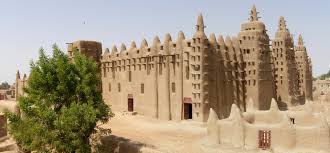
168. Great Mosque of Djenne. Mali. Founded c. 1200 CE; rebuilt 1906-1907. Adobe
Form
largest adobe/mudbrick structure in the world
showcasing Sudano-Sahelian architecture with local materials such as adobe and mud
Rectilinear plan, munumental pillars, earthen roof with ventilation holes
Facade features 3 minarets and engaged columns that create a rhythmic visual effect
Center exterior tower = the mihrab
Timber beams are both decorative and scaffolding for the Crepissage Festival
Function
place of worship
political and cultural symbol, historically for local rulers and later for colonial powers like the French (remember how the kids spoke French)
The mosque is the center of community life, playing a major role in the annual Crepissage Festival (this is where they go to plaster the mosque)
every year the community plasters the mosque. They get mud, water, and the entire community goes to “clothe” this structure of God. The entire village participates becuase they are unified. Even other villagers go to help and EVERYONE is welcomed because its the house of God
Content
The current structure of the bulding which was completed in 1907 is actually its THIRD iteration, replacing earlier versions from the 13th and 19th centures GYATDAM
it uses traditional building techniques and local materials —> Sudano-Sahelian
has special courts for women, a principatl entrance with earthen pillars mark
Context
185. Dome of the Rock. Jerusalem, Palestine. Islamic, Umayyad. 691-692 CE, with multiple renovations. Stone masonry and wooden roof decorated with glazed cermaic tile, mosaics and gilt aluminum and bronze dome.
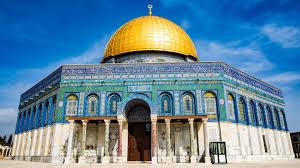
believe muhammad journeyed from heaven to this rock
Intricate geometric designs
stone and tile
massive mosque but jews called this temple mound
Jews believe this spot is the center of the earth bc this is where Abraham sacrificed Isaac
The wall that jews stuff papers into cracks
57. Pyxis of al-Mughira. Umayyad. c.968 CE Ivory
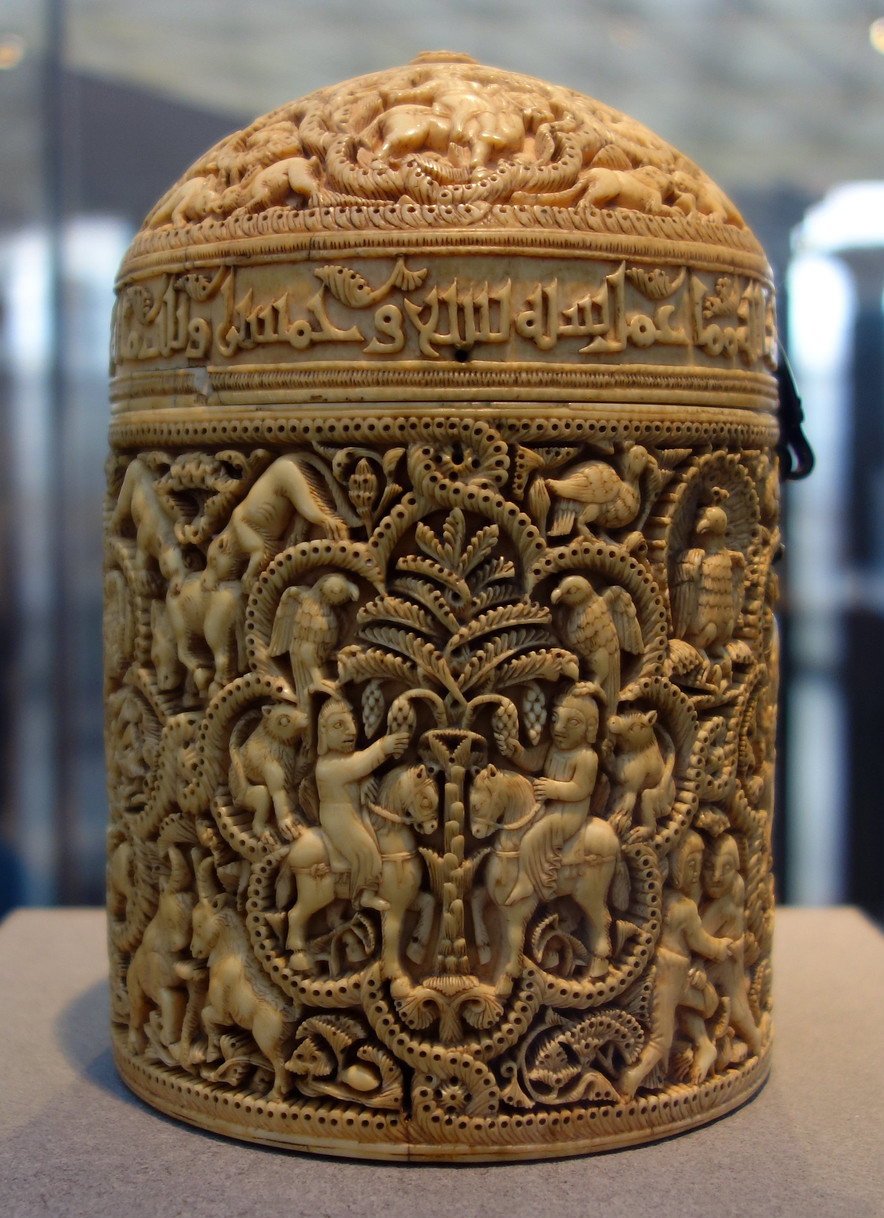
Form:
“Horror Vacui” = fear of open spaces —> everything so clumped together like Ludovisi Battle Sarcophagus
Vegetable and geometric motifs
Human figure = SECULAR PIECE (theres also an animal figure)
Made out of an elephants tusk (DAMN) 5 inch in diameter
Function:
used as a vessel for aromatics
Content:
Depicts 4 activities: hunting, falconry, sports, music
The caligraphy asks for Allah’s blessing but also has the name of the owner (name of the artist reminds me of Arnolfini Portrait)
Context:
A gift for the caliph’s younger son
Medieval Islam
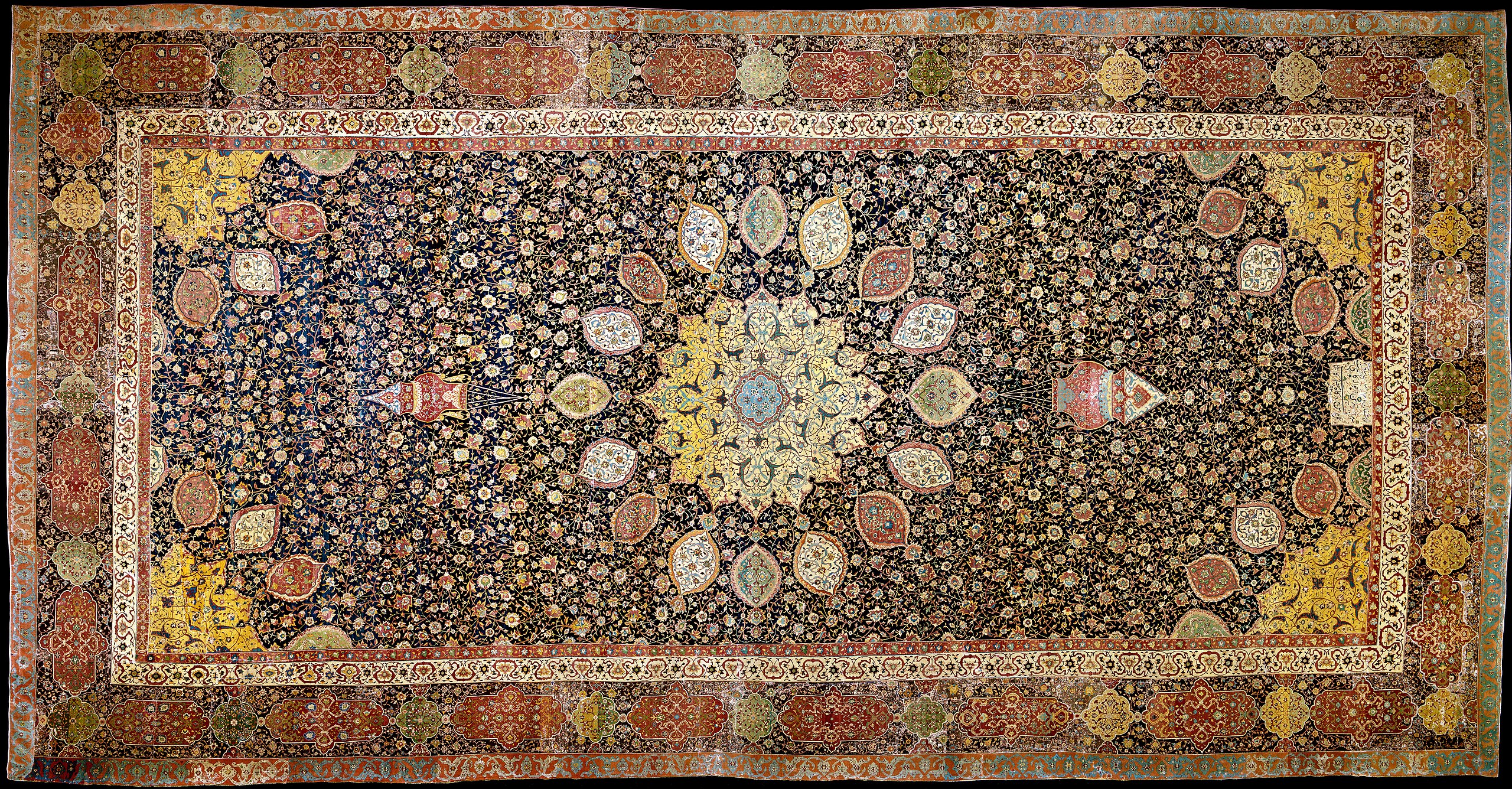
191. The Ardabil Carpet. Maqsud of Kashan. 1539-1540 CE Silk and wool
Form
GIANT AF THE CARPET IS SO BIG, its the world’s OLDEST CARPET
Every square inch of this carpet has 340 knots (gyatdamn) theres so much fabric, its so dense which is why its survived this long
1 of the oldest
Wool woven by ten ppl likely men altho women were weavers culturally (cuz women had to take a backseat in religious matters)
Theres a 4 line inscription
Uses indigo and pomegranet juice dyes
Function
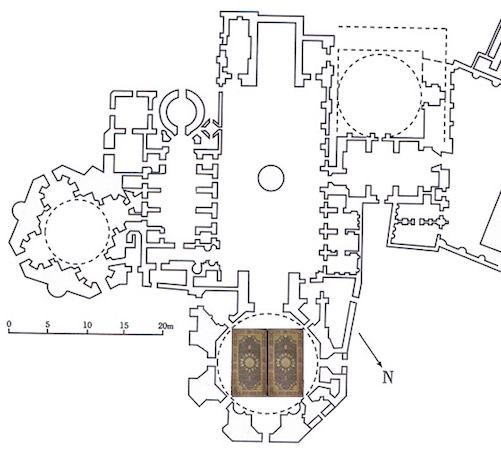
its a prayer carpet
There are Two in total, both of which in museums, originaly from the funerary mosque of Shayik Safial-Din
Content
the medallion in the middle represents a dome
Context
its named after a town/shrine: Ardabil
188. Basin (Baptistere de St. Louis). Muhammad ibn al-Zain. c. 1320-1340 CE Brass inlaid with gold and silver
Form
figures, animals, decorative patterns (SECULAR ART)
Sea animals on the bottom
Brass, areas of silver, gold, and black paste
Eels i
Function
used to baptize the children of the royal family in France AFTER its time in Islam
signautre of the artist (signs it 6 times)
Content
eels in silver at the bottom
frize of men on horseback interspaced with animals, medallions and coats of arms
two rulers sit frontally holding goblets
Scene of battle (reminds of the bayeux tapestry)
One is raising a goblet in one hand and rasiing a vessel in the other
one person is holding a leopard by a leashe
Fleur de lis, was originally the logo of the mamuk Sultan in Islam but its also the france logo afterwards
Context
normally vessels like this would have calligraphy, but this doesnt
Might have been given for export no one rlly knows
187. Folio from a Qur’an. Arab, North Africa or Near East. Abbasid. c. eighth to ninth century CE Ink, color, and gold on parchment
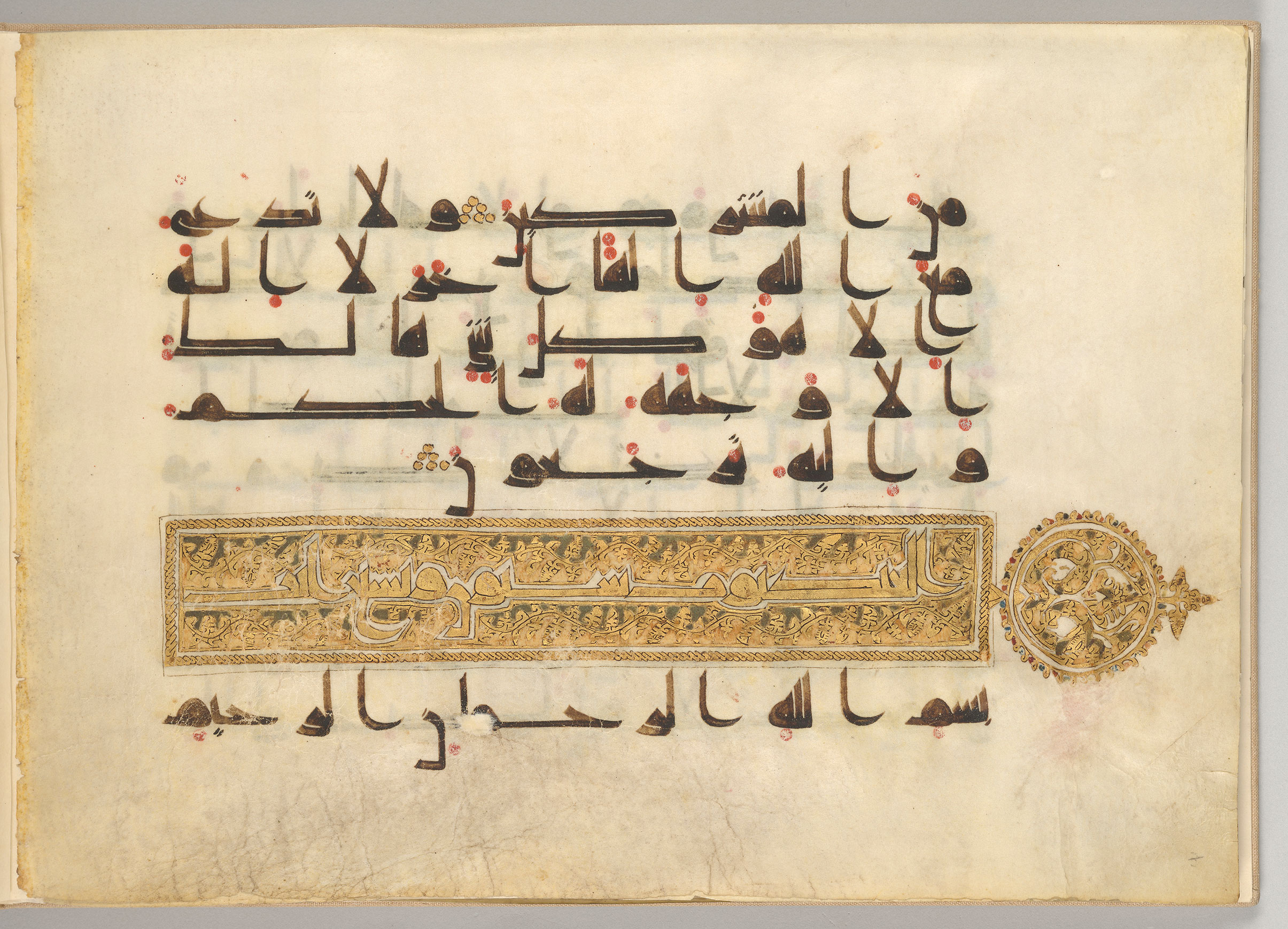
Form:
gold on parchment (in the west its called an illuminated manuscript) so its the same thing (there are some artworks)
great clarity: you can have multiple readers at once
Function
acts as a guide for ppl who already have it memorized
Content
Arabic reads right to left
Kufic script: strong upright and long horizontals
Context
Qur’an means recitation
this is from the oldest surviving Qur’an
scale / proportions / time suggest the wealth o fthe patron (Great mosque of Damascus)
Sura - short reading / prayer medallions / rounded palmette’s establish break in Suras
189. Bahram Gur Fights the Karg, folio from the Great Il-Khanid Shahnama. Islamic; Persian, Il’Khanid. c. 1330-1340 Ink and opaque watercolor, gold, and silver on paper
Form
Function
book illumination depicting many stories from the Shahnama aka the Persian Book of Kings
Content
Context
190. The Court of Gayumars, folio from Shah Tahmasp’s Shahnama. Sultan Muhammad. c. 1522-1525 CE Ink, opaque watercolor, and gold on paper
208. Jahangir Preferring a Sufi Shaikh to Kings. Bichitr. c 1620 CE. Watercolor, gold, and ink on paper.
Form
The medium is opaque watercolor (we would call it guash modern times), gold, and ink on paper. So kind of like another illuminated manuscript.
Dimensions: 46.9 × 30.7 cm
Small painting from the Mughal period showing rich colors and intricate details: the flower designs at the top
Function
propaganda: because even tho the Shaik is there, it reinforces Jahangir’s spiritual and imperial authority showcasing his preference for spiritual over material power (this is like the justinian mosaic)
Reflects Jahangir’s political relationships with other rules
Acts as a visual statement about their devotion to Sufism and spiritual leadership
Content:
the emperor is depicted as divine (has the same halo like renaissance and baroque works)
A crescent moon is encircling his head
He’s sitting on an elevated platform
Five human figures (SECULAR) in total: Jahangir, a Sufi Shaikh, an Ottom Sultan, King James I, and the artist himself Bichitr, all arranged hierarchically with him at the bottom.
Iconograph: a golden disc and crescent moon symbolize divine power and royal authority (The crescent moon is associated with Islam)
Contrast of material wealth and spiritual poverty emphasizes spiritual vs material worlds
Angels collecting the sand of an hourglass (gathering time, maybe extending his reign)
The sufi shaike is rescieving a book from the emperor
The ottoman Sultant is dressed in foreign garb, so is King James I, but is pose and clothing suggests unease, hes also the only one LOOKING AT THE VIEWER
Bchitir (artist) there humbly
Painting features allegorical elements such as putti (angels) and a myseterious polyheaded figure, showing symbolic depth related to time and divine favor
Context
ughal Empire: created during the reign of Jahangir, the fourth Mughal Emperor who ruled from 1605-1627.
Mughal court known for lavish art and complex iconography
Emphasizes Jahangir’s preference for spiritual leaders reinforcing his image as a ruler with divine favor
Diplomatic ties with foreign powers
Portraiture and attention to detail (like renaissance works)
self gloriciation and blending of Islamic and European influences
209. Taj Mahal. Agra, Uttar Pradesh, India. Masons, marble workers, mosaicists, and decorators working under the supervision of Ustad Ahmad Lahori, architect of the emperor. 1632-1653 CE Stone masonry and marble with inlay of precious and semiprecious stones; gardens.
Form: Mugal architecture w persian islamic and indian influences
White marble, red sandstone
Central dome, four surrounding minarets, symmetrical layout
Inlaid semi