Phase Changes - Heat Energy, Kinetic Energy, Thermal Energy, and Temperature
Phase Changes, Kinetic Energy, Thermal Energy, Heat, and Temperature
I. Phase Changes
Definition: Transition of matter from one state to another due to changes in temperature and pressure
Types of phase changes:
Melting: Solid to liquid
Freezing: Liquid to solid
Vaporization: Liquid to gas
Condensation: Gas to liquid
Sublimation: Solid to gas
Deposition: Gas to solid

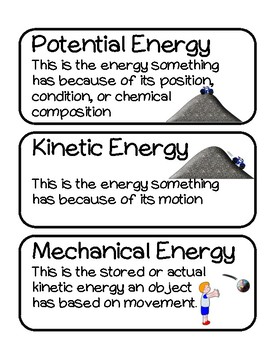
II. Kinetic Energy
Definition: Energy possessed by particles due to their motion
Directly related to temperature
Higher temperature = higher kinetic energy
Lower temperature = lower kinetic energy
III. Thermal Energy
Definition: Total energy of all particles in a substance
Depends on both kinetic and potential energy of particles
Increases with temperature and amount of substance

IV. Heat Energy
Definition: Energy transfer between objects due to temperature difference
Heat flows from higher temperature to lower temperature
Units: Joules (J) or calories (cal)

V. Temperature
Definition: Measure of average kinetic energy of particles in a substance
Determines the direction of heat flow
Units: Celsius (°C), Fahrenheit (°F), or Kelvin (K)
Conversion formulas:
°C = (°F - 32) / 1.8
K = °C + 273.15
VI. Relationship between Phase Changes, Kinetic Energy, Thermal Energy, Heat, and Temperature
Phase changes occur when thermal energy is gained or lost
Heat is the energy transferred during phase changes
Temperature affects the kinetic energy of particles, which in turn affects the phase of matter
VII. Examples
Boiling water: Liquid water gains thermal energy, particles gain kinetic energy, and water changes to gas (vaporization)
Melting ice: Solid ice gains thermal energy, particles gain kinetic energy, and ice changes to liquid (melting)
Note: This outline provides a brief overview of the topics. Further details and examples can be explored for a comprehensive understanding.