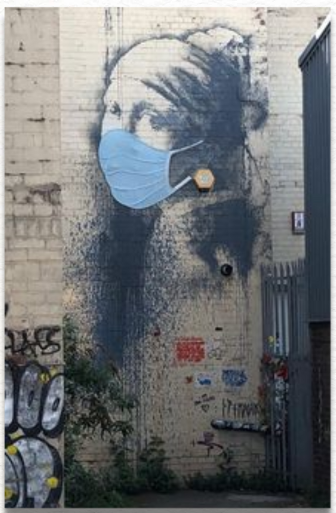
Contemporary art
What is the difference between modern art and contemporary art?
“If modern art is a mold tan contemporary art is what breaks the mold to become soemthing else”
Modern - something that belongs to this age
- starting in the middle of the 19th century till the end of the second world war
-revolutionary by origin: anti romaniticism
-self expressive art, subjective representation
-majority is made on canvas
Contemporary - shows things that are related to this time and date
- starting after the second world war till today
- revolutionary regarding the freedom of experimentation by the artist
- focus on society, politics, culture, emphasizing social impact
- any medium including video, object design, installations, performance
Contemporary Art
defined by the time it was created rather than the type it falls under
what an artist creates if they make something that follows none of its boundaries
Contemporary art often spreads to places outside a canvas or a gallery.
found everywhere
History
after world war 2, ideas of art changed. Postmodernism started in the 1970’s where artists believed that art is for everyone, this artwork sometimes used technology.
Many artists who faced the harsh reality of war grew up with different ideals from artists in the modern era and decided to make their own art according to their style called “contemporary art”
Post modernism
- started in the 1970’s, a reaction against modernism
- movement ended in the late 20th century
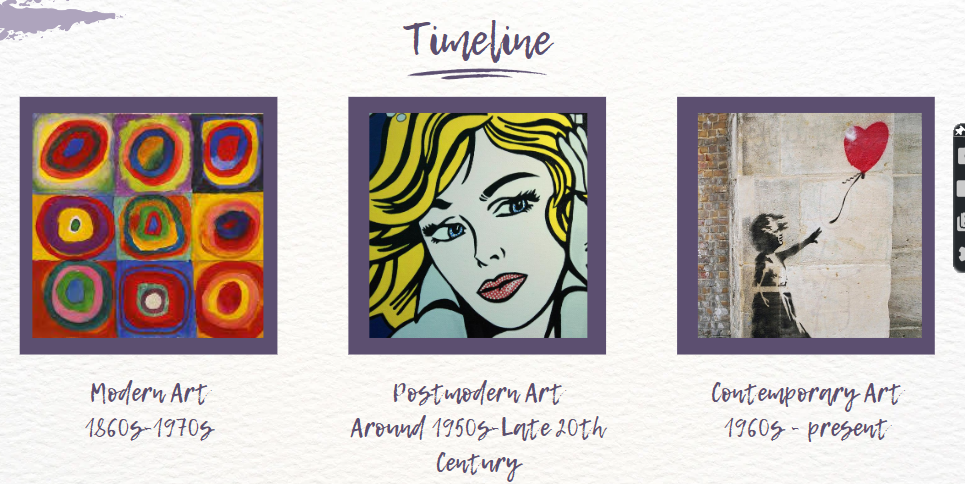
Different types of Contemporary Art
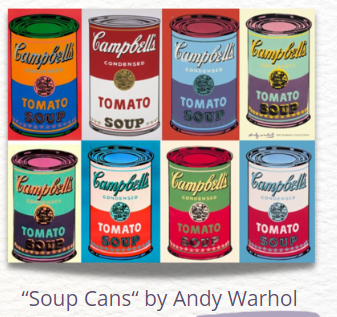
1.) Pop art
simple everyday images (Ex. Advertisments, packaging, comic strips, movie stars, celebrities etc.)
uses exciting and lively block colors
shows strong design concept and bold shapes
limits use of color
often uses irony or sarcasm
Artists: Andy Warhol (“Soup Cans”), Roy Lichtenstein (“Blam”)
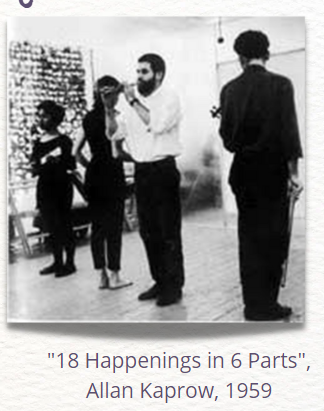
2.) Happening
Avant-grade; combines elements of drama and visual arts
provokes/encourages a response from viewers
planned beforehand but are performed spontaneously
Artists: Allan Kaprow (“18 Happenings in 6 Parts”)
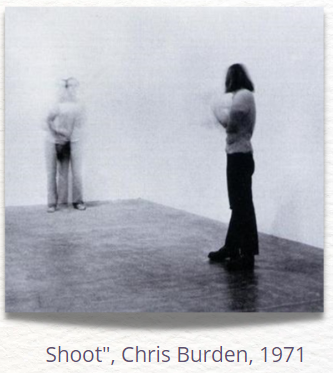
2.) Performance Art
uses artists’ body and overly theatrical live actions to express the art
can be performed anywhere with live audience (can be rehearsed or spontaneous)
incoperates different media like dance, music, csotuem etc
Artists: Chris Burden (“Shoot”)
3.) Installation Art
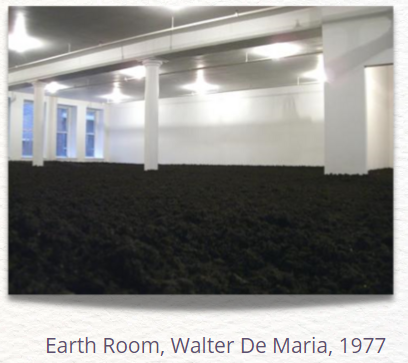
arrangement of objects in space (designed for a specific area, isndie a room, an open spaces or anywhere)
allows the viewer to be “in” the artwork, move around and interact with the space
Artists: Walter De Maria (”Earth room”) , Damien Hirst (“The Miraculous Journey”), Urs Fischer (“Lamp Bear”)
4.) Graffiti Art (Street Art
public art, done ons dies of buildings etc.
uses spray paints, markers etc.
used to express artist’s frustration
Artists: Banksy (Girl with a peirced Eardrum”)