5. Wastewater treatment I
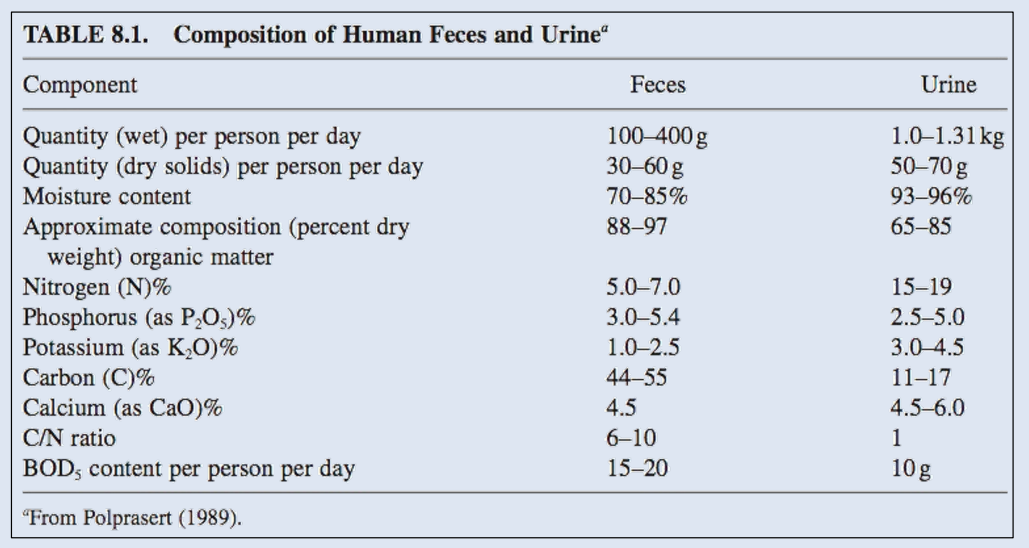
Composition of wastewater:
Domestic wastewater contains human and animal faeces and urine plus gray water from washing, cooking, bathing etc.
Objectives of wastewater treatment processes
The aim of wastewater treatment is to reduce organic and inorganic materials in wastewater to a level that no longer supports microbial growth, and to eliminate other potentially toxic materials. Specifically:
Reduction of organic content of wastewater
Removal/reduction of trace organics recalcitrant to biodegradation that may be toxic
Removal/reduction of toxic metals
Removal/reduction of nutrients to reduce pollution of receiving waters
Removal/inactivation of pathogens
Overall Aims:
Wastewater must first be characterised
The treatment process must be monitored
The treated wastewater and sludge must be safely disposed of
Monitoring:
What needs to be monitored:
Organic carbon
requires oxidation, measured as BOD or COD
Inorganics
nutrients such as N, P, S
toxic metals, mainly from industrial activity, mining
Special organics
volatiles, petroleum hydrocarbons
non-volatile, polychlorinated biphenyls (PCBs), pesticides
Microbiology
pathogens present in human waste, not routine to monitor these
indicator organisms to monitor faecal pollution
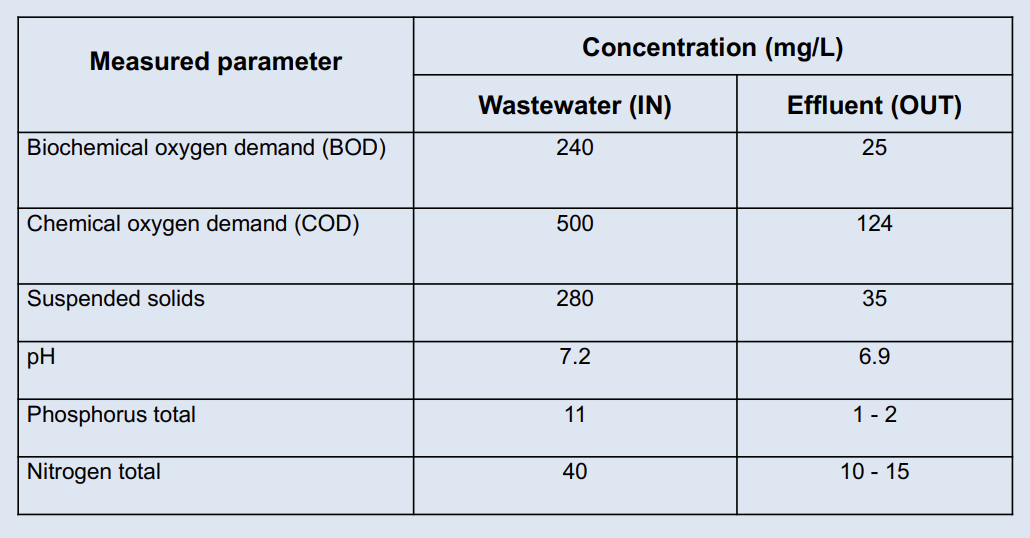
What needs to be achieved?
Typical composition of untreated domestic wastewater and some effluent guidelines.
Routine Analyses of Organics in Wastewater:
BOD - Biochemical Oxygen Demand
NOD - Nitrogenous Oxygen Demand
COD - Chemical Oxygen Demand
Total Organic Carbon
Suspended Solids (SS)
(1) BOD - Biochemical oxygen demand → the amount of dissolved oxygen (DO) consumed by microorganisms for the biochemical oxidation of organic (carbonaceous BOD or CBOD) and inorganic (nitrogenous BOD or NOD) matter
CBOD5 or BOD5 - a 5-day measurement of the amount of O2 required to oxidise organic matter in a sample:
 BOD is one of the most important tests in monitoring of wastewater treatment plants
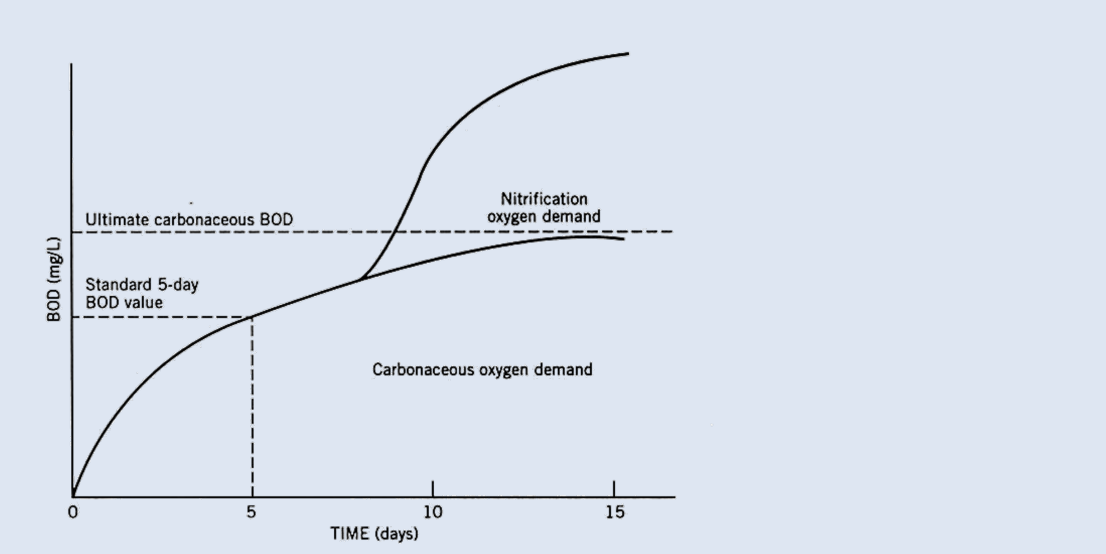 BOD5 measurement
Aliquots of wastewater placed in bottle, diluted, may be seeded with culture, sample is saturated with oxygen, left in dark
DO is measured at start and after 5 days incubation at 20oC. Amount of O2 consumed is determined.
As microbes deplete the carbon substrate a plateau is reached.
(2) Nitrogenous Oxygen Demand (NOD) → amount of DO required for biological oxidation of organic nitrogen in wastewater
is due to nitrifying bacteria that oxidise NH4 + to NO3 -
usually occurs after the BOD5 due to slower growth of nitrifiers
addition of nitrification inhibitor enables distinction between carbonaceous BOD (CBOD) and NOD
(3) Chemical Oxygen Demand (COD) → amount of required O2 to oxidise organic carbon completely to CO2, H2O & NH4 + (independent of microbes)
organic compounds are oxidised to CO2 by adding a strong oxidising agent (e.g. potassium dichromate) under acid conditions
the BOD5/COD ratio is the fraction of easily degraded organic matter by microorganisms
(4) Total Organic Carbon → Represents the total organic carbon in a given sample independent of oxygen state
determined by oxidation of heated organic matter & measurement of CO2 liberated
(5) Suspended Solids (SS) → Measured by filtering sample, drying the residue (104˚C), and determining the mass. SS released in the effluent can foul waterways
Mixed liquor suspended solids (MLSS) A measure of the suspended solids in an aeration tank during the activated sludge process. It also indicates the concentration of biomass in a wastewater treatment plant (WWTP)
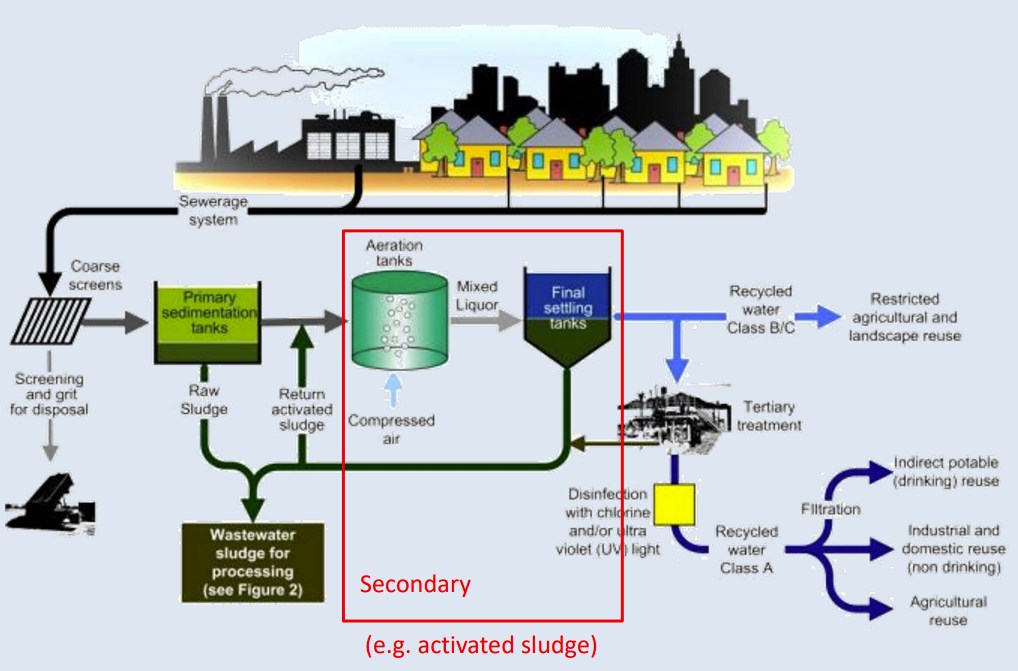
Wastewater treatment processes
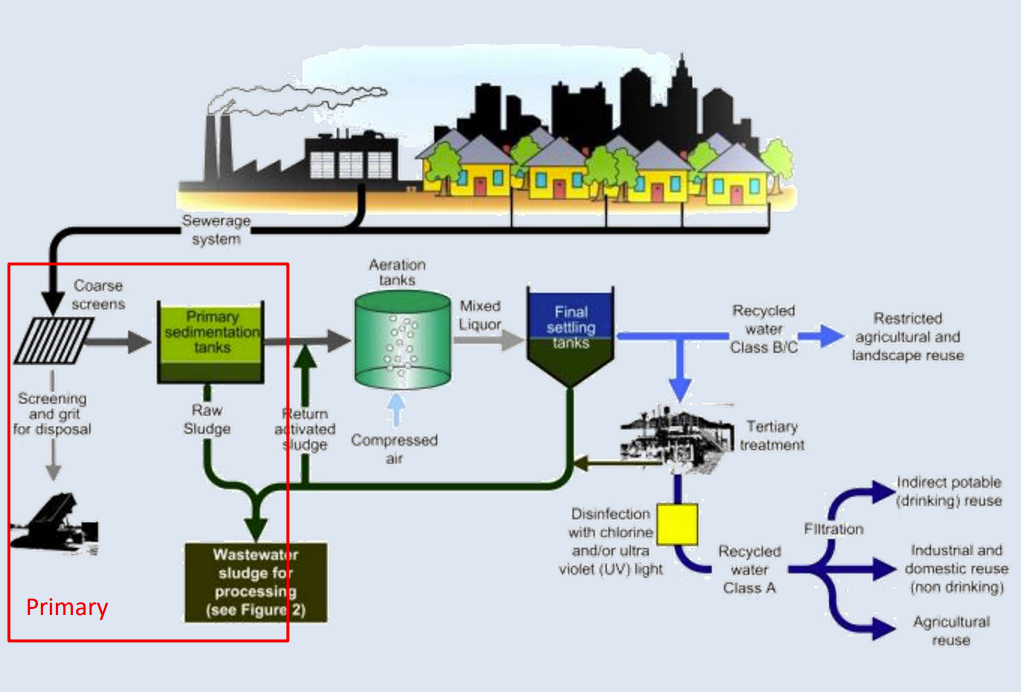
Primary and preliminary treatment
Objective is to remove solids, debris and coarse materials Reduced BOD: by 30-40%
Secondary treatment
Biological and physical processes. Objective is to speed up the biological degradation
Reduced BOD: by 80-90%
Tertiary treatment
Secondary effluent may be treated further to obtain a higher effluent quality
The treated wastewater and sludge must be disposed of safely (sludge is the semi-solid material left after the wastewater treatment process)
1. Primary and preliminary treatment:
uses physical processes such as screening and sedimentation
 2. Secondary treatment:
Different types of secondary treatment
1)Trickling filters
2)Rotating Biological contactors
3)Activated sludge treatment
4)Anaerobic digestion (also a type of sludge stabilisation)
Waste stabilisation ponds (lagoons)
Soil aquifer treatment
Artificial and constructed wetlands
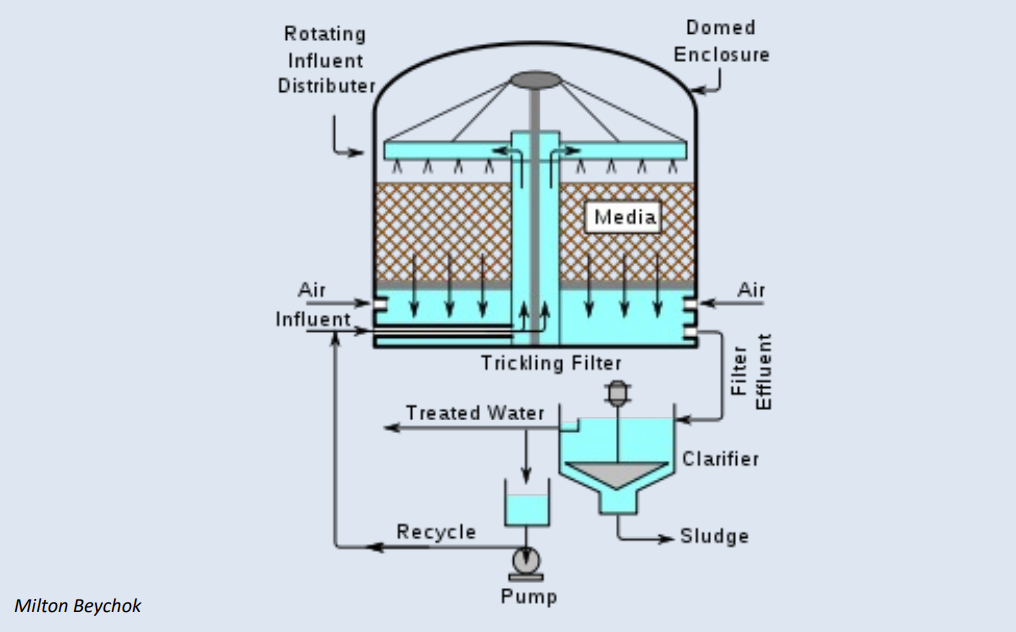
 Secondary Treatment: 1. Trickling Filter
A type of Aerobic Attached-Growth Process (developed 1900s)
Watertight basins filled with rocks or highly permeable plastic medium
Wastewater is trickled through medium and air diffuses up from bottom
Microbes attach to the medium to form a biofilm and degrade the organic matter in incoming water to reduce BOD
Second most common type of WWT
 Secondary Treatment 2. Rotating Biological Contactors (RBC)
A type of Aerobic Attached-Growth Process
Circular disks (PVC) that are submerged in the wastewater and rotated slowly through it
Biological growth forms a slime layer on discs; rotation maintains biomass in an aerobic condition
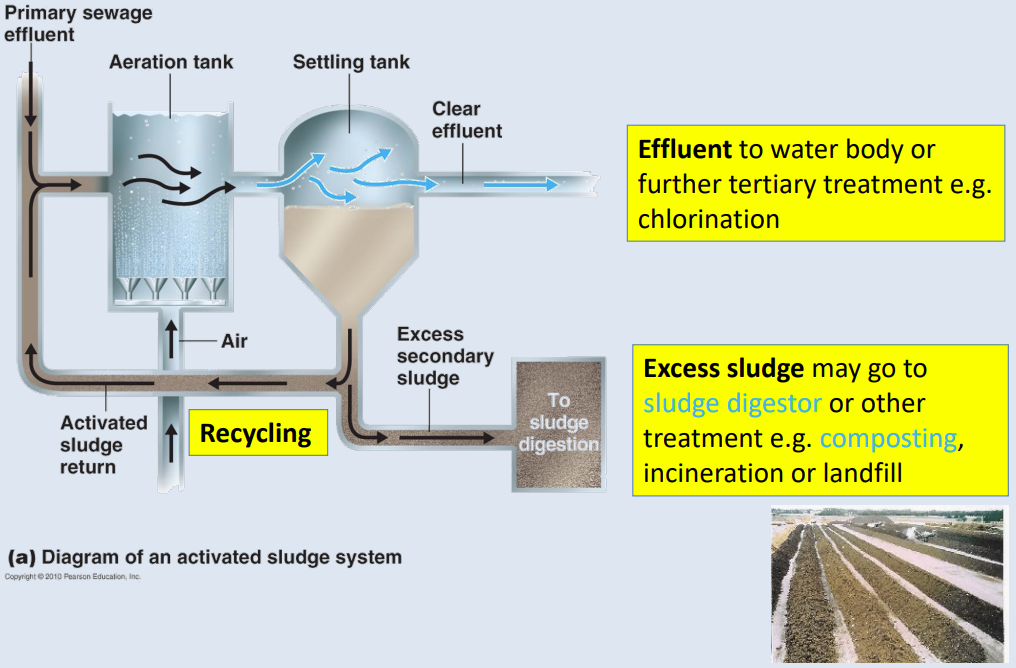
Secondary Treatment 3. Activated sludge wastewater treatment
A type of Aerobic Suspended Growth Processes (suspended biofilm)
The most common form of wastewater treatment (aerobic tank shown below)
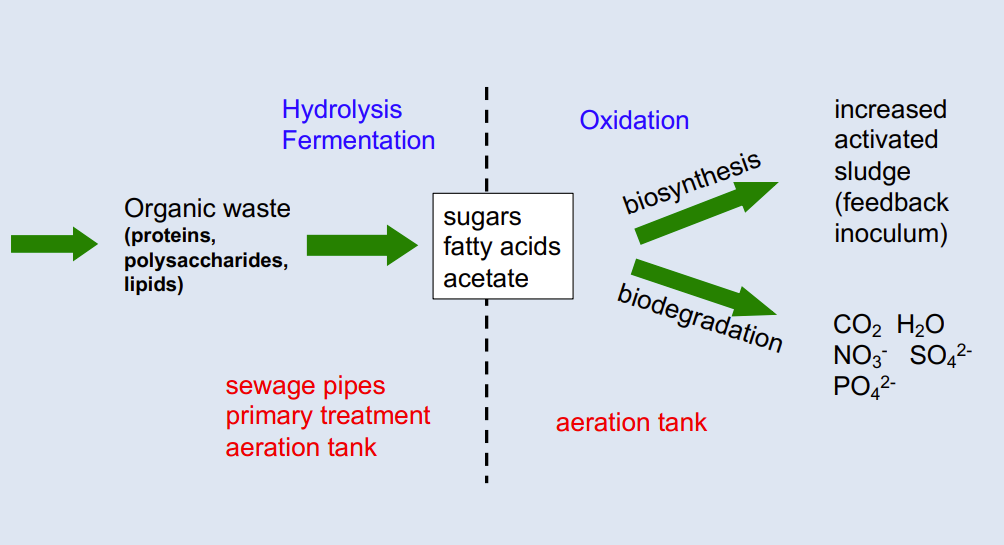
 Degradation of organic matter in activated sludge
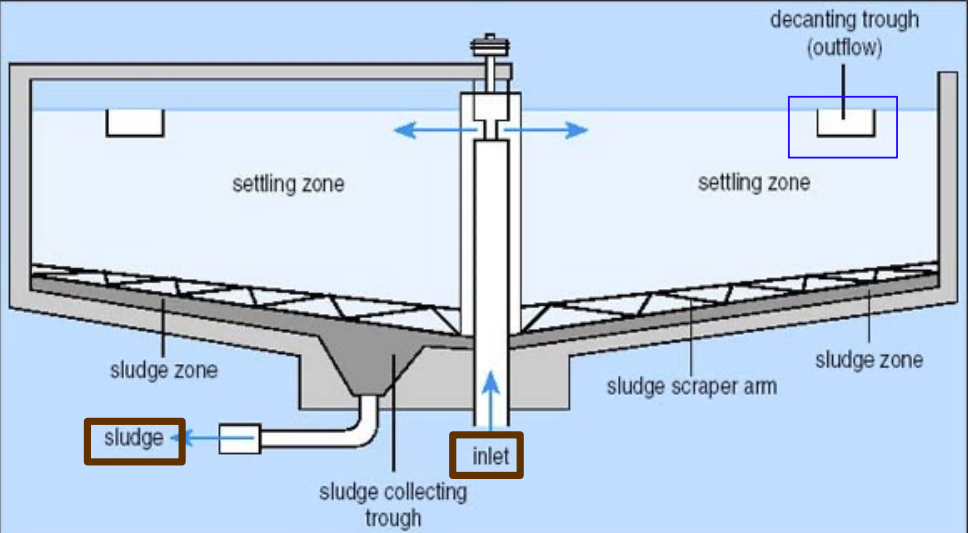
 Settling
Required for removal of solids from treated wastewater following the aerobic suspended growth processes
Sewage is mixed with a mixture of microorganisms called activated sludge.
The sewage and sludge are aerated to allow the microorganisms to break down organic matter.
This process, known as biological oxidation, converts pollutants into carbon dioxide, water, and more microorganisms.
The mixture then goes to a settling tank where the activated sludge settles to the bottom, forming sludge.
The treated water is separated from the sludge and discharged or further treated.
The sludge can be recycled back into the process or undergo further treatment.
Sludge processing
Sludge treatment and disposal is costly
Sludge from primary and secondary processes contains ~ 1-5% solids
Treatment of sludge involves thickening and dewatering by centrifugation and filtration
Results in sludge with a solids content of 20-40%
Dewatering is followed by stabilisation and final disposal of sludge
Sludge processing – Sludge stabilisation
The purpose of stabilisation is to break down the organic fraction of the sludge to reduce its mass, reduce odour and make it safer
Sludge is first dewatered, then processed by:
Anaerobic digestion
Composting
Sludge may be heat stabilised or lime stabilised and used as fertiliser
Incineration
Land fill
Sludge processing – Sludge stabilisation – Anaerobic Digestion (AD)
2.4 Anaerobic (anoxic) Sludge Digestion
Used as a form of secondary treatment or sludge stabilisation
A series of microbiological processes that convert organic compounds to CH4 and CO2 and reduce volatile solids by 35-60%
Carried out in the absence of O2 by Bacteria and Archaea
Uses CO2 as electron acceptor (anaerobic respiration)
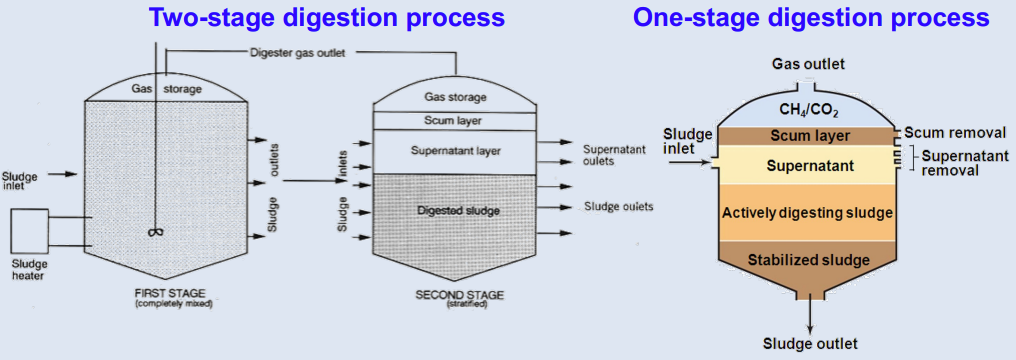
One-stage digestion uses single tank; sludge digestion and settling occur at the same time
Two-stage digestion process uses one tank for heating and mixing and a second for thickening and storage
CH4 produced can be used to generate electricity
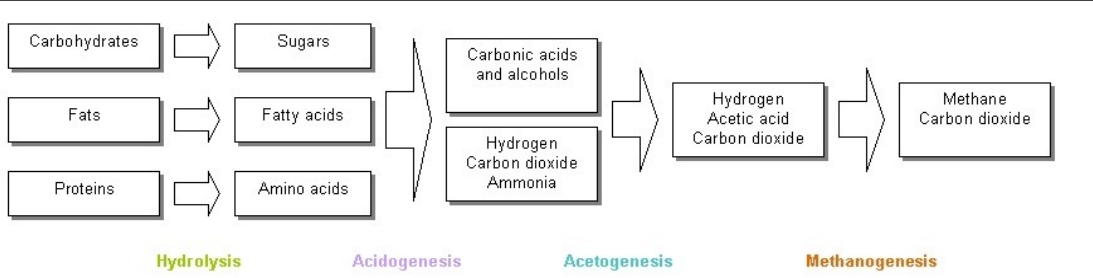
 Acidogenic bacteria carry out the initial stage: production of organic acids. Methanogenic bacteria convert the acids or CO2 and H2 to methane. These are are forms of Anaerobic Respiration
Sludge processing – Aerobic Sludge stabilisation – Composting
(a) Aerated static pile sludge is mixed with e.g. woodchips and is aerated for 20-30 days, then cured for a further 30 days dried and screened
(b) Windrow - pile is turned and mixed during composting Lasts 30-60 days
3.Tertiary treatment
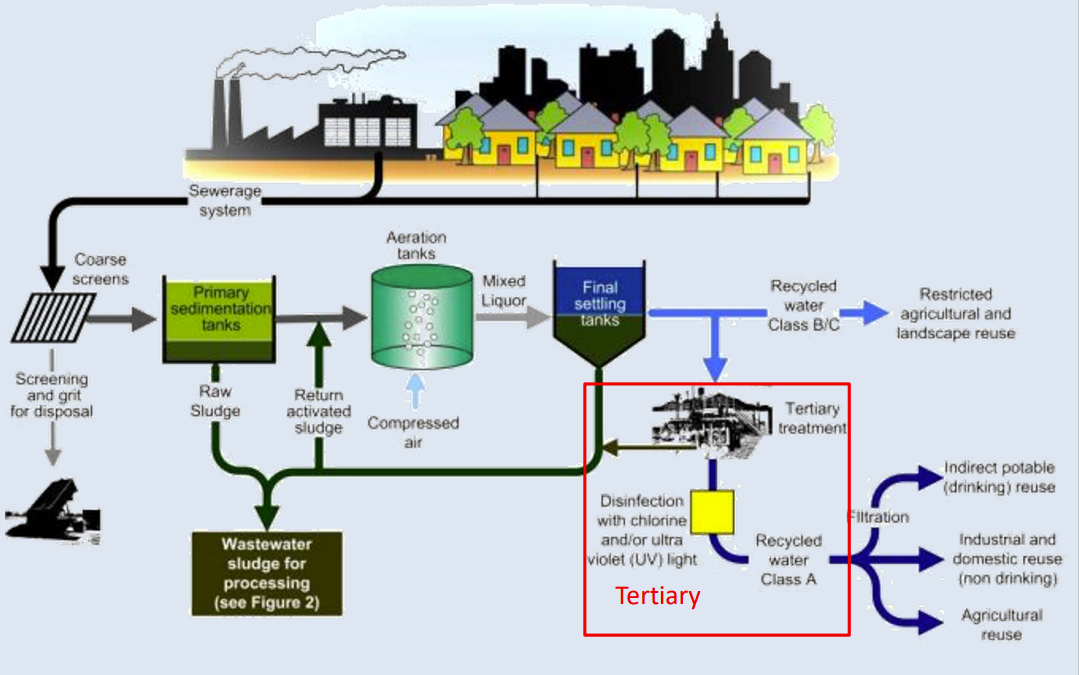 Disinfection →
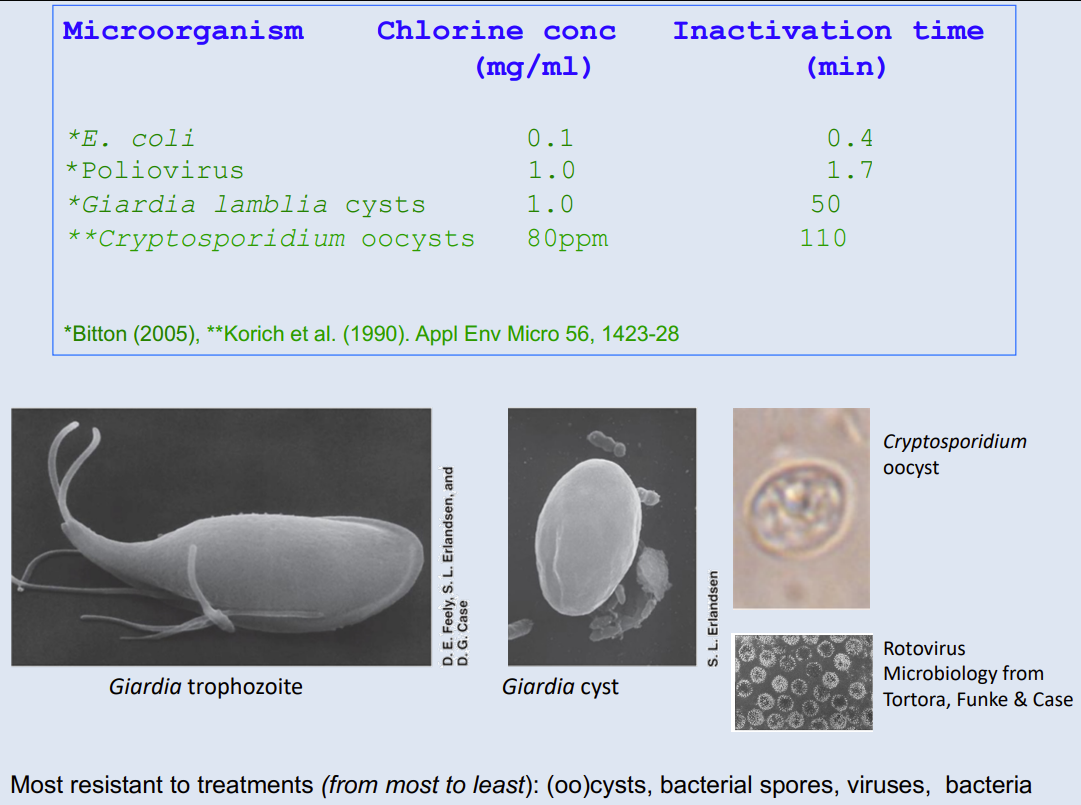
Chlorination and UV treatment most commonly used to disinfect secondary effluent (ozone is also used) where microbial contamination persists
(a) UV Disinfection
Wastewater is irradiated with UV light
Microbial inactivation is by DNA damage
UV treatment is an effective (though expensive) disinfectant
(b) Chlorination
Chlorine gas (Cl2) or chlorine dioxide (ClO2) is introduced to water to form hypochlorous acid
Cl2 + H2O ←→ HOCl + H+ + Cl-
Chlorine contact chambers are maze-like design to provide maximum contact time with the water
Pathogenic microorganisms in wastewater
Bacteria are the most numerous pathogens in wastewater; most common are Salmonella, Vibrio cholerae, Shigella; generally require a high dose to cause illness
Most frequent waterborne illnesses are caused by enteric viruses; shed in high numbers in faeces; not removed by filtration e.g. norovirus, rotavirus
Protozoa produce cysts and oocysts that can withstand harsh environments; are chlorine resistant e.g. Giardia, Cryptosporidium (most common waterborne infection in UK)
Helminths pose serious problems, particularly in developing nations e.g. Ascaris lumbricoides
 Tertiary treatment – Other treatments
Suspended Solids Removal
Often required to remove residual biological flocs from secondary effluent Wastewater is filtered through a porous medium (sand); solids are trapped in the medium
Precipitation of inorganics
Often carried out during secondary treatment
Chemical precipitates can are used to remove various inorganics e.g. phosphate
Al3+, Fe2+, Fe3+, Ca2+ form insoluble salts: AlPO4, FePO4 or Ca5(PO4)3OH
Soluble Al, Fe, Ca salts are added to the aeration tank in activated sludge
The precipitated salts are separated from the wastewater in the secondary clarifier and removed with the sludge
Salt dose is in the range of 1-3 metal : 1 P (molar ratio) and can lower effluent P levels to 0.5 mg/L
Wastewater Treatment Lecture 1: Summary
Overview of a typical wastewater treatment plant
Wastewater treatment requires removal of
Organic carbon, N and P, various contaminants, pathogens
Organics monitored by measuring
BOD, NOD, COD, total organic C, suspended solids, MLSS
Levels of treatment include
Preliminary and primary, secondary and tertiary
Secondary treatment
Aerobic growth by
(a) Attached biofilm or
(b) Suspended biofilm → activated sludge the workhorse of WWT
Sludge stabilisation
(a) Anaerobic digestion → series of digestive and fermentative reactions carried out by various microbes in anaerobic sludge digester – now also used as a type of secondary treatment or
(b) Composting → static pile or windrow
Tertiary treatment
Disinfection → e.g. chlorine, UV
Removal of suspended solids → filtration
Removal of inorganics → salt precipitation (may be done during secondary treatment