4. Adrenocorticoid Function
Anatomical Considerations
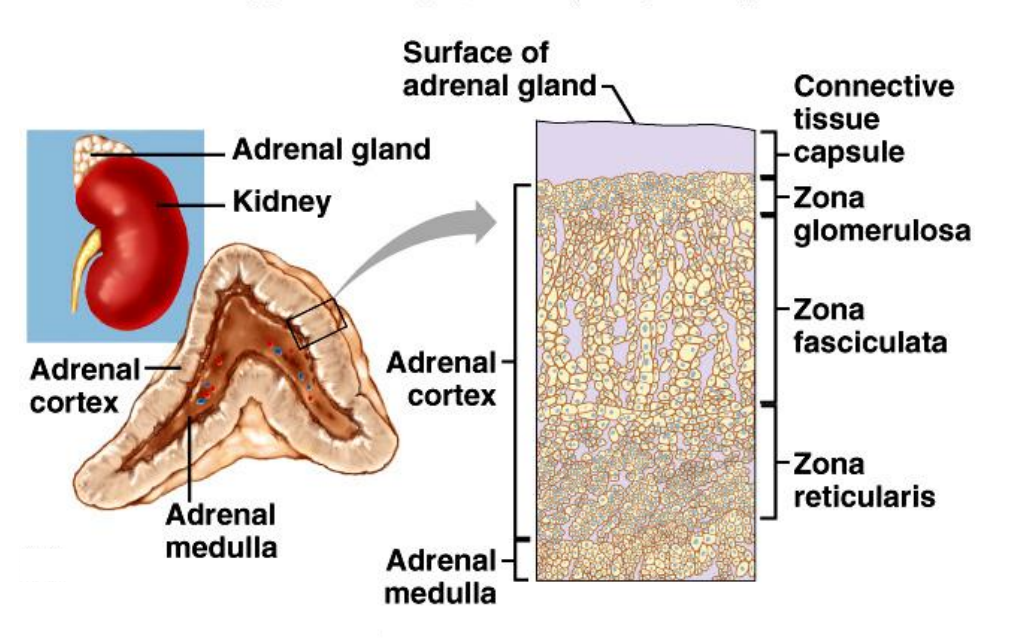
- Adrenal glands are bilateral structures located craniomedial to the kidneys
- Medulla – neuroectodermal origin – epinephrine and norepinephrine
- Cortex – mesodermal origin
- zona glomerulosa (arcuata) - mineralcorticoids
1. Aldosterone 2. Deoxycorticosterone
- zona fasciculata - glucocorticoids
1. cortisol 2. corticosterone
- zona reticularis - androgens
1. androstenedione
Steroid Nomenclature
- Cyclopentanoperhydrophenanthrene nucleus (3 six-carbon rings+single five-carbon ring)
Biosynthesis - Steroidogenesis
- Substrate:
- Exogenous and endogenous cholesterol
- Adrenal gland is enriched in receptors that internalize HDL and LDL
- Mitochondrion, endoplasmic reticulum
- 2 steroidogenic enzyme systems
Enzymes Systems
- Zona glomerulosa:
- mitochondrial cytochrome P-450CMO (corticosterone methyloxidase):
- corticosterone aldosterone
- Inner zones:
- microsomal cytochrome P-45017α (17- hydroxylase/lyase):
- 17α-hydroxylation of pregnenolone, progesterone
Transport
- 10% of total blood cortisol and corticosterone in free form
- 70% bound to transcortin (corticosteroid-binding globulin, CBG)
- 20% bound to albumin
- Aldosterone bound to albumin
Metabolic Breakdown and Excretion of Cortisol
- Only unbound cortisol is filterable in glomerulus
- 80% reabsorbed
- 20% excreted in the urine
- Cortisol is cleared from the plasma with a half-life of 60min
- In dogs about 60% of infused cortisol is eliminated within 24 hr in urine
- 11β-hydroxylation: cortisol → cortisone
- Reduction of ring A to tetrahydro derivatives
- Reduction of the 20-keto group to a hydroxyl
- Conjugation with glucuronic acid to form glucuronidates
Inactivation 11-β-Hydroxysteroid Dehydrogenase
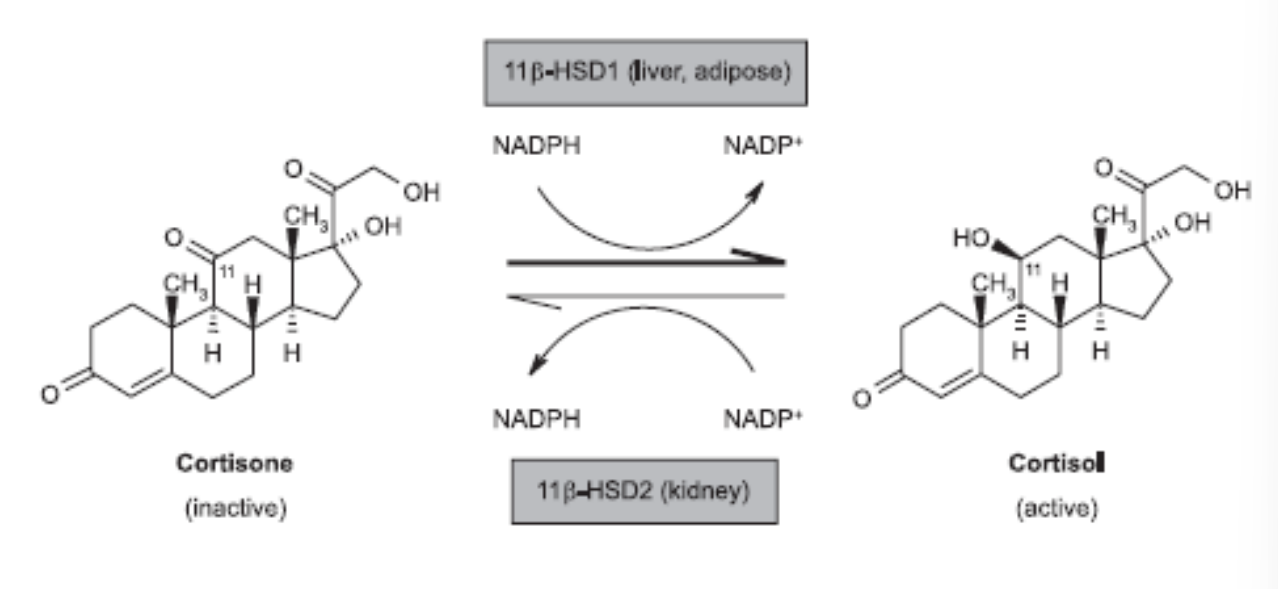
Biotransformation of Cortisol
cortisol → dihydrocortisol → tetrahydrocortisol → tetrahydrocortisol-glucuronide → urine
Metabolic Breakdown and Excretion of Aldosterone
- Aldosterone is converted to:
- Tetrahydroaldosterone-3-glucuronide
- Aldosterone-18-glucuronide
Regulation of Secretion of Aldosterone
- ACTH: steroidogenic activity of the 2 inner zones of the adrenal cortex
- Rapid stimulation of steroidogenesis via adenylate cyclase → activation of PK A → phosphorylation of enzyme: conversion of cholesterol to pregnenolone
- Na+,K+: production of aldosterone by zona glomerulosa
- K+ - direct regulation
- Na+- renin-angiotensin
Physiology of Adrenocortical Hormones
Actions - Glucocorticoids
- Naturally occurring:
- cortisol – most potent
- cortisone
- corticosterone
- Synthetic analogues more potent than cortisol:
- prednisone
- prednisolone
- dexamethasone
- triamcinolone
- As steroid hormones: transcription factors
- Synthesis of key enzymes of gluconeogenesis:
- fructose-1,6-biphosphatase
- glucose-6-phosphatase
- pyruvate carboxylase
Actions - Adrenal Androgens
- Pathologic excess of adrenal androgens might induce virilization = development of masculine secondary sex characteristics in the female or immature male
- Horse:
- equine hyperadrenocorticism → clitoral enlargement
Actions - Mineralcorticoids
- Volume and cationic composition of ECF by regulating of Na+-K+ balance
- Action on tubular apparatus of kidney, gut, salivary glands, sweat glands
- Exchange of Na+ with K+ and H+
- Excretion of Mg2+, NH4+
Circadian Variation, Stress and the Immune System
- Sleep
- In humans (monophasic sleep): secretory bursts between midnight and early morning
- Non-primate mammals (polyphasic sleep): circadian variations
- Cat (nocturnal animal): circadian rhythm – the highest levels in the evening and the lowest in the morning
- Stress and the Immune System
- Stress activate the pituitary-adrenocortical system
- Factors: housing, lactation, exercise, surgery, anaesthesia, heat, emotional strain, anticipation of feeding
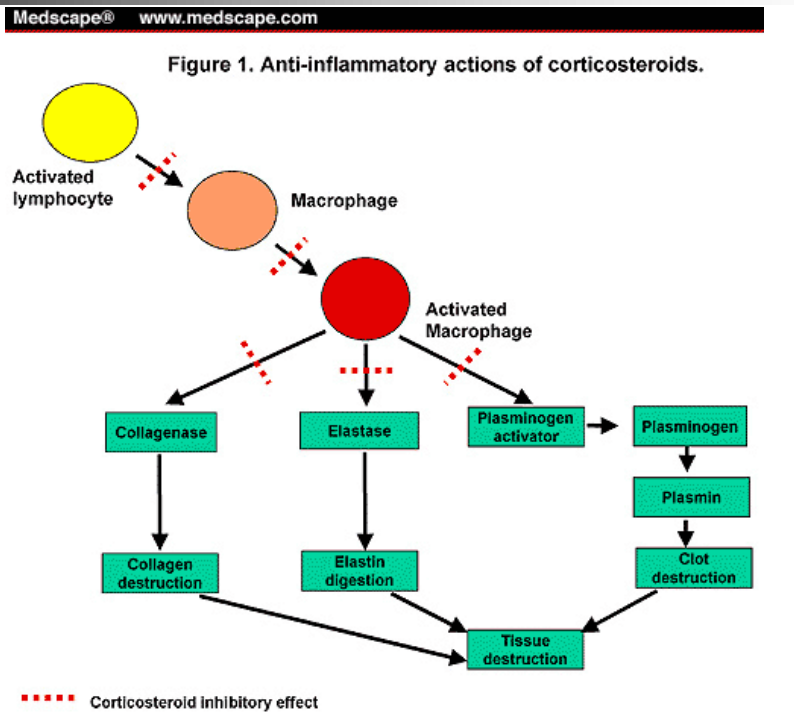
- Glucocorticoids modulate the mediators of immune system as the different lymphokines and mediators of inflammatory reactions: prostaglandins, leukotrienes, kinins, serotonin, histamine
Interaction of the Neuroendocrine System and the Immune System
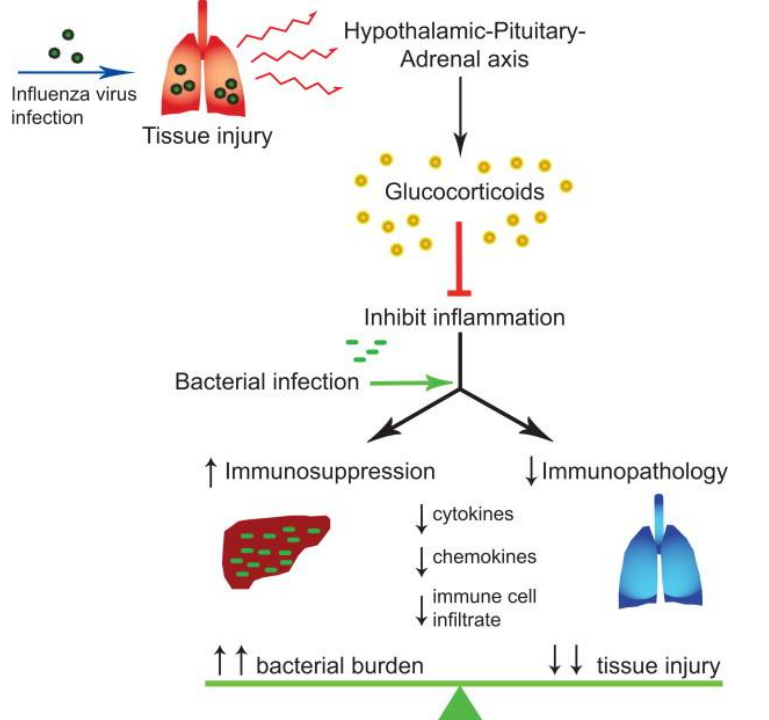
- Bidirectional communication
- Feedback circuit: immunoregulatory cytokines act as afferent and ACTH and glucocorticoids as efferent hormonal signals
- Injury → production of cytokines → activation of pituitary-adrenal axis → glucocorticoid production → inhibition of immune mediators
Adrenocortical Diseases
Hypoadrenocorticism
- Primary hypoadrenocorticism (Addison´s disease) – deficiency of both glucocorticoid and mineralocorticoid secretion
- Secondary hypoadrenocorticism – pituitary ACTH deficiency causing decreased glucocorticoid secretion
- Animals receiving long-term corticosteroid treatment despite hyperadrenocorticoid changes, develop adrenocortical insufficiency because of prolonged hypothalamo-pituitry suppression – atrophy of the two inner zones of the adrenal cortex
Hyperadrenocorticism
- 3 clinical syndromes of hyperfunction:
- Mineralocorticoid excess (Conn´s syndrome): human
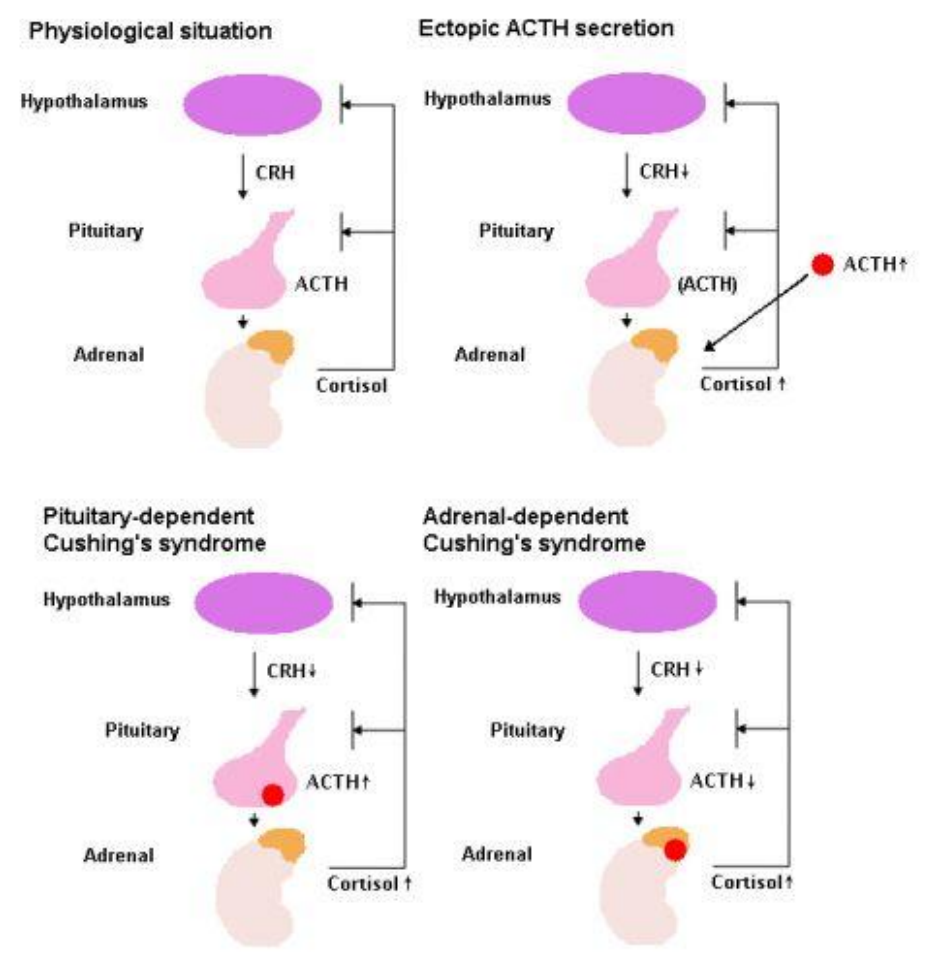
- Glucocorticoid excess (Cushing´s syndrome): human, dog, cat, horse
- Cushing´s disease in dogs - two forms:
- pituitary dependent hyperadrenocorticism
- adrenal-based hyperadrenocorticism
- certain changes in dog’s behavioir: eating and scavenging for anything to eat, excessive water drinking, changes in skin and fur, frequent urination (especially in the house)
- Causes
- very complicated disease with older, geriatric dogs
- excess level of cortisone
1. Pituitary gland tumour, the most common cause. The tumour causes an overproduction of ACTH which will stimulate the adrenal cortex and causes more production of cortisol 2. Adrenal gland tumours are less common than the pituitary gland tumor. The adrenal gland tumor is located in (one or both of) the two small adrenal glands. The hormone located here regulates water balance and electrolytes. The cause of tumors in this area can be due to injury, infection, or autoimmune deficiencies 3. Medication-caused Cushing’s: Allergy medications can cause Cushings disease in dogs and this condition can be fully reversed. The dog will be prescribed steroid medication that will be tapered off. Recovery should take a few months. Diagnosis by your vet should be arranged if your dog is experiencing any of the symptoms discussed. * Diagnostics * A complete blood count (CBC) * Urinalysis and bacterial culture of urine * Urine cortisol-creatinine ratio * Abdominal ultrasound exam and x-rays * MRI of the brain * ACTH stimulation test * Clinical Signs * Extreme water consumption followed with excessive urination (in the house as well as outside). * Appetite is severely increased – raids garbage in the house or out; pulls foods down off kitchen counters * Potbelly appearance (abdominal enlargement) * Sores or lesions developing on body- you will notice if your dog requires frequent grooming * Hair loss or thin skin * Treatment * Cushing’s disease in dogs, if not treated can cause diabetes, nervous system disorders, pancreatitis, eye infections, ear infections, or heart disease. * Conventional treatment: Lysodren which limits the glands ability to produce excess cortisol. Put on gloves when touching the Lysodren to avoid absorption through the skin. * Managing a diet: raw chicken with cooked white rice, boiled chicken with the cooked rice, cooked carrots. But stay away from commercial dog foods because they contain too many preservatives. * Cushing’s in horses * long, thick and curly coat * abnormal shedding * lethargy * narcolepsy * poor hair coat * laminitis * excessive drinking * excessive urinating * weight loss * increased appetite * recurrent infections
- Androgen excess (adrenogenital syndrome): human
Assessment of Adrenocortical Function
Routine Laboratory Diagnostics
- Primary hypoadrenocorticism: ↓ aldosterone – hyponatremia, hyperkalaemia, hypovolemia – prerenal uraemia,
- Hyperadrenocorticism: eosinopenia, lymphopenia, leucocytosis, erythrocytosis, alkaline phosphatase, ALT, hyperglycaemia, hyperlipidaemia, low T4, glycosuria
Tests of Basal Function
- radioimmuno-assay (RIA)
- cortisol production rate-radiolabelled cortisol
- plasma corticoids
- urinary corticoids
- salivary cortisol
- cortisol in milk
- plasma ACTH
Dynamic Tests
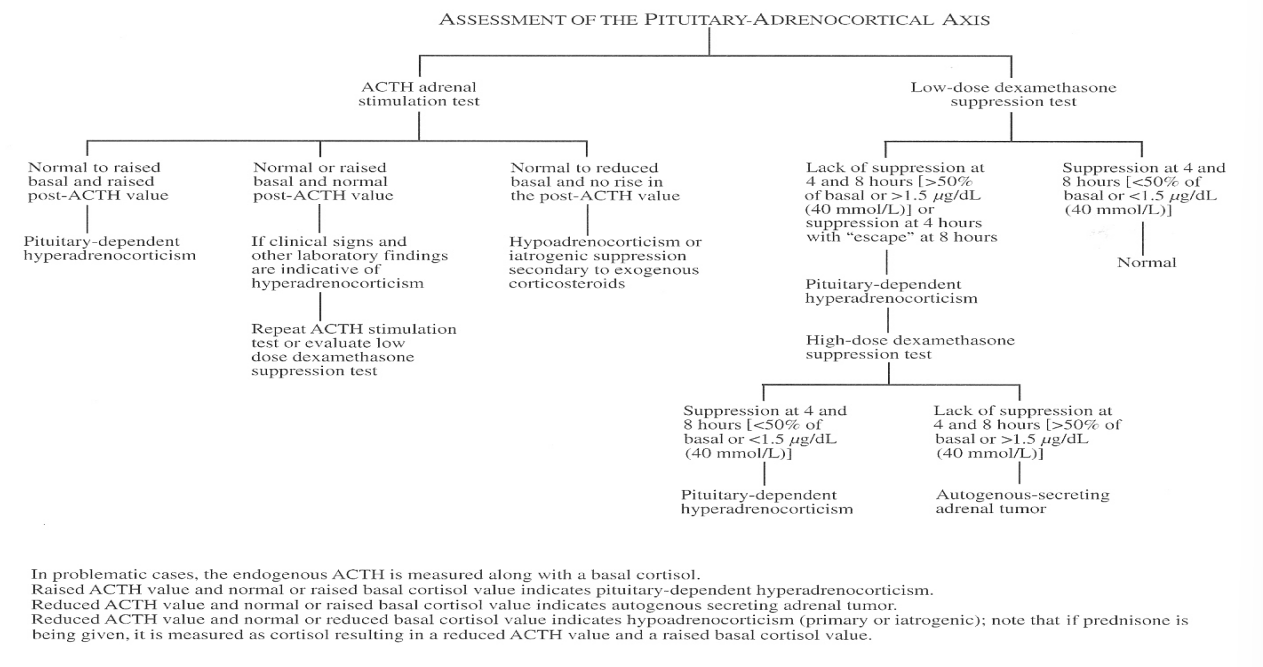
- ACTH stimulation test (Addison´s disease)
- Low-dose dexamethasone suppression test
- High-dose dexamethasone suppression test
- corticoids creatinine ratio
Assessment of the Pituitary-Adrenocortical Axis