Female Reproduction
Female Reproductive System
What the female Reproductive System Does:
- Productions of female sex hormones;
- Estrogen and progesterone
- Creates and stores the female reproductive cell;
- Ovum
- Houses and nourishes offspring from conception to birth
- Nourishes a newborn
Female Puberty;
- On average a female will start puberty around the age of 8
Puberty event:
- Growth of breast: 8-13 years old
- Growth of pubic hair: 8-14 years old
- Body growth: 91/2-141/2 years old
- First menstration: 10-181/2 years old
Ovum: (ova is plural)
- The female sex cell
- The creation of an ovum is known as oogenesis (egg creation)
- At birth, all eggs given to a female are already created and stored in the ovaries.
- There are around 300,000 to 400,000 immature eggs for each female. Only about 400 of the eggs will actually be released during ovulation
- Ne egg matures and is released each month from puberty to menopause
Oogenesis:
- Oogenesis begins while the female is still in the womb
- Meiosis is a two part process, Meiosis I and Meiosis II
- The oocyte (egg) undergoes meiosis I up to prophase I in the womb. Then the process is stopped temporarily
- Once the female reaches puberty, a small clutch of these oocytes will proceed to through meiosis up to metaphase II
- At this point, they wait until ovulation so they may complete the entire meiotic process.
Puberty:
- However one oocyte will only produce one egg cell instead of 4 cells as in spermatogenesis. The primary oocyte is larger than the other 3 cells or polar bodies. This unequal size is caused by the location of the metaphase place in the dividing female germ cell.
- Instead of the chromosomes lining up in the exact middle of the cells, the chromosome line up in the the “off center”, which causes the cell to divide in uneven sizes. The larger part becomes the “primary” egg.
Ovulation:
- Ovulation is the process of releasing a mature ovum into the fallopian tube each month
- The ovaries take turns, the right ovary will release an ovum one month and the left will release one the next month. This usually causes discomfort to the female because the egg “explodes” out of the ovary when released. A female is most fertile the day of and the day after ovulation.
Ovary:
- Female sex glands (gonads) that store the ova and produce the female sex hormones
- They are about the size of an unshelled almond
Fallopian Tubes (oviduct):
- Tubes with fingerlike projections (fimbriae) at the end that pull in the released ovum
- The ovum is pushed through the tube by cilia and muscle contractions
- THis is the sight of fertilization if sperm is present as the egg moves through the tube
- It takes 4-7 days after fertilization for the zygote (fertilized egg) to reach the uterus. An unfertilized ovum will degenerate.
Fimbriae:
- These fingerlike projections are at the end of the fallopian tubes. They will move to create a current drawing the released ovum into the fallopian tube.
Uterus:
- A hollow muscular pear shaped organ that houses and nourishes a fertilized egg through birth
- A fertilized egg will implant itself into the side of the uterus eventually cresting the placenta which nourishes the fetus
- A uterus can grow up to times its normal size during pregnancy
Endometrium:
- Lining where the fertilized egg implants
- Endometriosis- a condition in which cells similar to the lining of the uterus, or endometrium, grow outside the uterus
Cervix:
- The bottom of the uterus consists of the cervix. It connects to the vagina and allows sperm to enter the uterus and trave;s up to the fallopian tube.
- The cervix helps to keep the unborn baby in the body until it is ready to be born
- It will open to be about 10 cm in diameter during birth
Vagina:
- A muscular, elastic passageway that extends from the uterus to the outside of the body.
- It releases menstrual fluids.
- Serves as a birth canal during birth
- The vagina is slightly acidic to prevent the growth of pathogens
Breast:
- Titties are mainly fat and the mammary ducts contain milk to nourish the newborn and provide an immune system
Nipple:
- Milk is released from the breast
- Become erect during sexual arousal
Menstrual Cycle:
- In a mature female the uterus prepares for pregnancy in a cycle of thickening and shedding of the endometrium. This cycle usually lasts about 28 days but can be longer or shorter. The first day of menstruation( the shedding of the uterine lining) is considered the first day of the menstrual cycle. The menstrual cycle is usually 3-7 days long. 14 days into the cycle, ovulation occurs. This is the height of a female’s fertility. 14 days after ovulation, if the implantation of a fertilized egg has not occurred, the cycle starts over and menstruation occurs.
PMS:
- The menstrual cycle is determined by the rise and fall of female hormones (Progestins and estrogen). The week before menstruation occurs, the hormone levels drop severely which can cause tender breasts, mood swings, fatigue, and food cravings. A healthy diet and anti-inflammatory medication (Advil) can help relieve symptoms.
Menstrual cramps:
- During menstruation, the uterus contracts to help move the shedding of the endometrium out. This can become painful. Light exercise, Advil and applying a heating pad can help to relieve symptoms.
Toxic Shock Syndrome:
- A rare but serious bacterial infection caused by the use of tampons. This infection attacks the immune system and lives. It can have fatal symptoms including fever, vomiting, diarrhea, a sunburn like rash, red eyes, dizziness, and even muscle aches. Use a tampon with the lowest absorbency and never exceed the 8 hour limit.
Yeast infection:
- A yeast infection can cause itching, burning, and discharge in and around the vagina. It is caused by the overgrowth of yeast in the vagina. An antifungal can help kill the infection.
PID:
- An infection of the fallopian tubes, ovaries, and surrounding areas of the pelvis. It can damage the female’s reproductive organs. PID is usually caused by a sexually transmitted infection.
Problems related to infertility:
- Cervical, Uterine, and ovarian cancer
- There is a genetic link for cancers of the reproductive system. STI’s such as the human papillomavirus (HPV) are related to increased incidence of cervical cancer.
Care for the female reproductive system:
- Breast Exam:
- Breast cancer is the the most common cancer and second leading cause of death amon women.
- Monthly breast exams are key to early detection of breast cancer, preferably on the first day of your menstrual cycle (lumps etc are most active then)
- Pap Smear
- A pelvic exam is essential to the health of women. Starting around 16-18 (especially if sexually active) females should receive a pelvic exam every year. During the exam the doctor will check for any abnormalities in the vagina,cervix, uterus and ovaries. The doctor will check for sti”s and cervical cancer.
Pregnancy and infant development:
- Placenta- cool research i found
- An organ that develops in the uterus during pregnancy. This structure provides oxygen and nutrients to a growing baby. It also removes waste products from a baby’s blood. The placenta attaches to the wall of the uterus and the baby’s umbilical cord arises from it.
- Placenta previa
- Occurs whenq babys placenta partially or totally covers the cervix- the outlet for the uterus. Placenta previa can cause sevre bleeding during pregnancy and delivery.
- Bed rest is reccomended, a ceaserean section is often needed.
- Preeclampsia is a serious blood pressure that developes during pregnancy
- Preeclampsia usually begins after 20 weeks of pregnancy in a women whose blood pressure had been normal.it can lead to serious, even fatal complications for both mother and baby. There may be no symptoms. High blood pressure and protein in the urine are key features.
Stillbirth and Miscarriage:
- MIscarriage is the spontaneous loss of a pregnancy before the 20th week. About 10 to 20% of known pregnancies end in miscarriage
- A still birth is the death of a baby in the womb after week 20 of the mother’s pregnancy. The reasons go unexplained for ⅓ of the cases. The other ⅔ may be caused by problems with the placenta or umbilical cord, high blood pressure, infections, birth defects, or poor lifestyle choices.
SIDS:
- Sudden unexplained infant death is a term to describe the sudden and unexpected death of a baby less than a year old in which the cause was not obvious before investigation. These deaths often happen during sleep or in the baby’s sleep area. About 3,400 babies in the United states dies suddenly and unexpected each year, a throrugh investigation is neccessary to determine what cause these deaths.
Multiple Births:
- Twins can occur either when two separate eggs become fertilized in the womb or when a single fertilezed egg split into two embryos. Twins that occur from 2 eggs are called fraternal and identical twins devlople from egg that splits.
- The exact reason why one egg splits, is still a mystery. Over the yearsthere has been a lot of research and time into finding out why. Ultimately the reason is that teh egg splits is a malfaxtion of the natural conception process.
Embryo development
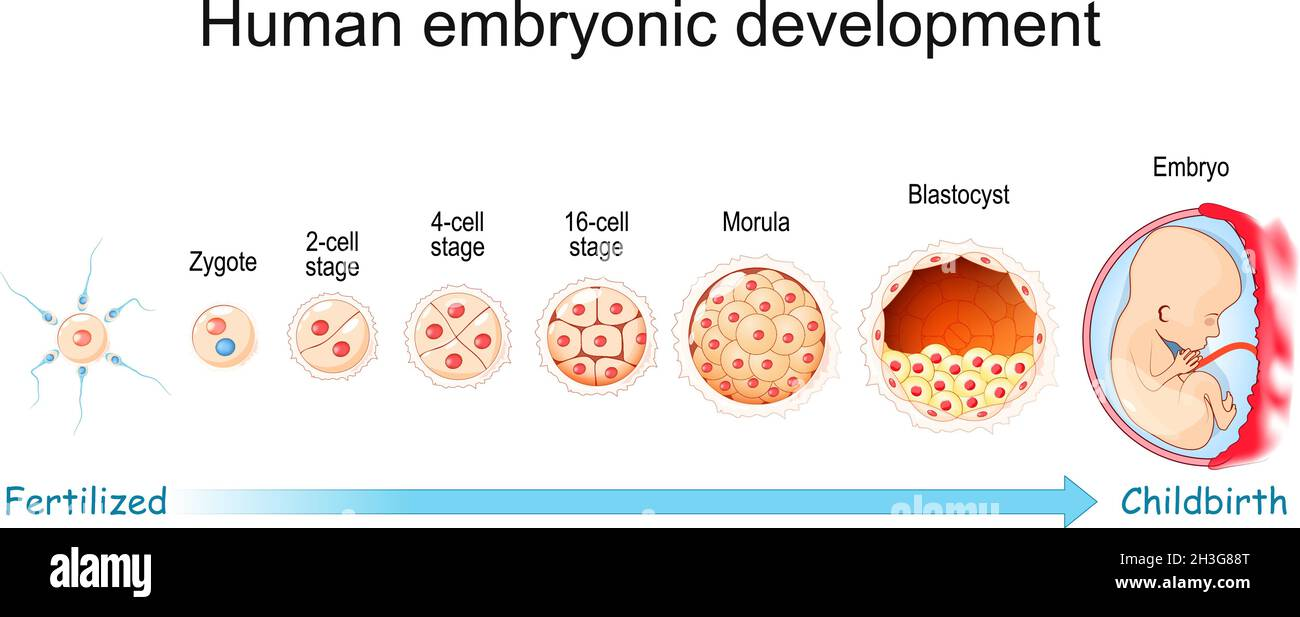
What we need to label and know
- Skeleton +Brain (irreg, short,long,flat, tendon,ligaments,joints(mobile,immobile)
- Muscles
- Heart
- Vagina
- Cns
- Pns
- Lactic acid
- Blood
- Brain:
- Labeling lateral view
- Chemical+ electric synapse
- Neurons, efferent( motor),afferent(sensory), immnerunons
- Connections: neuron+neuron, neuron+glands, neurons+muscle
Link to flashcards: