Chapter 10
- A wild-type human genome sequence does not exist
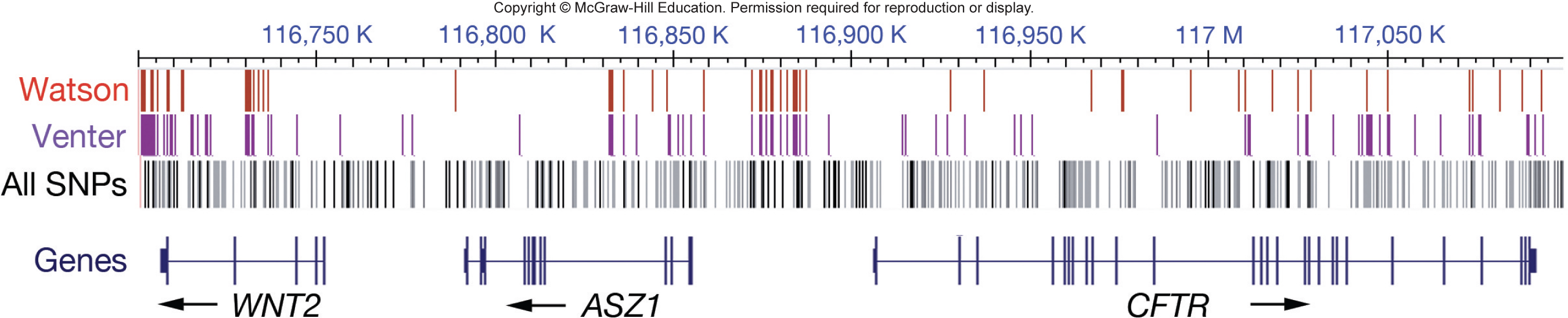
- The genome sequences of only 3 people reveal over 5 million DNA polymorphisms
- DNA polymorphisms: sequence differences
- Most polymorphisms do not influence phenotype
- codons make up less than 2% of the human genome
- many mutations in codons don’t change the amino acid
- many deleterious mutations disappear from the population through natural selection
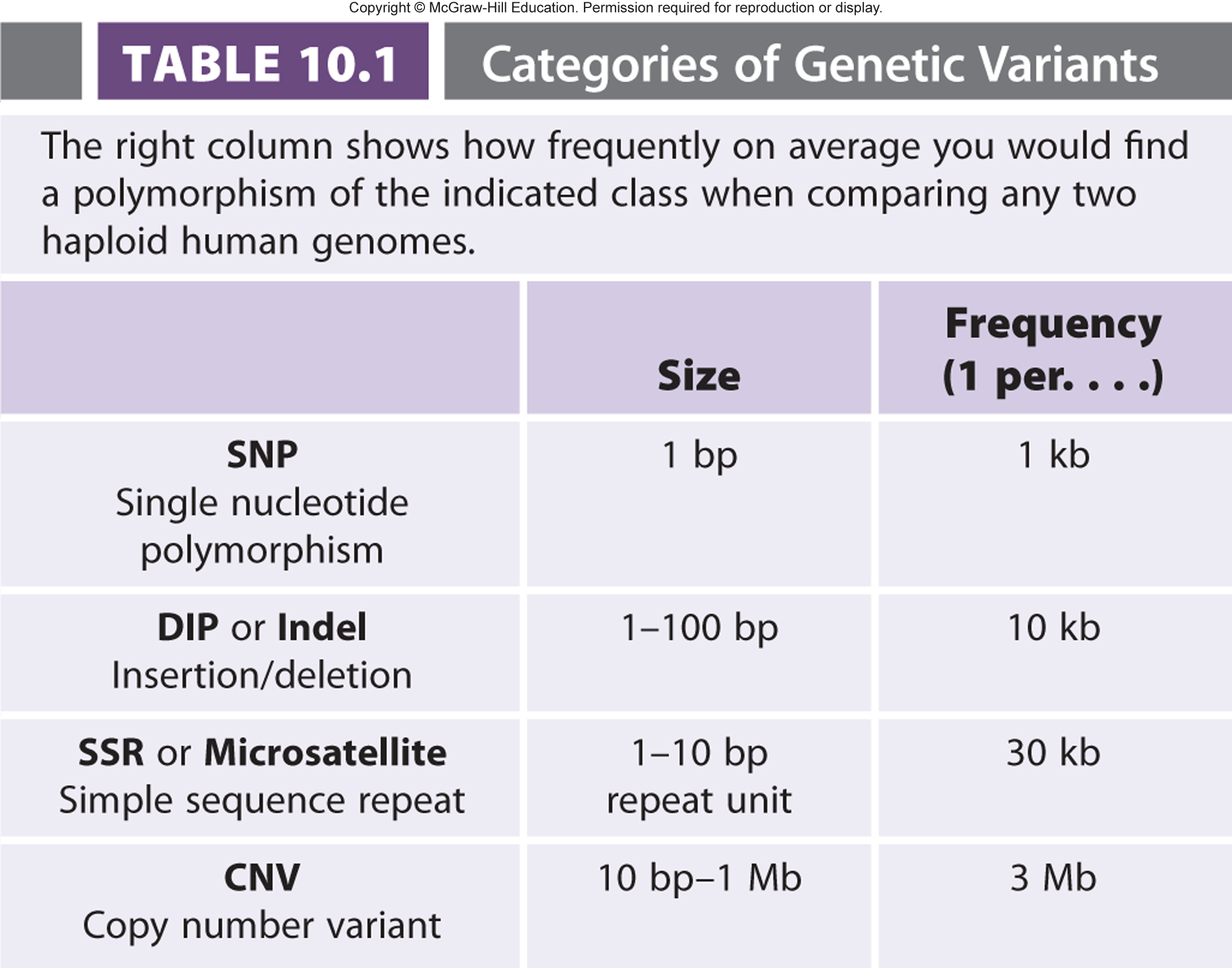
- Four categories of genetic variation
- single nucleotide polymorphisms: only 1 base pair changes
- deletion-insertion polymorphisms (DIPs): short insertions or deletions of a single or a few base pairs
- simple sequence repeats (SSRs or microsatellite): 1-10 base sequence repeated 15-100 times in tandem
- copy number variants (CNVs): large bocks of duplication or deletion with population frequency of <1%
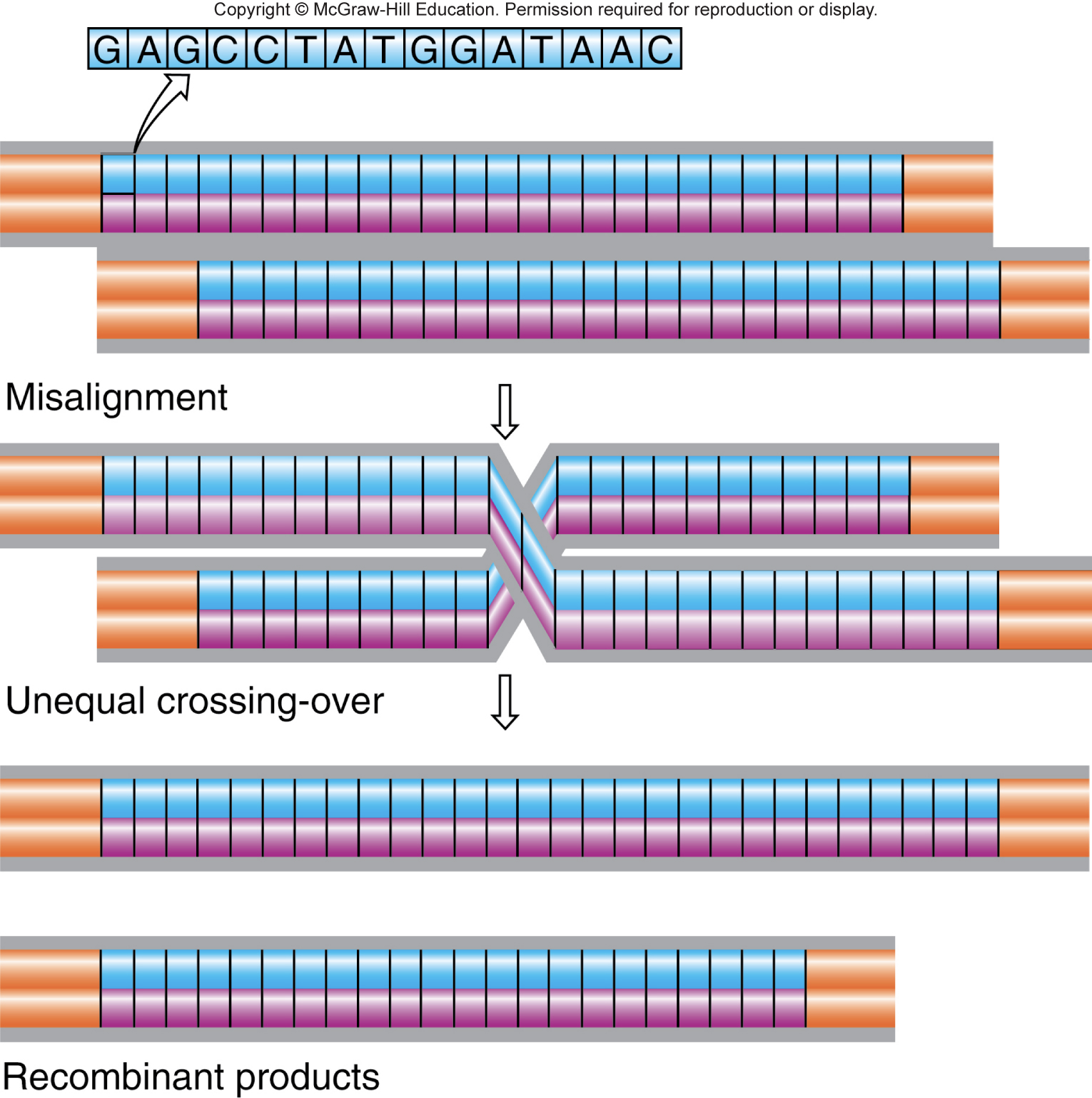
- Unequal crossing-over produces new alleles of copy number variants (CNVs)
- CNVs are tandem sequence repeats more than 10 bp long
- Misalignment during meiosis leads to unequal crossing over
- not a common event, so most CNVs are inherited, rather than being a new mutation
- Determining genotype depends on isolating a gene and analyzing the alleles
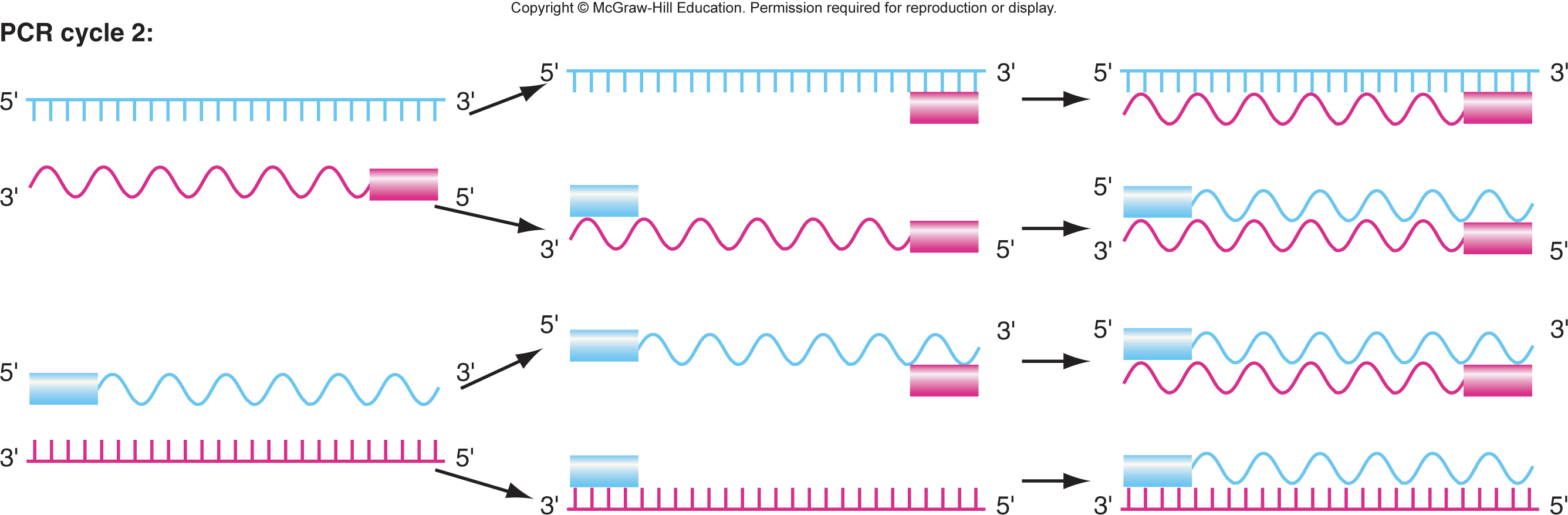
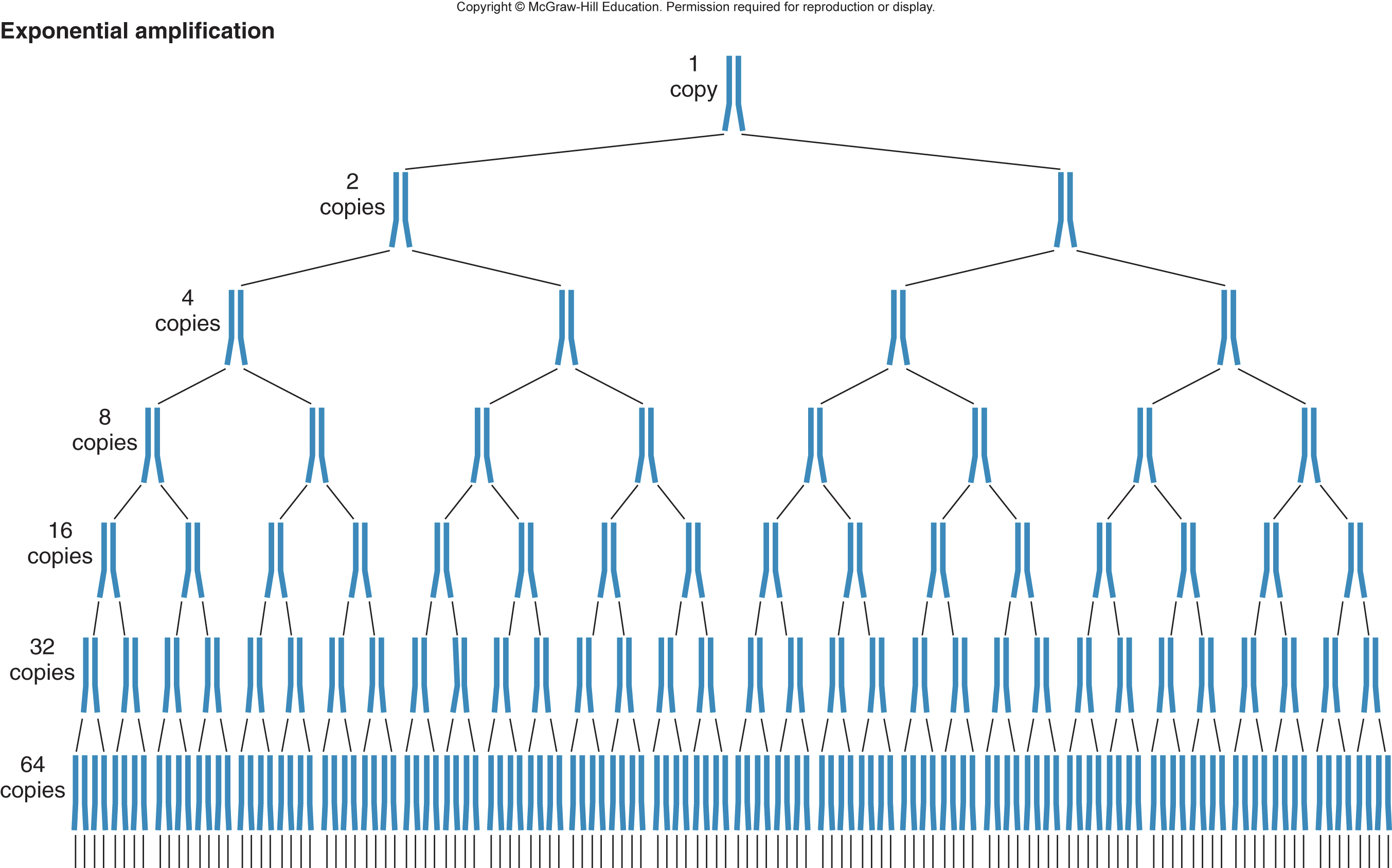
- Polymerase chain reaction (PCR): method of making many copies of a target region of DNA
- PCR was first developed in 1985 by Kary Mullis
- PCR is a faster, less expensive, and more flexible way to amplify specific fragments of DNA (compared to molecular cloning)
- PCR is extremely efficient- can amplify DNA from a single cell or from some archaeological samples
- Two oligonucleotide primers define the target region
- one oligonucleotide primer is complementary to one strand of DNA at one end of the target region
- the other oligonucleotide primer is complementary to the other strand of DNA at the other end of the target region
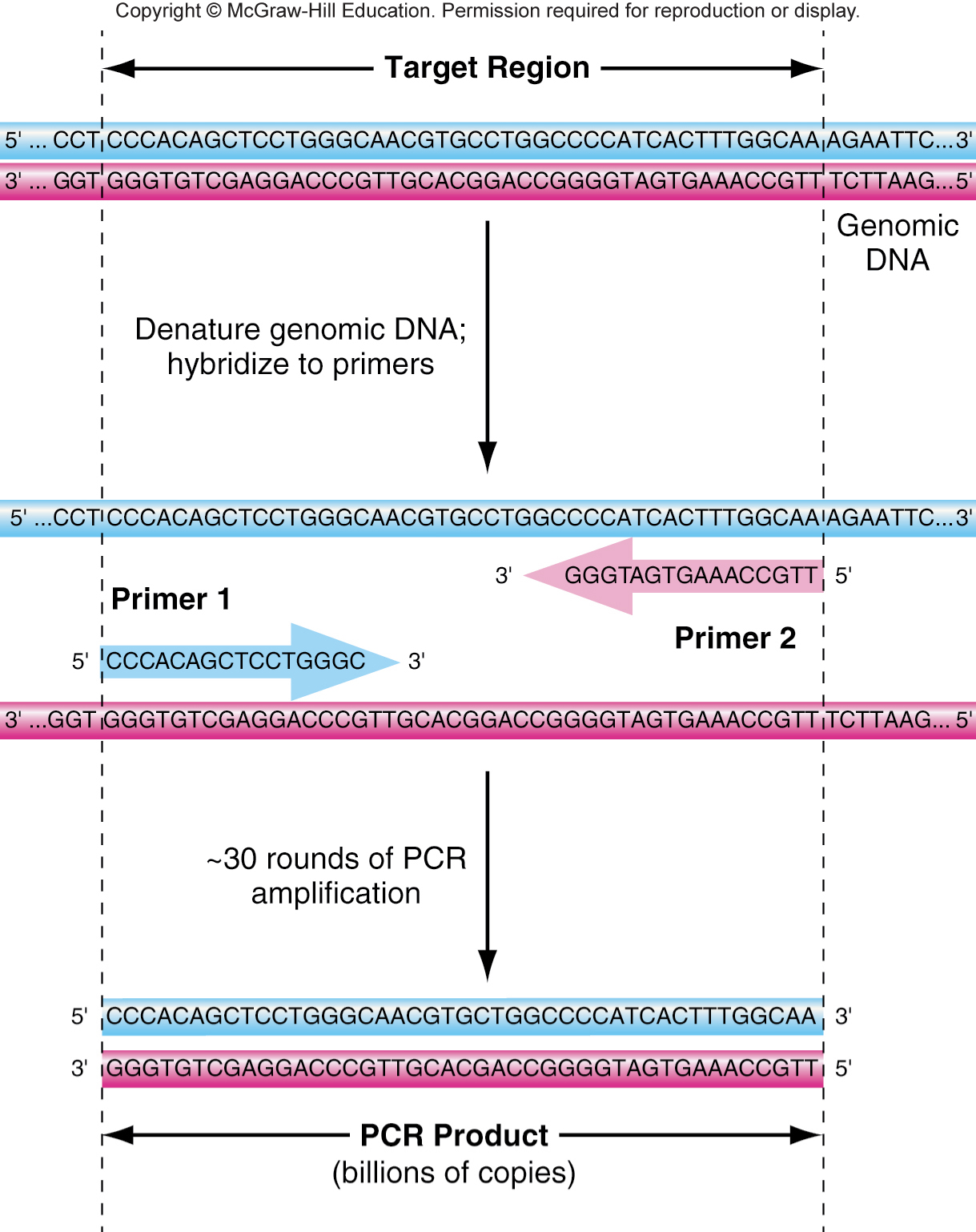
- Three steps of PCR: Denature strands, Base pairing of primers, Polymerization from primers along the templates. Repeated multiple times.
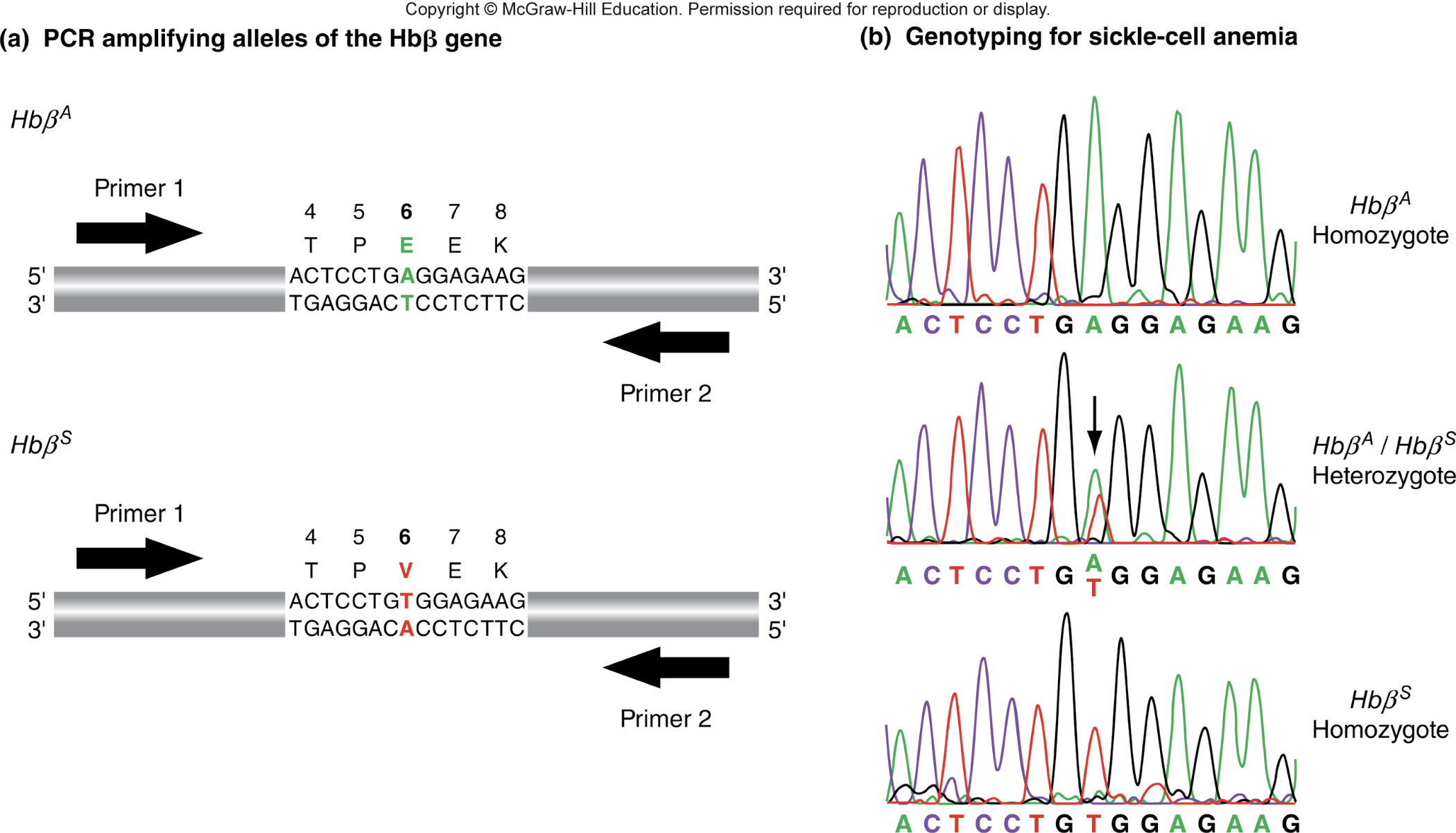
- Determining genotype by sequencing PCR products
- sickle cell anemia is caused by a SNA in the HbB gene, chromosome 11 (glutamic acid - GAG, valine - GTG
- genotyping can identify carriers and homozygous individuals
- Determining genotype by PCR product size
- target regions containing SSRs or DIPs can be amplified by PCR
- PCR products vary in size
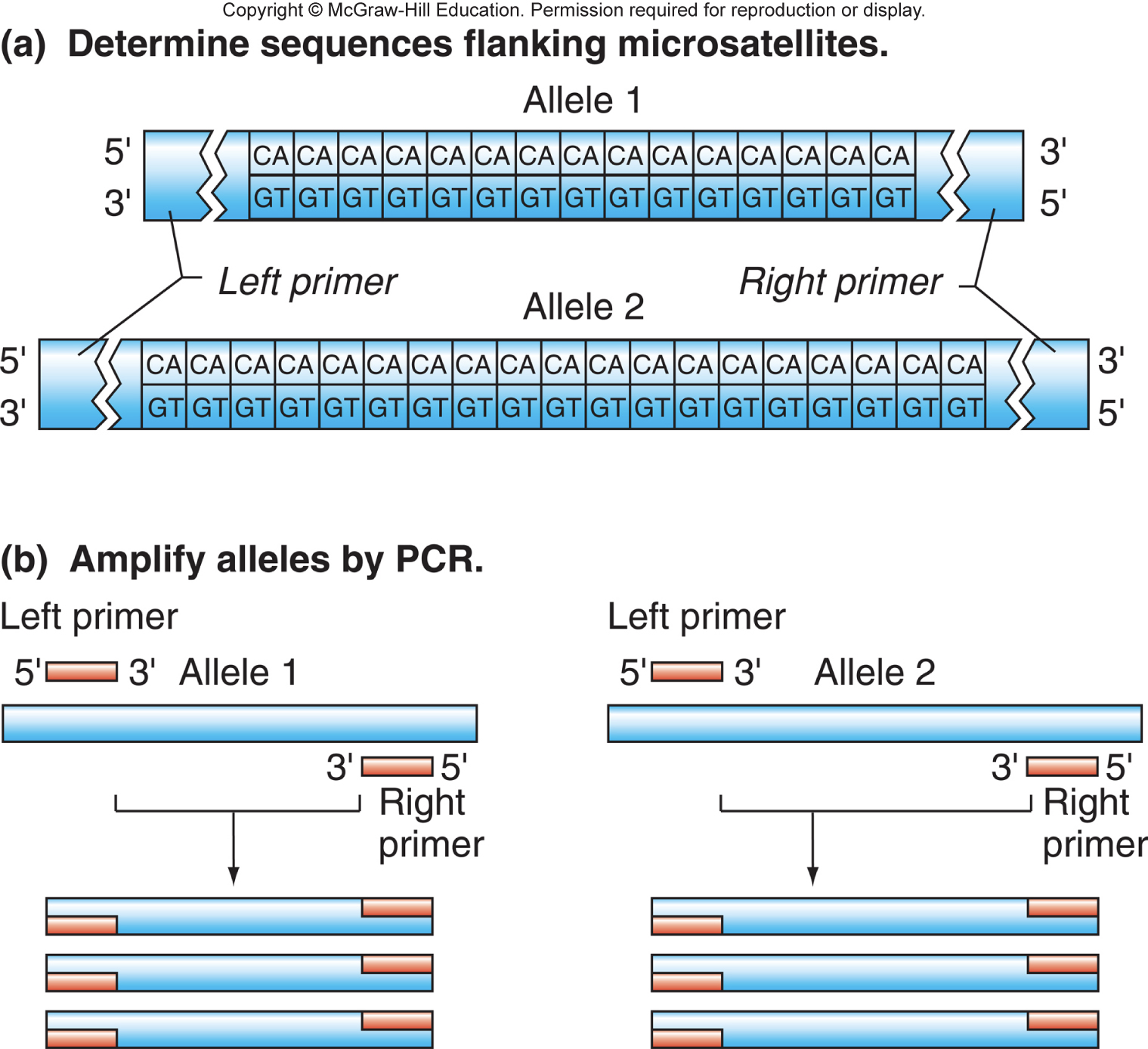
- size variations from PCR can be detected by gel electrophoresis
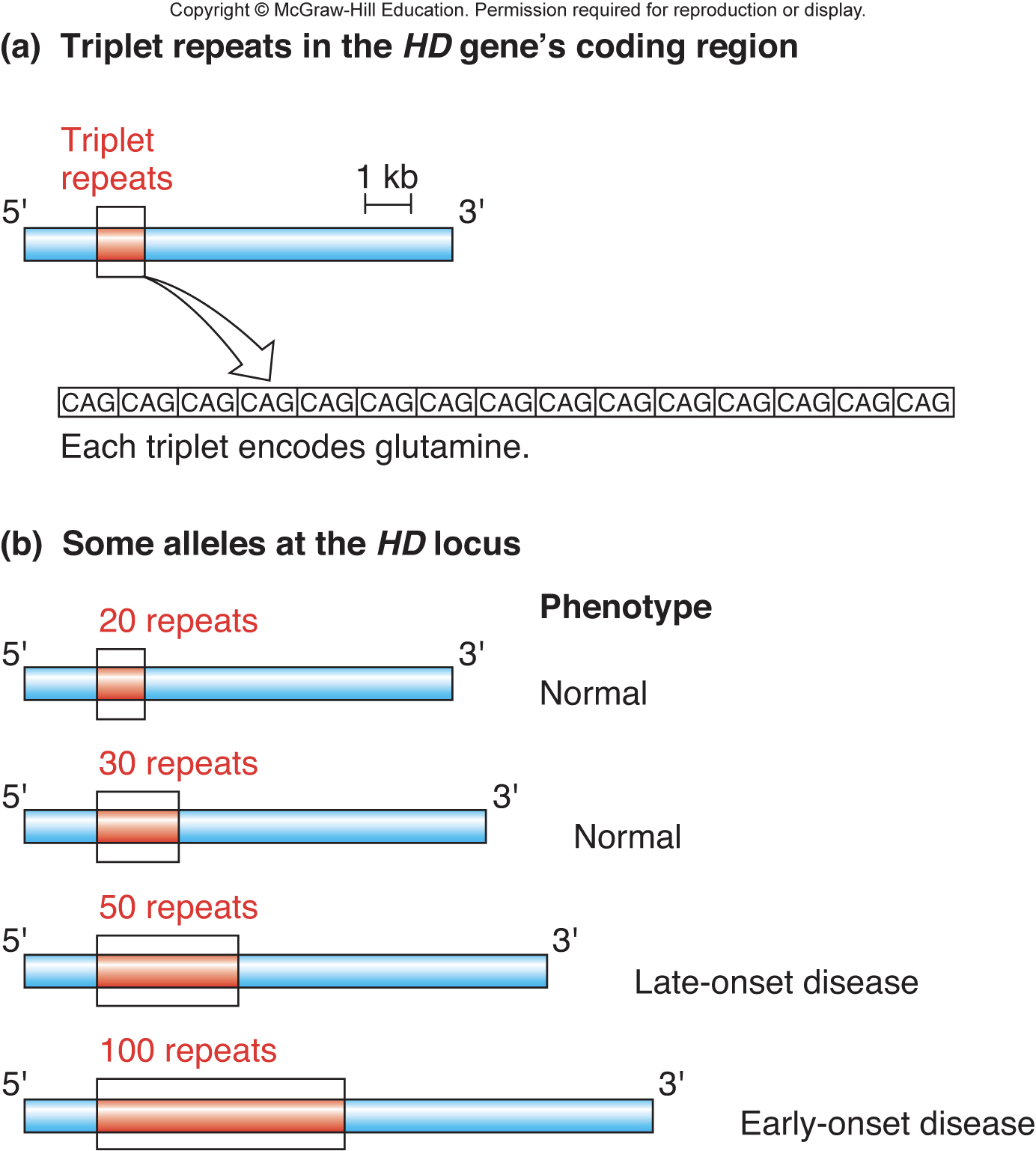
- Analysis of the Huntington’s disease locus by PCR
- Huntington’s disease is an autosomal dominant disorder
- In Huntington’s, normal allele has <34 CAG repeats
- disease-causing alleles have 42 or more CAG repeats in Huntington’s
- \
- Fetal and embryonic cells can be genotyped using PCR
- Prenatal genetic diagnosis: genotypic fetal cells isolated by amniocentesis (getal cells in amniotic fluid extracted using a needle)
- Preimplantation embryo diagnosis: utilizes in vitro fertilization and PCR to genotype embryos before placing in womb
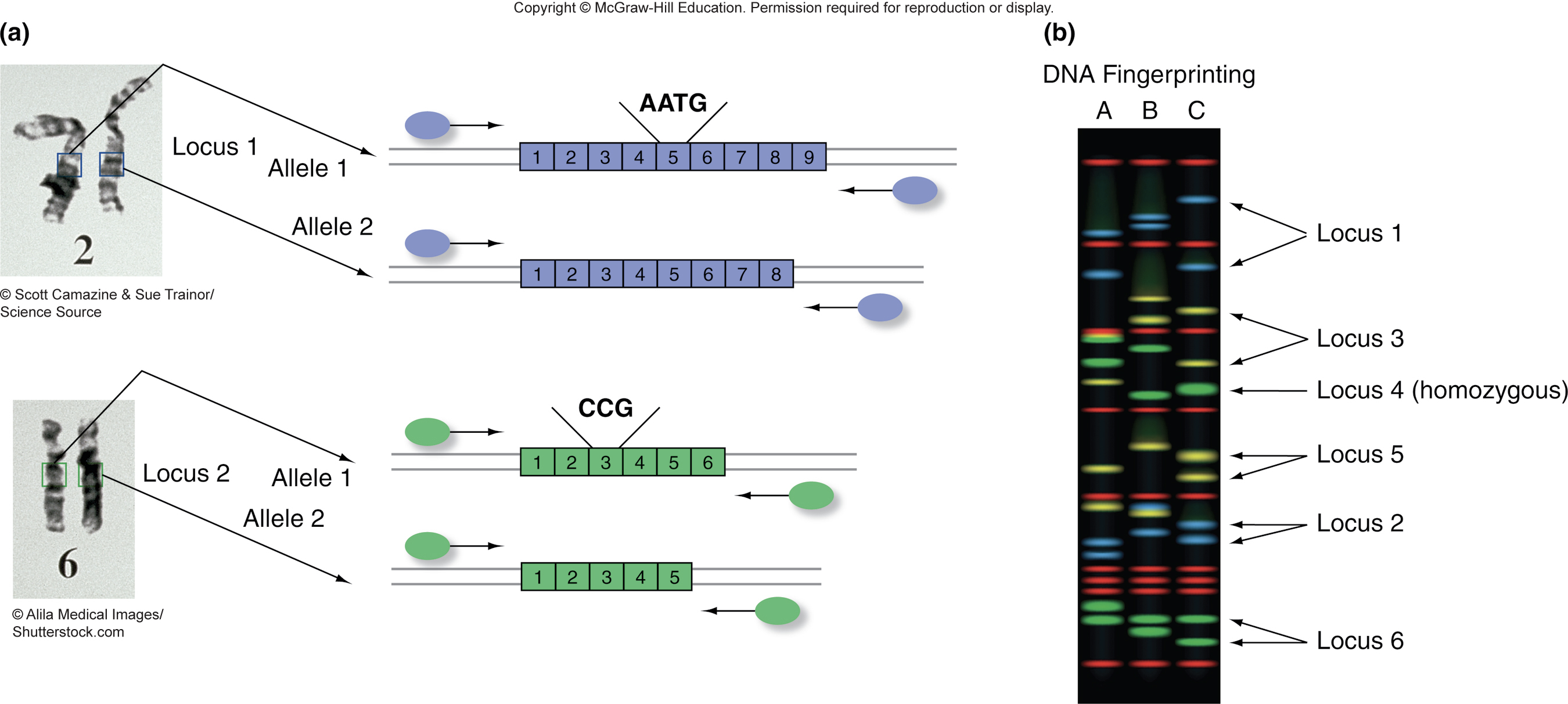
- Forensic DNA fingerprinting
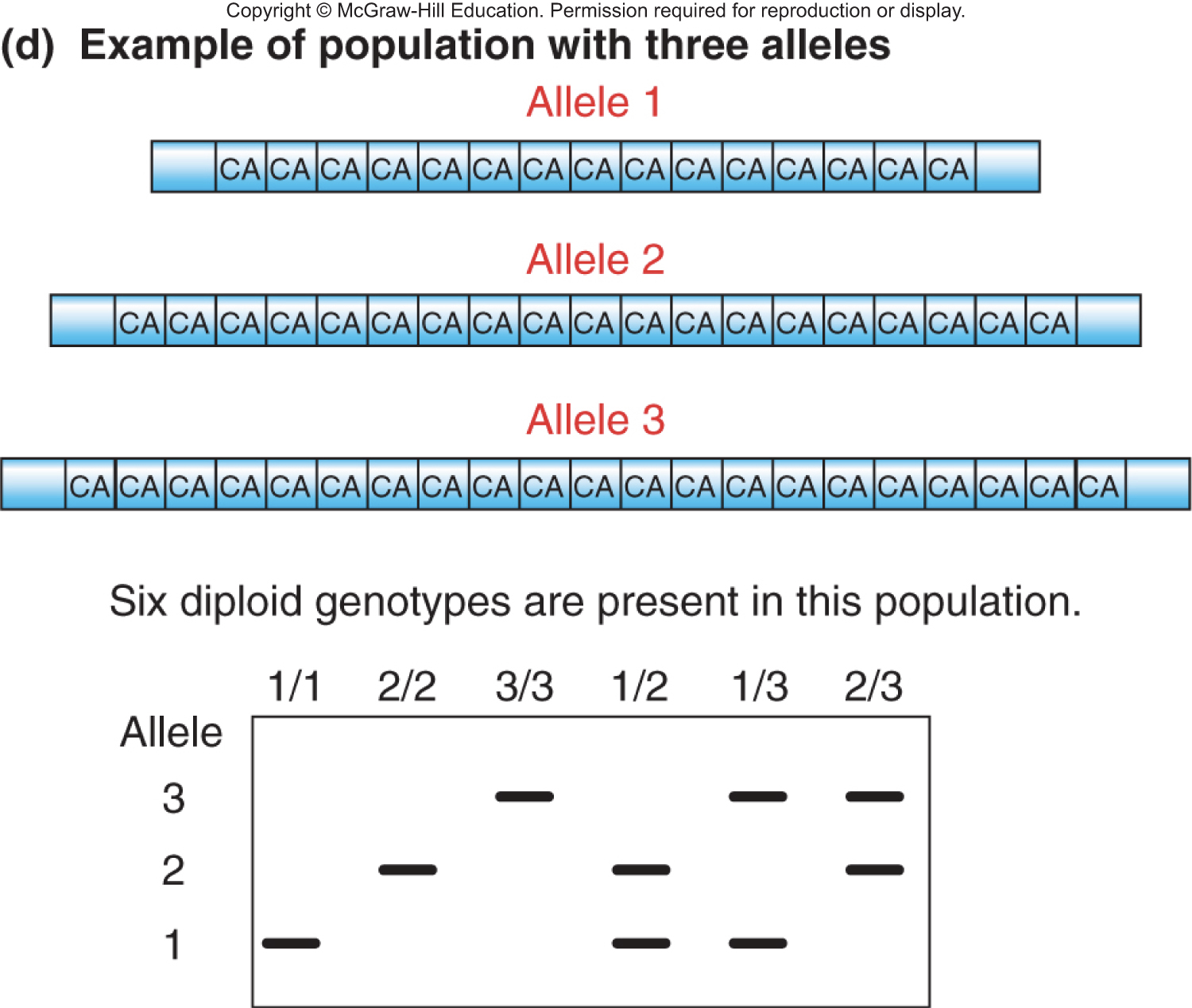
- STR loci are highly polymorphic: many alleles exist in the population and an individual person carries only 2 alleles at a given locus
- Genotype is discovered through PCR at many STR loci: 20 pairs of PCR primers are labeled with fluorescent dyes, the probability that 2 people have the same alleles at 20 STR loci is very remote
- CODIS database is maintained by the FBI: Data from all 20 STR loci can match DNA from crime scene to a person, or can establish innocence
- Multiplex FCR is used fro DNA fingerprinting
- Short hybridization probes can distinguish single-base mismatches
- Hybridization of short (<40) oligonucleotides to sample (target) DNAs (allele-specific hybridization)
- In hybridization, if no mismatch between probe and target, hybrid will be stable at high temp
- In hybridization, if there is mismatch between probe and target, hybrid will not be stable at high temp
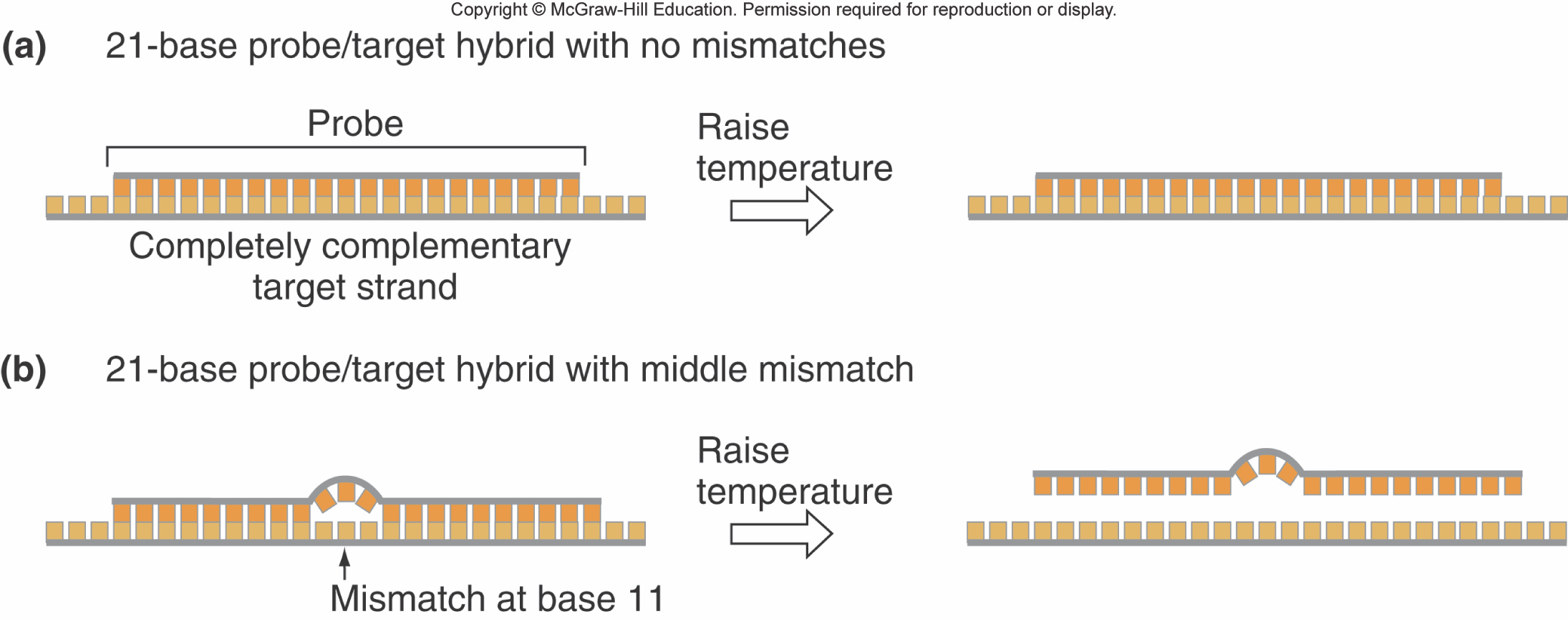
- Hybridization probes are used on microarrays for genotyping
- allele-specific oligonucleotides(ASO) are attached to a solid support (like a silicon chip)
- two oligonucleotides are shown here, but many are put on one array
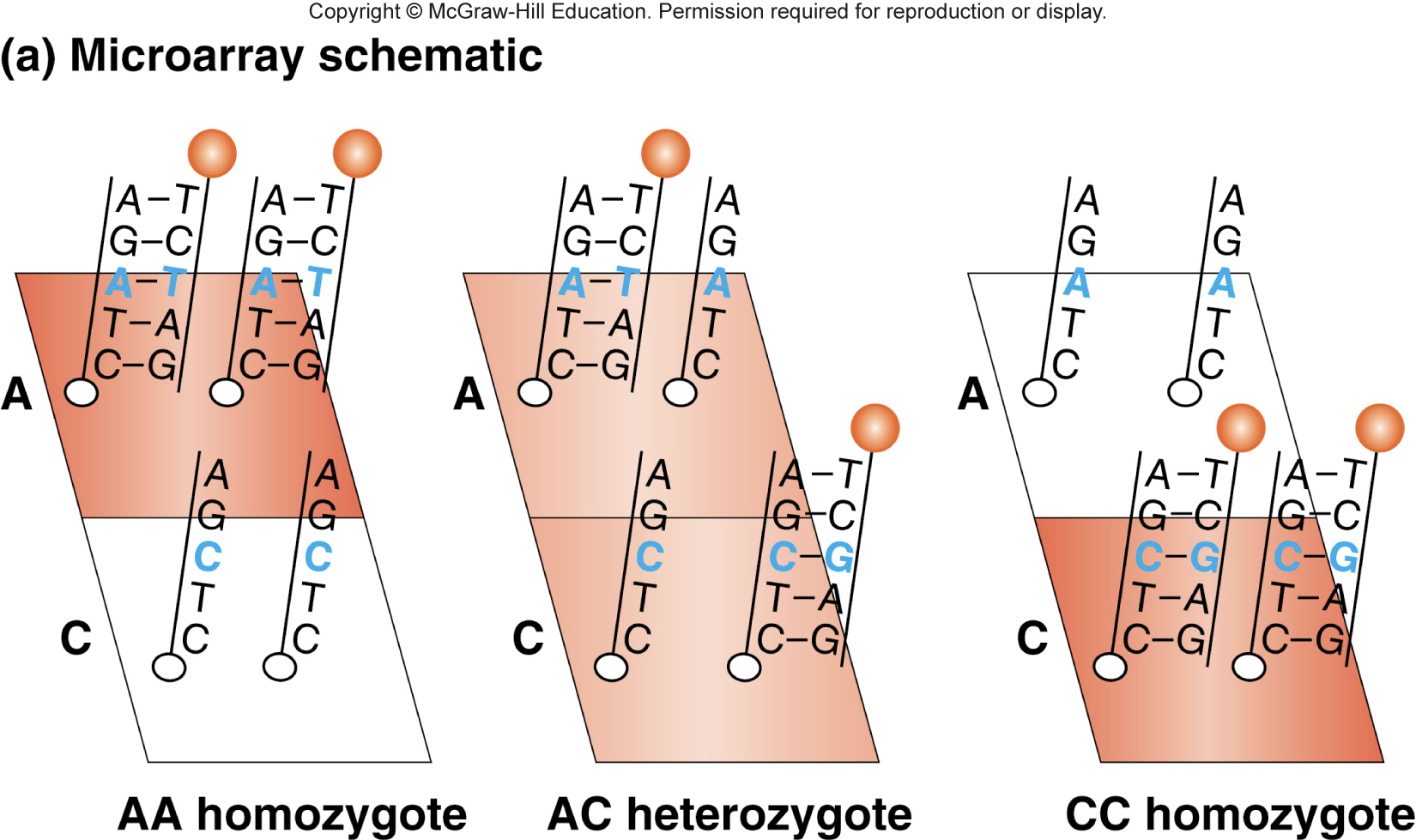
- Genomic DNA used to probe the ASO chip (microarray)
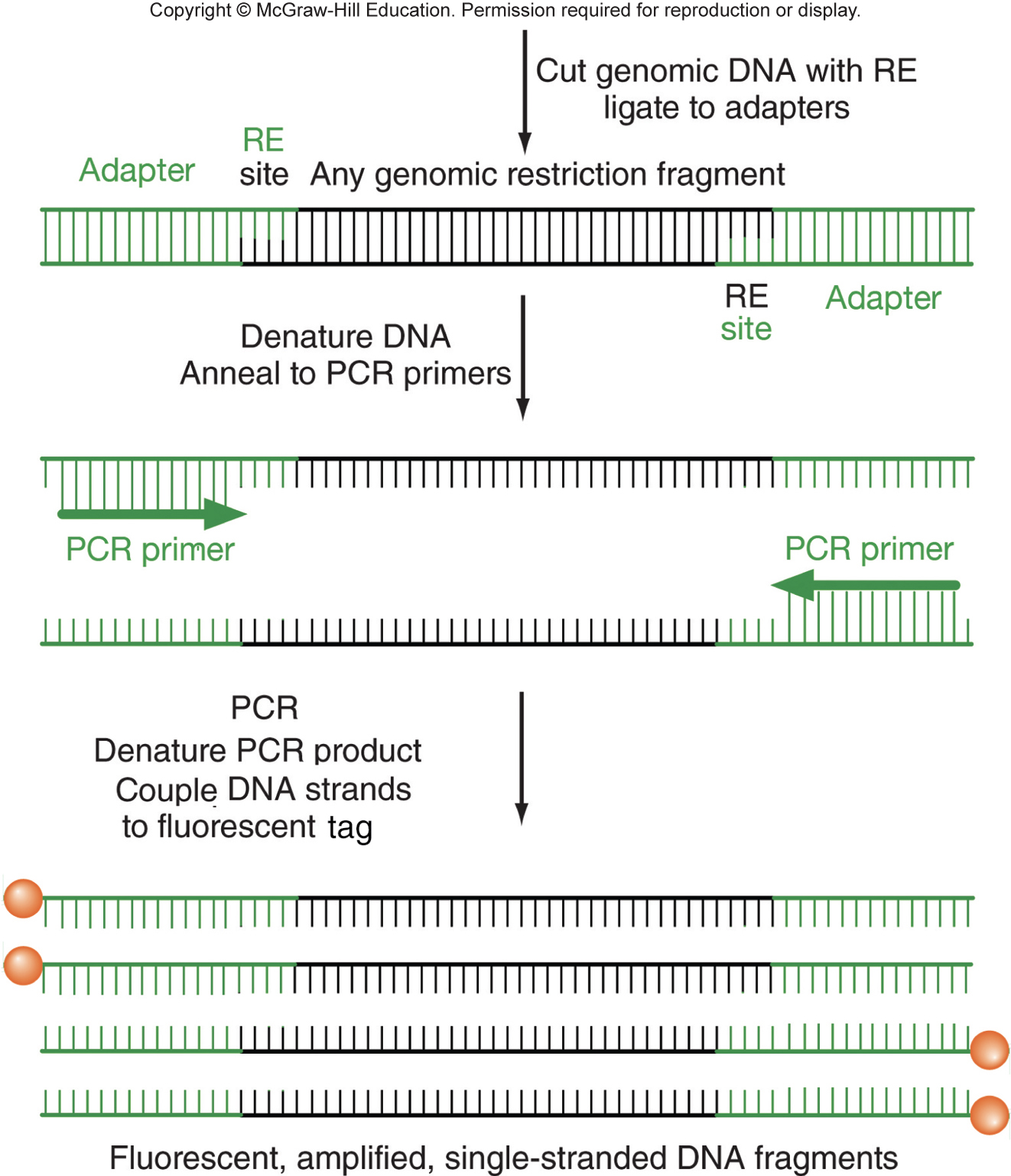
- preparation of genomic DNA: fragmented, adapter attached, amplified by PCR and denatured to make single stranded, and fluorescent dye coupled to end of single-stranded DNA
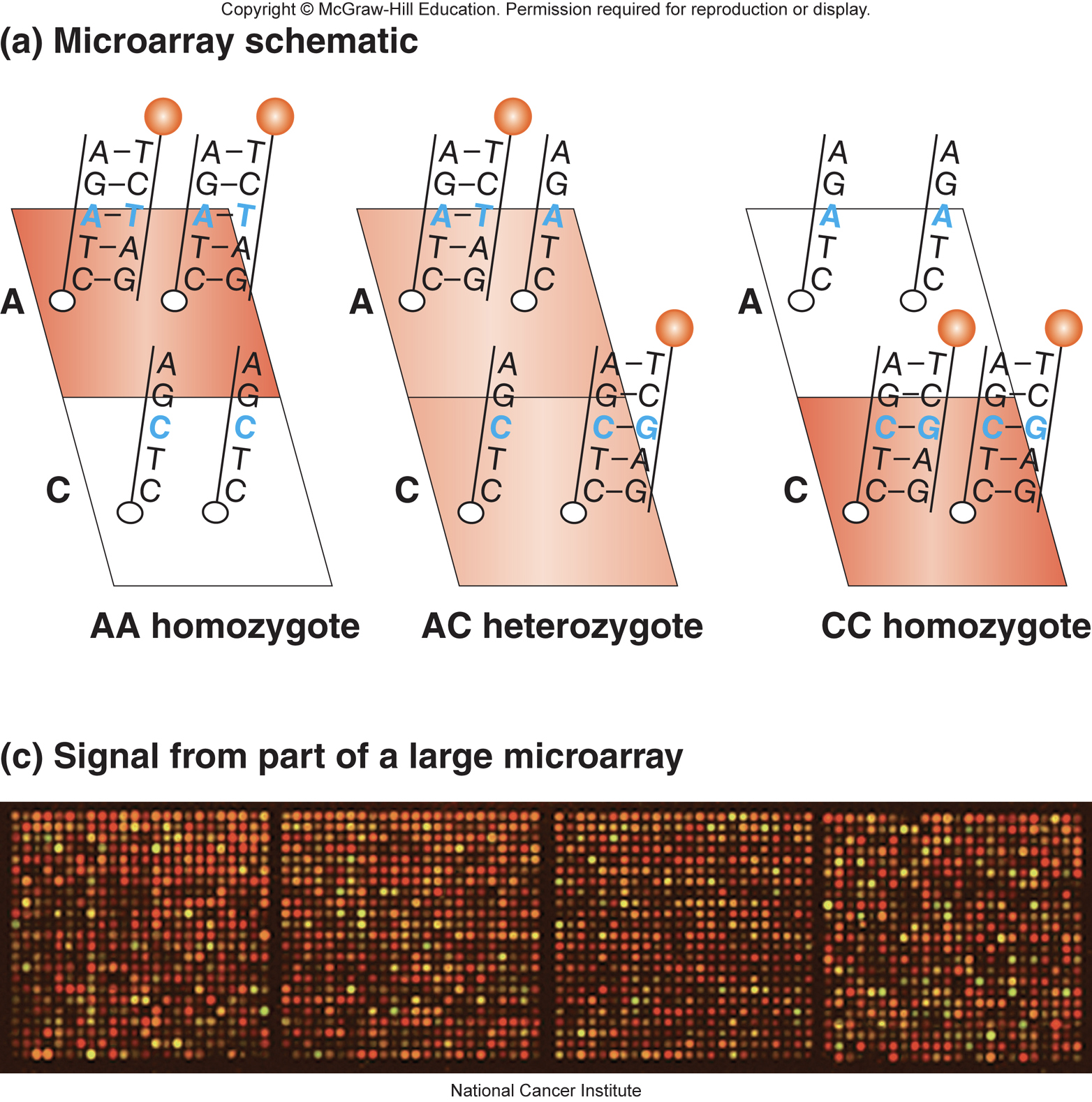
- Fluorescent output is proportional to the number of copies of each allele
- up to 4 million loci can be genotyped simultaneously
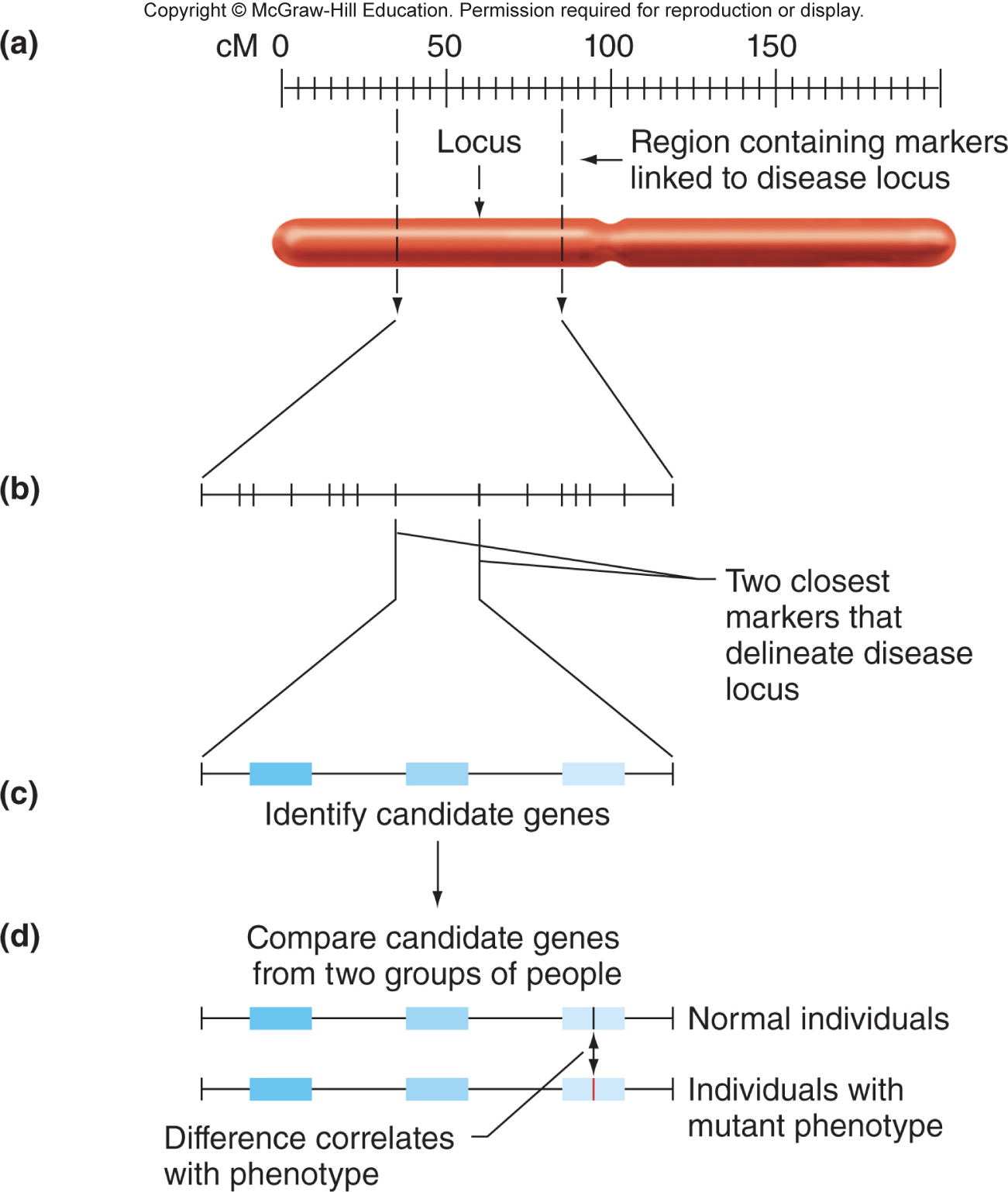
- Positional cloning: from DNA markers to disease causing genes
- positional cloning: object is to identify disease-causing genes by genetic linkage to polymorphic loci
- strategy for positional cloning: Same as linkage analysis using two phenotypes, except one gene tracked by phenotype, the other by DNA genotype. Use microarrays to simultaneously analyze millions of two-point crosses, each one a test for linkage between a disease locus and a DNA marker.
- Steps for positional cloning: Region of interest narrowed by finding closely linked DNA markers. Candidate genes are located in the region of interest. Sequence and expression of candidate genes are determined in normal and diseased individuals.
- Genetic diseases can display allelic or locus heterogeneity
- allelic heterogeneity: disease caused by different mutations in the same gene
- compound heterozygote: individual with different mutant alleles of the same gene
- locus heterogeneity: disease caused by mutation in one of two or more different genes
- Genome sequencing is becoming routine
- sequencing an entire genome now costs about $400-$500
- sequencing the whole exome is less expensive
- high-throughput or massively parallel sequencing is like Sanger sequencing with a few modifications: individual DNA molecules anchored in place, each base is identified before the next one is added, increased sensitivity eliminates need for cloning or PCR
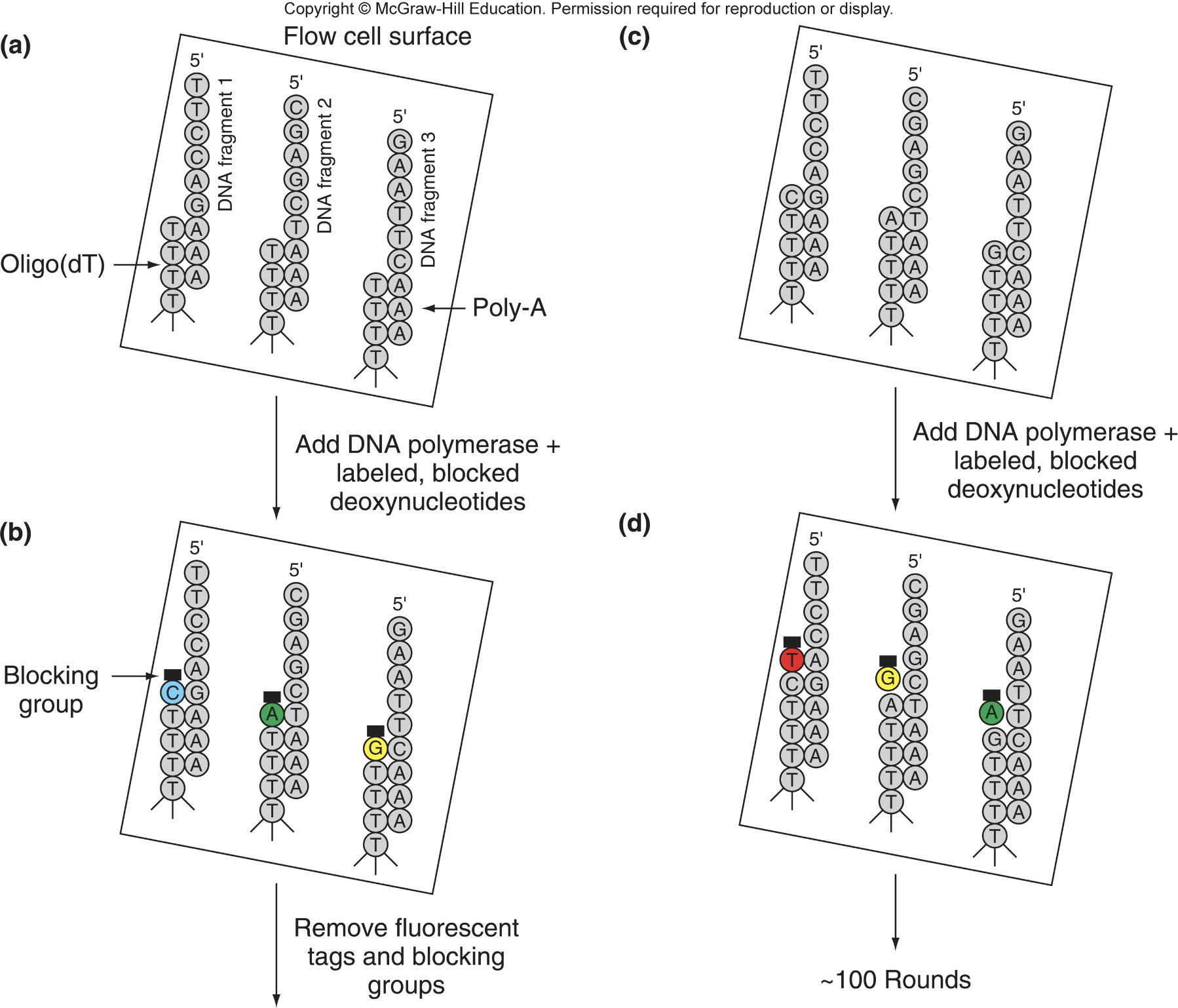
- High-throughput breakthroughs
- individual DNA molecules anchored in place
- base additions controlled and known
- some sensitivities are high enough to detect one DNA strand
- Genome sequencing reveals a sea of variation
- each individual differs at > 3 million locations from the RefSeq human genome
- how can we tell which polymorphism causes a disease? transmission pattern, predicted effect on protein function, clues from other genome sequences