Personal Finance
Definitions: Green ( a4ed60 )
Chapter 1:
Personal Financial Planning: The process of managing your money to achieve personal economic satisfaction
Financial Literacy: The use of knowledge based on skills of earning, saving, spending, and investing money to achieve personal, family, and community goals
Advantages of being financially literate:
Effective at obtaining, using, and protecting financial resources
Expanded control to avoid debt, bankruptcy, and dependence on others
Improves personal relationships with well-planned and effectively communicated financial decisions
Avoid worries about future expenses and reach economic goals
Persoanl Finacial Actiive include: 3 Big Things
Spending
Daily Expenses
Major expenditures
recreational active
Saving
Emergencies
Long term security
Sharing
Local and global programs to assist others
The Financial Planning Process
Step One: Determine the current financial situation
Determine income, savings, living expenses, and debt
Example: Ana has a small savings of 10 Million dollars but has over 50 billion in student debt
Step Two: Develop Financial Goals
Analyze goals and values, and differentiate between your needs and wants. Specific goals are needed and you decide what goals to pursue.
Example: Ana wants to pay off her student loans, obtain a degree, and work abroad.
Step Three: Identify Alternative Courses of Action
Consider different possible actions
Examples: Continue the same course of action, Expand the current situation (Save more), Change the current situation ( Use a money market account instead of regular savings), and take a new course of action (Use monthly savings to pay off credit debts)
Step Four: Evaluate Your Alternative
Consequences of Choices: Relates to opportunity cost ( What someone gives up when making a choice) ex. Income loss is caused by choosing to go to school full-time.
Evaluating Risk:
Types of Risk:
Inflation Risk: Rising and Falling prices cause changes in buying power ( Inflation or Deflation)
Buying something now or later
Interest Rate Risk: Changing interest costs in your loans and your benefits
Income Risk: The loss of a job, if at risk of unemployment, it is important to save while employed.
Personal Risk: Health risk, safety, or additional cost associated with various purchases or financial decisions.
Liquidity Risk: Some savings or investments might be difficult to convert to cash.
Step 5: Create and Implement your Financial Action Plan
Develop an action plan to achieve your goals.
Example: Picking up more hours at work or reducing spending.
Step 6: Review & Revise your Plan
Regularly assessing how your plan is working will lead to further success. Change it a least once a year.
Ecosystem: a network of actives and interconnections ( Life situations, personal values, financial system, and economic factors)
Adult Life Cycle: The stages in the family situation and financial needs of an adult.
Security: A financial instrument that represents debt or equity.
Debt Security: Represents money borrowed by companies or movements
Equity Securities: Represents ownership in a corporation.
Economics: The study of how wealth is created and distributed. (Includes: Business, labor, and government)
Economic Conditions
Consumer Prices
Inflation: the rise of the general level of prices, the buying power of the dollar decreases. Increased demand without an increase in supply
Deflation: Decline in prices, as prices drop consumers tend to expect prices to go even lower. People cut spending.
Rule of 72: To find out how fast prices (or your savings) will double
Divide 72 by the annual inflation (or interest) rate. ( Inflation rate of 4%: 72/4 = 18 so in 18 years the mean price will double)
The consumer price index (CPI): Measure of average change in price for goods or services.
Consumer Spending
Total demand for goods and services in the economy.
Interest Rates
The cost of money, when consumers save and invest increases the supply of money, and interest rates tend to decrease. Foreign borrowing increases interest rates.
Develop Financial Goals
Short-Term Goal: Something achievable in a year. Saving for a vacation, paying off a small debt
Intermediate Goals: Having a time frame from one to five years
Long-term Goals: More than 5 years ( retirement, funding education, or purchasing vacation home)
Consumable-Product Goals: Periodic basis and involve items that are used relatively quickly (Food, clothing, and entertainment)
Durable-Product Goals: Infrequently purchases expensive items (Applicanes, cars, or sports equipment)
Goal Setting Guidelines:
Specific: Know exactly what your goals are so you can create a plan to reach them.
Measurable: Specific amount
Action Oriented: Involving the personal financial activities to be taken
Realistic: Selecting goals based on your income and life situation
Time-Based: Indicating a time frame for goals (3 years, 5 years, etc)
Personal Opportunity Cost: The allocation of time and personal resources ( time, energy, health, abilities, and knowledge)
Time Value of Money: Calculates interest earned.
Interest Calculations:
Ammount of savings (Prinicipal)
Annaul interest rate
The lenght of time the money is depoit
Amount of savings x Annual Interest Rate x Time Period = interest
ex. $1,000 × 0.03 × 6 months / 12 = $15 earned in interest
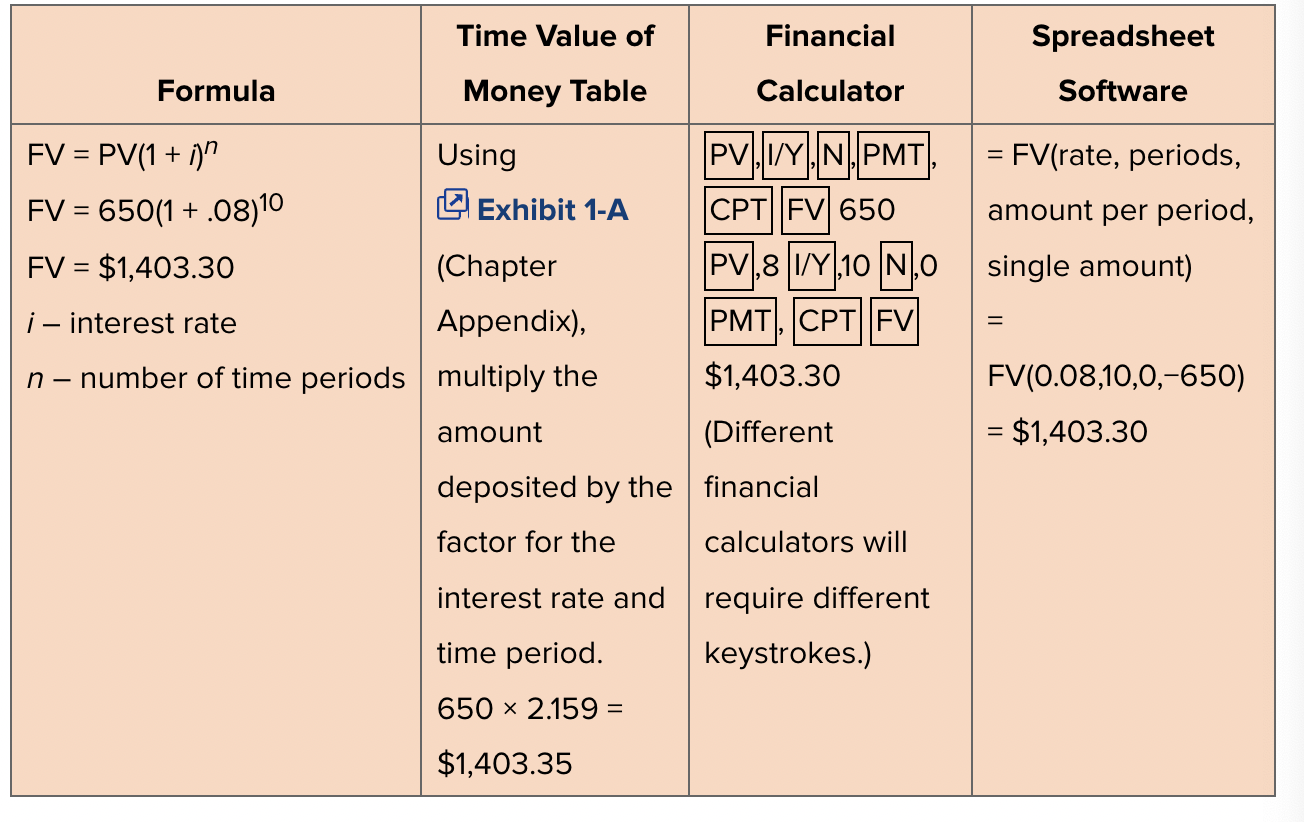
Future Value: Ammount to whcih current savings will increase based on certain interest rate and certain time periods. (Compounding)
Future Value = $100 × 0.04 × 1 year = $34104
Annuity: Series of equal deposits or payments.
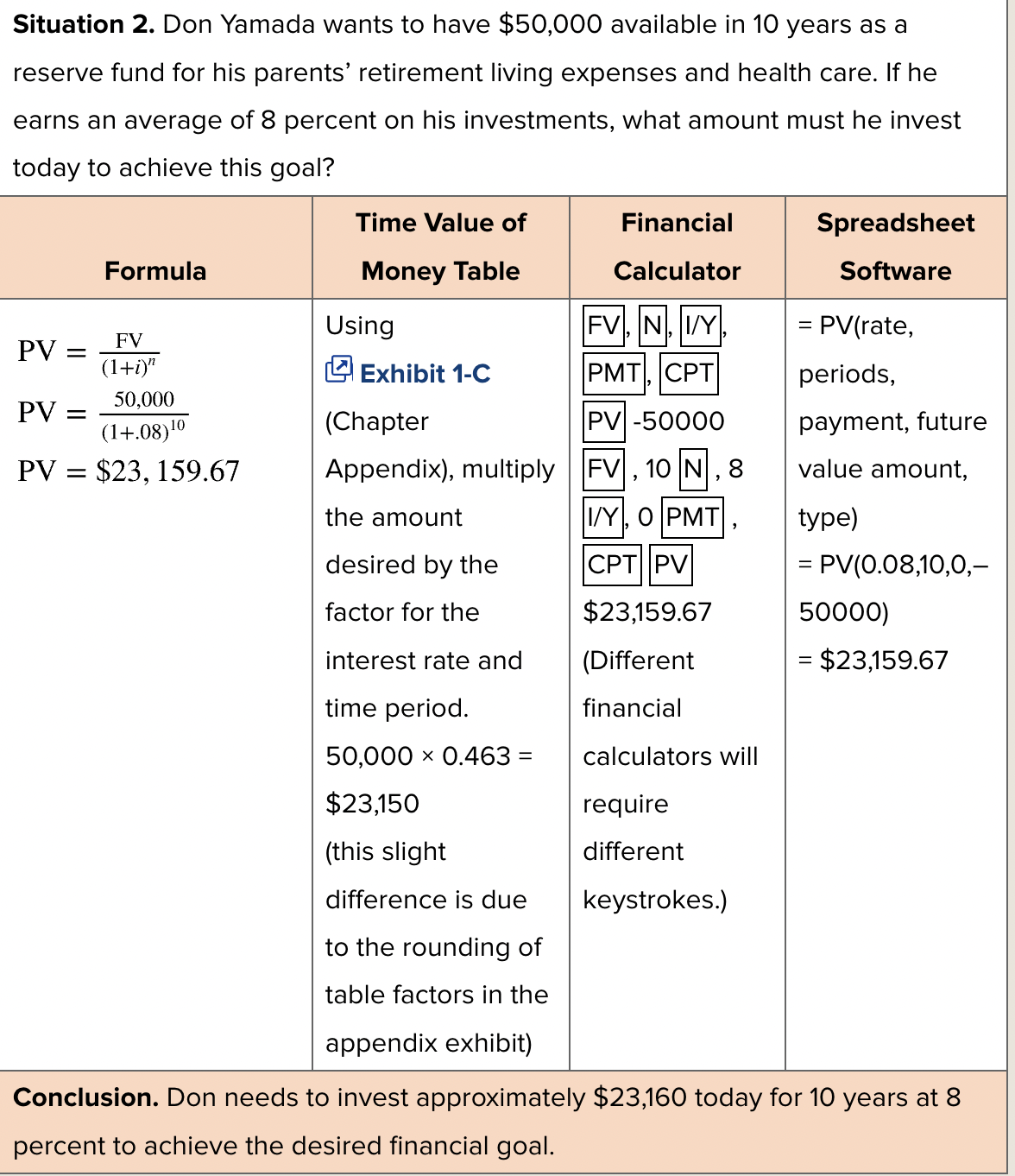
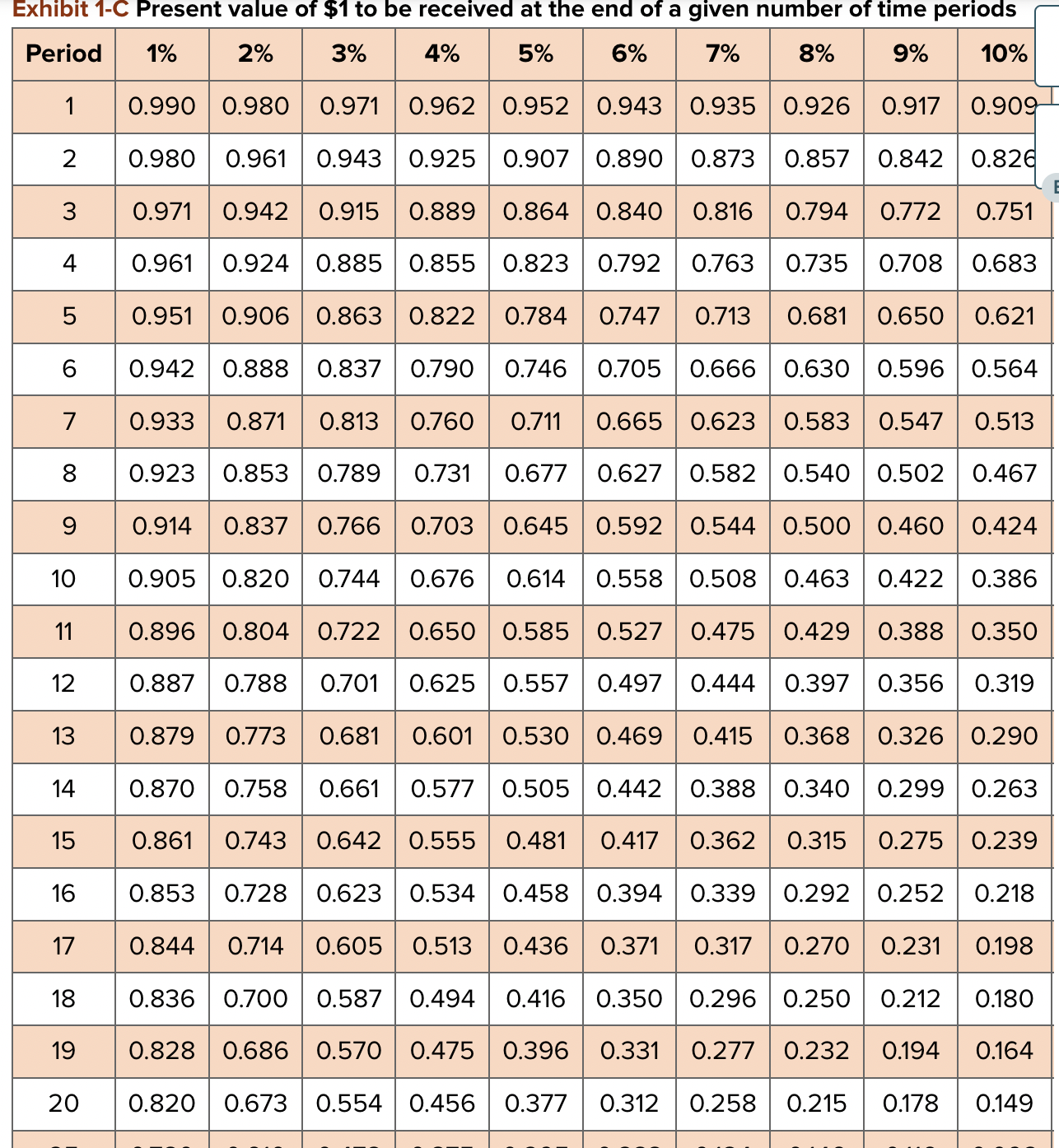
Present Value: Determine how much to deposit now to obtain a desired amount in the future (Discounting)