Middle Childhood
Physical: Big Picture
physical growth is slow and steady- growing pains, losing teeth
adolescent growth spurt may hit during this time (usually girls first)
gross and fine motor skills continue to improve
flexibility, balance, agility and force all grow during this time
role of cognitive development- reaction time
gender differences - largely due to experience, not biology
nutrition remains highly important
overwight/obese children more likely to have long-term health issues
asthma and other illnesses- environmental factors
Cognitive: Big Picture
piaget’s ‘concrete operational’ phase
classification, seriation, conservation - no longer challenging
role of school?
executive function improves; planning and self-regulation still developing
theory of mind improves; understanding of others’ false beliefs
language development; pragmatics, bi/multilingual
Memory
improvements in memory strategies
rehearsal (repetition)
organization
elaboration (building connections between ideas)
role of semantic memory
when we know more about a subject, we can organize better
soccer vs. non-soccer example
role of culture- more common when memorization is needed (e.g., for school)
What is Intelligence, Anyway?
IQ tests
idea of ‘g’, general intelligence
processing speed
multiple intelligences
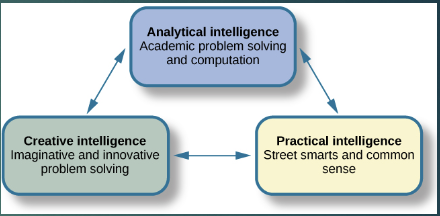
sternberg’s triarchic theory
gardner’s theory of multiple intelligences
however, strong correlations across types of intelligences - idea of ‘g’ factor
flynn effect (reverse flynn effect?)
Social-Emotional: Big Picture
erikson’s ‘industry vs inferiority’
social comparisons and self-esteem
greater emotional understanding, emotion regulation
more active moral thinking
friendships become more selective and long-term
ingroup favoritism, prejudice; stereotypes
spend less time with parents; sibling rivalry common
Social Status
ask children to rate classmates results in peer acceptance types:
popular (many positive votes; well-liked; may be pro- or anti-social)
rejected (many negative votes; may be aggressive or withdrawn)
controversial (many positive and negative votes)
neglected (rarely mentioned; usually well-adjusted, just independent)
average (about 1/3 of children)
perceived ‘popularity’ and peer acceptance are not the same
how can ‘rejected’ children by helped? how does this differ baed on reason for rejection?