Financial Markets
We've discussed many types of markets so far, including the goods and services market, the labor market, the factor market, and even the black market. Today we will look at several more types of markets, which are collectively known as financial markets. A financial market is a market where securities are traded. In finance, a security refers to any tradable financial asset, such as a stock or bond. So when investors buy or sell stocks and bonds, they are participating in a financial market.
Watch the following video for an introduction to stocks and bonds, two of the most important securities that can be traded in financial markets.
Major Financial Markets
Many different financial markets exist. Each market involves the purchase and sale of different securities. Explore the accordion below to learn about some of the most important financial markets: the stock market, bond market, foreign exchange market, and money market.
Stock Market
–
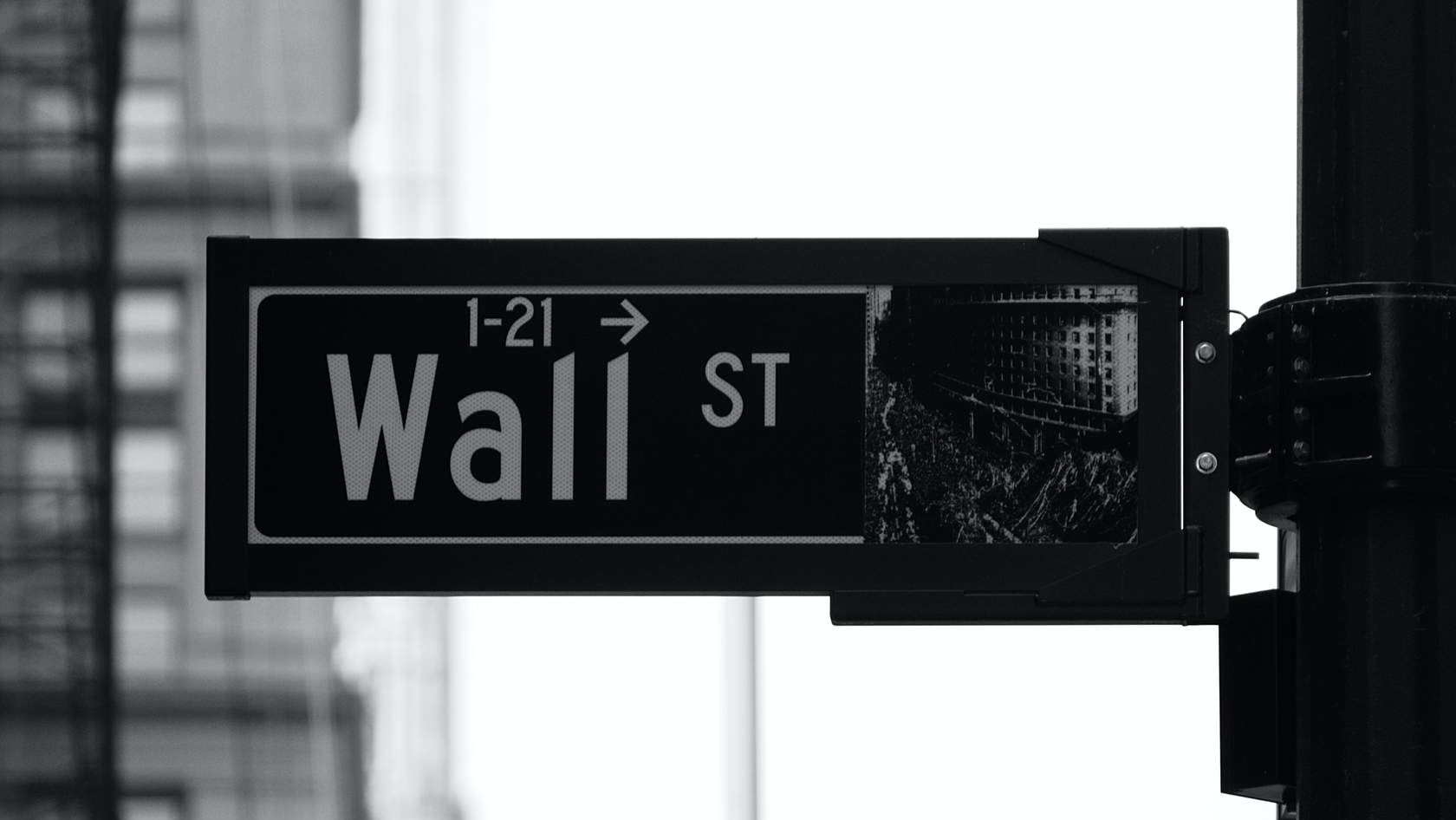
When you buy a stock, you're buying partial ownership in a company. Anyone who buys or sells stock is participating in a stock market. The largest stock market in the world is the New York Stock Exchange, which trades trillions of dollars' worth of stock every day, but there are many stock markets throughout the world. The Tokyo Stock Exchange and Shanghai Stock Exchange are two of the largest stock markets outside the United States.
Bond Market
–
When you buy a bond, you are essentially loaning money to a government or corporation. In exchange, you are paid a certain amount of interest. As the video described, bonds can be traded on a bond market just like stocks can be traded on a stock market. Bond prices are generally more steady than stocks, but they can be heavily affected by changes in inflation and interest rates.
Foreign Exchange Market
–
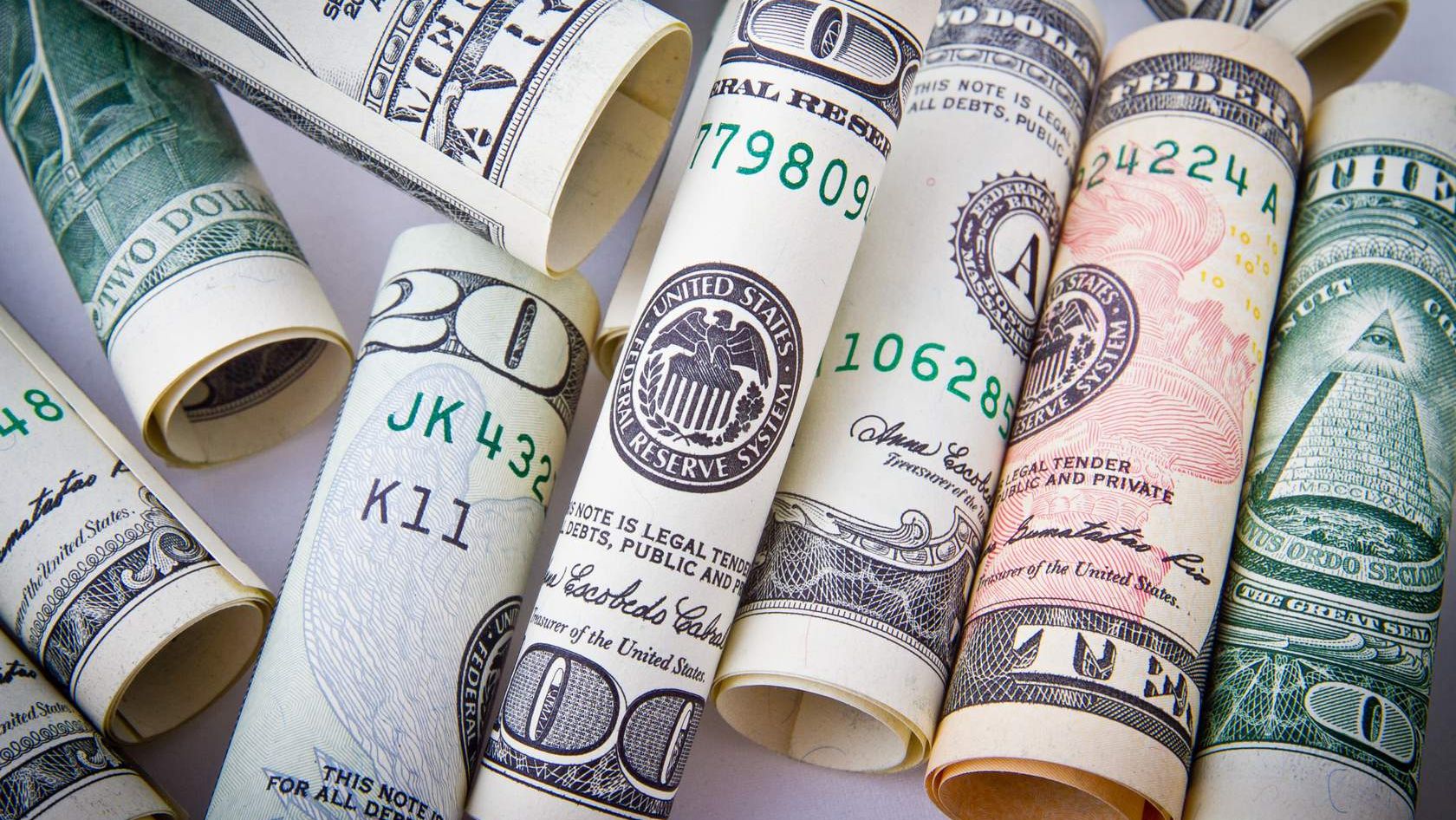
The foreign exchange (or forex) market allows traders to exchange different currencies. If you travel to another country, you might have to participate in the foreign exchange market. Let's say you're an American traveling to France. You can't use your American dollars to buy products in France, so you have to exchange those dollars for euros. This trade of two different currencies takes place in the foreign exchange market.
q
Money Market
–
The money market contains very low-risk, low-reward securities. It includes money market accounts and short-term certificates of deposit, both of which are offered by most commercial banks and credit unions. These investments yield a very low return, but they're extremely safe.
Regulating Financial Markets


The Great Recession in 2008 was partly caused by financial institutions taking too many risks, which led to a breakdown in the financial markets. Because the entire economy can be heavily affected by changes in financial markets, they are often subject to strict regulations.
Two organizations in the United States are primarily responsible for regulating financial markets. One is the Federal Reserve System, which regulates commercial banks. It establishes rules such as the reserve requirement for banks (remember our earlier discussion of fractional reserve banking). The Federal Reserve, often referred to as simply the Fed, also establishes fiscal and monetary policy for the United States, which will be explained further in a later lesson.
The other major financial regulator in the United States is the Securities and Exchange Commission (SEC). Remember that a security refers to any tradable financial asset. Thus, the SEC is responsible for regulating the exchange of these securities. The SEC has three main goals: to protect investors; to ensure that financial markets are fair, orderly, and efficient; and to encourage the creation of capital resources.
The SEC was created in the 1930s, largely in reaction to the collapse of the stock market that helped set off the Great Depression. Because so much money had been lost by investors, the public had lost nearly all faith in financial markets. This meant that very few people were investing in new businesses. No one was creating more capital resources that would help build the economy back up. To combat this problem, Congress passed the Securities Act of 1933 and the Securities Exchange Act of 1934, which together created the SEC. They designed this new organization to rebuild investor confidence in financial markets. This was accomplished by establishing rules that required more open information from large companies. These laws had two main purposes:
Public companies—companies whose stock is traded freely on a stock market—must be honest about the performance of their businesses and the risks involved in investing in those businesses.
Anyone who sells securities to investors must treat investors fairly and put investors' interests first.
Every year, the Securities and Exchange Commission punishes hundreds of violations made by companies and individuals. Explore the tabs below to learn about the most common violations.
Insider trading occurs when someone trades a security while having confidential, nonpublic knowledge about that security. Insider trading usually occurs in the stock market. For example, let's say your brother is an accountant at Coca Cola. Before the information is released to the public, he tells you that Coca Cola is going to report that it made a record amount of profit this year. When this information becomes public, Coca Cola's stock will likely rise. To take advantage of this, you buy stock in Coca Cola before the report is released. This is considered insider trading because you are acting on information that is not publicly available. Essentially, you are profiting from the fact that you have information about Coca Cola that no one else has access to.
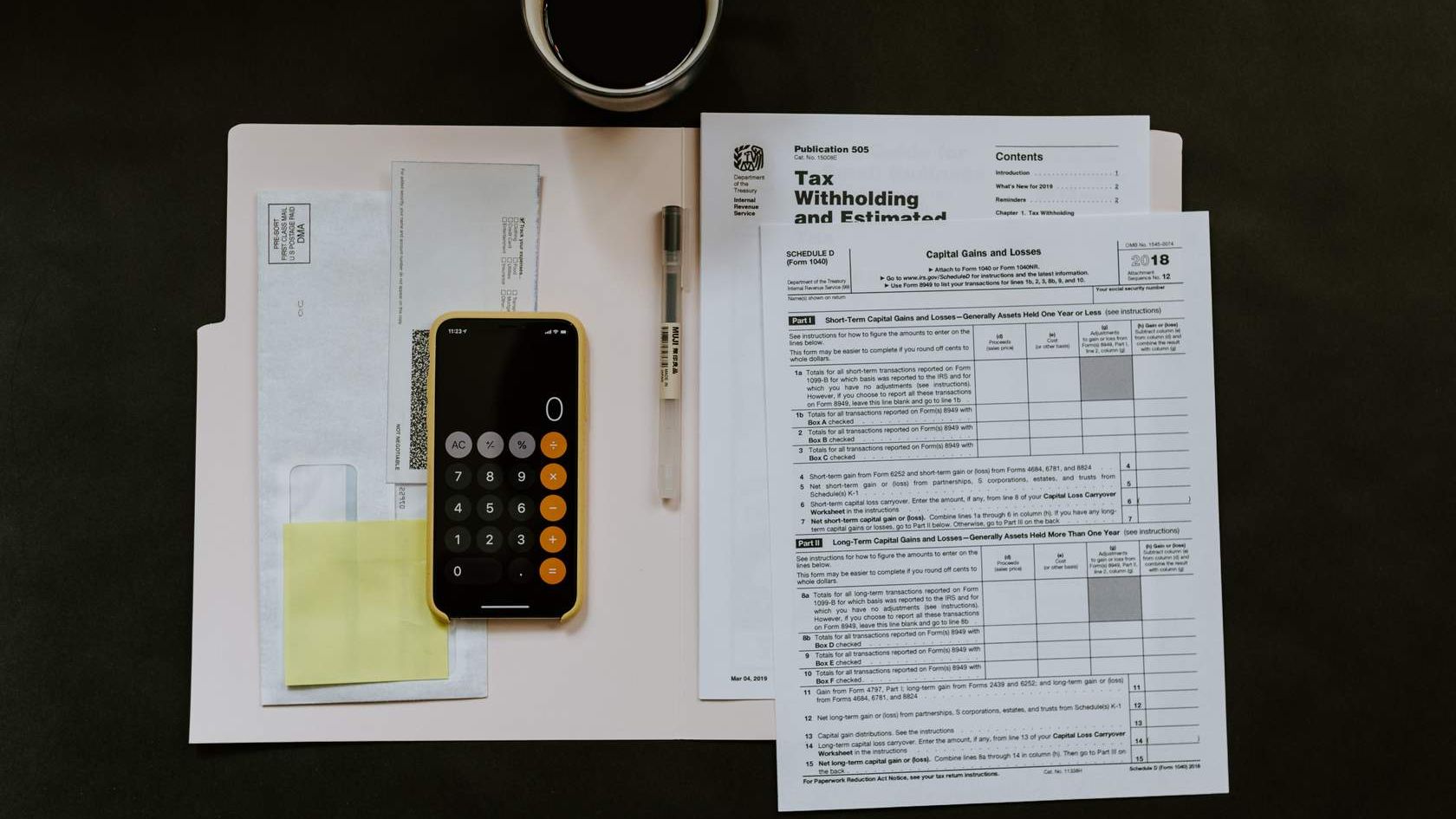
 Accounting Fraud - There are specific accounting rules that all public companies must follow. Some companies might try to manipulate these rules to make it look like they're making more money than they actually are. The SEC keeps a close eye on the accounting reports issued by public companies to make sure that they're following all the rules and not manipulating any numbers.
 Misrepresentation - It's illegal for public companies—or the individuals who sell those companies' securities—to lie about any aspect of the company or the investment that's being sold. Some examples of facts that could be misrepresented include the riskiness of an investment, the financial health of the company involved, or the costs involved in buying or owning the security.
 Review of Key Terms
financial market: a market where securities are traded
security: any tradable financial asset, such as a stock or bond
New York Stock Exchange: the world's largest stock market
Securities and Exchange Commission: an organization responsible for regulating the exchange of securities
public company: a company whose stock is traded freely on a stock market
insider trading: occurs when someone trades a security while having confidential, nonpublic knowledge about that security
Financial markets are a key component of modern market economies because they make it easier for people to invest in the creation of more capital resources and new businesses. However, the markets require regulation because, if they break down, it can severely hurt everyone. Both the Great Depression and Great Recession were at least partially caused by dangerous practices undertaken in the financial markets.