11. Aptamers
Objectives of this lecture
Aptamers:
• What? – structure and characteristics
• How? – Selection and generation
• Why? –Advantages/disadvantages
After this lecture, you should be able to describe
• what aptamers are and the basis of their specificity against targets
• how aptamers are selected
• how aptamers compare to antibodies as therapeutics
• main advantages and disadvantages of aptamers as therapeutics
Aptamers-
- Short (15-75 bases) single-stranded DNA or RNA molecules (or small peptides, not as common) that binds to a specific target.
- Aptamer comes from aptus ‘to fit’ and meros to ‘part’.
- Aptamers can be highly specific.
- They can be capable of distinguishing between e.g. conformational isomers, targets containing different functional groups, or even an amino acid mutation.
Targets: proteins, peptides, small metal ion and organic molecules, viruses, bacteria, whole cells, targets within live animals
Aptamer structure
- Nucleotides can form complementary base pairs
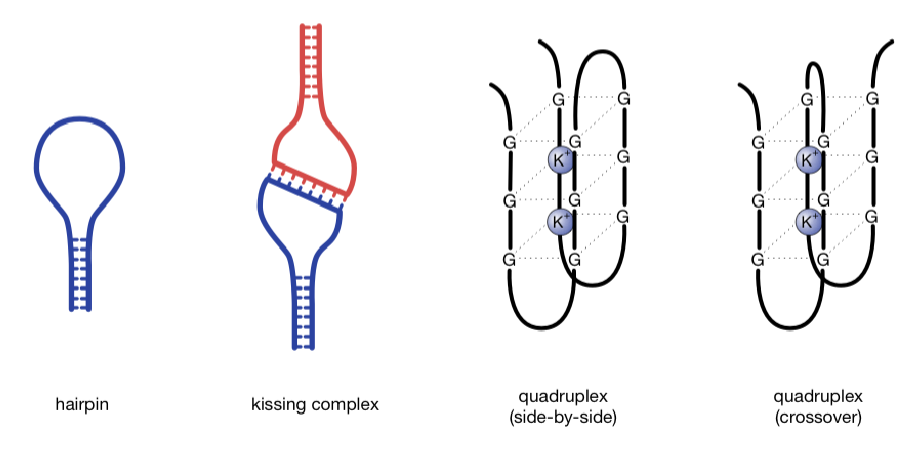
- Fold into secondary structures
- Hairpin
- Kissing complex
- Combination of secondary structures form 3D structures capable of specific molecular recognition of target
Aptamers compared to RNA-based therapeutics
- Most therapeutic RNAs are designed to modulate RNA translation or (in the case of CRISPR), edit genes
- Aptamers assert their function by specific binding to a target molecule (often protein) and thereby blocking or activating (enhancing) molecular interactions
- Like antibodies (!?)
- Antibodies are dominating over aptamers
Aptamer-target interactions- Affinity and specificity depend on 3D shape and non-covalent interactions including hydrophobic and electrostatic, hydrogen bonding, van der Waal forces
DNA vs RNA aptamers
• Both RNA and ssDNA are capable of forming secondary structures
• RNA aptamers form more diverse and intricate 3D structures, stronger intra-strand interactions (increased specificity and affinity), extra hydroxyl group
• With RNA, smaller structures can be formed from the same number of nucleotides (size is important if used for penetrating tissues and cells), they can fold more easily
• DNA aptamers are more stable (30-60 min half-life in serum vs a few seconds) because
• RNA is a transient messenger-chemically unstable and degraded by nucleases
• RNA aptamers are stabilized by chemical modification
• Selection process is more complex and expensive for RNA aptamers (advantage for DNA aptamers)
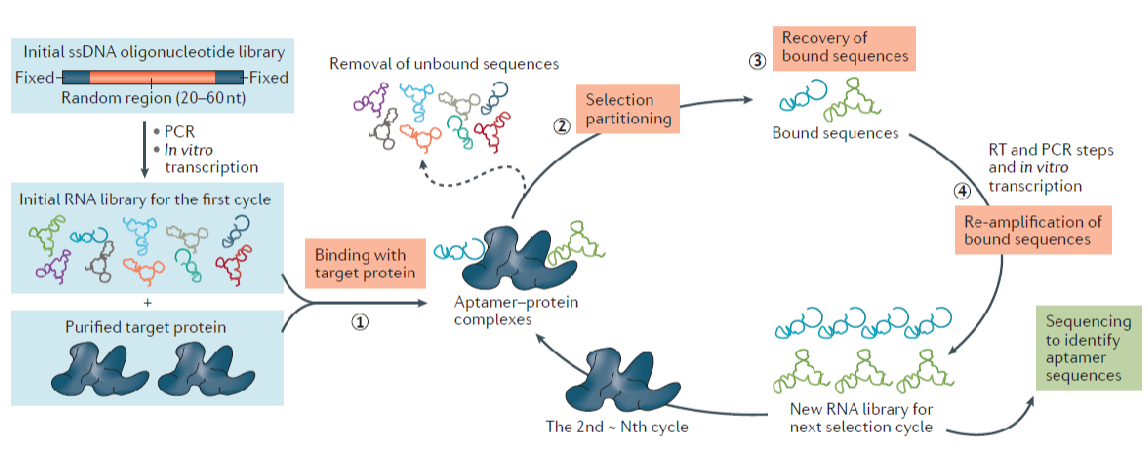
SELEX – The selection of aptamers
- Stands for Systemic Evolution of Ligands by Exponential enrichment
- Gold-standard methodology for generating DNA or RNA aptamers
Consists of four main steps
- The RNA library is incubated with the target protein
- The bound species are isolated from the unbound sequences through various partitioning strategies.
- Target-bound sequences are recovered.
- The sequences are subjected to re-amplification into a new RNA library for the next selection cycle. Through these iterative rounds, specific aptamers are enriched and identified by sequencing analysis.
- Identification of aptamer sequences
Traditionally – final enriched library is sequenced
Now – High-throughput sequencing of each round enables improved insight into selection process and earlier detection of high-affinity aptamers
Advantages and disadvantages of aptamers as therapeutics
Advantages:
- Smaller and more flexible structure – can bind to smaller targets and hidden domains that might be inaccessible for antibodies, as well as toxic targets
- Can be raised against any target
- Cost-efficient and rapid in-vitro selection and production
- Controlled production with no batch effects and no animals involved
- Easily modifiable chemical structure
- Low immunogenicity
Disadvantages:
- Short half-life
- Solution: modifications, e.g., PEGylation or large, multivalent aptamers
- Limited toxicity
- Potential toxicities include polyanionic effects, unexpected tissue accumulation and immunogenicity caused by chemical modifications/non-natural nucleotides
- Polyanionic effect – highly negatively charged aptamers will bind to blood proteins → High uptake in non-target tissues
- Pharmacodynamic studies
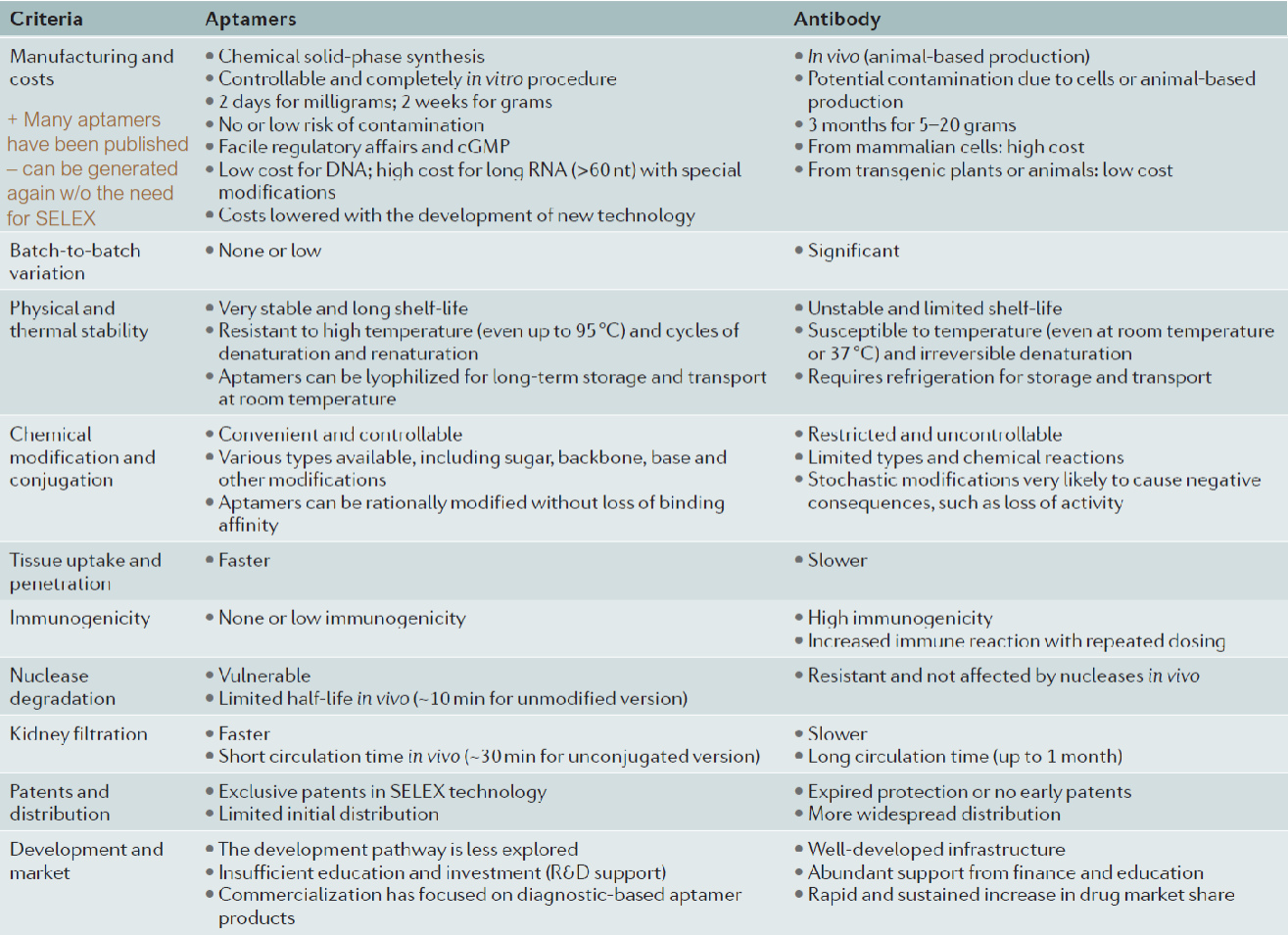
Aptamers vs antibodies
- Aptamers can reach inaccessible targets to antibodies due its lower molecular weight
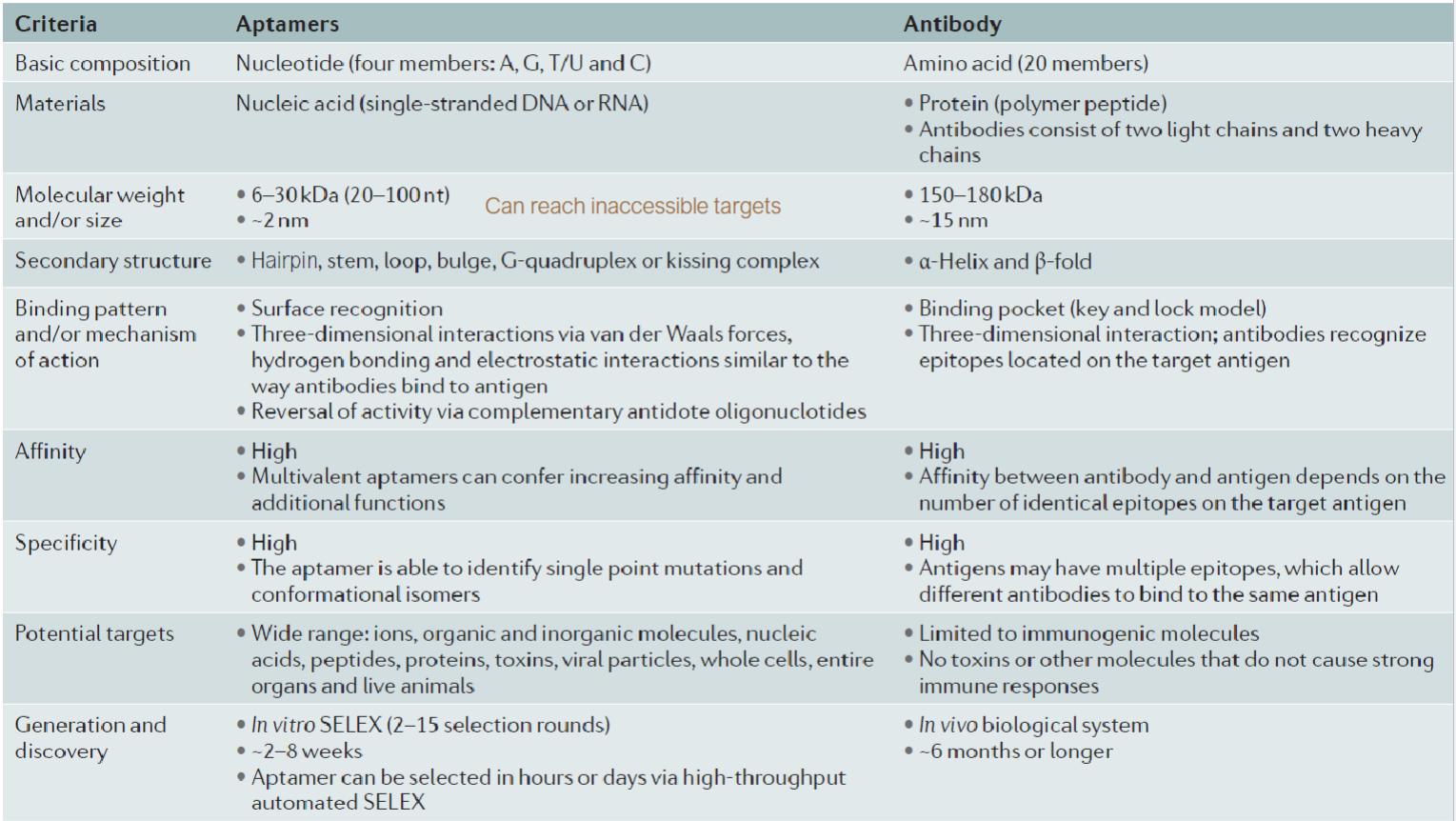
- The ability to reverse the activity of aptamers via complementary antidote oligonucleotides→ Potential for controlling therapeutic effect
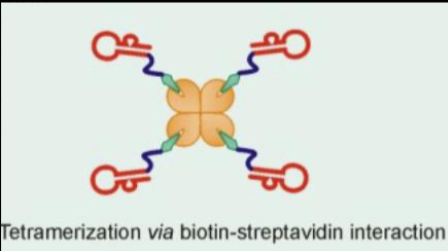
- Multivalent aptamers can confer increasing affinity and additional functions
- Many aptamers have been published and can be generated again without the need for SELEX → lowers cost for development/manufacturing
- Antibody has more batch-to-batch variation than aptamers
- Aptamers are more stable and have longer shelf life than antibodies
- Aptamers have lower immunogenicity than antibodies.
- Targets for antibodies are limited to immunogenic molecules
- Targets for antibodies can’t be toxins or other molecules that do not cause a strong immune response
- Antibodies partly circumvented using phage display
- Aptamers have faster kidney filtration than antibodies
Types of therapeutic aptamers
1. Antagonist – block the interaction of disease-associated targets
2. Agonist – activates the function of target receptors
– Immunotherapeutic targets: CD28, CD40, OX40, 4-1BB
3. Drug delivery system – carrier for other therapeutic agents
Improved effects by coupling to (inert) antibody, cholesterol (to increase uptake in the liver), nanoparticles, pluronic gel, multimerization etc.