Unit 2
Naturally occurring elements in the body
Major Elements = 96%
Oxygen 65%
Carbon 18.5%
Hydrogen 9.5%
Nitrogen 3.3%
Essential Elements = 4%
Calcium
Phosphorus
Potassium
Sulfur
Sodium
Chlorine
Magnesium
Trace Elements = 0.01%
Copper: hair and skin
Zinc: enzyme function
Iodine: salt good for thyroid
Iron: needed in transport O2 in blood
Cofactor: Allows enzymes to function
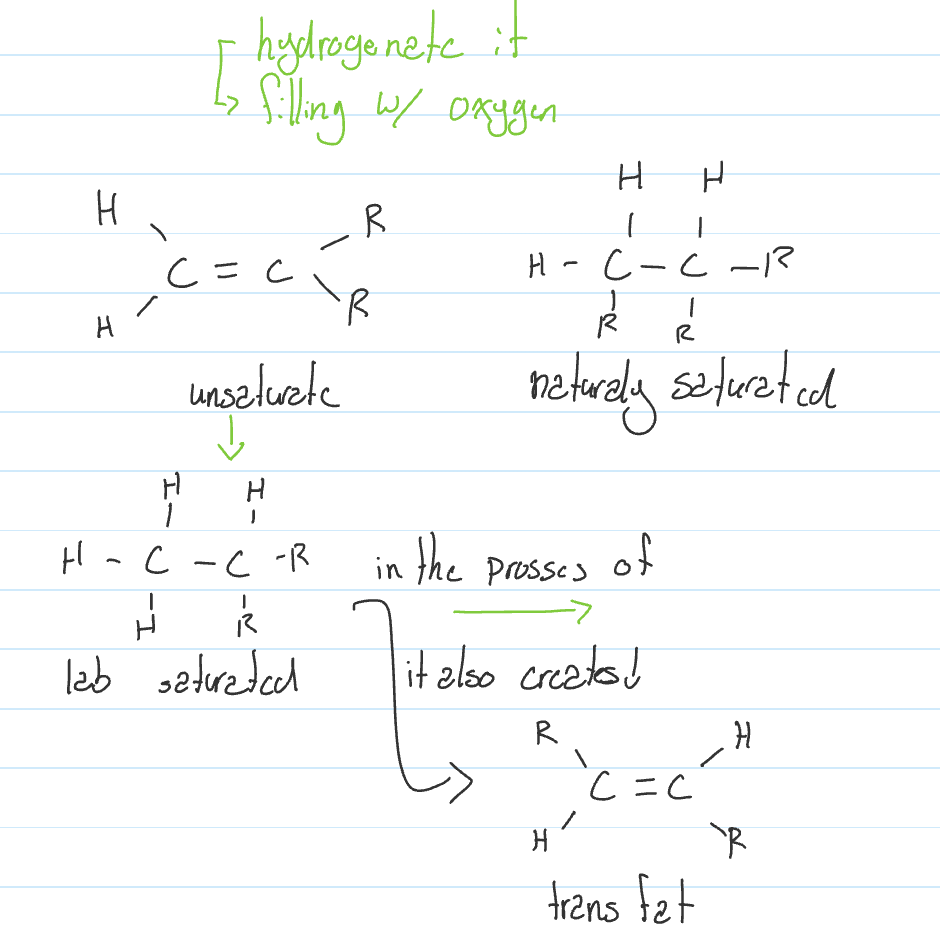
Poly unsaturated: plant fat with many double bonds
Monounsaturated: plant fat with one double bond
Dietary Fiber: need 6 g to feel full
Protein-rich: 5g-6g
BHT: to pressure food and persevere food. It gives things shelf life
Things to check on the nutrition label
Serving Size
Calories
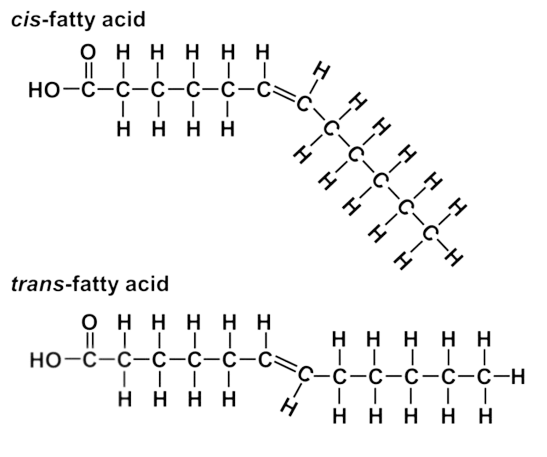
Trans fat; toxic & manmade
Radioisotope: an isotope of an element that has an unstable nuclei
Radioactive decay: the process by which an unstable nucleus rearranges itself
Electronegativity: Tendency of an atom to attract electrons
Partial charges: do not let electricity to pass through
Ionic bonds: Transfer of electrons between two unstable atoms
pH effect on the environment:
Acid Rain
Coral reef
Carbon
Element of life
Bonds:
Does not want to have charge; it only wants covalent bonds.
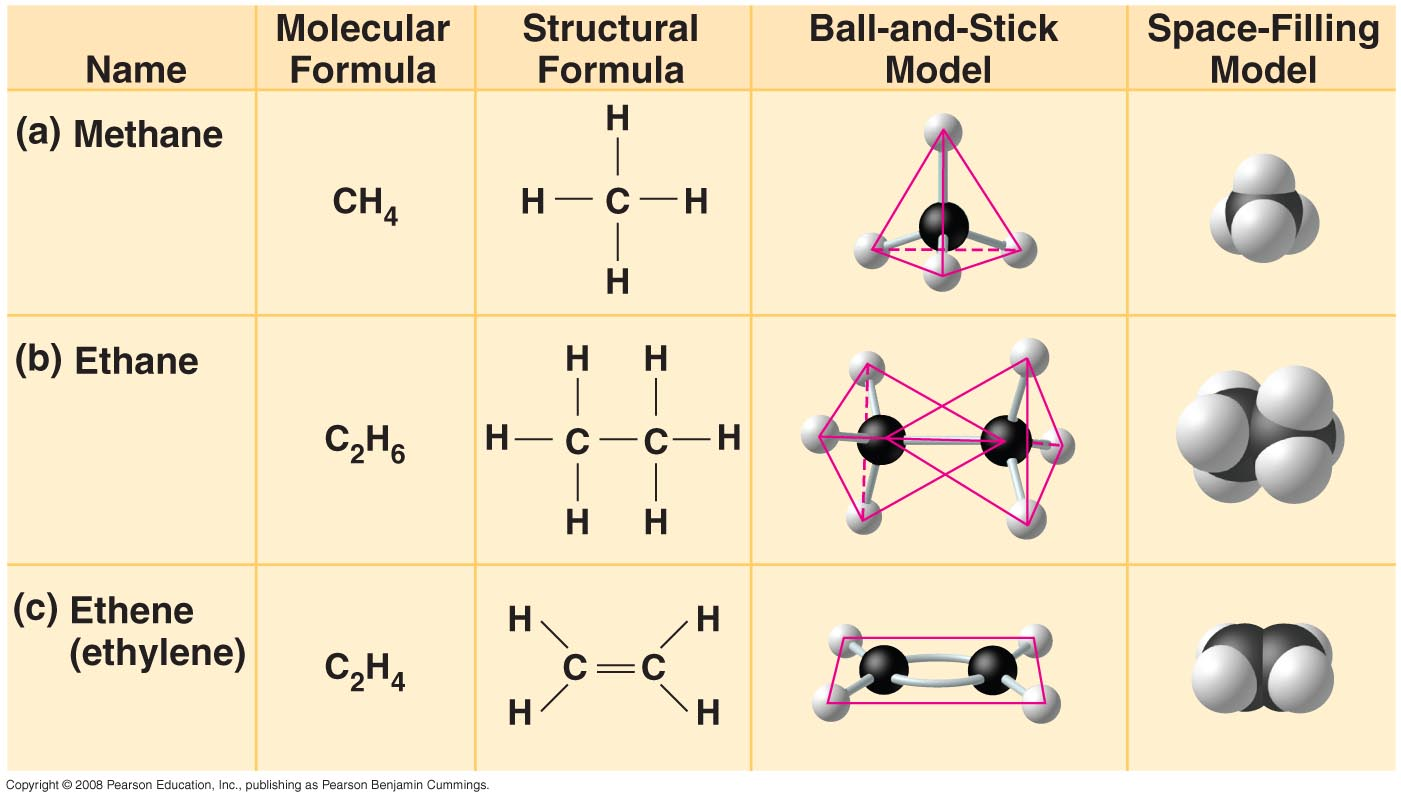
The double bond allows for fixed position
The single bond allows for rotation
Hydrocarbon properties:
Length
Double bonds
Branching
Rings
Methane: CH4
Ethane: C2H6
Ethene: C2H4
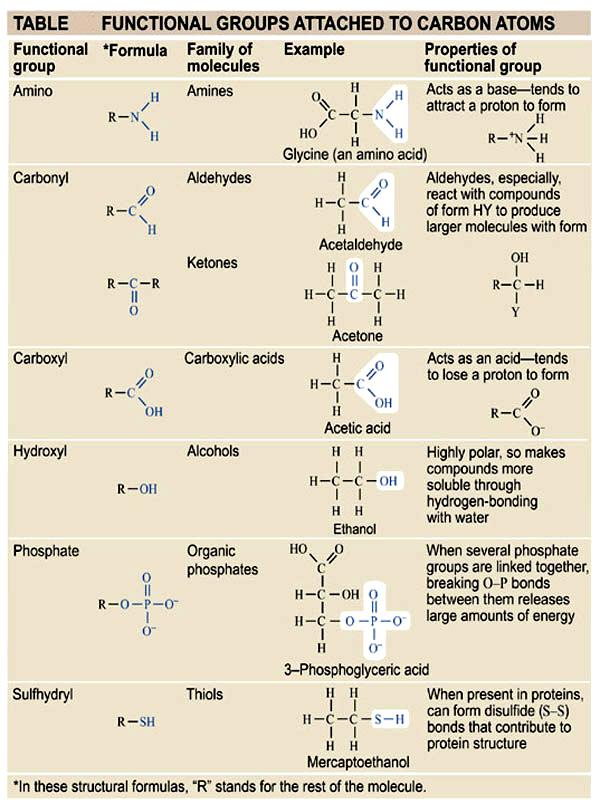
Most common Functional Groups attached to carbon
Methyl: R-CH3