10.4 Genetics
Chromosome: a threadlike structure of nucleic acids and protein found in the nucleus of most living cells, carrying the genetic information in the form of genes (humans - 46 chromosomes)
DNA
It consists of 2 molecules that are arranged in a double helix structure.
A molecule of DNA is made up of millions of subunits called nucleotides (re. structure)
Structure:
DNA contains all the information needed to form a unique object
- DNA is packaged in a tightly coiled structure called chromosomes
- DNA is the code that can make proteins
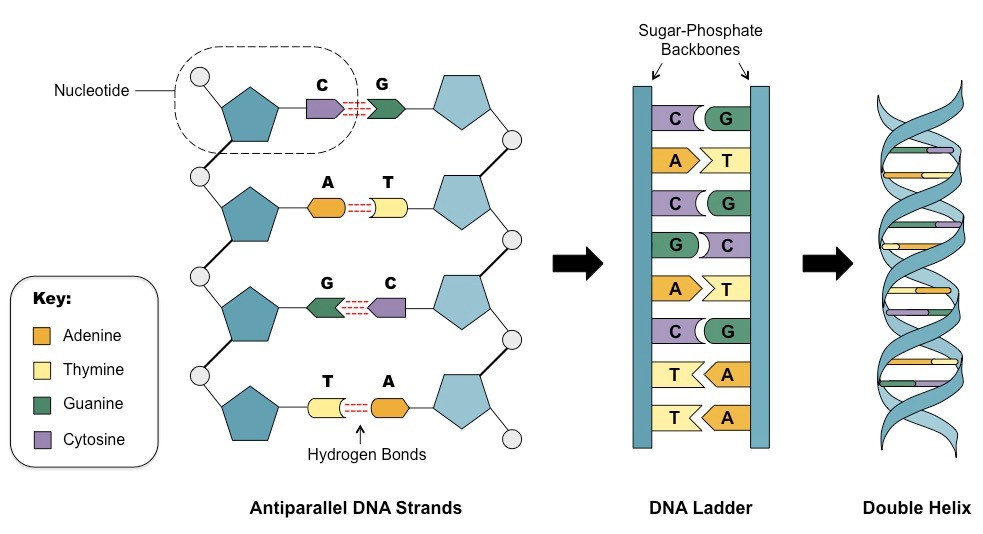
It has:
- a double helix structure
- A sugar-phosphate backbone (sugars are the larger shapes that connect to the amino acids, phosphates are the smaller circles that connect the sugars)
- complementary base pairings by nitrogenous bases
Nucleotides: the basic building block of nucleic acids, consisting of a sugar molecule, attached to a polyphosphate group and a nitrogen-containing base
- imagine a ladder > sugar-phosphate backbone creates the edges, and the nitrogenous bases the rungs)
Amino acids in DNA: Adenine (A), Thymine (T), Cytosine (C), Guanine (G)
Each base pairing will only bond with one other specific base called complementary base paring
(because of complementary base pairing, the order of bases in one strand of DNA determine the order of the other.
DNA is read in groups of 3, called codons. Each triplet is called an amino acid > many amino acids eventually come together as one protein
DNA Replication
DNA replication occurs in cell reproduction: humans have 46 chromosomes (23 pairs) > duplicate to get 96 > split into 2 identical daughter cells
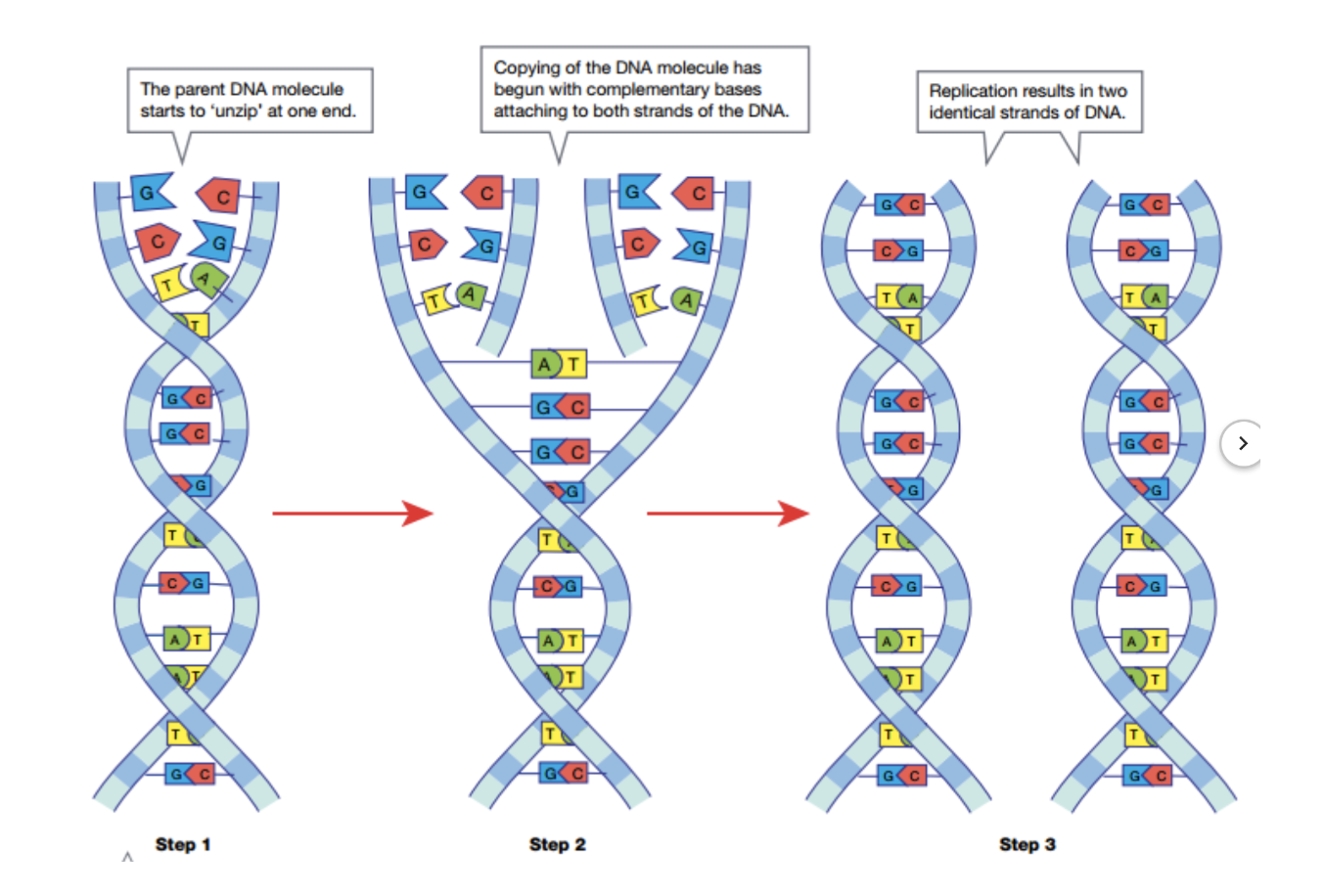
During DNA replication, DNA (in double helix structure) unwinds
↓
The enzyme (DNA helicase) ‘unzips’ DNA to become separate strands
↓
Enzyme DNA polymerase attaches to the DNA strands and adds complementary free nucleotides to the now exposed bases on both strands
↓
Forms 2 DNA molecules
↓
Strands twist to form a double helix shape
Mutagens and Mutations
Mutagens: are permanent changes to the genetic material of an organism
- Its DNA sequence or chromosome structure/number
- Completely random and accidental
Different types of mutations (Amoeba Sisters)
Silent mutations → neutral in effect
- Harmful mutations
- Beneficial Mutations
Factors supporting mutations
Chemicals/radiation - external factors
Issues in cell replication (interphase) - internal factors
Gene mutations
Substitution
Insertion
Deletion
NOTE: insertion and deletion are especially harmful in protein synthesis and can change entire sequences (amino acids are read in 3s and will create new - potentially non-functioning - proteins)
- Names frameshift mutations
Chromosome mutations - e.g. Down Syndrome (extra chromosome)
Duplication - extra copies of genes are produced
Deletion - some genetic material is not produced
Inversion - when broken chromosome segments get invested (reversed / swapped orders)
Translocation - fragments of one chromosome break off and connect to another chromosome
Extra vulnerable times (naturally occurring) when mutations can occur: DNA replication
Nondisjunction: a pair of homogenous chromosomes have failed to separate during anaphase so that both chromosomes pass to the daughter cell
- too many chromosomes in the daughter cell, not enough in the other
Mutations can be passed to offspring
- mutations replicate during DNA replication and may become permanent after cell reproduction
Mutations can suddenly occur as a result of errors during DNA replication, or they can be made my mutagens
Mutagen: causes for mutations
(increase the chance of mutations)
Types
Radiation - short wavelengths on EM spectrum such as UV rays, x-rays, and Gamma rays. Also alpha and beta particles from radioisotopes
Chemicals - can cause chemical changes e.g. cigarette smoke
Biological factors - some viruses can cause mutations (e.g. HPV), as well as some chemicals produced from some moulds
Mitosis and Meiosis
In sexual reproduction, two gametes join together (fuse). This is called Fertilisation.
Meiosis is a type of cell division where the number of chromosomes in the daughter cells is divided in two. This occurs to make gametes. It occurs in sex organs such as ovaries and testes and is needed for sexual reproduction.
Mitosis is a type of cell division where the number of chromosomes in the daughter cells is kept the same. This occurs to make an organism grow. It is also needed to repair an organism's body. It is also used to make new organisms in asexual reproduction.
Homologous Chromosomes
When we look at the chromosomes of an individual (the karyotype), we find that chromosomes come in pairs.
- These pairs of chromosomes are called homologous chromosomes
Each pair consists of 2 chromosomes which are the same length, (with same position for the centromere), and with the same genes at the same position along their lengths
One chromosomes from each pair comes from one parent, the other one comes from the other parent. The process of meiosis not only produces cells with half the number of chromosomes as the adult cells, but ensures that one chromosome from each pair goes into each gamete.
Phenotypes and Genes
Phenotype - the physical appearance of an organism (often) caused by the genetic information that is inherited from its parents
Gene - a part of a chromosome which contains the information for a particular characteristic (it does this by coding for a polypeptide (which folds to make a protein)
- Genes can exist in more than one form from within a species
The difference forms of a genes is called alleles
Each body cell may be the same form (identical alleles of homologous for the gene), or different forms (different alleles or heterozygous for the gene)
Parents of an organism produce gametes that contain one set of chromosomes and therefore only one allele of each gene.
An organism revieves 2 sets of chromosomes (one from the gamate of each parent). Therefore an organism receives 2 alleles of each gene, one from each parent.
These two forms of each gene can be identical (homologous) or they can be different (heterozygous), depending on the parents.
Dominant and Recessive forms
The two forms of a certain gene (alleles) are either dominant or recessive.
The dominant allele of a gene will ALWAYS show up in the organisms phenotype
The recessive allele of a gene will only show up in the organism if BOTH chromosomes contain the recessive form (no dominant allele)
- The dominant form of a gene represented by a capital letter
- The recessive form of a gene is represented by a lower case letter
Genotype - a description of the alles of a gene that a particular organism contains, normally denoted by letters (e.g. Cc)
Cross - two organisms being bred together
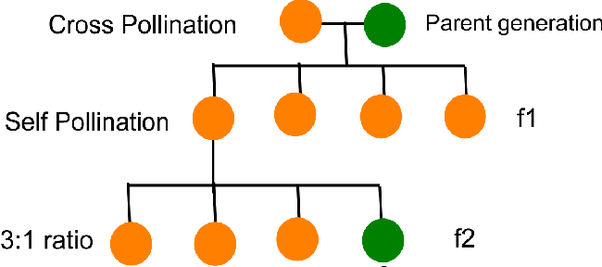
Geneticists study inheritance over 3 generations. They start with “true breeding” parents. This means they are both homologous for the gene being studied.
Crosses with 2 different homologous parents will always result in:
- An F1 generation that are all the same
- A phenotype ratio in the F2 generation of 3:1 (dominant: recessive phenotypes)
Punnet Squares - a way to predict the outcomes of a cross
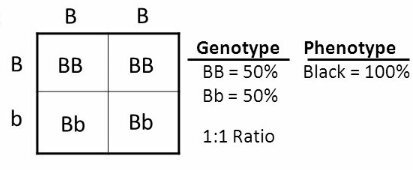
NOTE: if not given letters, assign letters to the alleles and provide a key
- always write the dominant allele first (i.e. Aa - not aA)
Gregor Mendel
Monk, who experimented with pea plant breeding
- exactly recorded the outcomes of interbreeding of beans (by observing phenotypes such as flower colour, pod colour, and shape)
- tested more than 20 000 peas over many generations
Mendel developed 3 principles of inheritance that described the transmission of genetic traits, before people know genes existed
Sex Linkage and Inheritance
Sex-linked traits - are controlled by genes on the sex chromosomes
- relates to the location of genes, not gender
2 types of sex cells in mammals: X and Y
Genes on the X chromosome = x-linked
Genes on the Y chromosome - y-linked
- X chromosomes are larger thus containing more genes
Men = XY
Women = XX
Notation:
You must always note which type of chromosome the allele is found on (i.e. Xb (b in superscript)
Y without a genes leave blank
Sex-linked genes have dominant/recessive interactions
- males only have one allele for x-linked genes, so it odesn’t matter if they are dominant or recessive
- Thus, males only need to inherit one copy of the allele to have the recessive phenotype
Therefore, it is more common for males to have recessive x-linked phenotypes
Y - linked chromosomes can only be inherited by males (less talked about as there are less in genes in the y chromosome)
Hemizygous - an individual who only has one member of a chromosome segment rather than two
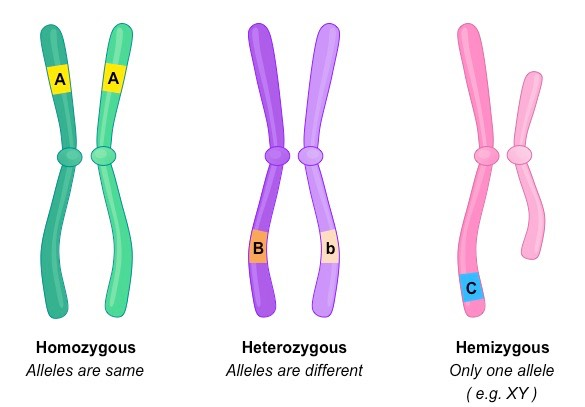
Carriers must be heterozygous individuals (showing dominant phenotypes with recessive allele), but have a recessive allele that they pass to their offspring.
Genetically modified organisms (GMOs)
Selective breeding (artificial breeding) - harnessing the existing, natural present gene variationsin species and crossing organisms with the desired to gene hoping to pass the gene off to their offspring.
- process of selecting plants and animals that possess more useful and attractive characteristics and breeding them
- hoping traits pass off the offspring
NOTE: selective breeding is driven by artificial breeding
Advantages: ability to obtain organisms with certain desireable traits
Disadvantages:
- may take may generations to achieve
- can onlyoccur within species that are closely related or a single species (due to ‘species barrier’ - the inability of gametes to fertilise those of another species)
- low chance of traits being expressed or achieved.
Genetic modification - the alteration of a genome of a plant or animal through the addition of genetic material.
Achieved through gentic engineering tools
- Organisms that have their genomes changed at a molecular level in a laboratory to express desireable traits are referred to as genetically modified organisms (GMOs)
- GMOs pass on genes to offsrping
The possess ‘novel genes’ - genes that do not occur in natural population (operated with biotechnology )
→ i.e. Gene or DNA segment addition, gene splicing
DNA is considered a universal code. Theoretically, genes with a specific phenotype of function can be transported into a different organisms, resulting in the expression of the same trait in a different organism.
Gene modification doesn’t always involve transferring genes, instead of transferring/adding a gene, you can turn it off.
Recombinant DNA technology - an examples of biotechnology of which technology combines DNA from different genes
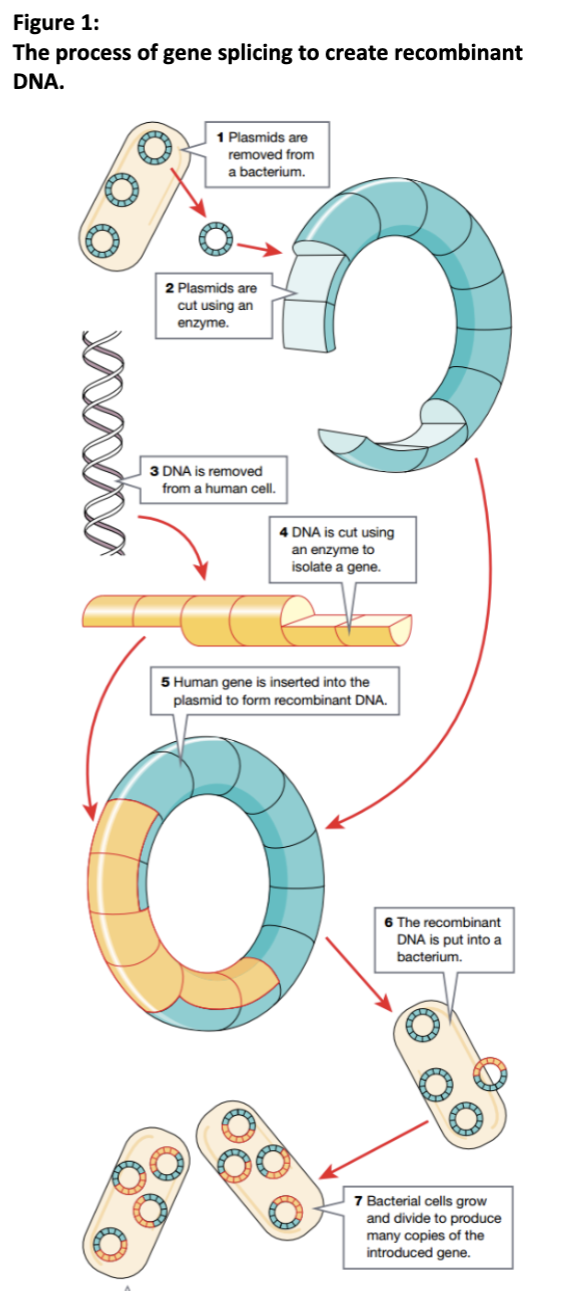
Bacteria have DNA in chromosomes but they also have separate rings of DNA called plasmids. Using special enzymes (called restriction enzymes), scientists can cut these plasmids open and splice (insert) desireabe genes into the plasmid from a cell from another organism, for example a human cell in a process called gene splicing
Gene Splicing (or gene silencing) - the mechanism in which cells ‘switch off’ large sections of chromosomal DNA
- process of gene regulation (at transcription or translation - protein synthesis) to prevent gene expression
- typically occurs through RNAi (RNA interference)
CRISPR-Cas9
In October 2020, Dr Jennifer A Doudna and Dr Emmanuelle Chorpentier were awarded the Nobel Prize in chemistry:
- responsible for the creation of CRISPR-Cas9
- awarded for '“the development of a method of genome editing”
CSIPR consists of molecular ‘scissors’ that cut the target DNA and a ‘guide’ which directs these scissors to the site in the DNA where the cut will be made
- In this technique, the Cas9 nuclease enzyme unwinds the double stranded DNA and the cuts both strands at a specific location.
- This allows a new DNA sequence to be inserted at this location
This technique is relatively cheap, quick, and easy to use, so a lot of scientists worldwide are using this technique in their research of various inherited diseases.
Usuing Recombinant DNA to extract DNA
Recombinant DNA technology has been used to splice the human gene that codes for Insulin production into bacteria
→ These bacteria are stored in vats (large fermentation tanks) where they can make large quantities of human insulin for use by people with diabetes
NOTE: Insulin controls blood sugar levels - helps move glucose from food consumption into cells to be stored as energy
Process re. Gene Splicing
Recombinant DNA technology is not used to produce many products using bacteria. As long as there is a gene that produces the product in another organism, then bacteria can be used as miniature factories to make the product
NOTE: these products must be types of proteins (or things proteins make) including:
- Some vaccines
- Enzymes used in the food industry - re.g. ennet for making cheese
- Human hormones for treating deficiencies - e.g. growth hormones
- Human clotting factors for people who haemophilia whose blood won’t clot
Notes on the following are in workbook (not currently being assessed):
- Human Genome project
- embryonic STEM cells and adults stem cells, and their possible uses
- Types of cloning i.e. therapeutic
- The role of technological development in advancing biological understanding
- Benefits and problems associated with biotechnology