Natural Selection
Definition of Natural Selection
Natural selection is defined as the process by which forms of organisms in a population that are best adapted increase in frequency. This concept is central to the understanding of evolution and the diversity of life.
Key Concepts in Natural Selection
Excess Fecundity
In every species, females produce more offspring (or eggs) than can survive. This leads to a competitive environment where species must compete for resources, space, and suitable environments necessary for their survival.
Example: Darwin's Elephants
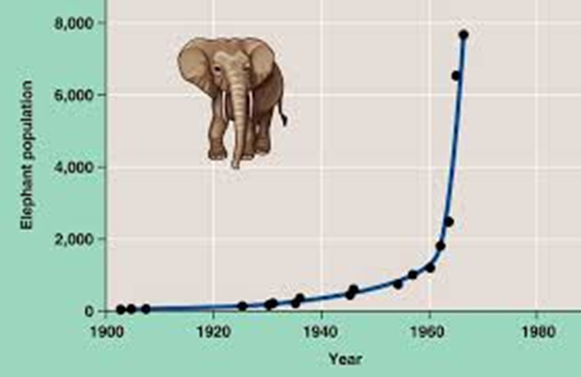
Darwin's observations included elephants, which are noted as the slowest breeders of all known animals.
They can live for up to 100 years, with a breeding period spanning from 30 to 90 years, during which they produce about 6 offspring.
If we consider that over a span of approximately 740 to 750 years, around 19 million living elephants could descend from a single pair, this illustrates the implications of high fecundity and the long-lasting impact of reproductive success in populations.
Types of Variations in Populations
Variation within populations can be classified into two major types:
Continuous Variation
Examples include:
Height
Body size
Skin color
Eye color
Discrete Variation
Examples include:
Sex
Blood group
Tongue rolling
Attached earlobes
Conditions for Natural Selection
Natural selection operates under the following conditions:
Reproduction: Individuals must be able to produce a new generation.
Inheritance: Offspring should predominantly resemble their parents in traits.
Variation: Individuals in a population are not completely identical; variation is essential for natural selection.
Variation in Fitness: Certain characteristics confer advantages in terms of reproductive success, thus allowing individuals to produce more offspring.
Types of Variations in Populations
Morphological Variation: This includes physical features and polymorphism, where more than one recognizable form exists within a population.
Cellular Variation: Refers to differences in the number and structure of chromosomes, presence or absence of genes, and proteins.
Biochemical Variation: Involves the sequence of amino acids within a protein.
DNA Variation: The sequence of nucleotides within genes, which can be analyzed through techniques such as RFLP (Restriction Fragment Length Polymorphism).
Role of Mutation and Recombination
Mutations and recombination are the sources of genetic variation; however, these processes occur in variation but are not random. The frequency of characteristics in a population, such as body size, can be affected by the introduction of new genetic variants through these processes.
Case Study: Pink Salmon in the Pacific Northwest
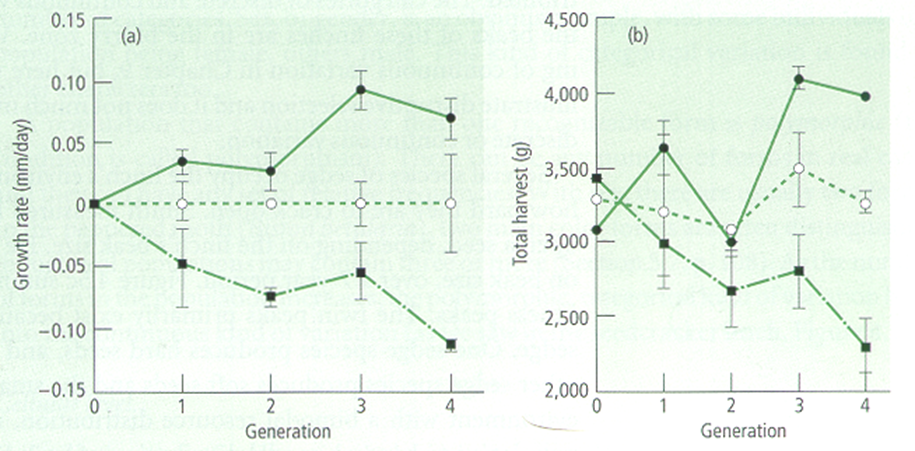
Research indicates that pink salmon populations in the Pacific Northwest have been experiencing a decrease in size
This phenomenon is attributed to increased fishing practices, specifically more selective gill netting since 1945.
The consequence of this selection pressure has resulted in an unexpected effect—the linkage between smaller sizes and slower growth rates.
This drives the emphasis on fecundity, as smaller fish tend to breed less frequently and lay fewer eggs than their larger counterparts, highlighting the nuanced impacts of fishing practices on natural selection dynamics (Conover & Munch, 2000).
Human Birth Weight Studies
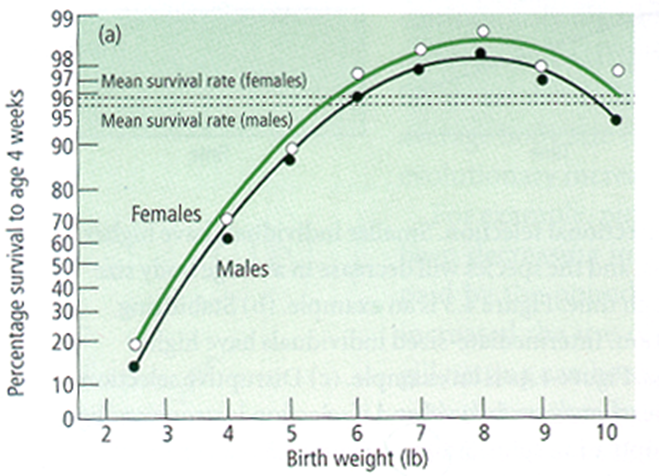
Notably, studies based on human birth weights conducted in London, UK, from 1935 to 1946 revealed that babies that were heavier or lighter than average experienced differing survival rates.
This historical data suggests that natural selection has influenced human birth weights over time based on survival fitness.
Example: African Finch Species
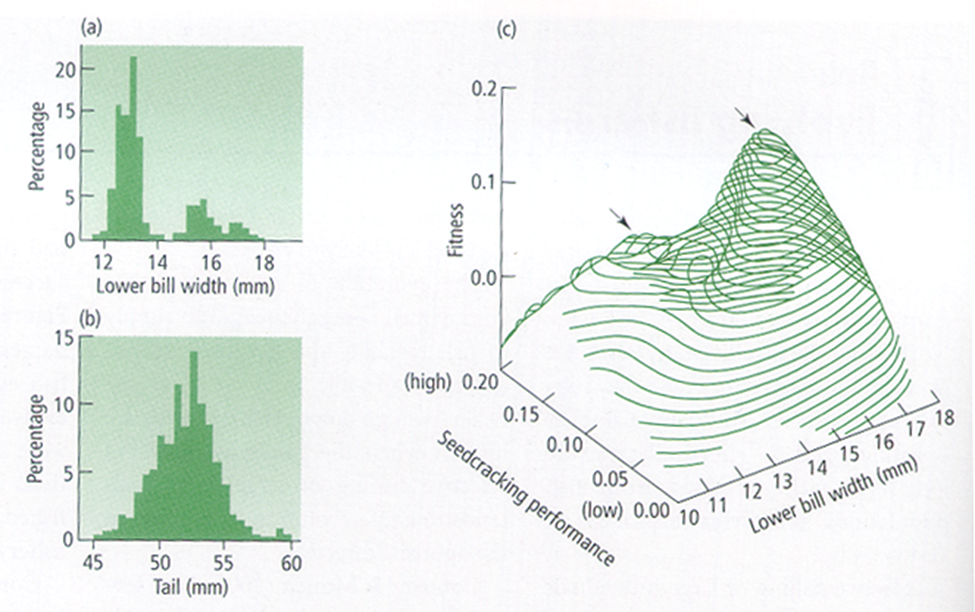
The Black-bellied seed-cracker, an African finch, is another representative of natural selection in action. This species interacts with varying seed strengths in its environment, with several sedge species producing hard and soft seeds.
Finch bills exhibit bimodal resource allocation: smaller-billed individuals specialize in soft seeds, while those with larger bills are adapted to consume harder seeds.
Researchers question whether this observed variation represents a speciation event or merely an adaptation to resource availability, showcasing the complexities inherent in evolutionary processes.