Virus Influenza
Zoonoses Associated with Agriculture
Human-Livestock-Wildlife Interface: The interactions between humans, livestock, and wildlife destruction to clear land for agricultural use that can facilitate the transmission of zoonoses.
Global Commerce in Livestock Products: The increasing trade of animal products, which can lead to zoonotic disease spread across borders.
Increased Demand for Animal Protein: The growth in consumer preferences for animal protein, resulting in intensified animal farming.
Loss of Wildlife Habitat and Ecosystem Degradation: The conversion of wildlife habitats into agricultural land, causing ecological imbalances.
Increased Opportunity for Human-Animal Interaction: More frequent interactions between humans and animals due to agricultural practices.
Emerging and Re-emerging Zoonoses (1996-2002)
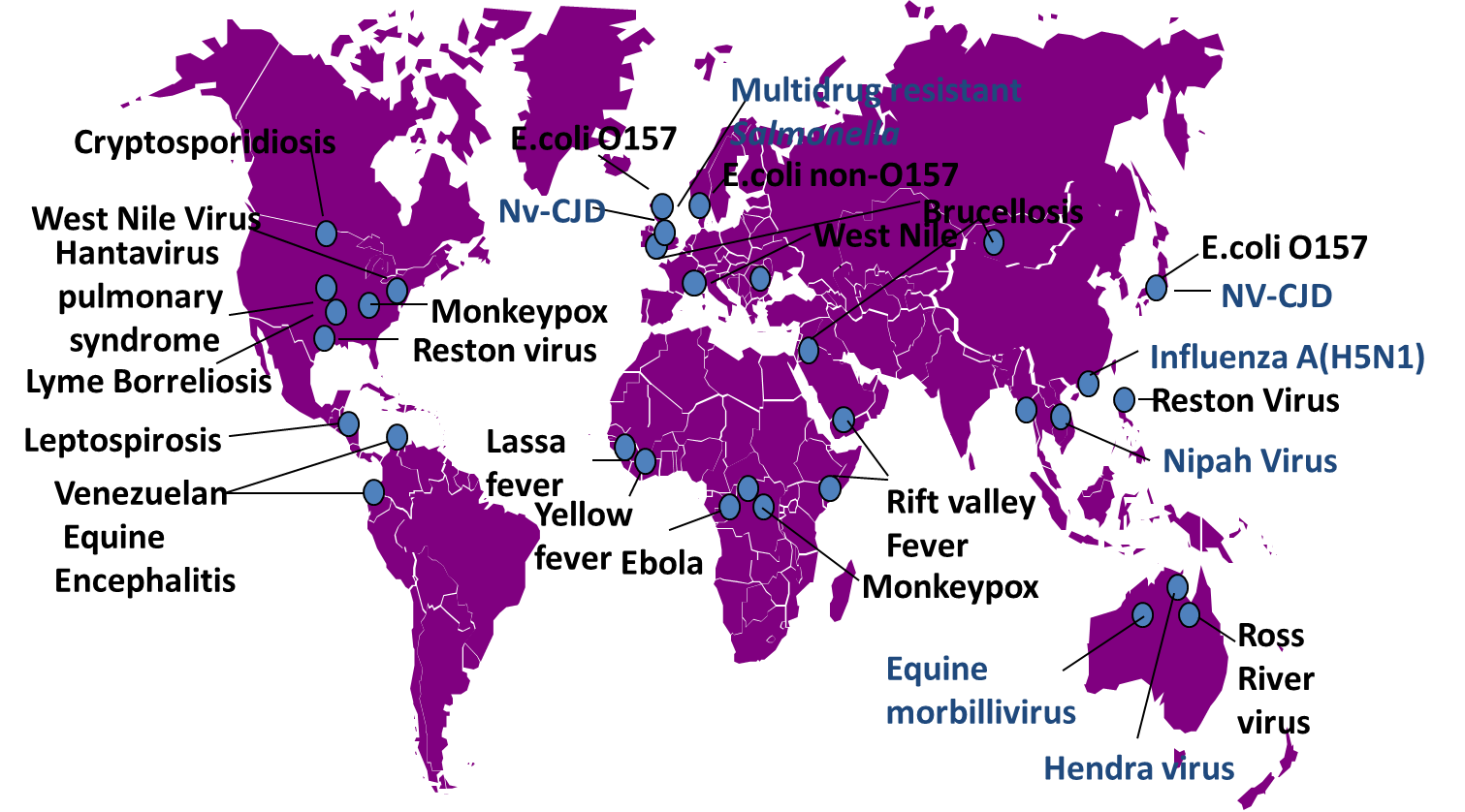
Pathogen-Disease-Transmission Overview
Disease | Pathogen | Animals Involved | Mode of Transmission |
|---|---|---|---|
Haemorrhagic Fevers | Ebola Virus | Chimpanzees, gorillas, fruit bats | Through body fluids and organs |
Influenza | Influenza Virus | Horses, pigs, domestic/wild birds, farmed carnivores | Droplets transmitted through air |
Disease X? | 1918 Flu Pandemic | - | - |
The 1918 flu pandemic:
Duration: January 1918 – December 1920
Infected approximately 30% of the global population.
Caused upwards of 50 million deaths globally.
Influenza Virus Overview
Family: Orthomyxoviridae (the name derived from "myxo" meaning mucus).
Main Types:
Type A: Affects multiple species; associated with seasonal epidemics and pandemics.
Type B: Primarily affects humans; associated with seasonal epidemics.
Type C: Affects humans and swine, generally less significant.
Type D: Affects cattle and pigs.
Genomic Structure: Consists of 7-8 RNA segments coding for 9-10 proteins.
1918 “Spanish” Influenza
Strain Information: Avian-derived adaptation of the H1N1 strain.
Associated with animal and mini-outbreaks occurring in the year preceding the pandemic.
Spread significantly facilitated by troop movements during World War I.
Estimated total deaths: 40-100 million, exceeding those from the 1914-1918 war.
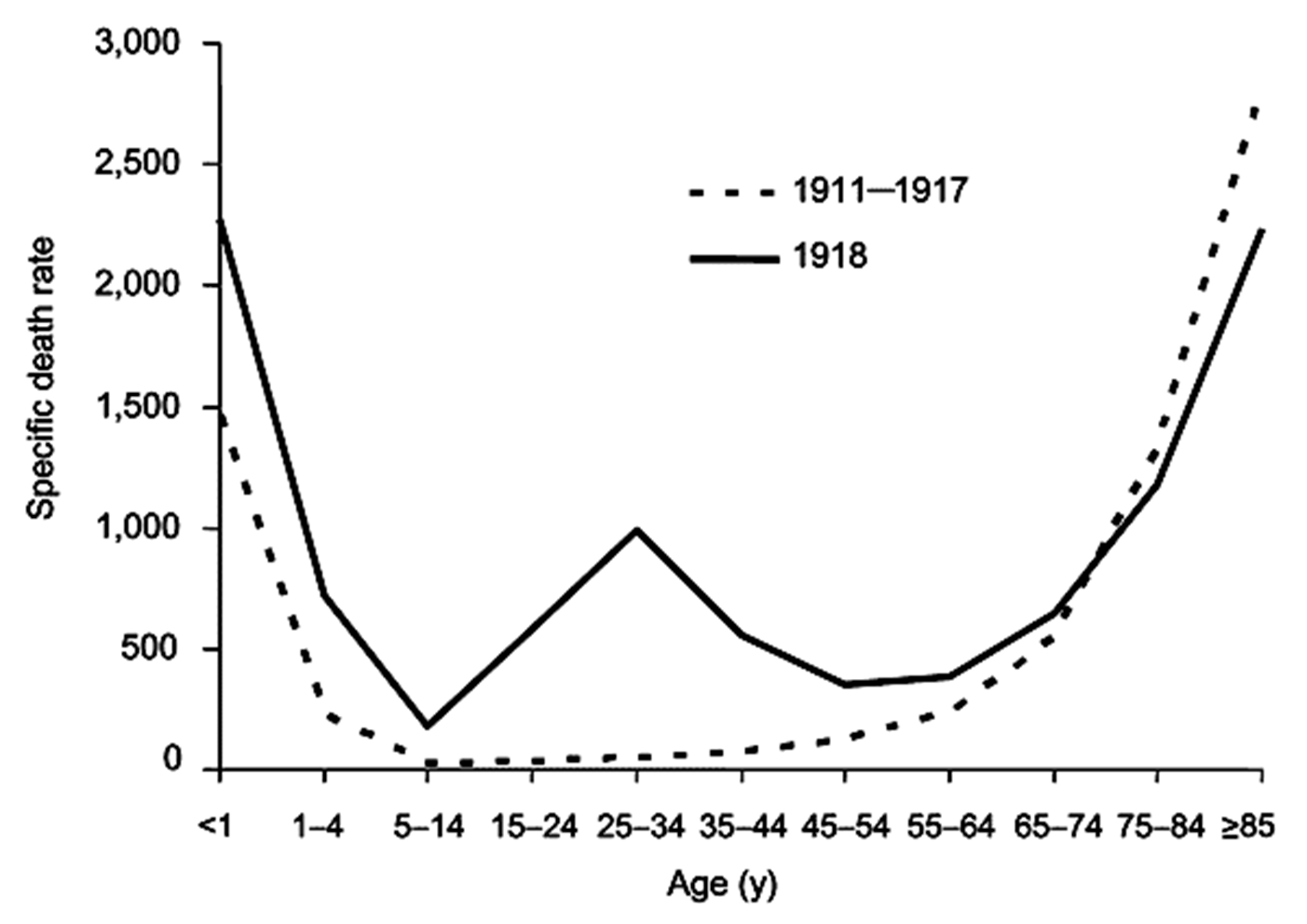
Unusual infection demographics for Spanish flu
Typically infectious diseases kill young and old
Influenza shows a spike between 20 - 30
Healthier immune systems meant immune systems were more likely to enter over drive
Physical Features of Influenza A
Genome Structure:
Negative-sense, single-stranded RNA (ssRNA).
Composed of 8 linear chromosomes, approximately 13,000 nucleotides in length.
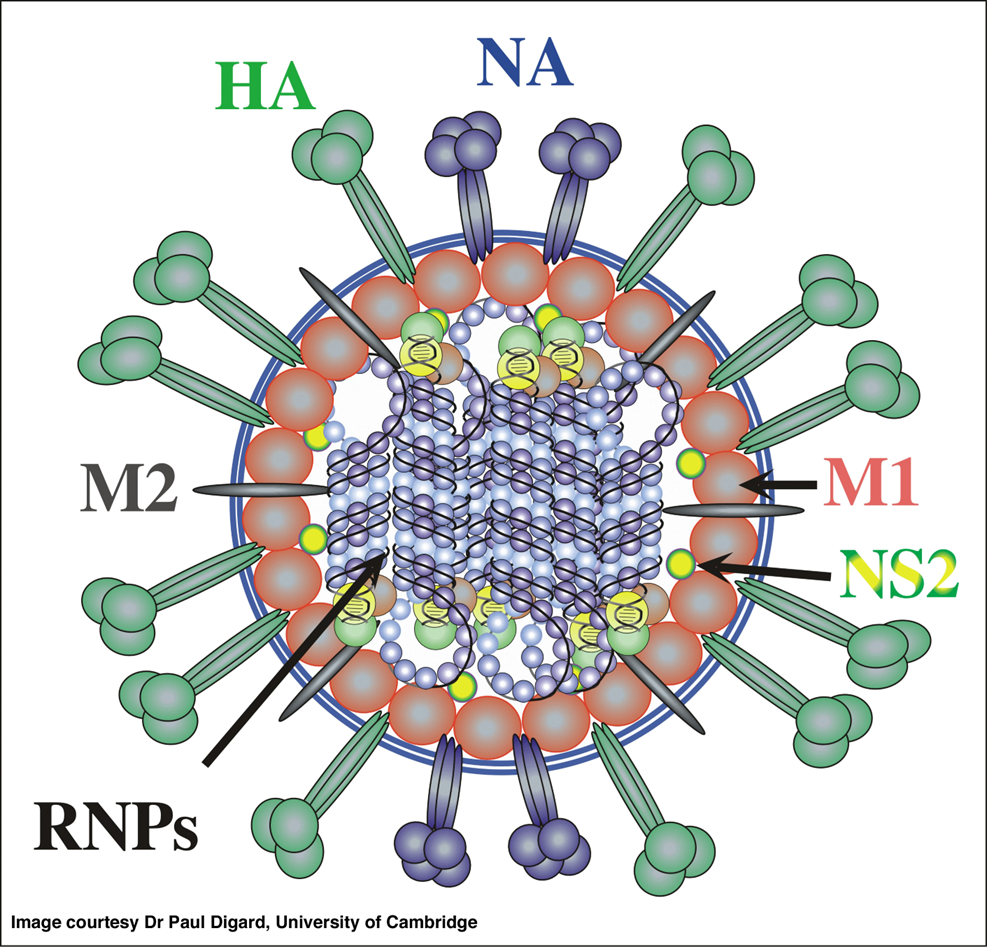
Gene and Protein Makeup:
Important proteins include Matrix Protein 1 (M1), Matrix Protein 2 (M2), Hemagglutinin (HA), and Neuraminidase (NA).
Hemagglutinin (HA): 18 subtypes
Neuraminidase (NA): 11 subtypes.
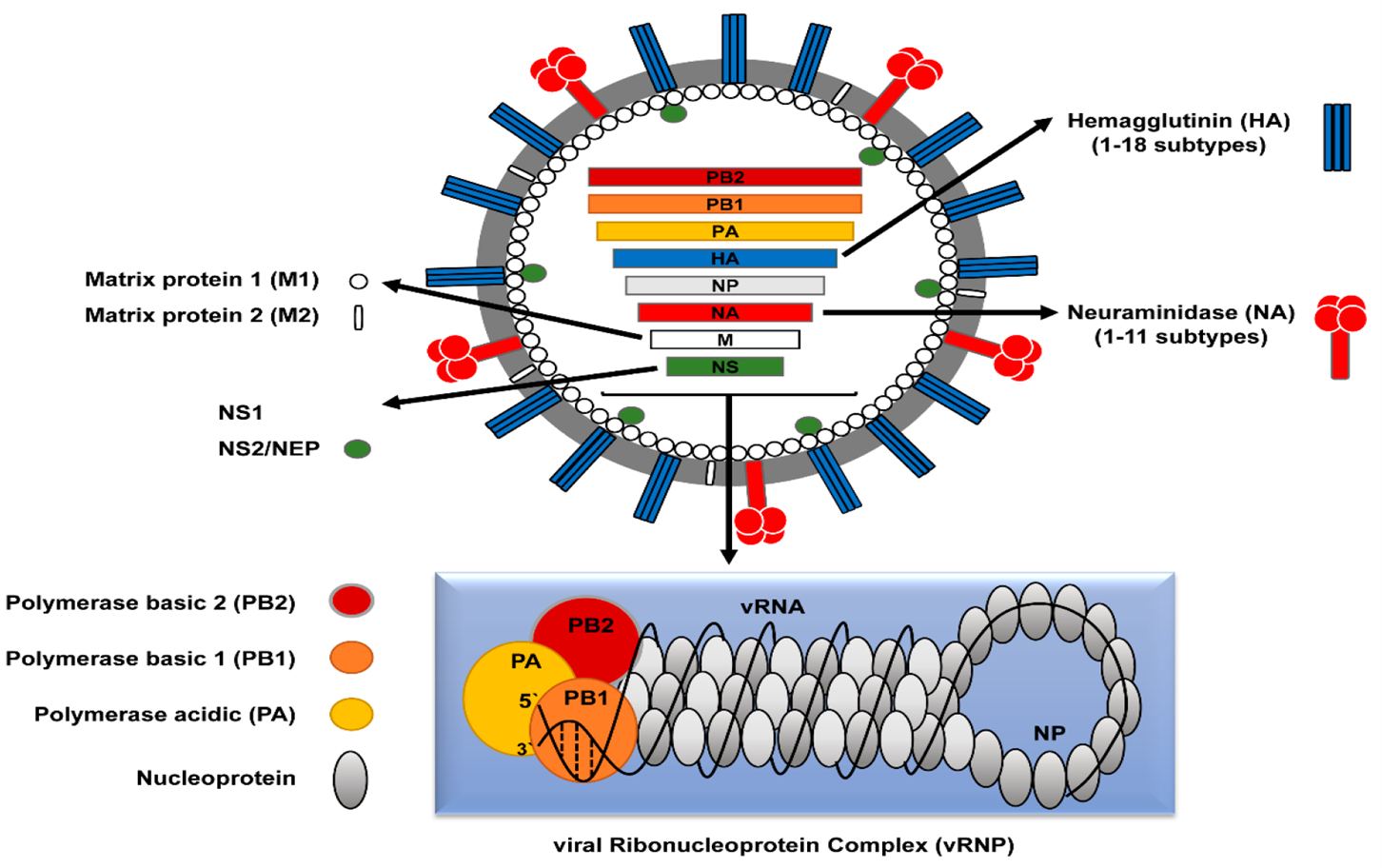
Glycoproteins in Influenza A
Role: Facilitate entry and exit of viruses.
HA binds to sialic acid, assisting viral entry into host cells.
NA cleaves sialic acid, aiding in the release of new viral particles from infected cells.
Pathogenicity: H5N1 is classified as a highly pathogenic avian influenza virus.
Aquatic Birds are natural hosts
Wild birds may be heavily infected without apparent disease.
Shed avian Influenza A viruses in their saliva, nasal secretions and faeces.
Duck faeces may contain up to 1 x109.7 infectious doses per gram.
Virus may persist for >100 days <17 oC and overwinter in ice.
Other species may be infected, e.g. seals, mink, pigs, ferrets, horses, tigers.
Symptoms
Incubation period: 3-14 days
Birds found dead
Drop in egg production
Neurological signs
Depression, anorexia, ruffled feathers
Combs swollen, cyanotic
Conjunctivitis and respiratory signs
Seasonal Influenza
6th largest cause of death in the USA
Extremely contagious
Highly efficient transmission by aerosol and with contaminated items
3 - 9 have asymptomatic patients
Clinical Features of Influenza
Transmission: Highly contagious; primarily via aerosols or contaminated surfaces (fomites).
Symptom Onset: Rapid
Fever (pyrexia), headache, muscle aches (myalgia), anorexia, malaise.
Incubation phase: 2-4 days
Acute phase: 3-7 days
Complications:
Severe inflammatory responses leading to respiratory failure or hypoxia.
Secondary infections from pathogens such as Streptococcus and Staphylococcus, potentially leading to septic shock.
Pandemic Influenza Threats
Public Health Concern: Pandemic influenza represents a major health risk due to lack of pre-existing immunity.
Known Issues: Some viral isolates display anti-viral resistance and vaccination gaps.
Potential Projected Pandemic Costs: 10-180 million deaths globally, with significant economic impacts (2-3.1% of global GDP, estimated > $2 trillion).
Historical Data on Influenza Pandemics
Estimated Deaths:
1918 Spanish Flu: 50+ million - H1N1
1957 Asian flu: ~2.5 million - H2N2
1968 Hong Kong flu: ~1 million - H3N2
1977 Russian flu: ~0.5 million - H1N1
2009 Swine/Mexican flu: >17,000 - H1N1
Antigenic Changes in Influenza A
Antigenic Drift:
Viral replication is error-prone, leading to sequence variations in HA and NA that can produce escape mutants.
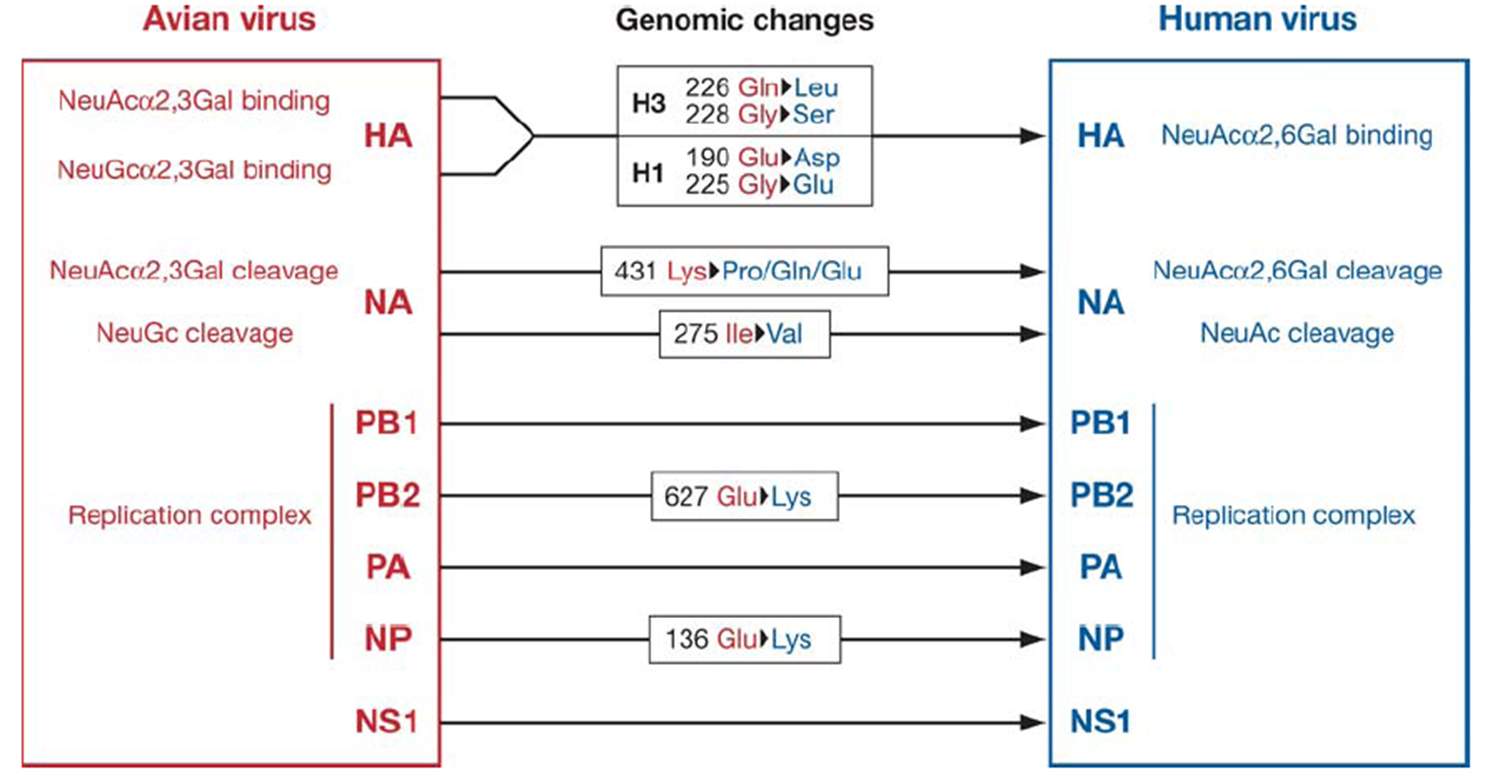
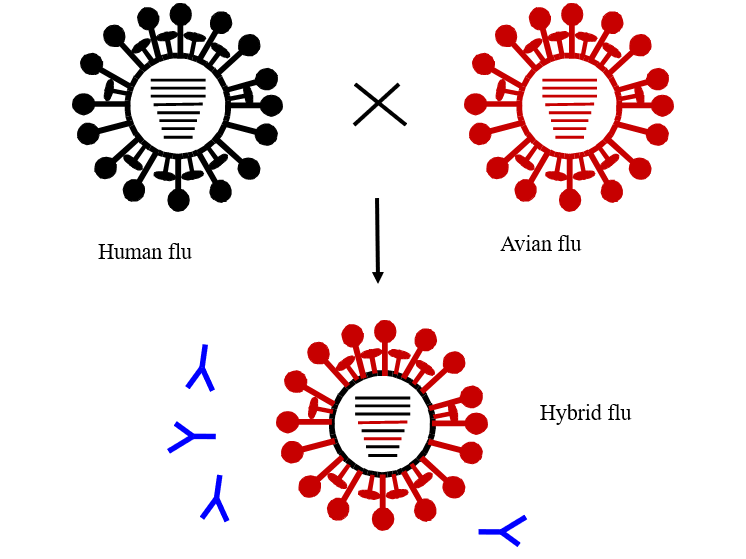
Antigenic Shift:
Through reassortment, avian influenza A can shift greatly in human host adaptation.
Vaccination Against Influenza
Strategies:
Inactivated Influenza Vaccines (IIV)
Live Attenuated Influenza Vaccines (LAIV)
Recombinant Influenza Vaccine (RIV): Involves HA gene incorporation into baculovirus, produced in insect cells.
Current vaccines include both trivalent (3 strains) and quadrivalent (4 strains) formulas.
Future Considerations
Current Situation of H5N1:
H5N1 continues to pose a risk with recent outbreaks in livestock across multiple states in the USA.
Potential for a pandemic due to H5N1 human adaptation or reassortment events leading to new strains capable of human transmission.