3.1.3 - Lipids
Thursday 21st September ‘23
Scientific name for molecules found in fats & lipids.
Functions:
Major source of energy in the diet
Used to store energy (eg Adipose tissue which is found under human skin).
Helps to insulate the body, reducing heat loss to the environment. Also found around internal organs to protect from injury.
Waterproofing (eg oils which coat feathers of aquatic birds).
Major part of the structure of membranes (such as those which surround cells and mitochondria).
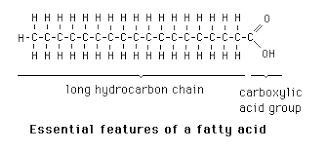
Fatty acid molecules:
Hydrocarbon chain (can be monounsaturated, polyunsaturated or saturated). The large number of carbon and hydrogen atoms cause lots of energy to be released from lipids.
Carboxylic group (COOH) forms ester bonds with the three hydroxyl group. Ester bonds are broken by lipase enzymes in a hydrolysis reaction (requires 3 water molecules).
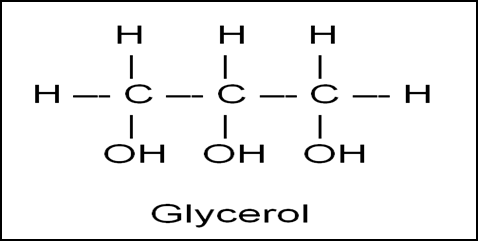
Glycerol molecule:
Three hydroxyl groups so esterification (condensation reaction) happens thrice.
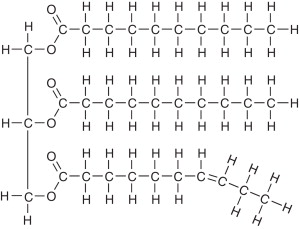
Triglycerides
1x glycerol, 3x fatty acids
Non-polar so hydrophobic. They are insoluble as they face inwards, and the glycerol heads shield them from water.
Phospholipds
1x glycerol, 2x fatty acids, 1x negative phosphate ion