4 - Job Analysis and Job Design
Why do we analyze jobs:
Connecting jobs to strategy
Increased productivity and efficiency
Safer and healthier jobs
Compensation and rewards
Managing performance
Avoiding job overload
Outsourcing and aoffshoring
Job satisfaction and motivation, employee retention
Technology and resource requirements
Understanding what jobs will be impacted and replaced by automation
Training needs
Recruitment and selection
Determining reasonable accommodations and essential duties for people with disabilities
Reworking jobs for injured workers
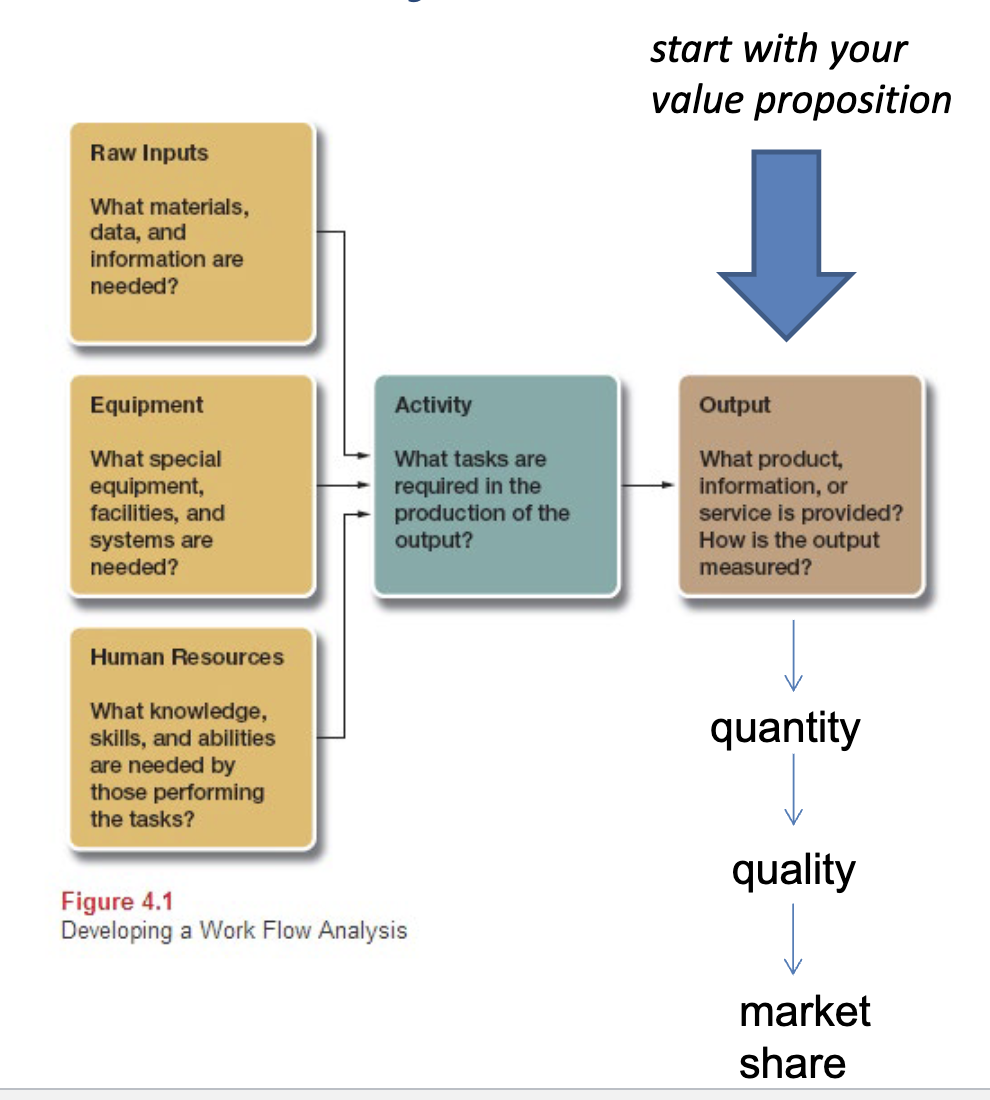
Framework: workflow analysis
Informed decisions about jobs take place through workflow analysis
With the knowledge gained from the workflow analysis, we can start to assign tasks to certain jobs and positions
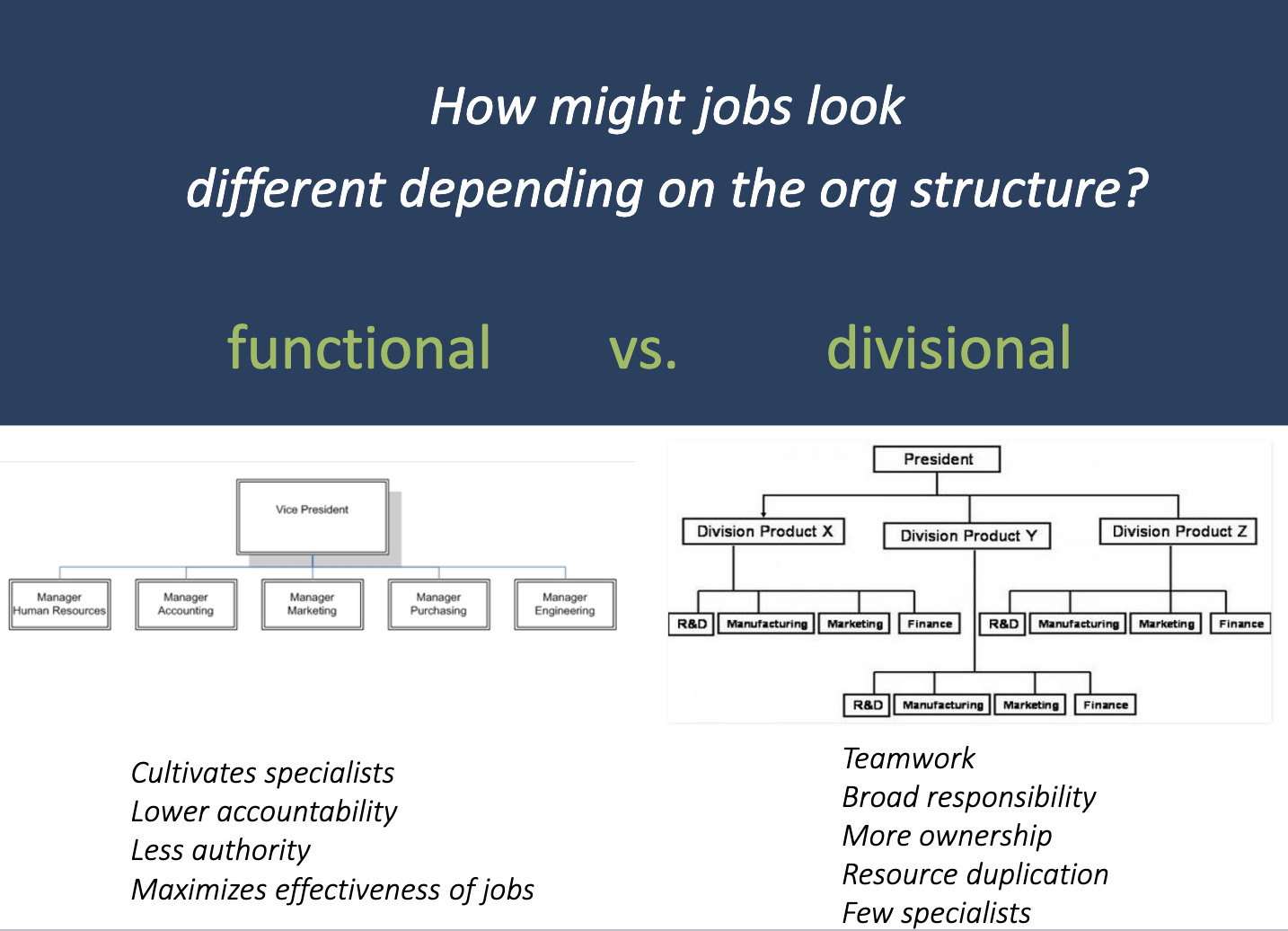
The nature of jobs is related to an organization’s structure (and culture)
Structure involves the placement of power and authority in the organization
Examples: functional, divisional (product, consumer, geographical)
How do we analyze jobs?
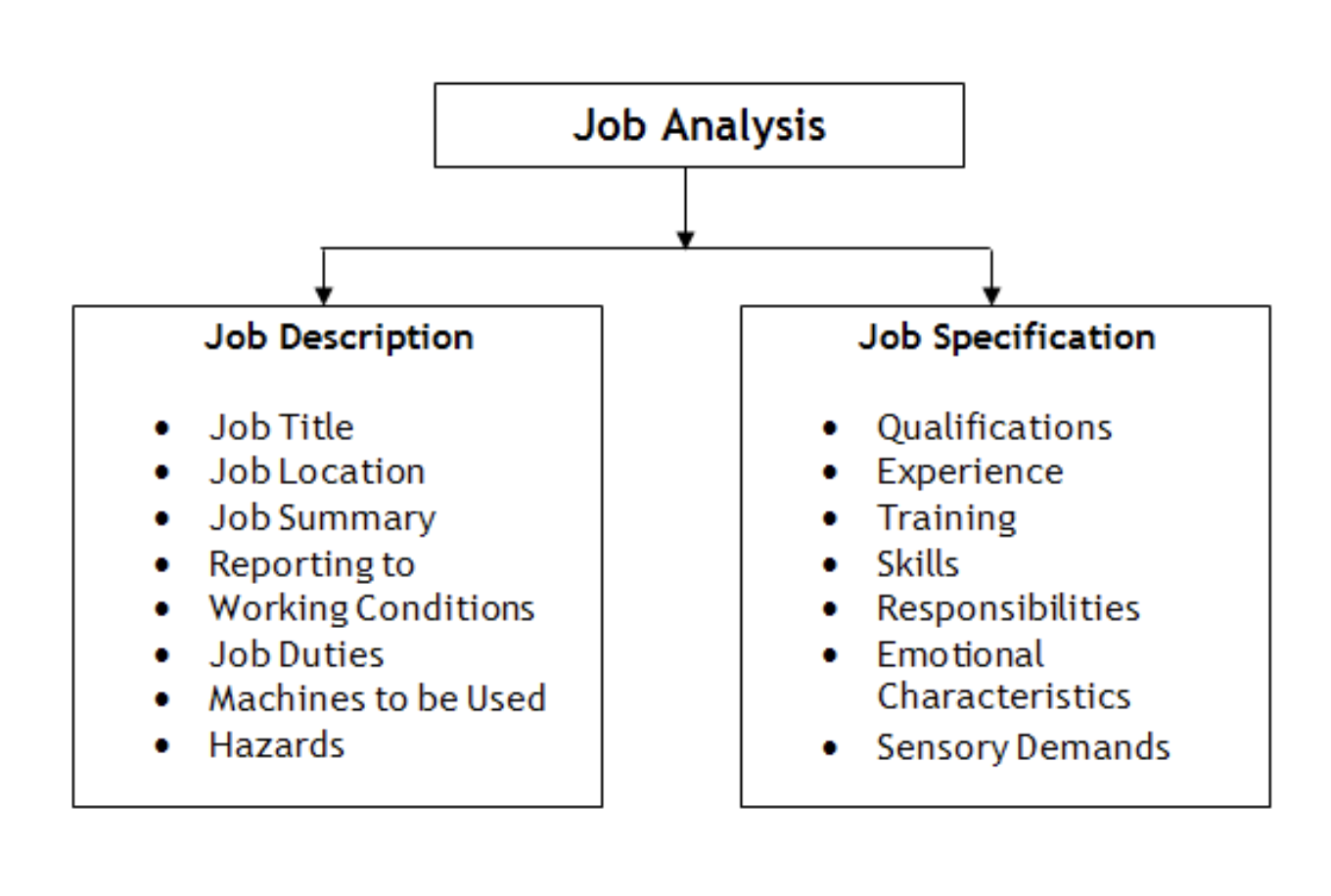
Job analysis
Process of getting detailed information about jobs
Analyzing jobs and understanding what is required to carry out a job
Provides essential knowledge for staffing, training, performance appraisal, and many other hr activities
Conducting john analysis
Where do we get information about jobs?
Incumbents
Interview
PAQ–Questionaire with 194 items that include information input, mental processes, work output
Observation
Customers
External job analyst
O*Net
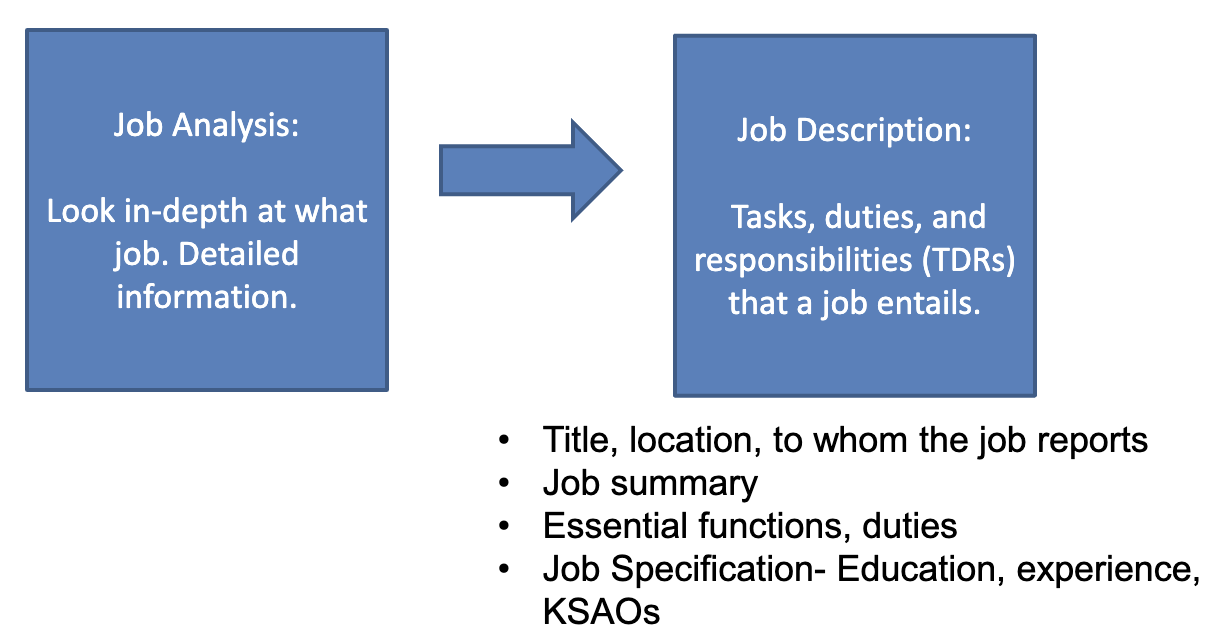
From job analysis to job description
Once we have analyzed a job, we can create a job description
What are KSAOs?
Knowledge
Something you could write out or explain
Declarative
Knowing information
Procedural
Knowing how
Skill
Can be demonstrated
Occurs over time
Produces tangible work outcomes
Includes physical, mental, and social
Ability
Capacity to develop
Learn quickly and deeply
“Born leader”, “naturally smart”
Knowledge: a body of information that can be applied directly to the performance of tasks
Business and management, manufacturing and production, engineering and technology, mathematics and science, health services, education and training, arts and humanities
Skill: an observable competence for working with or applying knowledge
Content (e.g., reading comprehension, writing, math, science), processes (e.g., critical thinking, learning strategies), social skills, complex problem-solving, technical skills, system skills (e.g., judgment, decision making, analysis), resource management (time, financial, material, personnel)
Ability: an enduring trait that is useful for learning about and performing a range of tasks
Verbal ability, idea generation and reasoning, quantitative, memory, perception, strength, endurance
Other attributes
Personality traits, values and interests, training and experiences
Teaching KSAOs
Knowledge= principles of learning, pedagogy
Skill: utilizing canvas and online tools to present information
ability= effective communicator
other= committed to helping students learn
Conflict management KSAO
knowledge= how to de-escalate a heated situation. How to work toward collaboration and cooperation
skill= complex problem-solving in difficult situations
Ability- effective communicator. Empathetic. Ability to stay calm
other= persevering attitude. Caring
Competency-based job analysis
Competency – the “must haves”
What capabilities do we want all employees to have
Occupational groups (not just jobs)
Levels of the organization
The entire organization
Core competencies differentiate an organization from its competition– they create a company’s competitive advantage in the marketplace
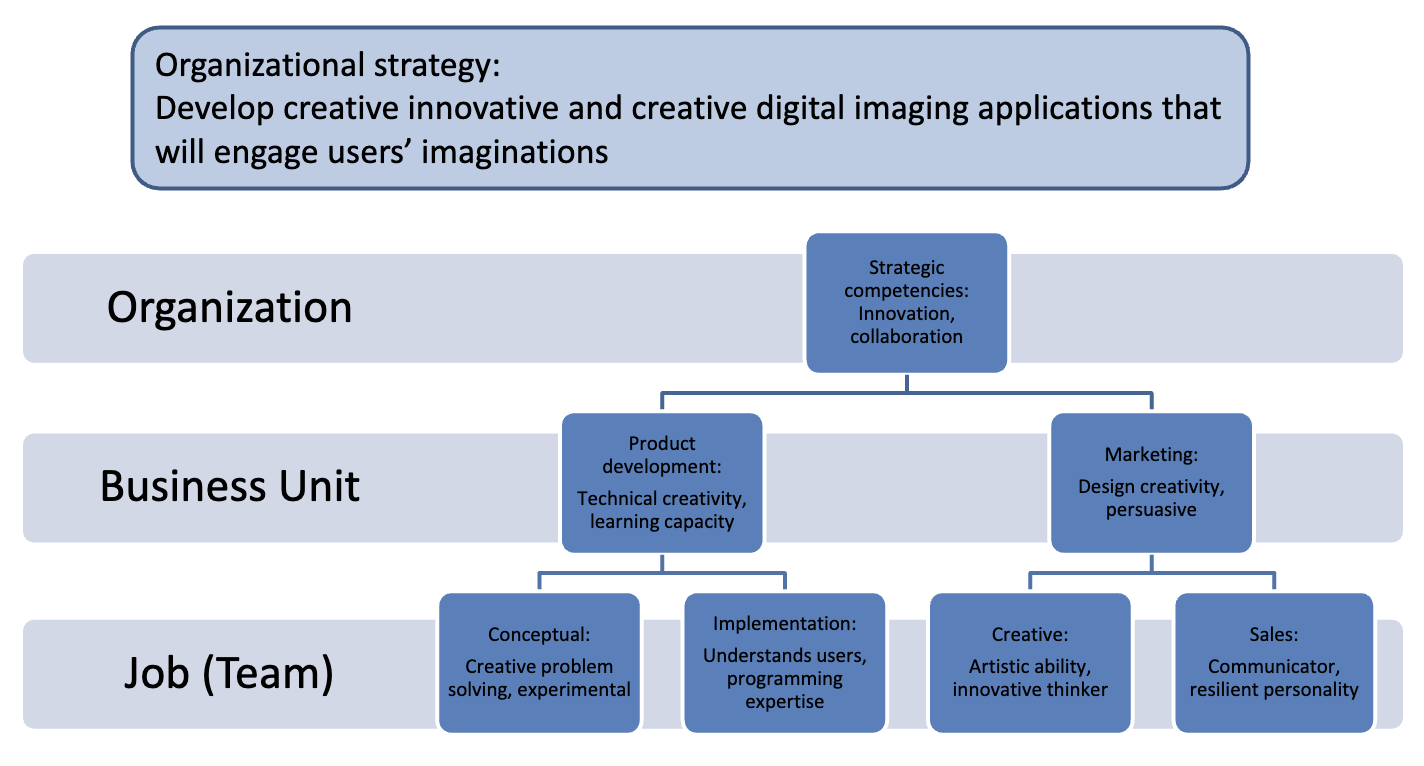
We must recognize the characteristics and capabilities that help us achieve those as an organization and link competencies to our strategy and value proposition
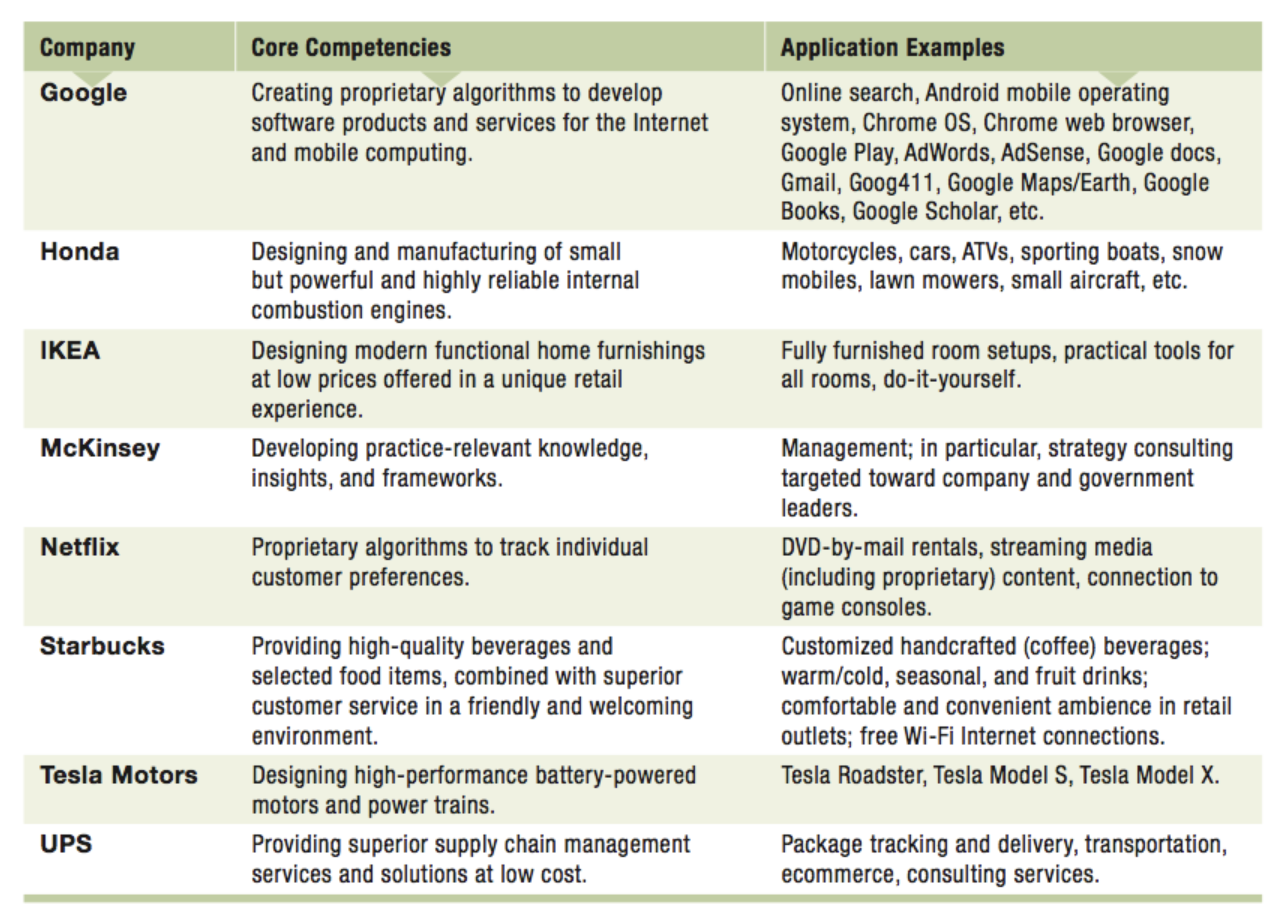
Competency-based job analysis
Level of the organization
Across occupational groups
Across an entire organization
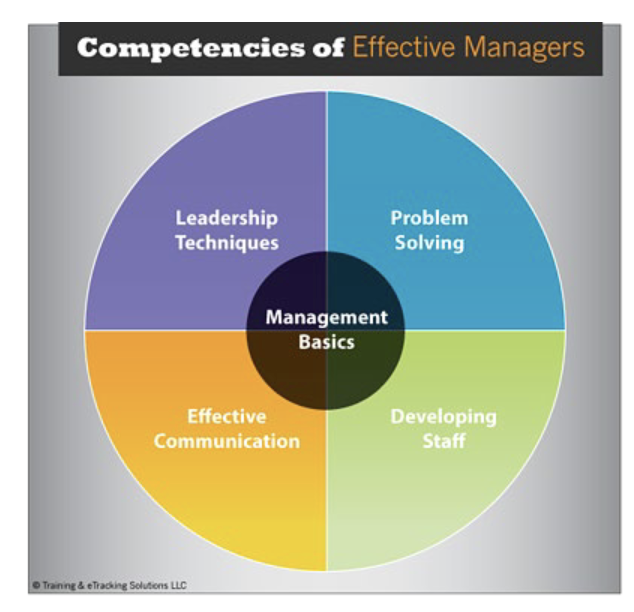
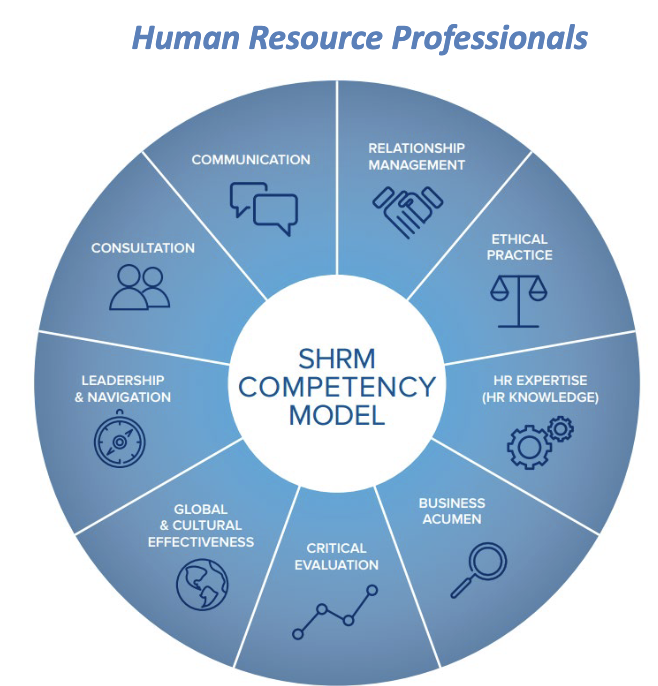
Job design
Generally speaking, job analysis is for existing jobs. Job design is for new jobs (but we can redesign existing jobs too.
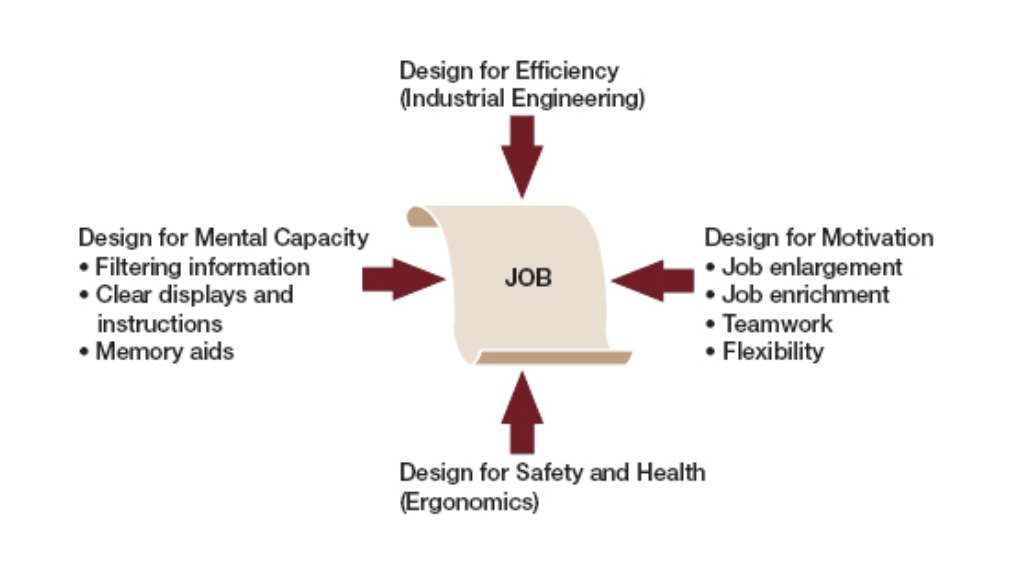
Design for efficiency
Industrial engineering or scientific management
“The one best way”
Identify the most efficient sequence of motions
Often assembly line-type work
Repetitive
Boring
Jobs may seem meaningless
Must attempt to avoid RSI (repetitive stress injuries)
Design for motivation
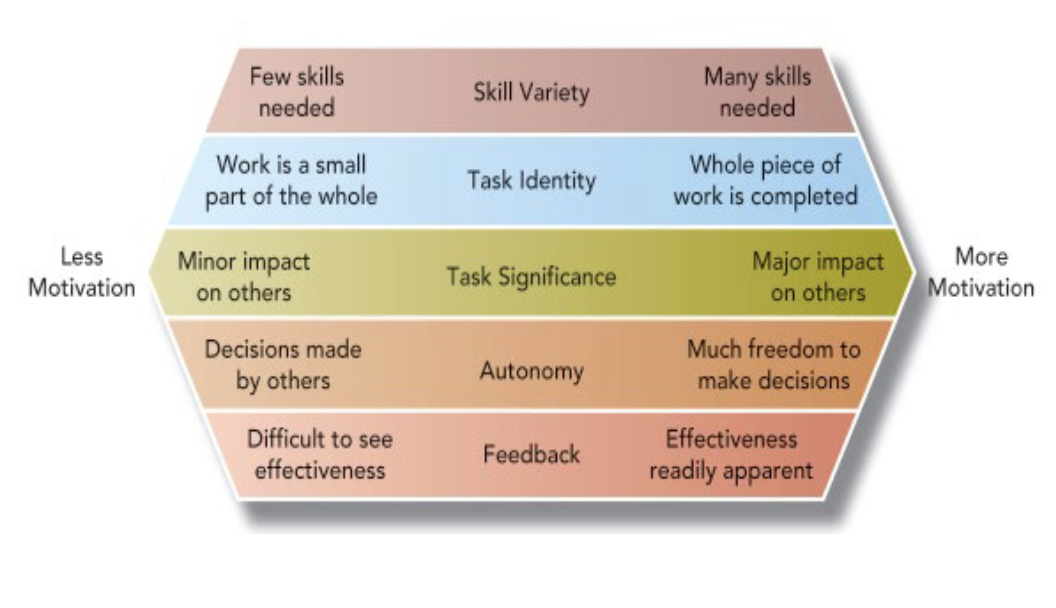
A model that shows how to make jobs more motivating is the job characteristics model developed by Richard Hackman and Greg Oldman
Jobs scoring high in terms of a combination of these five areas resulted in higher job satisfaction than those scoring low
For a job to be intrinsically motivating, all five areas must be present to some extent
Motivation through personal management
Job enlargement
Increases the number of different tasks in a given job by changing the division of loabr
Reduces boredom and fatigue and may increase motivation
Examples include job extension and job rotation
job enrichment
Increases the degree of responsibility a worker has over a job
Increases involvement and thus increases worker’s interest
self-managed and self-directed work teams,
Telework
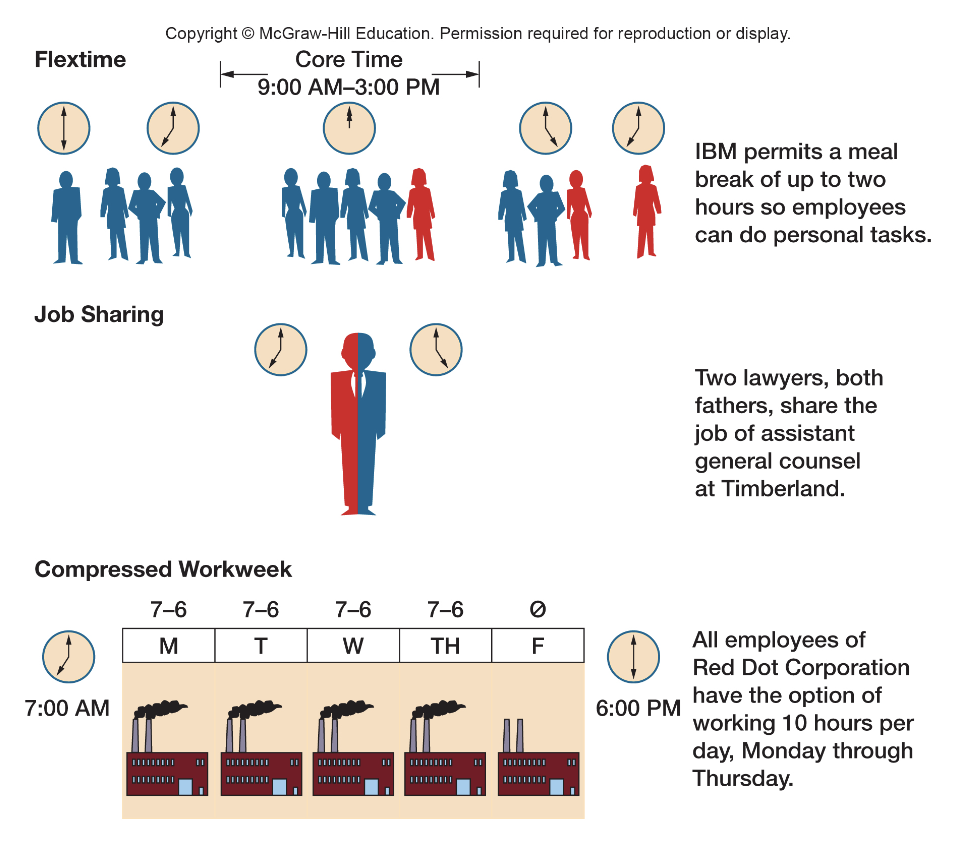
Motivation through scheduling
Design for safety and health
Job safety analysis also called job hazard analysis
Ergonomic job design
ergonomics
Study of the interface between an individual’s physiology and characteristics ofthe physical work environment
The goal is to minimize physical strain on the worker by structuring the physical work environment around the way the human body works
Redesigning work to make it more worker-friendly can lead to increased efficiencies
Design for mental capacity
Designing jobs so that they can be accurately and safely performed given the way the brain processes information
Reducing the information-processing requirements of a job