SCIENCE 8 REVIEWER
LESSON 1: BIOLOGY LAB TOOLS
> CONTAINERS:
Beaker - measures volumes of liquids, made of pyrex
Erlenmeyer Flask - mixing chemicals, measures volume
Test Tube - holds small amount of liquids, made of pyrex
Petri Dish - for bacteria cultures, made of pyrex
> AUXILIARY/SUPPORT:
Wire Gauze - spreads out heat, supports apparatus
Test Tube Rack - holds test tubes for drying/observing
Tongs - picks up or holds hot items
Test Tube Holder - holds test tubes
Test Tube Brush - cleans test tubes
Spatula - scoops/gets solid chemicals from containers
Funnel - holds filter paper, used for transferring liquids, used for filtering
> MEASURING:
Graduated Cylinder - measures ACCURATE volumes
Digital Balance - measures mass in GRAMS/KILOGRAMS
Meterstick - measures length, distance or height
Thermometer - measures temperature in CELCIUS
> DISSECTING:
Forceps - used to pick up SMALL items
Dissecting pins - holds specimen in place
Dissecting scissors - used to cut the specimen
Dissecting pan - holds specimen for dissection
Scalpel- small, sharp knife to dissect the specimen
> OBSERVING:
Coverslip - used to cover specimen when on the glass slide
Glass slide - provides a mounting surface
Magnifying glass - magnifies small objects
Microscope - used to enlarge images that are not seen with the naked eye
> HEATING:
Alcohol lamp - uses alcohol to heat
Bunsen Burner - used to heat, has a knob
LESSON 2: PARTS OF THE ATOM
> ATOM - smallest particle and smallest unit of life
> PARTS OF AN ATOM:
(subatomic particles)
Proton: positive charge (+)
Neutron: no/neutral charge
Electron: negative charge (-)
(Nucleus: middle of the atom, contains PROTONS AND NEUTRONS)
> HOW TO FIND:
Mass number: PROTON + NEUTRON
Atomic number: PROTONS
Neutrons: MASS NO. — PROTONS
LESSON 3: ELEMENTS 1-30
Hydrogen - (H)
Helium - (He)
Lithium - (Li)
Beryllium - (Be)
Boron - (B)
Carbon - (C)
Nitrogen - (N)
Oxygen - (O)
Fluorine - (F)
Neon - (Ne)
Sodium - (Na)
Magnesium - (Mg)
Aluminum - (Al)
Silicon - (Si)
Phosphorus - (P)
Sulfur - (S)
Chlorine - (Cl)
Argon - (Ar)
Potassium - (K)
Calcium - (Ca)
Scandium - (Sc)
Titanium - (Ti)
Vanadium - (V)
Chromium - (Cr)
Manganese - (Mn)
Iron - (Fe)
Cobalt - (Co)
Nickel - (Ni)
Copper - (Cu)
Zinc - (Zn)
LESSON 4: ZAPEN
> ELEMENT NOTATION
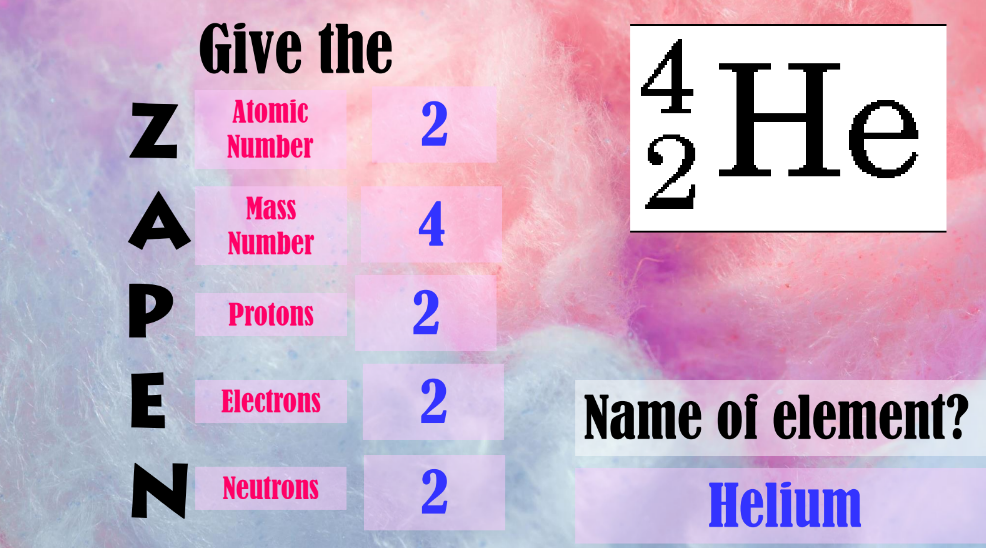
Z - Atomic Number
A - Mass Number
P - Protons
E - Electrons
N - Neutrons
> IONS: atoms or molecules that have a POSITIVE or NEGATIVE CHARGE
CATIONS - POSITIVELY CHARGED ATOMS (+ at the top) less electrons, formed by loosing electrons (minus the number next to the + sign to the given electrons)
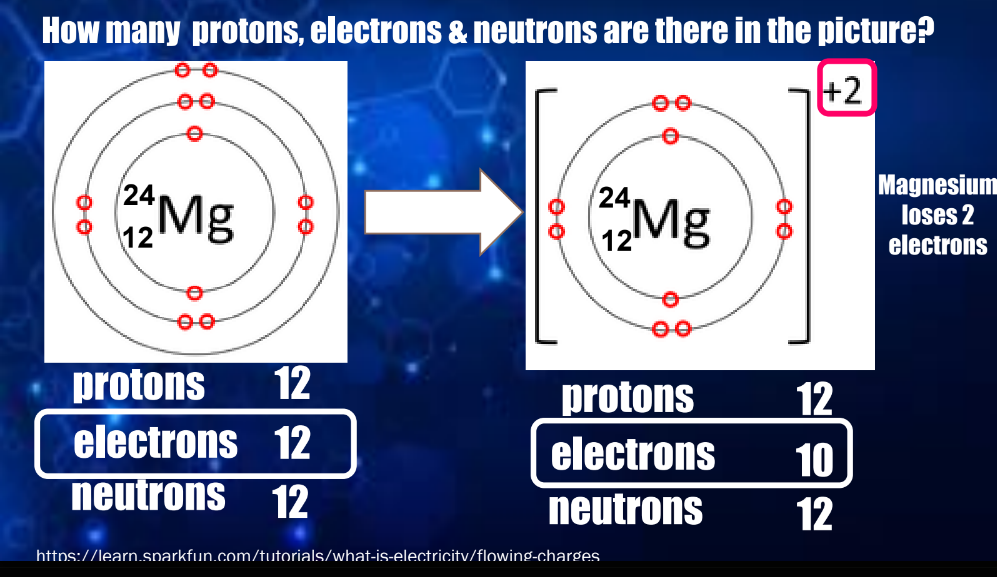
ANIONS - NEGATIVELY CHARGED ATOMS (- at the top) more electrons, formed by gaining electrons (plus the number next to the - sign to the given electrons)
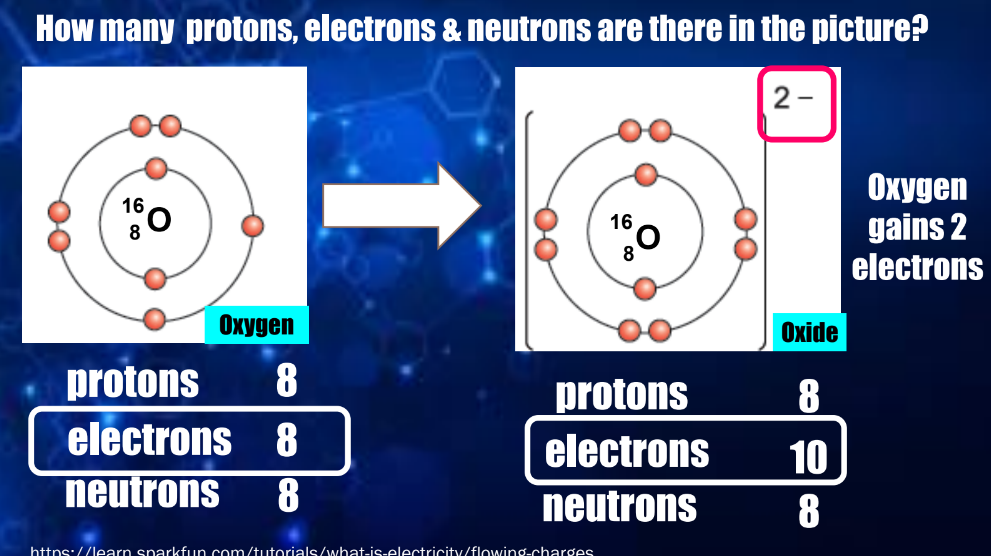
(NEUTRAL ATOMS: atoms with equal amount of protons and electrons)
(ISOTOPES: atoms with same number of protons and different number of neutrons)
LESSON 5: ELECTRON CONFIGURATION
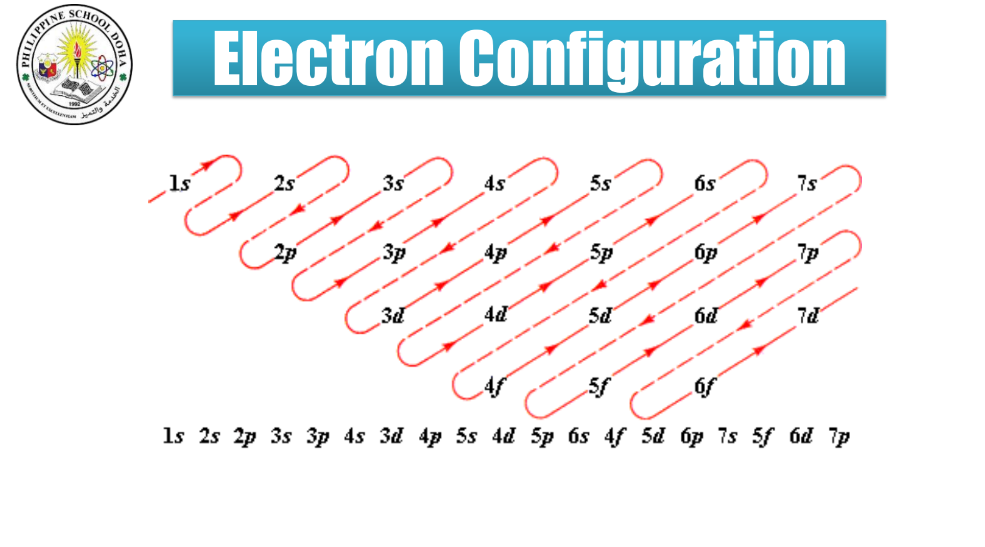
> 4 TYPES OF SUBSHELLS:
S - max 2 electrons in shell
P - max 6 electrons in shell
D - max 10 electrons in shell
F - max 14 electrons in shell
(1st shell - max 2 electrons)
(2nd shell - max 8 electrons)
(3rd shell - max 18 electrons)
(4th shell - max 32 electrons)
(once a shell/energy level is full, move to the next item shown in the chart above)
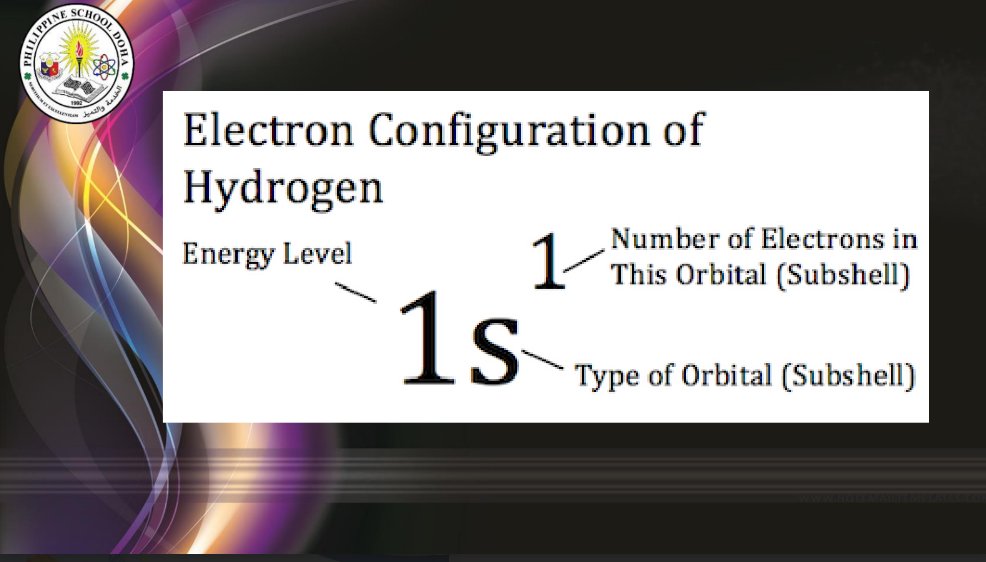
(number on top of letter shows if a shell is full or not. If its not full yet, keep adding until it is)
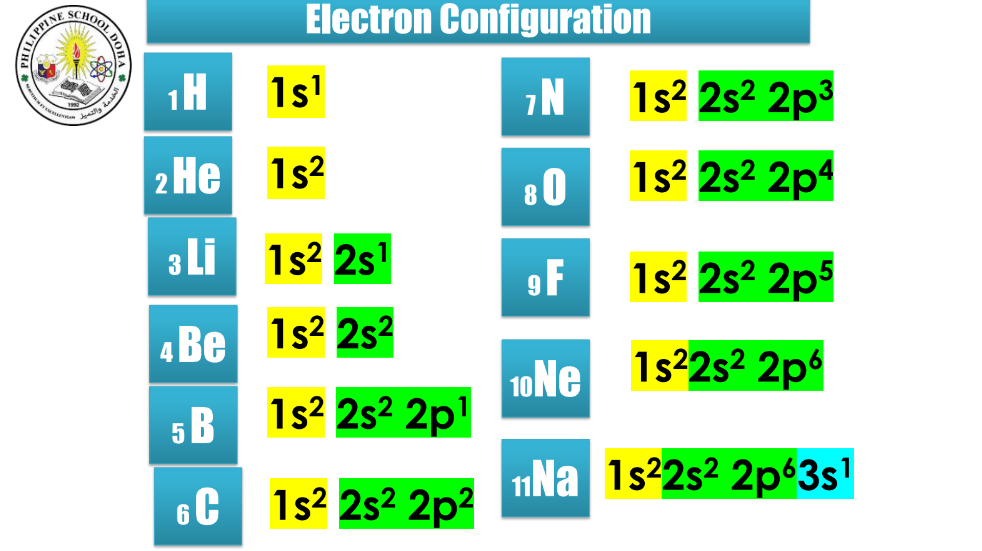
> SHORTHAND: write the shorthand based off the electron configuration
1st energy level: presented by “)” and is identified by the number 1. write the amount of electrons (number above the letter) inside the parenthesis. MAX 2
2nd energy level: same as the rest, is identified by the number 2. MAX 8
3rd energy level: same as the rest, is identified by the number 3. MAX 18
4th energy level: same as the rest, is identified by the number 4. MAX 32
EXAMPLE:
> HELIUM (2)
electron configuration: 1s²
shorthand: 2)
> NEON (10)
electron configuration: 1s²2s²2p^6
shorthand: 2)8)
(add numbers that are only in the same energy level)
LESSON 6: BOHR’S ATOMIC MODEL
> HOW TO DRAW IT:
draw a small circle in the middle that represents the NUCLEUS and write the element symbol inside
draw bigger circles around it, representing the ENERGY LEVELS (based on shorthand)
draw BIG SHADED CIRCLES on each energy level, representing ELECTRONS (based on shorthand too)
draw the electrons from TOP TO BOTTOM, CLOCKWISE until the energy levels are full and you have to move to the next