Cost of Capital
How can you calculate the discount rate if you are given the costs of equity and debt?
Tax rate: 35%
Asset 100
Equity 60 - 17%
Debt 40 - 8%
The weighted average cost of equity and debt -
𝟏𝟕% ∗ 𝟔𝟎 /𝟔𝟎+𝟒𝟎 + 𝟖% ∗ 𝟒𝟎/𝟔𝟎+𝟒𝟎*(1-0.35)
Calculate the expected return of a stock with a 1.6 beta if the expected return on the market portfolio is 8% and the risk free rate is 2 %.
Using the CAPM
E(r) = 2 % + 1.6(8 % – 2 %)
= 2 % + 1.6(6 %)
= 2 % + 9.6 %
= 11.6 %
Risk → Mathematical Model → Return
Market portfolio - S&P 500
What is a portfolio that fluctuates solely due to systematic risk?
Market Portfolio that contains all shares and securities in the market, with each asset weighted in proportion to its total presence in the market
A good proxy for market portfolio is the S&P 500
Standard deviation → Total risk
Slope value = (re-rf)/(rm-rf) = B/I
re= rf + B x (rm-rf)
(re-rf) = B x (rm-rf)
Risk premium - additional return for taking that risk
Affects it:
Systematic
Non diversifiable
Relevant base market portfolio - global market portfolio as the benchmark
Relevant market portfolio - us market risk premium
r26 = (P26 + D26) − P25/ P25
Total risk - systematic and unsystematic
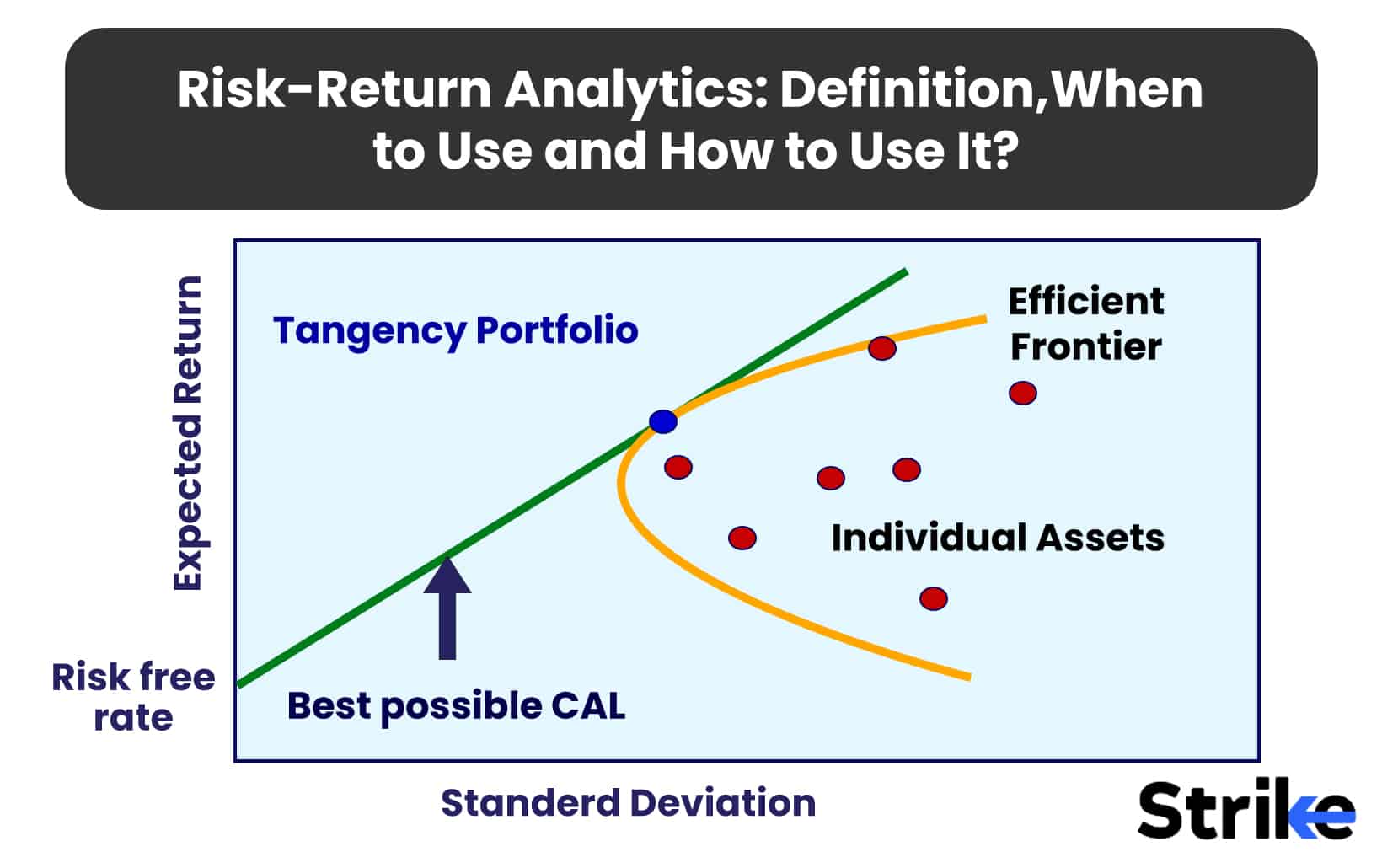
CAPM has merit when applied to a company with operation in integrated markets
Problem
Not fully integrated
Solution
Consider global and local costs
Know how to convert one discount rate to the other like in the case study
Look back at the spot exchange rate example in canvas
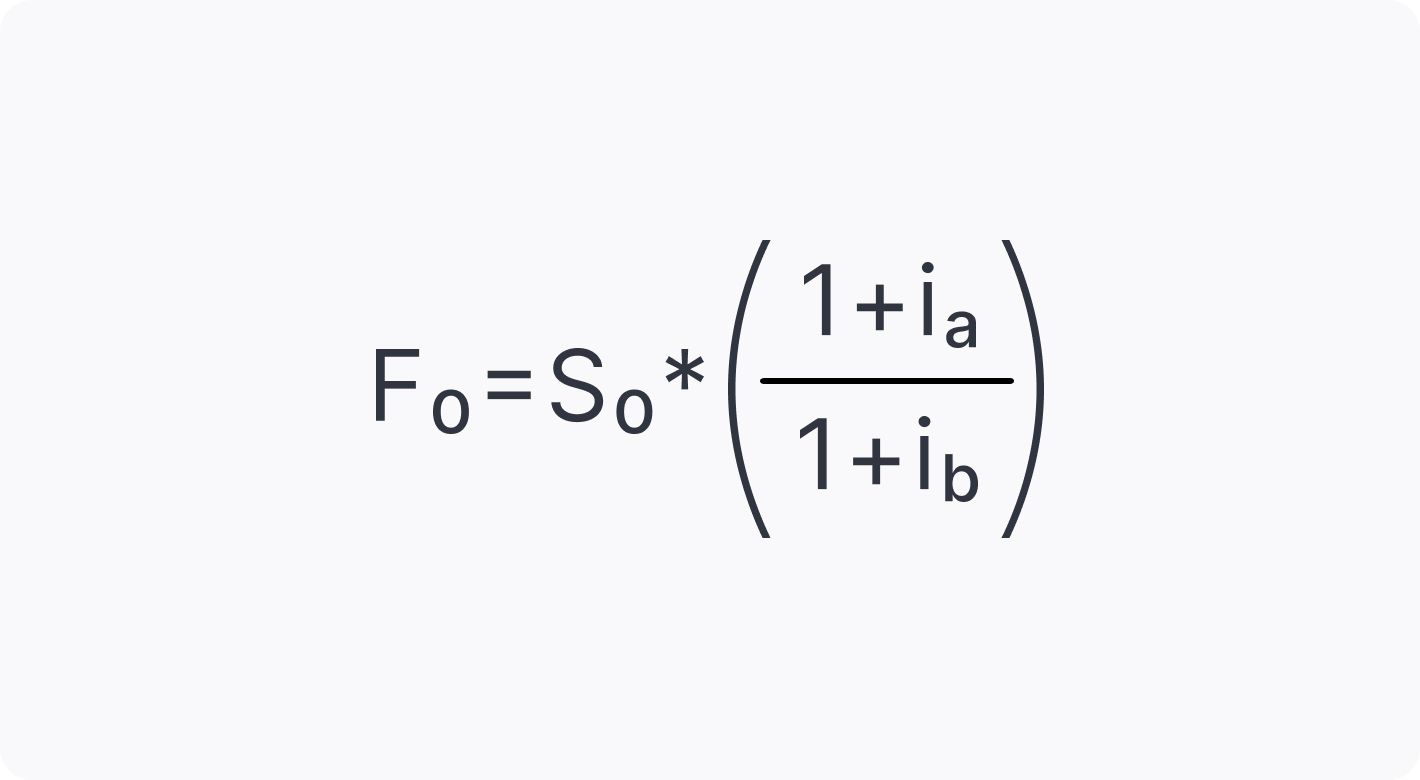
Know how to find it on a calculator