Chapter 2 (2.1 and 2.2)
Producing means seeing that a worthwhile idea gets to be a worthwhile television presentation
responsible for all preproduction activities and for completing various tasks on time/in budget
PREPRODUCTION PLANNING: FROM IDEA TO SCRIPT
Generating program ideas
engage with several people to brainstorm
when brainstorming, don’t pass judgment on any comments
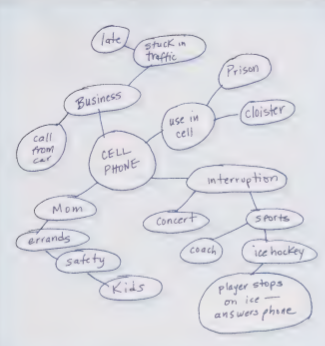
you could also try clustering, which is more organized but more restrictives
usually done by individuals, but can be done in groups
Evaluating ideas
“is the idea worth doing”
it should have a positive influence on someone’s life
“is the idea doable”
do you have the necessary budget, time and facilities available
Devising a program proposal
A written document saying what you intend to do
theres no standard format but it should include
program/series title
keep it short
program objective (defined process message)
“to warn teenage drivers not to run stop signs”
target audience
demographics and psychographics (consumer buying habits, values and lifestyles)
show format (single tv show/series/digital move)
show treatment
a brief narrative description of the program
should say what the show is about but also the angle and how it reflects that in the writing
more elaborate ones have storyboard-like illustrations
don’t include production specifics like types of lighting or camera angles
keep it brief and concise
production method
studio production or location shoot? multi-cam or single cam?
tentative budget
a sample script if you’re proposing a series
Preparing a budget
costs for script, talent, crew, studio/equipment rental, and editing but also recording media (like memory cards), props, food, lodging, entertainment, transportation, parking, insurance, and clearance and use fees
usual way to present it is preproduction, production, and postproduction sections
Writing the script
not intended as literature
make sure the writer understands the program objective/defined process message
PREPRODUCTION PLANNING: COORDINATION
people and communication
who to involve in the post-script planning stages depends on your objective and whether you’re an independent producer who has to hire addition personnel or whether you’re working for a station or production company that has most essential creative and crew people already on its payroll and available at all times.
establish a database of all essential information (names, positions, emails, addresses, phone numbers)
let people know where they can contact you
Facilities request
lists all pieces of production equipment/properties/costumes needed for production
has info like date and time of rehearsal/recording sessions/ on-the air transmission, title of production, names of producer/director/talent, all technical elements (cameras/sets/graphics/makeup/etc), and mode of transportation if going offsite
try to get by with as little equipment as possible, yhe more you use, the more people you need to operate it and the more that can go wrong.
Production schedule
tells everyone who is doing what, when, and where over the course of three production phases