Introduction to Modern British Drama
Modernism
Modern literature and art are characterized as those pieces created between the early 1900s and the 1960s. Modern literature is known for:
A reaction against emotional romanticism of the 1800s
A bleaker, more realistic look at life without fantastical elements
A response to the horrors of World War I that led to feelings of disillusionment
Modern drama carries these trends as well, with its own additions. Modernism throughout the world was influenced by famous thinkers such as Charles Darwin and Sigmund Freud, who sought to apply the scientific method to all areas of life to discover truth, intentionally moving away from religious and biblical answers. Political thinkers such as Karl Marx also influenced the era, with major world events such as the Russian Revolution and the First World War impacting how the average person saw society.
Overall, artists during this time period saw the world as a bleak place and held little hope for humanity, although they hoped to see positive change.
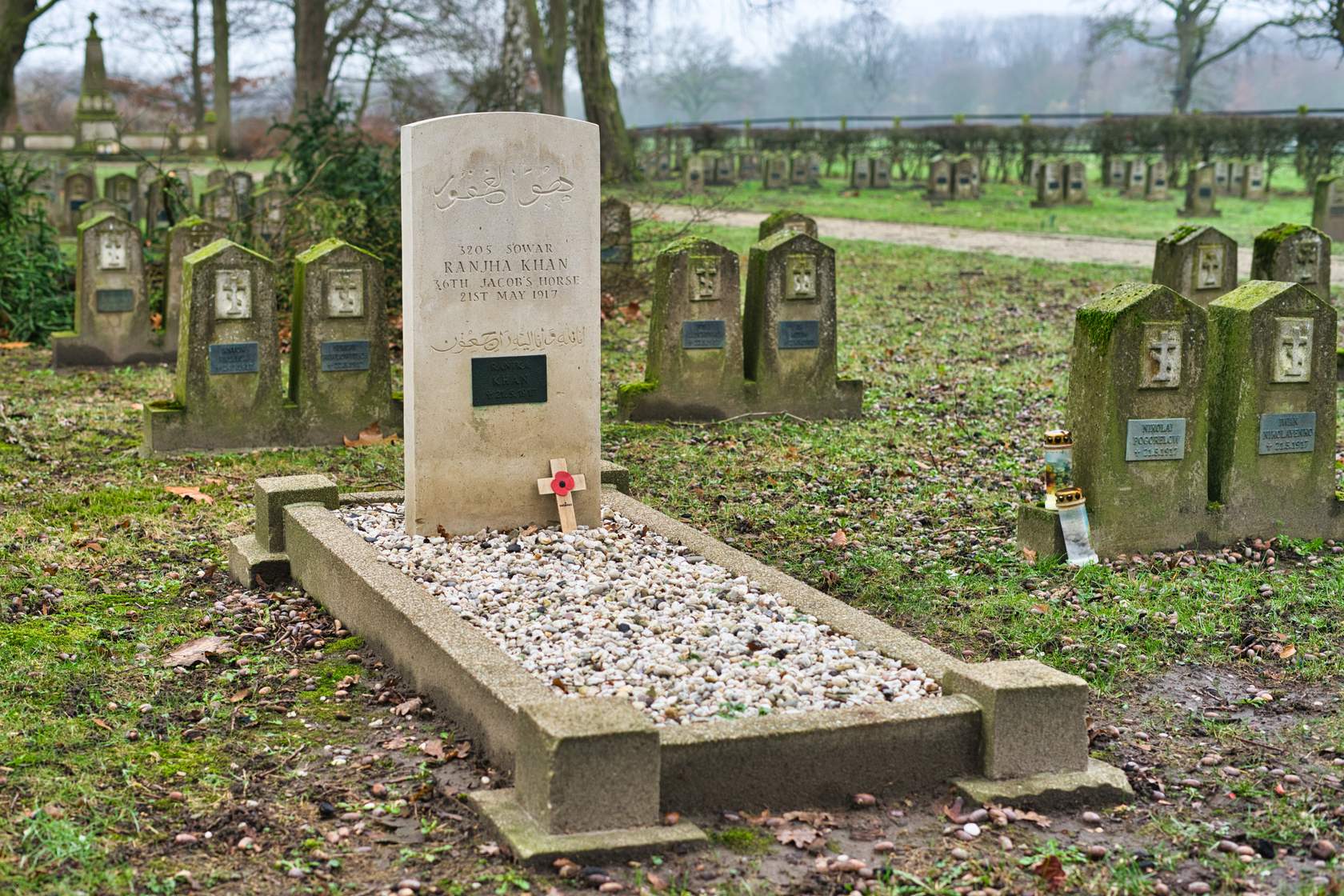
A war veteran cemetery that also includes a grave for a soldier's horse. Horses were still widely used in WWI.
Drama
Drama is one of the oldest forms of literature, reaching all the way back to ancient Greece, where drama was used to worship the gods and provide a sense of catharsis to the audience. As they watched the characters live out the consequences of a choice, they could experience the emotions themselves and thus cleanse themselves of negative emotions.
In the Modern Era, drama continued to be an important artistic expression. Without personal televisions or devices, the theater was a popular way to be entertained, be seen by important people, and experience a story.
Modern Drama
Modernist drama shifted the theater from a form of pure entertainment and over-exaggeration to an area for debate. Social and political issues were examined as the actors portrayed characters in realistic, gritty situations. Modern drama included several major categories:
1
1
The Problem Play: Popularized by Norwegian playwright Henrik Ibsen, these plays focused on "contemporary middle-class characters in a realistic setting, usual a parlor or drawing room, where they discuss personal and social problems, such as marriage, morality ..." or showcase the need for political and social reform (Levy 2).
2
2
Expressionism: Developed by the Swedish playwright August Strindberg, these plays sought to "exalt the inner state of mind, and most importantly, defy verisimilitude" (Levy 4). In order words, these plays wanted to explore a person's inner thought life to the exclusion of physical reality.
3
3
Theater of the Absurd: After a second world war rocked society, many artists lost hope that humanity, society, or life had any inherent meaning or hope to find such a meaning. Theater of the Absurd was characterized by plays that intentionally cast aside the certainty and assumptions of the past in favor of portraying what artists considered the new tenants of reality: "unrealistic and incomprehensible situations, incongruous action, repetitive dialogue, illogical reasoning, and bitter humor ... their plays often appear chaotic and meaningless" (Levy 5).
4
4
Psychological Realism: Playwrights such as Bertolt Brecht, Anton Chekhov, and Thornton Wilder leaned into the psychological exploration of Expressionism while stripping away some theater conventions like Theater of the Absurd. These plays might explore political ideas while the characters argued on an empty stage without a set design. Or, they might be set in a realistic drawing room but have no actual plot tying it together; the only goal is to explore the characters' psychological states.
Which of the above categories best describes any plays you have seen? Why do you think that the social climate of the early 1900s led to these new categories?