physics
Work
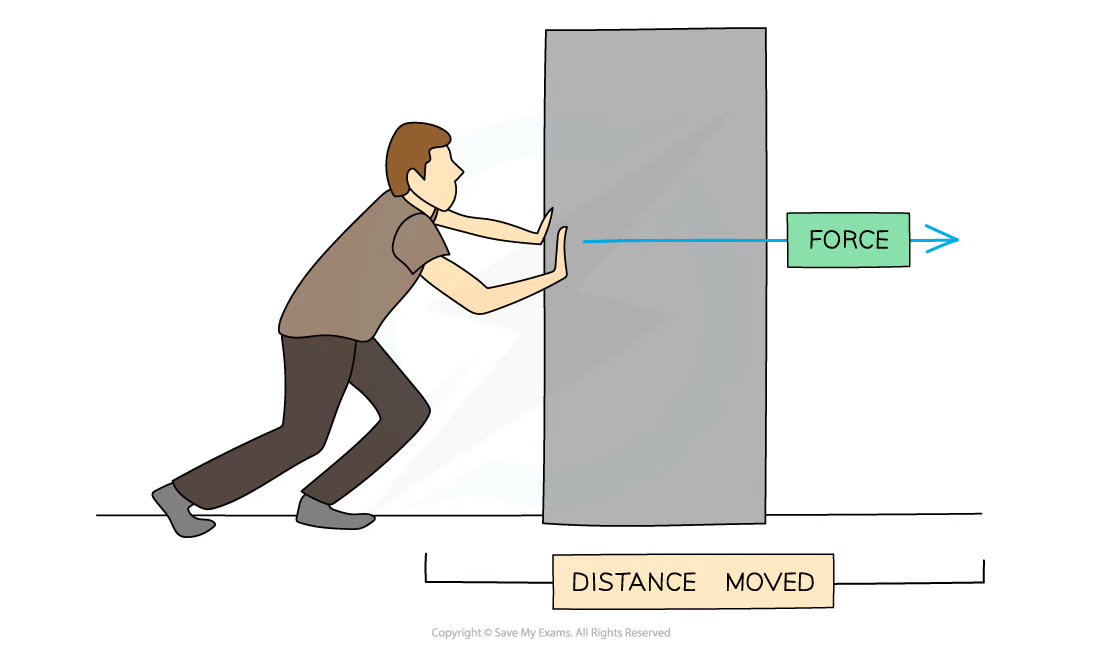
==W = F * d==
W - work
F - force
d - displacement
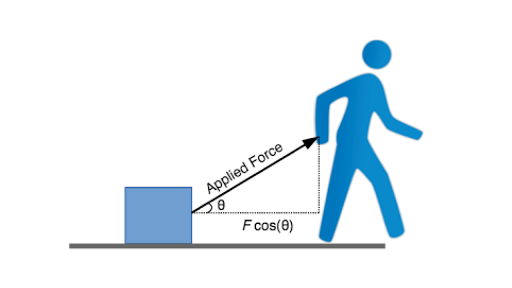
in this case the displacement is the same so the work is done in the same direction, but because of the angled force the equestion on its value changes:
==W = F * d * cos==
cos - cosinus of the angle of the applied force
\
Positve/Negative work
\
%%W+%% → ΔKE is higher
one object does positive work on the other (cuz it causes it to speed up)
\
==W -== → ΔKE is lower
one obejcts does negative work on the other (cuz it causes it to slow down)
\
%%W+%% → F is parallel to d
theyre going in the same directions (→ →)
\
==W -== → F isnt parallel to d
theyre going in opposite directions (--> <--)
\
Energy
Kinetic energy
}}for objects in motion}}
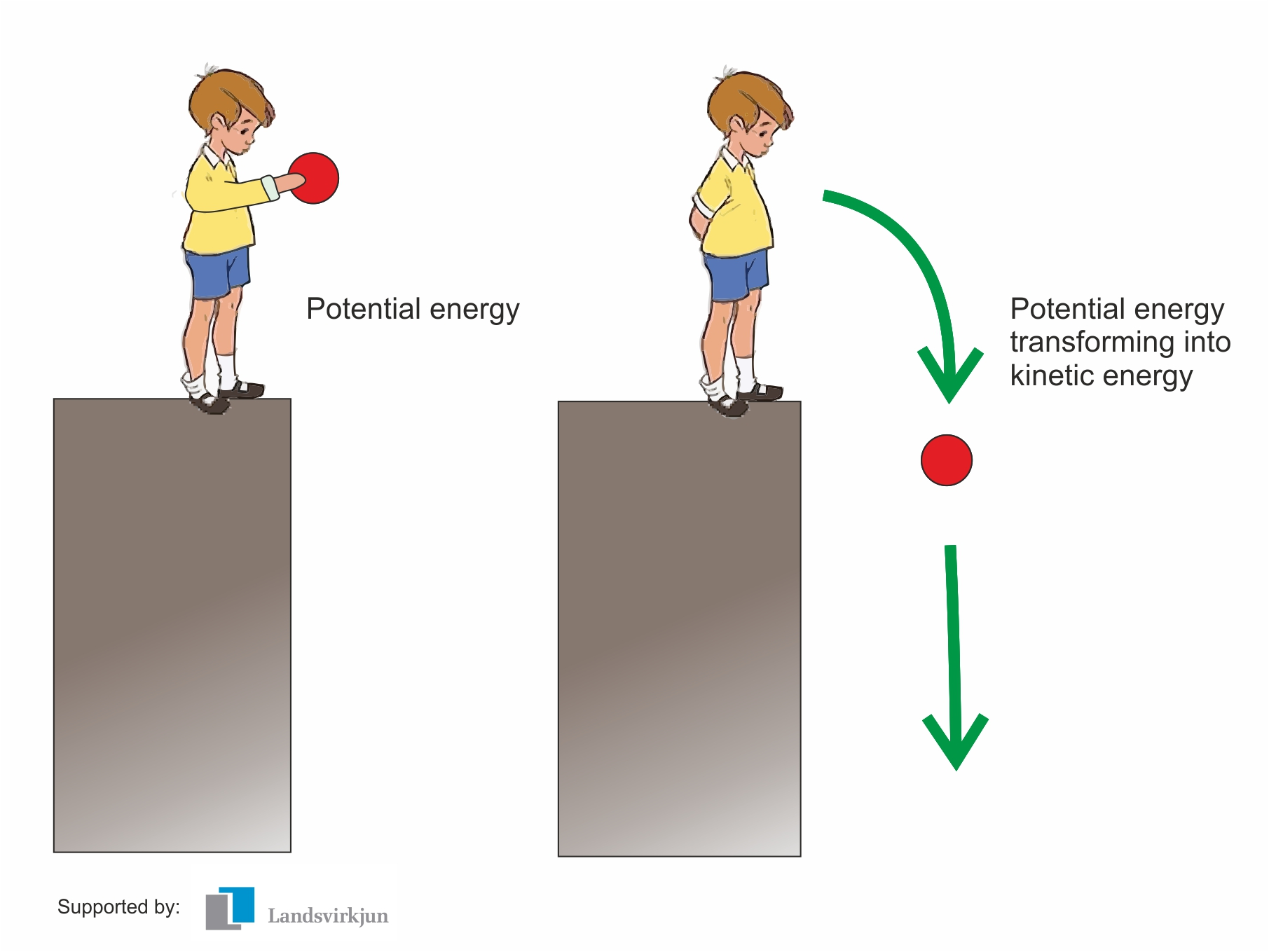
==KE = 1/2 mv^2==
KE - kinetic energy [J]
m - mass [kg]
v - speed [m/s]
\
Potential energy
}}is a stored energy, the ability and potensial of object to do work without doing work}}
\
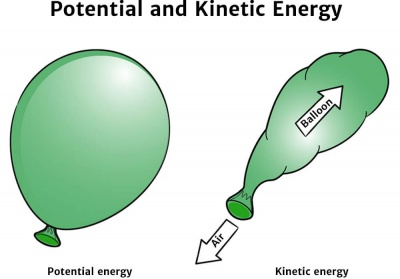
==PE = mgh==
PE - potensial energy [J]
g - gravitational accelaration [m/s^2]
h - height [m]
(thats for gravitational potensial energy)
\
Mechanical energy
used when only forces acting on the object are conservative forces (gravitational, elastic, electric)
\
==ME = KE + PE==
ME - Mechanical energy
\
Power
}}the rate at which energy is being transport}}
\
==P = w/t = F * d/t==
P - power [watt]
\
==P = F * v==
v - velocity/speed
\