ADOLF HITLER
BIRTH AND CHILDHOOD :
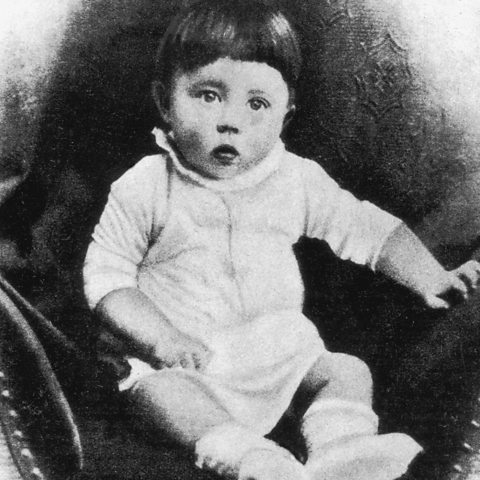
~ Adolf Hitler was born on April 20, 1889, in the small town of Braunau am Inn in Austria-Hungary . He was the fourth of six children bointiallyois Hitler, a mid-level customs official, and Klara Pölzl, who was Alois’s third wife.
~Hitler attended primary school and intially did splendid in his studies which led to teachers commenting and allocating him as a bright student .
~He was very good in art and focused on it more than any other subjects in secondary school.
~Alois wanted Adolf to follow his footsteps by entering civil services and abtaining his image but young Hitler dreamed of becoming an artist and that was a dream that his father discouraged. That led to his father dissmissing the idea as unrealsitic and commanded for him to focus on his studies which cause heavy tension between the two .
~Adolf Hitler was removed from school in 1905 and taken to dozens of schools in Austria but still had trumedous academics ( tumultuous academic career ) . After struggling badly Hitler droppped out of school at the age of 16 ( Realschule secondary school in Linz, Austria ) followed by his explusion , leading to his mothers dismay having him withdraw from his family and community life .
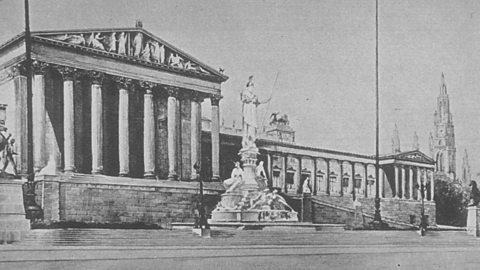
~He then struggled deeply in finding a stable career as he was still a teenager and not in school , then taking advantage of the situation Hitler moved to Vienna where he pursed his intrests in art and politics .
Early Years in Vienna (1907-1913) :
~His financial struggles forced him to live frugally and led to a lonely existence. He spent much of his time in libraries, where he became immersed in literature and political ideas then hoping to enroll in the Academy Of Fine Arts Vienna in 1907 and 1908 but was rejected both times .
~ His work was considered lacking in skill, particularly his figure drawing, which was required for admission. This rejection was a deep blow to Hitler’s self-esteem, as he had invested his whole life and hopes in becoming an artist.
~During his years in Vienna, Hitler read extensively, including works by influential authors like Friedrich Nietzsche and Houston Stewart Chamberlain, whose ideas reinforced his views on race and nationalism.
~ By 1909, Hitler’s financial situation had deteriorated to the point that he was forced to live in homeless shelters and men’s hostels. He spent years in poverty, relying on a small inheritance, which quickly ran out .
~Living alongside the poor of Vienna, Hitler developed a personality for the social welfare programs that he believed enabled laziness and dependency. He became obsessed with the ideas of self-reliance and “strength,” beliefs that would later shape his social and economic views.
~He became acknowledged on the idea that Jewish people held immense power in finance, media, and arts. He began to blame Jews for his own failures and the poverty and inequality he lived too.
~Hitler read anti-Semitic and nationalist pamphlets, newspapers, and other literature , which promoted racial purity and warned of the “dangers” of Jewish influence, were widely read by Hitler and further fueled his prejudices.
World War I (1914-1918) :
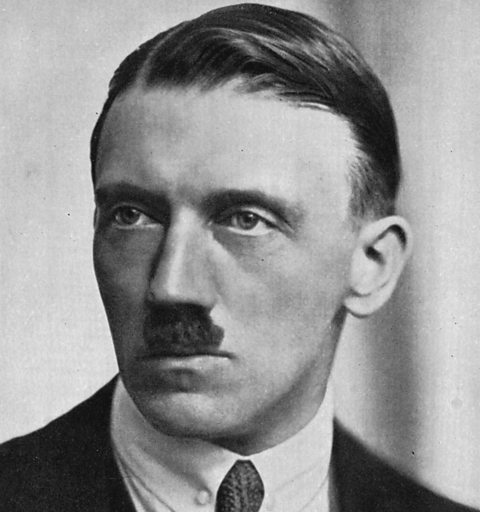
~Hitler left Vienna and relocated to Munich to escape Austrian conscription, as he did not want to serve in the multi-ethnic Austro-Hungarian army, preferring Germany. He had long admired German culture .
~In Munich, Hitler continued his regular life, earning money through small jobs such as painting postcards. However, he lived on the margins of society and did not make many close connections. By this time, his views on nationalism, anti-Semitism, and German unity had grown huge .
~ When World War I broke out in 1914, Hitler volunteered to serve in the Bavarian Army even though he was an Austrian citizen. He was accepted and assigned to the 16th Bavarian Reserve Infantry Regiment. Hitler served as a messenger on the front lines, delivering orders between command posts. He saw intense action, including the First Battle of Ypres, and was wounded twice, once in the leg and later by a gas attack.
~When Germany surrendered in 1918, Hitler was devastated. He saw the Treaty of Versailles, believing Germany’s leaders and internal enemies, such as Jews, were responsible for the loss. This “stab-in-the-back” myth would fuel his hatred in the years to come.
~ The new German government ( the Weimar Republic ) struggled with political violence, inflation, and uprisings. Hitler viewed the republic as weak and blamed Jews, communists, and democratic politicians for Germany’s suffering.
BEGINNING OF THE NAZI PARTY (1920-1923)
~Hitler become one of the leading orators. In 1920, he renamed it the National Socialist German Workers’ Party (NSDAP), or Nazi Party, and designed its symbols, including the swastika.
~Hitler’s propaganda and speeches attracted individuals and opportunities, especially among soldiers. His energy focused more on anti-Semitism, anti-communism, nationalism, and the promise to restore Germany’s lost glory.
~Hitler founded the Sturmabteilung (SA), a paramilitary wing of the Nazi Party that intimidated political opponents and protected Nazi events. The SA’s violence and intimidation tactics helped the party gain more influence.
Treaty of versailles
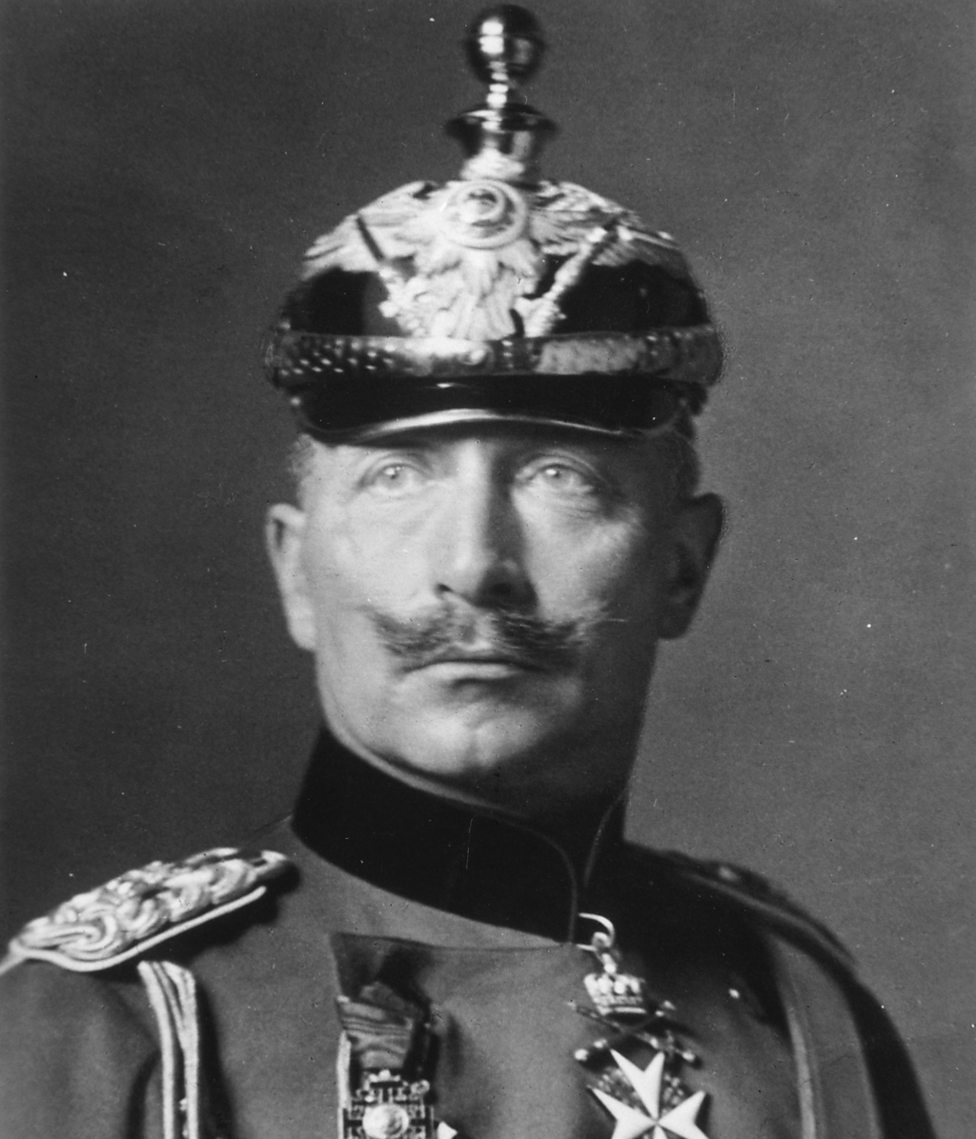
~When the treat of versailles was signed on the 28th of June 1919 , Germany was forced to accept sole resposibility for the war .It was signed in the palace of versailles five years after the assasianation of Archuduke Franz Ferdinand which led to war . ( the other central powers on the german side signed seperate treaties )
~ The armstice of 11 Novmber 1918 ended the actaul fighting and agreed to certain principles and conditions including the payment of reparations which took six months of Allied negotiations at the paris oeace conference .
~Geramny was not allowed to participate in the negotiations before signing the treaty > The treaty and required for Germany to disarm and make territorial concessions >
~Critics including John Maynard Keynes declared the treaty too harsh and saying the reparations were excessive. On the other hand , prominent Allied figures such as French Marshal Ferninand Foch criticized the treaty for treating Germany too leniently .
~The result of these competing and sometimes conflicting goals among the victors was a compromise that left no one satisfied. In particular, Germany was neither pacified nor conciliated, nor was it permanently weakened. The United States never ratified the Versailles treaty; instead it made a separate peace treaty with Germany, albeit based on the Versailles treaty. The problems that arose from the treaty would lead to the Locarno Treaties, which improved relations between Germany and the other European powers. The reparation system was reorganized and payments reduced in the Dawes Plan and the Young Plan. Bitter resentment of the treaty powered the rise of the Nazi Party, and eventually the outbreak of a second World War.