Lecture 18: Immune Disorders
Hypersensitivities
Hypersensitivities: immune system overreacts to a something harmless
example: allergies
Type I Hypersensitivity
Type I Hypersensitivity: Triggered by allergens and mediated by Immunoglobulin E (IgE).
allergens: harmless antigen that rigger an inflammatory response
allergens Types:
- Localized reactions (e.g. hay fever)Common examples:
- Pollen allergySystemic reactions (e.g. anaphylaxis): effects on a systemic level, inflammation throughout the body. blood vessels get leaky as once. blood pressure drops at once?
- Allergic dermatitis
- Peanut allergyAllergen: A harmless antigen that provokes an inflammatory response.
Mechanism of Type I Hypersensitivity
Sensitization Phase:
- Antigen presenting cells (APCs) activate helper T cells.
- Helper T cells activate B cells.
- B cells transform into plasma cells that produce IgE antibodies.
- IgE binds to mast cells (which sensitizes them to future exposures to the allergen)Subsequent Exposure:
- When a sensitized individual encounters the same allergen, mast cells release histamine and other inflammatory molecules, leading to allergy symptoms
steps of Type 1 Hypersensitivity:
Concept Check on Type I Hypersensitivity
Question: What causes the release of histamine during allergies?
- Answer:
- Histamine is released when the allergen binds to IgE on mast cells.
- Antibody binding triggers histamine release; it may also involve natural killer cells and complement activation, but primarily mast cells are responsible.
Type II Hypersensitivity
Type II Hypersensitivity: Involves the immune system attacking foreign but harmless cells
antibody mediated - invlolves IgG or IgM
IgG or IgM antibodies bind to antigens on foreign cells, promoting their lysis and inflammation.
example: such as in blood transfusions).
Mechanisms:
- Cytotoxic response to antigens present on cells (often in blood).
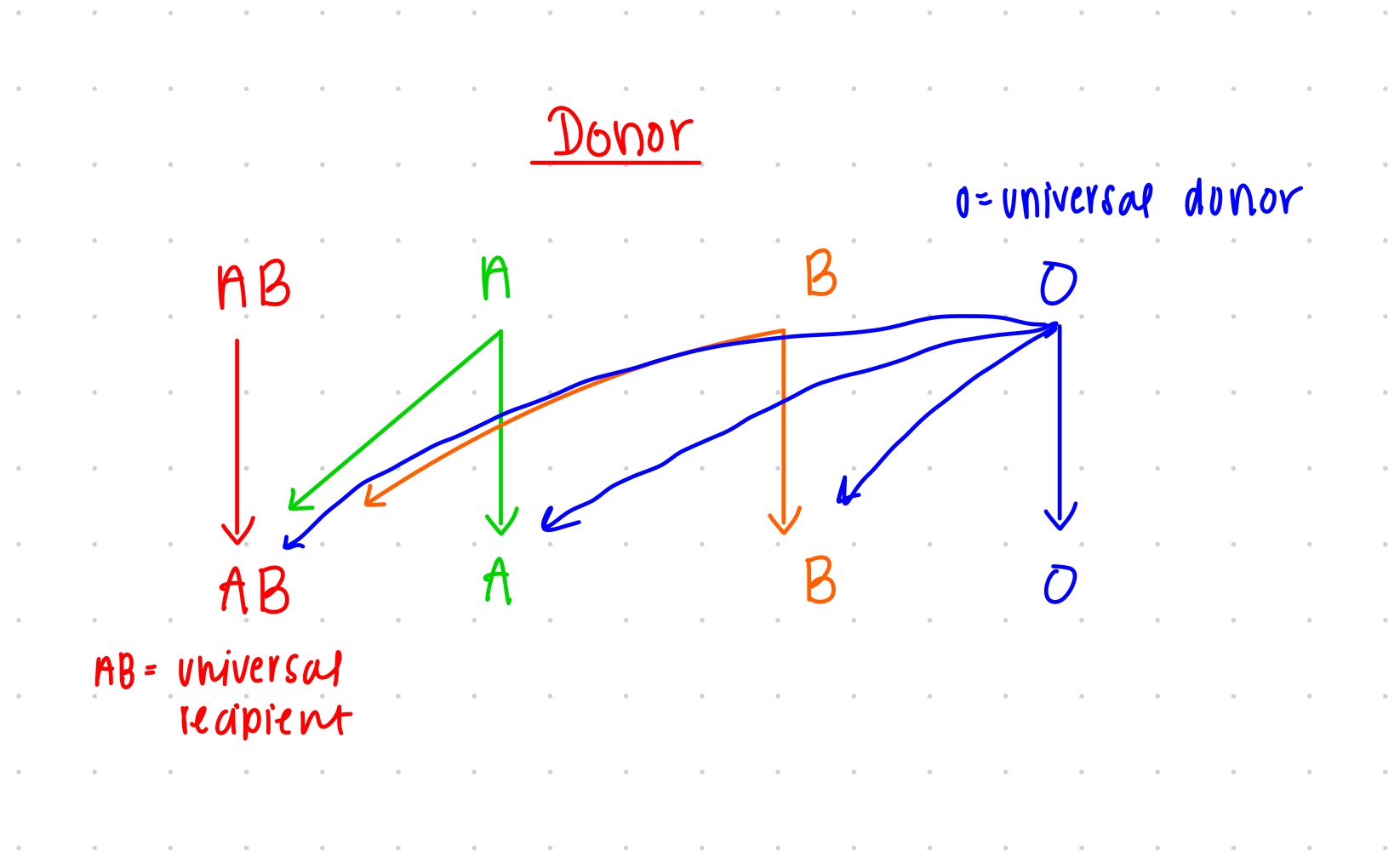
Blood Donation Example
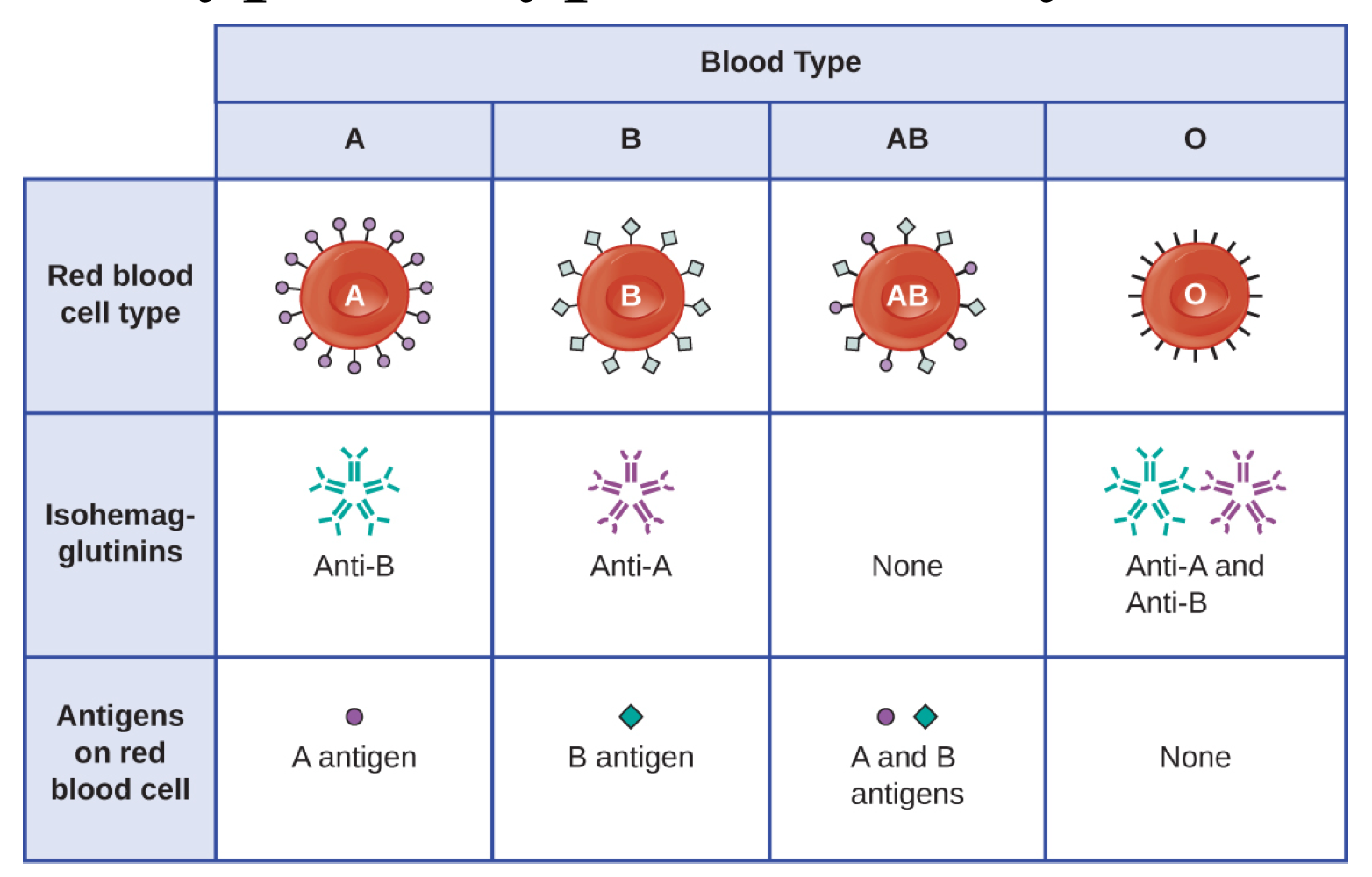
Different blood types present different antigens on red blood cells
If a mismatched blood type is transfused, the recipient’s immune system produces antibodies against the foreign antigens.
Hemolytic Disease of the Newborn
Occurs when maternal antibodies target fetal red blood cells,
leading to severe complications,
necessitating close monitoring and potential treatment (e.g., blood transfusions).
Type III Hypersensitivity
Type III Hypersensitivity: Characterized by the formation of immune complexes (more antibodies than antigens).
antibody mediated - IgG antibody
Consequences: Immune complexes deposit in tissues, preventing phagocytosis, activating complements, and causing inflammation.
They may obstruct small blood vessels, leading to tissue damage.
Example:
Glomerulonephritis: inflammation of the kidney's glomerulus, often resulting from immune complexes.
Type IV Hypersensitivity
Type IV Hypersensitivity: A delayed immune response mediated by T cells rather than antibodies.
Involves inappropriate attacks on self-cells, leading to tissue damage.
Mechanism of Type IV Hypersensitivity
Sensitization:
- Antigen presenting cells (APCs) recognize and present harmless hapten antigens, activating T cells.
- Memory helper T cells and memory cytotoxic T cells are stored.Subsequent Exposure:
- Helper T cells stimulate an inflammatory response when they come in contact with the same hapten again.
- Cytotoxic T cells attack body cells presenting the hapten, causing damage.
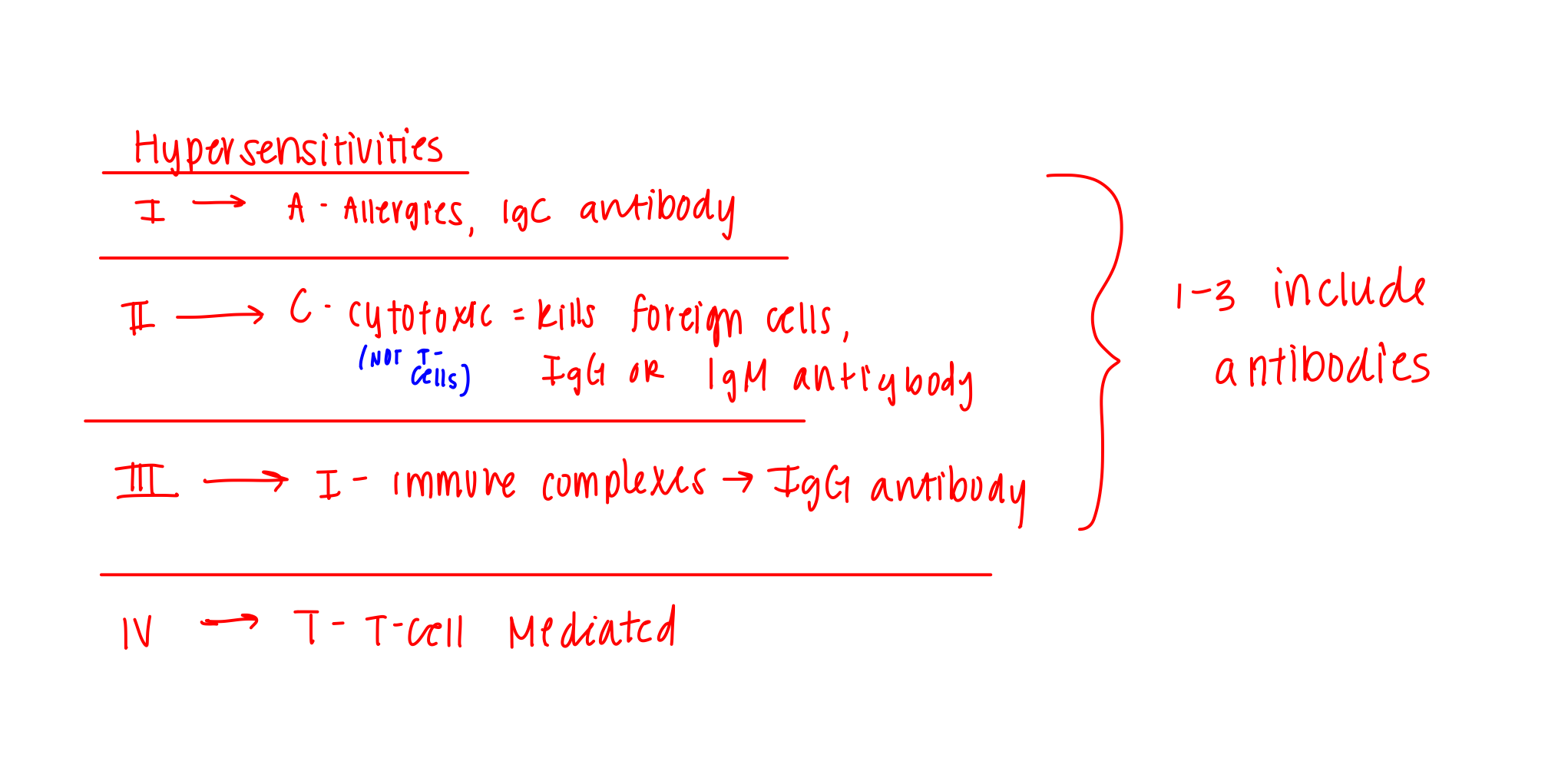
Summary of Hypersensitivities
Type I: Allergies
Type II: Cytotoxic (blood transfusions)
Type III: Immune complexes
Type IV: Delayed (T cell-mediated)
Concept Check on Hypersensitivity Types
Cytotoxic T cells attacking body cells displaying harmless antigens – Type IV
IgE antibodies triggering histamine release – Type I
IgG antibodies attacking blood cells after transfusion – Type II
Immune complexes leading to inflammatory damage – Type III
Hypersensitivity Treatments
Desensitization therapy: Repeated injections of diluted allergens to promote IgG production, which can bind allergens before IgE can respond.
Block immune response treatments:
- Antihistamines (block histamine effects)
- Corticosteroids (reduce inflammation)
- Epinephrine (counteracts anaphylaxis)
Autoimmune Disorders
Autoimmune Disorders: Conditions where the body’s immune response mistakenly attacks its own cells.
Immunodeficiency Disorders
Immunodeficiency Disorders: Conditions where immune defense mechanisms are absent or dysfunctional. These can be inherited or acquired.
Concept Check on Autoimmune Disorders
Question: Which scenario describes an autoimmune disease?
- The immune system attacks its own connective tissue cells (This is correct).