Lab 1
Bignonia capreolata
Native
Vine
Cross shape with 2 leaflets on each side. It is usually a single vein
Used as an early nectar source and white-tailed deer eat it.
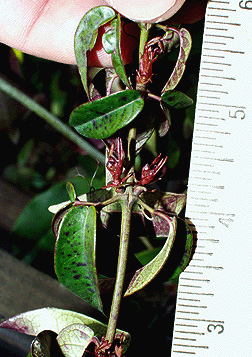
Solidago spp.
Native
Forb
Has a smell to it. Fuzzy on the stem or waxy. Alternate leaves that resemble a spiral staircase
Beetles popupate on it. Good for pollinators. White tailed deer can eat it.
Panicum Virgatum
Native
Grass
Looks like hearty grain from Pokemon.
Used for biofeed stocks and fuel production. Great seed producer. Northernbobwhite Quail use it as cover. Good aerial cover

Chasmanthium latifolium
Native
Grass
Tend to be in wet areas. Shade tolerant
Dabbling ducks will feed on it
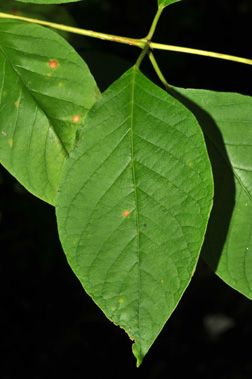
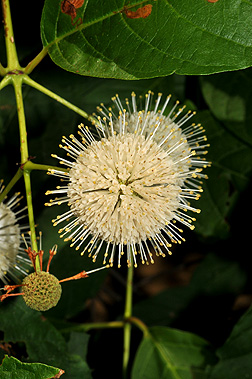
Cephalanthus occidentalis
Native
Shrub
Has distinction veination. Little buttons. Bark is pully.
Seed production for ducks. Can also be used for wood cover
Rudbeckia lanciniata
Native
Forb
Lobed leaves, flower similar to black-eyed Susan
Seed producer. More associated with landscaping
Rudbeckia hirta
Native
Forb
Infamous flower
Seed producer
Aronia arbutifolia
Native
Shrub
Red berries. Alternate arrangement. Smooth bark. Serrated leaves
Good for song birds, WTD, and rabbits. Mammals forage on it

Acalypha spp.
Native
Forb
Base of the leaf has a flower coming out of it
Great seed producer
Eupatorium capilifolium
Native
Forb
Fuzzy. Looks like little pine trees
Not much wildlife use. Early pioneer species. Associated with human activity
Conyza canadensis
Native
Forb
A lot of leaves. Leaf margins are serrated, skinny with a lot of hair.
Sun cover

Morella cerifera
Native but invades areas
Shrub
Whorled leaves
Fruity body a little seed production
Phytolacca americana
Native
Forb
Purple stem
WTD forage it. Eaten by songbirds. Seed producer for morning dove

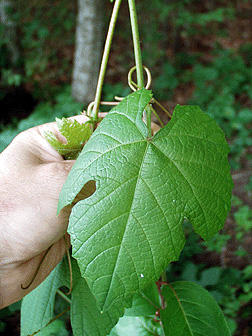
Ampelopsis cordata
Native
Vine
Leaves vary from kind of boxy to heart shaped. Has tendrils
Fruity bodies
Callicarpa americana
Native
Shrub
Has a smell to it. Fuzzy looking bark. Opposite leafing
High protein content
Ludwigia spp.
Native
Forb
Four petals and sepals. Bright mid vein Associated with water.
WTD eat it.

Vitis aestivalis
Native
Vine
Tendrils split into a y
Good for fruit production and cover in trees. Fox squirrels eat it
Verbana spp.
Exotic
Forb
Flower heads are long. Stems are squared. Opposite leaves
Used for pollinators

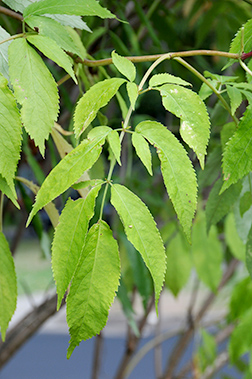
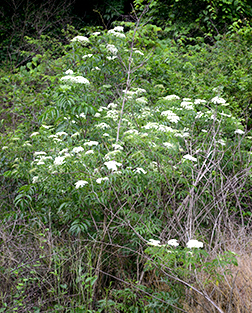
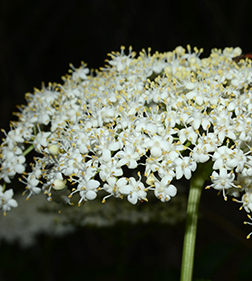
Sambucus canadensis
Native
Tree
Bark is big. Odd-bi-pinnate leaves. Oppositely arranged.
Fruit producing. Possum and raccoons eat it
Schizachyrium scoparium
Native
Grass
Fuzzy seeds.
Seed production. Grass growth good for NBWQ

Paspalum urvillei
Exotic
Grass
Seeds kind of look like corn on the cob
Not much wildlife use


Juncus effusus
Native
Rush
End of the seeds have a stem on it
Muskrats love to eat it
Itea virginica
Native
Shrub
Cream and white colored flowers. Serrated and skinny leaves. Alternate arranged. Smooth bark
Used for pollinators
Digitaria spp.
Native and Exotic
Grass
It is the y shaped grass
Morning doves feed on the seeds
Eupatorium serotinum
Native
Forb
Serrated/Dentated leaf margins
Good for pollinators
Gelsemium sempervirens
Native
Vine
Soft smooth leaves. Opposite arranged. No sap or clear sap when broken
Nectar source
Toxicodendron radicans
Native
Vine
Has hairs. Three leaves with jagged edges
Doves eat it. Deer will it
Campsis radicans
Native
Vine
Odd pinate leaves that are oppositily arranged
Nectar producers-mid season. Provide cover
Baccharis halimifolia
Native-Invasive
Shrub
Leaves have teeth. Woody component on the bottom with while the top is green. Diescus
Minium wildlife uses. WTD could use it
Ligustrum sinense
Exotic
Shrub
Opposite. Evergreen
Nice hedge rows. Songbirds eat it and use it
Salix nigra
Native
Tree
Found in wet areas. Loves are a good give away
Beavers love it. Will provide nectar source
Rubus trivialis
Native
Vine
5 leaflets. Fruity dewberries. Fuzz of bristles and some thorns
High in vitamin A. Good for deer forage
⁰